


Wholesale Hybrid Inverter Supplier Checklist: 12 Questions Before Bulk Ordering
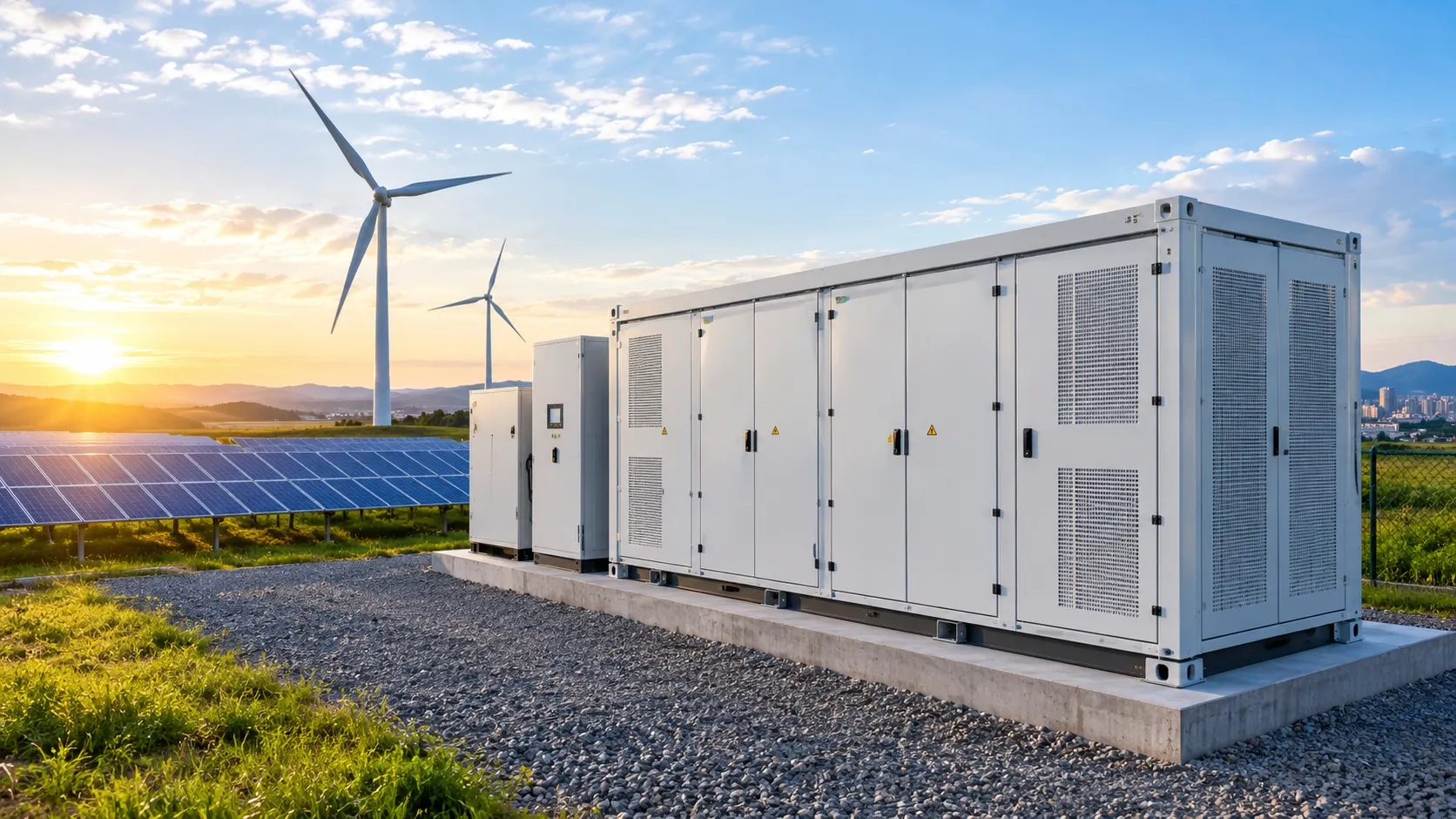
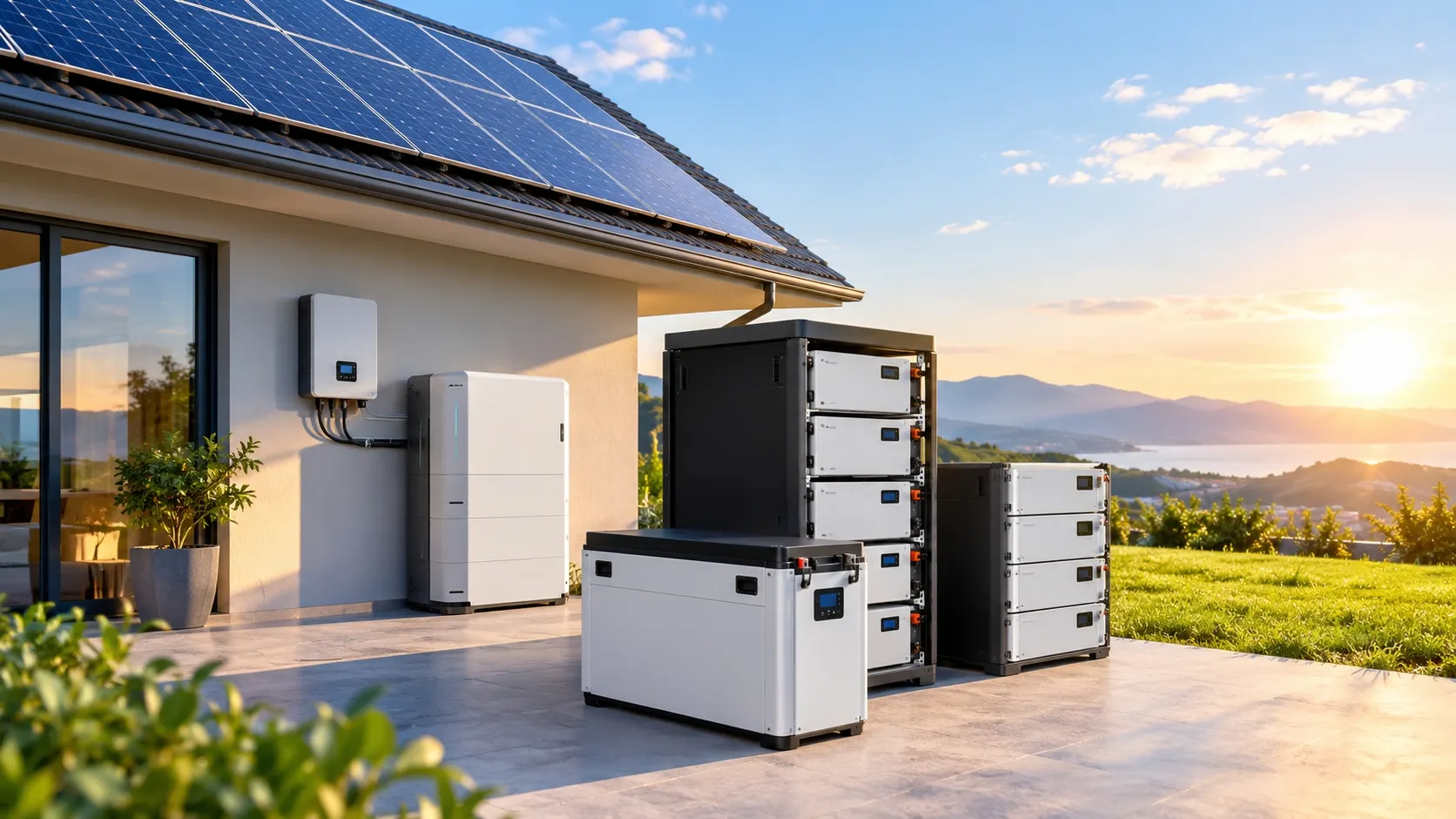

When submitting a purchase order for a Wholesale Hybrid Inverter, there are many components to consider outside of rating, appearance, and price. Inverter architecture, PV limits, battery current, BMS protocol, AC output, surge capability, protection commands, the scope of certifications, and production control should all be verified by a dependable supplier.
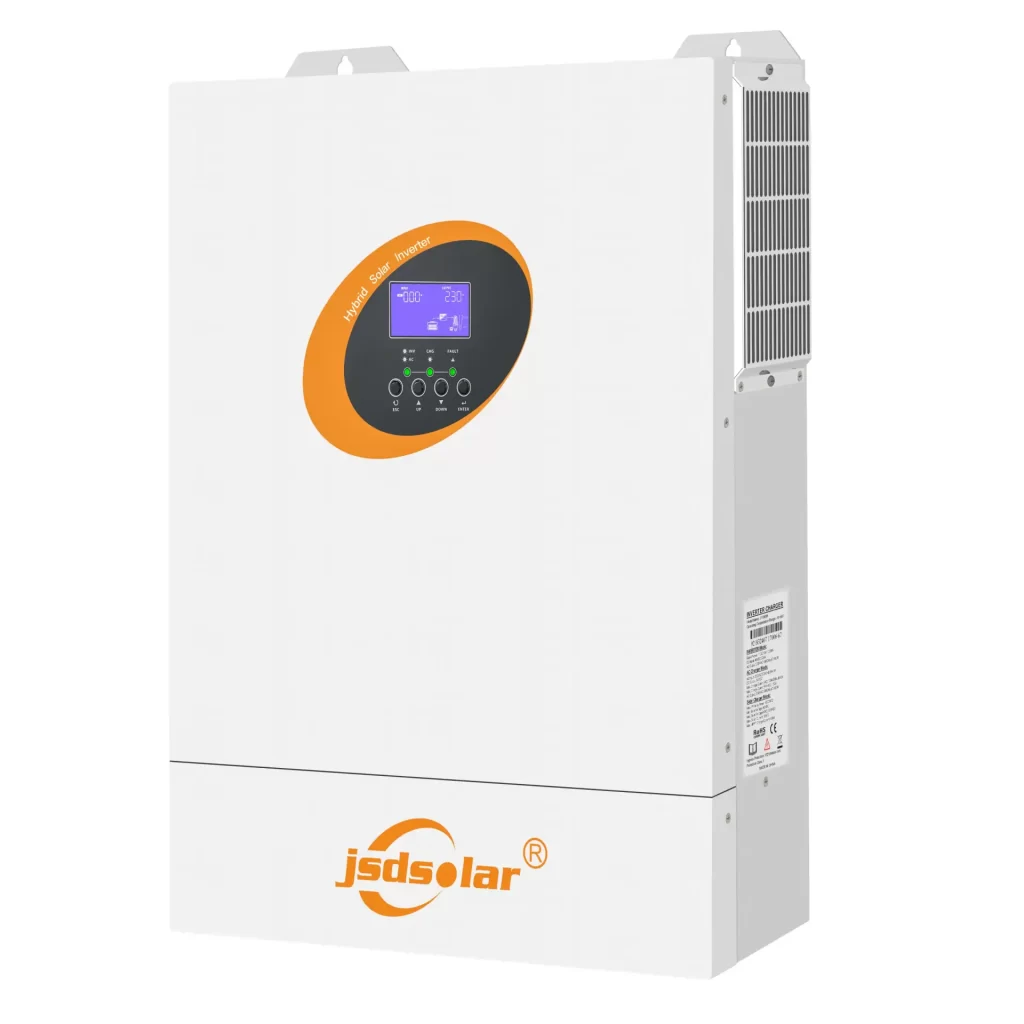
The correct Wholesale Hybrid Inverter must match four connected elements: the destination market, PV array, battery bank and load profile. The following 12 questions help importers, distributors and system integrators evaluate suppliers using measurable engineering evidence.
Why a Wholesale Hybrid Inverter Checklist Matters
Two products carrying the same power rating may behave very differently under motor startup, low battery voltage, high ambient temperature or unstable utility input.
Bulk purchasing creates four major risks:
• System mismatch: PV, battery, or load limit selection is incorrect.
• Documentation mismatch: Reports do not match the hardware that was delivered.
• Record of Production Variation: There are variations in components and firmware compared to approved samples.
• Record of Support Gaps: The supplier is unable to identify the issue, nor supply replacement units.
An honest Wholesale Hybrid Inverter supplier must provide testable documentation, production records and traceable data. Along with a competitive quote, the supplier must provide these records.
12 Questions to Ask Before Bulk Ordering
1. What Is the Actual Operating Architecture?
"Hybrid" can describe several different products:
• Off-grid inverter
• Backup inverter with utility bypass
• Grid-interactive inverter
• Export-limiting inverter
Utility charging does not automatically mean grid-export capability. Ask for a power-flow diagram showing how PV, battery, utility and loads are connected in each operating mode.
2. How Are Rated Power and Surge Power Defined?
A professional specification should distinguish:
• Continuous output power in watts
• Apparent power in VA
• Peak surge rating
• Surge duration
• Overload curve
• Temperature derating
A high surge figure has limited value unless its duration is stated. Pumps, compressors and motors may require elevated power for several seconds, not milliseconds.
3. Does the PV Input Match the Proposed Array?
For every MPPT channel, confirm:
• Maximum PV array power
• Absolute maximum PV voltage
• MPPT operating range
• Maximum operating current
• Short-circuit current limit
• Recommended string arrangement
Dual MPPT trackers can manage separate orientations or uneven strings, but each input normally retains independent voltage and current limits.
The supplier should verify the string's cold-weather open-circuit voltage:
• Maximum corrected string Voc must remain below the inverter's absolute PV input limit.
• Using only the module's nominal working voltage can result in PV overvoltage during cold conditions.
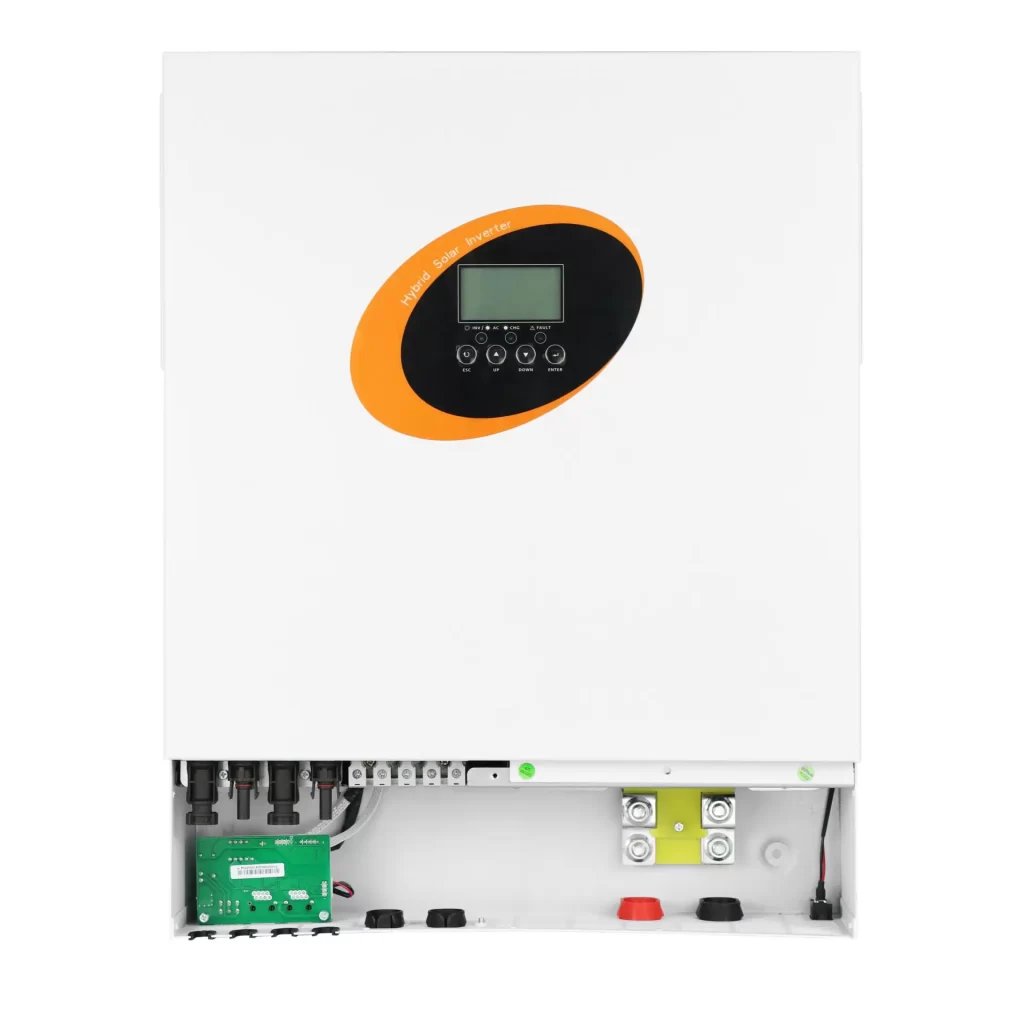
4. Can the Battery Deliver the Required Current?
High-output 48V systems operate at substantial DC current. A preliminary calculation is:
Battery current ≈ AC output power ÷ battery voltage ÷ conversion efficiency
At 10kW output, a 48V battery system may supply well above 200A after efficiency and low-voltage conditions are considered.
Verify:
• Continuous battery discharge rating
• BMS current limit
• Required parallel battery quantity
• DC cable cross-section and length
• Breaker and fuse ratings
• Acceptable voltage drop
• Terminal temperature limits
A powerful inverter cannot compensate for an undersized battery bank or DC cable.
5. Is the LiFePO4 Protocol Confirmed?
RS485 or CAN describes the physical interface but not the communication language.
The following need to pair up:
• Protocol and register map
• State-of-charge reporting
• Charge and discharge commands
• Voltage and current limits
• Alarm codes
• Low-temperature charging logic
• Firmware versions
Prior to taking a Wholesale Hybrid Inverter order, you must ensure that the intended battery model for the project is tested against the inverter.
6. How Are Charging Currents Coordinated?
The supplier should state:
• Maximum solar charge current
• Maximum utility charge current
• Maximum combined current
• User-adjustable current limits
• CC/CV charging parameters
• Lithium and lead-acid profiles
Do not assume the solar and AC charging ratings can be added directly. Many systems impose a lower combined limit to protect the battery BMS and internal power stage.
7. Does the AC Output Match the Market?
| Parameter | Required Confirmation |
| Voltage | 220V, 230V or 240V |
| Frequency | 50Hz or 60Hz |
| Phase | Single phase, split phase or three phase |
| Neutral | Fixed, floating or switched |
| Earthing | Applicable TN or TT arrangement |
| Waveform | Pure sine wave and stated THD |
| Load type | Inductive and capacitive compatibility |
A 230V single-phase Wholesale Hybrid Inverter cannot become a 120/240V split-phase inverter through a software setting.
8. Is the Transfer Time Suitable?
Transfer performance should be evaluated according to the connected load:
• Computers and network equipment
• Security and monitoring systems
• Refrigerators and air conditioners
• Pumps and motors
• General household appliances
There is a risk of interrupted continuity because of transfer time, and hold-up time for the internal power supply of the load.
9. What Protection and Thermal Controls Are Included?
Provide the following details:
• Overload and short-circuit protection,
• Overvoltage/Undervoltage protection of battery and PV,
• Reverse polarity protection,
• Temperature Shutdown,
• Fan control,
• Temperature derating,
• Fault history and alarms.
For the harsh environments of high temperature and high dust, be sure to include dust protection and ventilation clearances, and full output at elevated ambient temperatures.
10. What Monitoring Interfaces Are Available?
Options may include RS232, RS485, dry contact, LCD and WiFi monitoring.
Also verify:
• Availability of communication protocols
• Local and remote fault logs
• Cloud subscription costs
• Server location and data access
• Remote firmware-update capability
• Replacement procedure for communication modules
11. Do Certificates Cover the Delivered Version?
Certification files should be checked against:
• Manufacturer and certificate holder
• Exact model family
• Rated power range
• PCB and hardware revision
• Firmware version
• Applicable standards
• Optional wireless modules
• Current listing or registration status
A valid report for a related model does not automatically cover a different power stage, PCB or communication module.
12. How Is Production Quality Controlled?
A qualified hybrid inverter manufacturer should document:
• Incoming component inspection
• PCB and assembly checks
• Firmware-version control
• Aging or burn-in tests
• Full-load and overload tests
• Charging and transfer tests
• Serial-number traceability
• Final inspection and packaging
• Failure analysis and corrective action
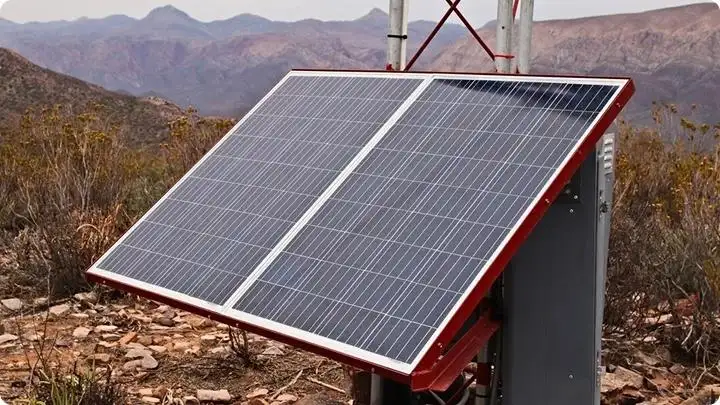
Wholesale Hybrid Inverter Supplier Evaluation Matrix
| Evaluation Area | Acceptable Evidence | Warning Sign |
| Output power | Load data and overload curve | Peak rating only |
| PV input | Voltage/current limits per MPPT | PV wattage only |
| Battery | Current limits and protocol list | "Lithium compatible" |
| AC output | Phase, neutral and earthing data | Voltage only |
| Certification | Model-specific documents | Model mismatch |
| Quality control | Batch records and traceability | No test records |
| After-sales | Logs, parts and diagnosis | Return policy only |
How JSDSolar Supports Wholesale Hybrid Inverter Projects
JSDSolar begins a Wholesale Hybrid Inverter project by reviewing the destination, AC standard, operating mode, load surge, PV module data, battery capacity and BMS protocol.
Technical support can include:
• Dual-MPPT string allocation
• PV voltage and current verification
• 48V battery-bank sizing
• LiFePO4 communication testing
• Solar and utility charging configuration
• Pure sine wave 220/230/240V output
• 50/60Hz operation
• Source-priority setup
• Protection and monitoring configuration
Before shipment, JSDSolar can verify operating parameters, battery communication, charging behavior, load performance, labels and inspection records.
Founded in 2005, JSDSolar develops solar inverters, lithium batteries and integrated solar systems. According to company-provided information, its products are used across more than 100 markets, supported by an annual inverter output of approximately 150,000 units.
Ask Technical Questions Before Comparing Prices
A successful Wholesale Hybrid Inverter purchase begins with three checks:
• Verify the operating application.
• Verify PV, battery and load compatibility.
• Verify documentation, testing and production traceability.
Planning a Wholesale Hybrid Inverter order? Contact JSDSolar to review your PV array, battery system, load profile and destination-market requirements before production.
FAQs
Q1. What information is necessary for a Wholesale Hybrid Inverter quotation?
Information required for a quotation includes the destination market, the projected quantity, AC voltage, frequency and phase, the type of continuous load and surge load, the data for PV modules and batteries, the operating/communication mode, etc.
Q2. What role does JSDSolar play in helping a buyer determine appropriate inverter capacity?
JSDSolar reviews both continuous power demand and temporary starting current. Pumps, compressors, air conditioners and motors may require substantially more starting power than their normal operating load.
Q3. Can JSDSolar confirm if a PV array is compatible with an inverter?
Yes. JSDSolar can assess PV module Voc, Vmp, operating current, string length, MPPT allocation and expect low operating temperature. The final string voltage should not be greater than the inverter's maximum allowable PV input.
Q4. Does JSDSolar support dual-MPPT solar configurations?
Certain arrangements of Wholesale Hybrid Inverter configurations use two MPPTs. JSDSolar will assist in the placement of strings based on roof orientation, shading condition, amount of modules and the voltage and current limits of the MPPTs.
Q5. Are JSDSolar hybrid inverters compatible with LiFePO4 batteries?
Some of the arrangements support RS485 with a compatible LiFePO4 battery management systems. The communication protocol, register map, firmware and charge control commands should be verified prior to production.


In This Article
- 1 Why a Wholesale Hybrid Inverter Checklist Matters
- 2 12 Questions to Ask Before Bulk Ordering
-
3
4. Can the Battery Deliver the Required Current?
- 3.1 5. Is the LiFePO4 Protocol Confirmed?
- 3.2 6. How Are Charging Currents Coordinated?
- 3.3 7. Does the AC Output Match the Market?
- 3.4 8. Is the Transfer Time Suitable?
- 3.5 9. What Protection and Thermal Controls Are Included?
- 3.6 10. What Monitoring Interfaces Are Available?
- 3.7 11. Do Certificates Cover the Delivered Version?
- 3.8 12. How Is Production Quality Controlled?
- 4 Wholesale Hybrid Inverter Supplier Evaluation Matrix
- 5 How JSDSolar Supports Wholesale Hybrid Inverter Projects
