


Solar Power System Supplier: Certification and Grid-Code Compliance by Market
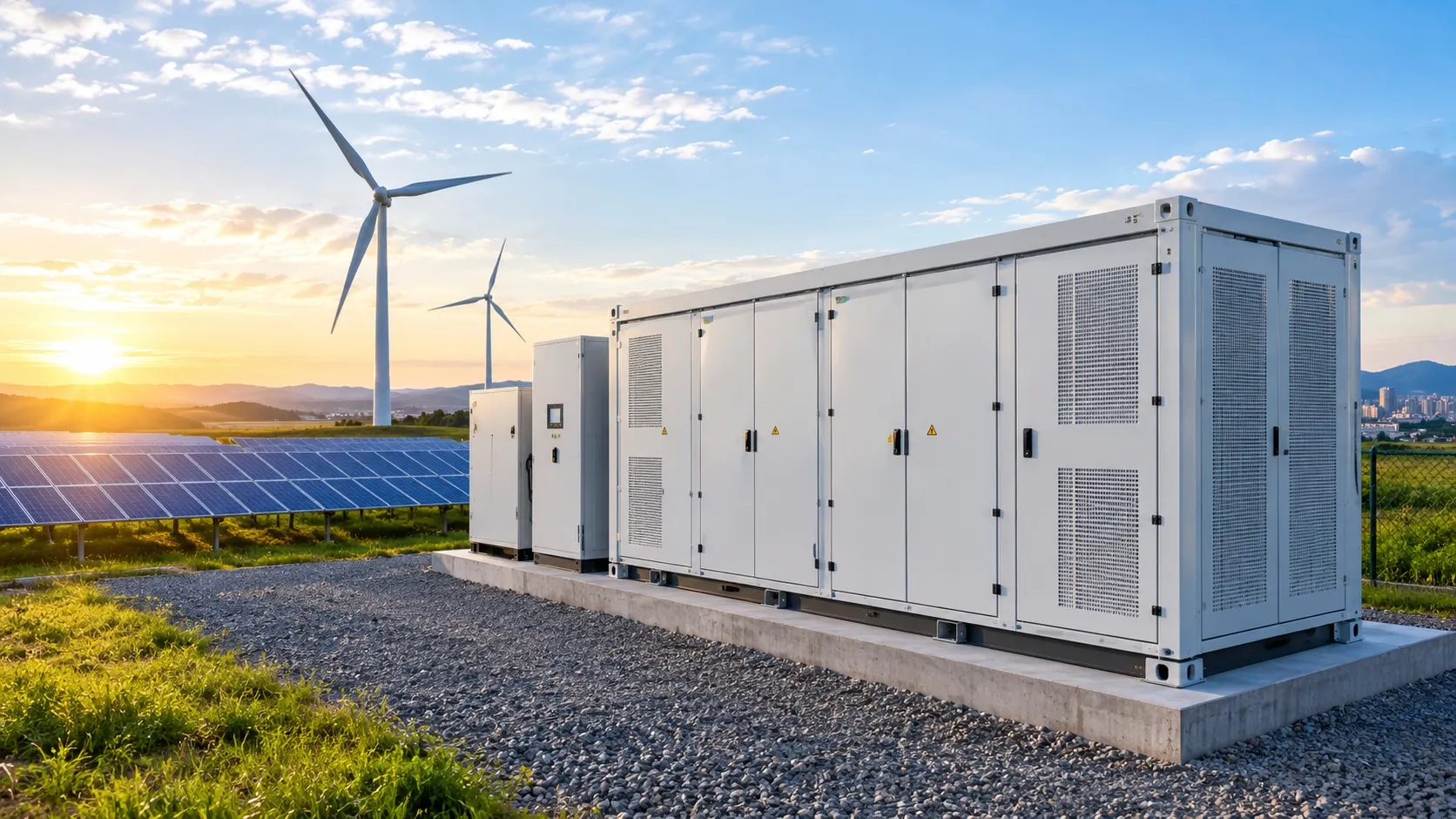
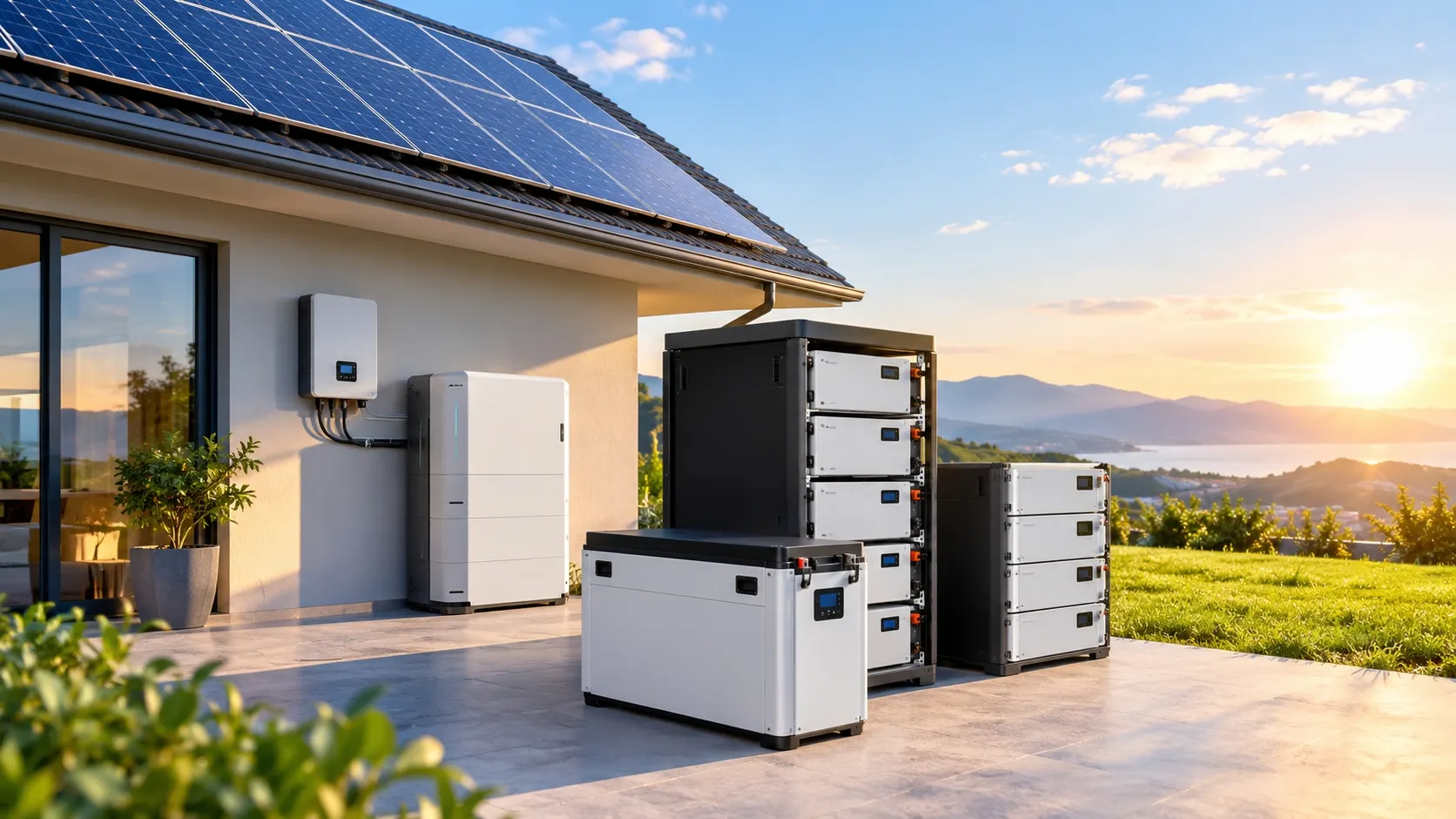

Selecting a Solar Power System Supplier for a project requires more than comparing equipment ratings. The supplier must identify the destination country, grid voltage, frequency, phase architecture, operating mode, applicable standards and connection process.
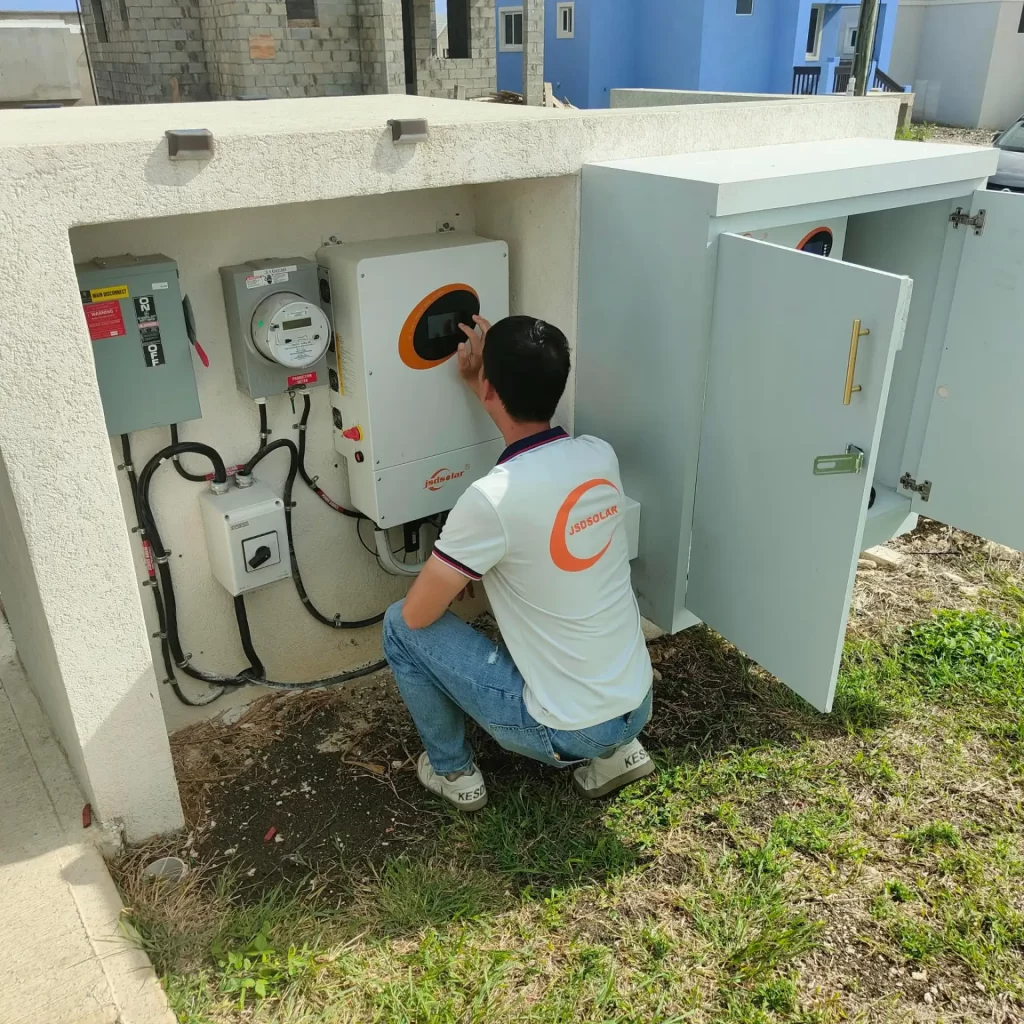
A configuration accepted in one country may be unsuitable in another. Product certification does not equal utility approval. Acceptance depends on equipment, firmware, protection settings, installation and the distribution network operator.
Why Solar Certification Is Market-Specific
"Certified solar equipment" is not universal. A PV and battery project involves:
• Product electrical and mechanical safety
• Inverter grid-interaction performance
• Battery safety and transport documentation
• Local wiring, grounding and protection rules
• Registration and utility commissioning
A professional Solar Power System Supplier should request the project location and connection type before proposing equipment.
Certification, Grid Code and Utility Approval Are Different
| Compliance Layer | What It Verifies | Typical Responsibility |
| Product safety | Shock, thermal, fire and insulation risks | Manufacturer and certification body |
| Grid-code compliance | Voltage, frequency, anti-islanding and grid support | Inverter manufacturer and designer |
| Installation compliance | Cabling, grounding, isolation and protection | EPC contractor and installer |
| Utility approval | Acceptance of equipment and connection design | Owner, installer and utility |
| Shipping compliance | Transport of lithium batteries | Supplier, forwarder and importer |
IEC 62109-1 defines general safety requirements for photovoltaic power-conversion equipment, while IEC 62109-2 covers inverter-specific safety. IEC 61727 addresses the utility interface of grid-connected PV systems. They do not replace national grid codes or utility rules.
What a Solar Power System Supplier Should Verify
1. Inverter Safety and Certificate Scope
Solar inverter certification should address electric-shock protection, insulation, thermal behavior, overload, fire risk and abnormal operation.
The certificate and datasheet should identify the exact model purchased. Changes in power rating, enclosure, firmware or regional configuration may affect coverage.
2. Grid-Interactive Performance
Depending on the market, an inverter may require:
• Anti-islanding protection
• Over/undervoltage and over/underfrequency trips
• Active and reactive power control
• Power-factor regulation
• Voltage and frequency ride-through
• Volt-Watt, Volt-VAR or Frequency-Watt modes
• Export limitation or zero-export control
• Reconnection delay and communication
A capable Solar Power System Supplier should confirm supported functions and whether the regional profile can be locked.
3. Battery and BMS Compatibility
Cell, battery-module and complete storage-system approvals are different. Buyers should verify:
• Operating voltage and current
• Permitted parallel quantity
• BMS communication protocol
• Inverter firmware compatibility
• Cable and protection-device sizing
• Expansion limits
Transport documents do not replace stationary storage safety requirements. Expanding a battery bank may change current levels, protection ratings and the approved configuration.
4. Installation and Connection Approval
A certified product can still be rejected when:
• It is absent from an approved-product list
• Certificate and delivered model numbers differ
• The wrong firmware or grid profile is installed
• Capacity exceeds a connection threshold
• Required diagrams or settings are missing
• The utility imposes additional conditions
A reliable Solar Power System Supplier should separate certification documents from final local approval.
Grid-Code Requirements by Market
| Market | Main Framework | Procurement Focus |
| Germany | VDE-AR-N 4105 and utility TAB | Protection, grid support and export limits |
| United Kingdom | G98 and G99 | Per-phase capacity and DNO procedure |
| Australia | AS/NZS 4777.2 and approved lists | Region settings and product listing |
| United States | IEEE 1547, UL 1741 and utility rules | Smart-inverter functions and local settings |
| Other markets | National and utility rules | Voltage, frequency, phase and permitted export |
Germany applies VDE-AR-N 4105 to low-voltage generation, while network operators may add Technical Connection Conditions. VDE FNN revised several low-voltage specifications effective March 2026.
In the United Kingdom, G98 covers fully type-tested micro-generators up to and including 16 A per phase; larger or more complex projects generally use G99.
Starting August 23, 2025, in Australia AS/NZS 4777.2:2020 Amendment 2:2024 has been implemented. Region-based settings and listing requirements for grid-connected inverters now apply.
In the U.S., IEEE 1547 establishes interconnection and interoperability requirements for distributed energy resources. While the testing of grid support and inverters is currently defined in UL 1741, state and utility requirements affect acceptance the most.
Standards, amendments and approved-product lists change. Confirm the current edition, accepted certification body and utility requirements before ordering.
Why One Inverter Configuration Cannot Serve Every Market
As a Global Solar Power System Supplier, one must consider:
• The architecture of electrical systems: 230 V single phase, 120/240 V split phase or 230/400 V three phase.
• Frequency: Regional variations require alternate configurations of 50 Hz and 60 Hz.
• Protection: Trip thresholds and time delays for reconnect are configuration variables.
• Support of the grid: Different requirements for reactive power and ride-through.
• Export control: Full export, limited export and zero export require different types of control.
• Operational environment: Effects of temperature, dust, salt, wind, and even how much of a barrier a system must be from its environment will influence the choice of a particular inverter.
Identical hardware does not guarantee identical compliance. Firmware, CT orientation, smart-meter compatibility and grid profiles can determine whether protection and export control operate correctly.
How JSDSolar Supports Market-Oriented Configuration
As a complete Solar Power System Supplier, JSDSolar reviews the destination market, application and electrical architecture before confirming a system. Technical planning can cover:
• AC voltage, frequency and phase structure
• Grid-connected, hybrid or off-grid operation
• Critical-load and backup demand
• Solar-array and MPPT string design
• Inverter and battery-capacity matching
• 48 V or 51.2 V-class battery architecture
• BMS communication and current limits
• Export control and monitoring
JSDSolar coordinates panels, hybrid inverters, wall-mounted or floor-standing lithium batteries, distribution boxes, PV cables, mounting structures and Wi-Fi monitoring. This helps reduce mismatches between array voltage, inverter limits, battery communication, conductor size and protective devices.
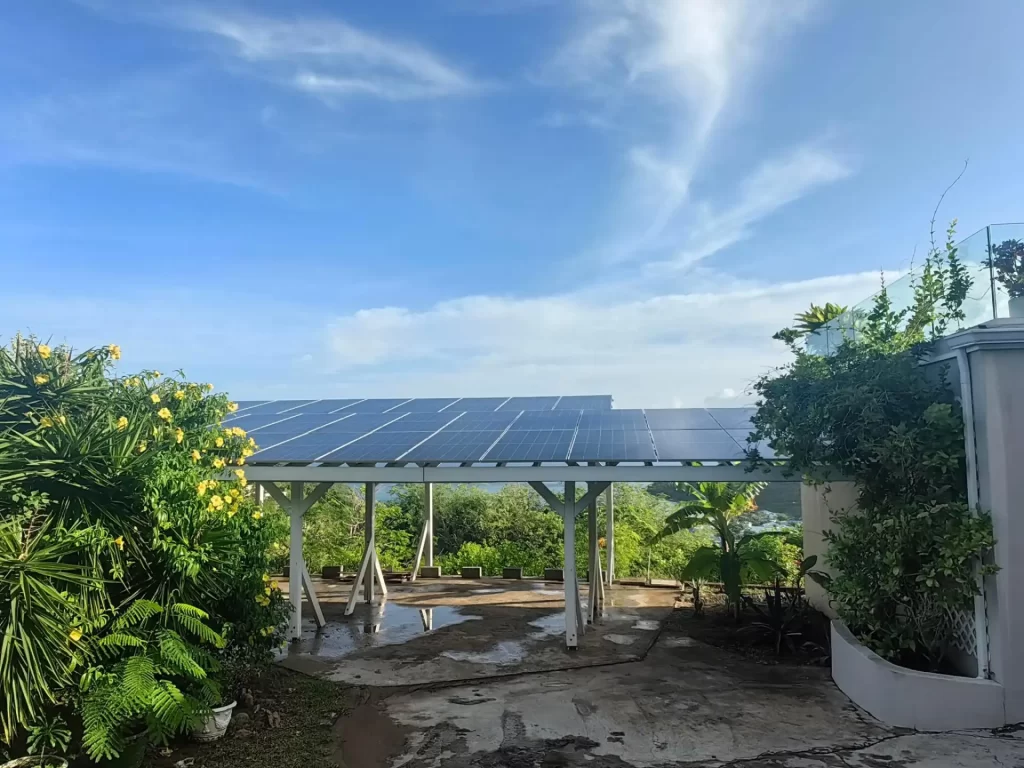
For demanding environments, equipment and mounting structures can be evaluated for temperature, corrosion, roof condition and wind load, subject to local structural verification.
Pre-sales support may include specifications, load calculations, string design, single-line diagrams, BMS compatibility information, protection recommendations and available certification documents. Final acceptance remains subject to the selected configuration, local regulations, licensed installers and responsible utility.
JSDSolar Engineering Background
Founded in 2005 and headquartered in Shenzhen, JSDSolar operates more than 6,000 m² of facilities. Its portfolio includes all-in-one systems, stackable storage systems, lithium batteries, and residential and commercial inverters.
JSDSolar's annual inverter capacity is about 150,000 units, applications in 100-plus markets, over 100,000 solar home system cases, a 30-plus-member R&D team and more than 50 product-related patents. This experience supports system architecture review without replacing market-specific approval.
Confirm Compliance Before Ordering
A dependable Solar Power System Supplier should confirm the market before finalizing hardware. Buyers should require certificates, firmware information and drawings matching the ordered configuration.
Planning a residential, farm or commercial project? Share the destination country, grid voltage, phase type, load profile and backup requirement with JSDSolar. As an experienced Solar Power System Supplier, its engineering team can review solar capacity, battery storage, inverter architecture and available compliance documentation before the system is confirmed.
FAQs
Q1. How does JSDSolar tailor solar PV systems to different markets?
To avoid installing incompatible inverters, batteries, or electrical settings, JSDSolar reviews the destination country, grid voltage, frequency, phase structure, and operating mode with backup requirements before finalizing a system configuration.
Q2. Is the inverter configuration the same for each country?
No. Inverters may have different configurations based on the local voltage, frequency, phase structure, grid code, and export control. JSDSolar determines whether a project can support single-phase, three-phase, or split-phase operation.
Q3. Can JSDSolar issue an approval for grid connection?
In general, there is no manufacturer that can provide such approval. JSDSolar would be able to provide relevant supporting documents, but ultimately this approval would be determined by the local regulations and the utility company.
Q4. Can JSDSolar provide any compliance documents?
JSDSolar can provide battery data, system level diagrams, installation instructions, BMS integration data, and system configuration documents. Appropriate documents are to be confirmed for the destination market and system model.
Q5. How does JSDSolar pair an inverter with battery system?
JSDSolar inspects the battery voltage, battery management system, charging and discharging currents, peak loads, and duration of back up. JSDSolar also accounts for battery capacity constraints when designing a flexible battery system.


In This Article
- 1 Why Solar Certification Is Market-Specific
- 2 Certification, Grid Code and Utility Approval Are Different
- 3 What a Solar Power System Supplier Should Verify
- 4 Grid-Code Requirements by Market
- 5 Why One Inverter Configuration Cannot Serve Every Market
- 6 How JSDSolar Supports Market-Oriented Configuration
- 7 JSDSolar Engineering Background
