


commercial solar supplier for installers
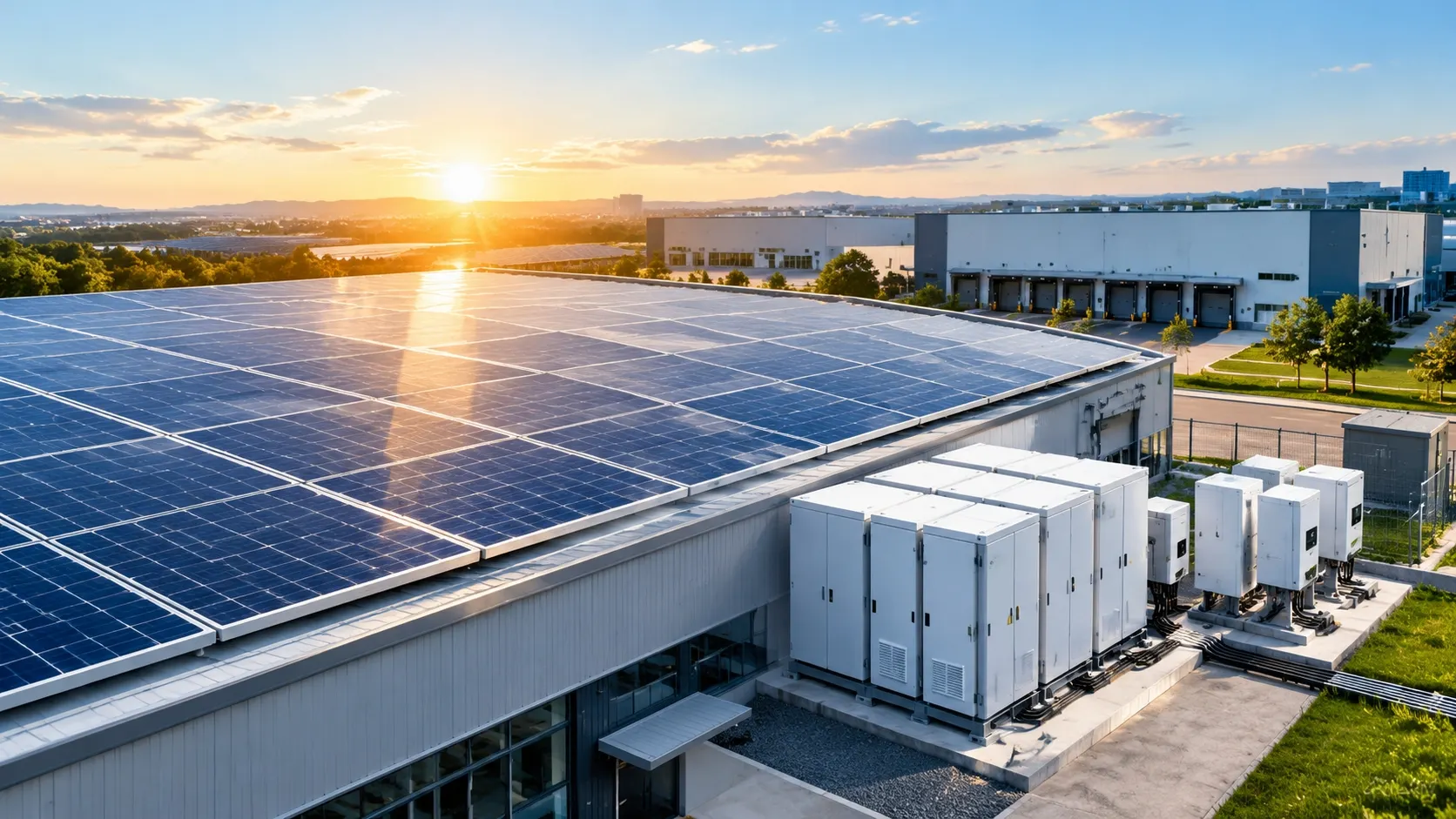
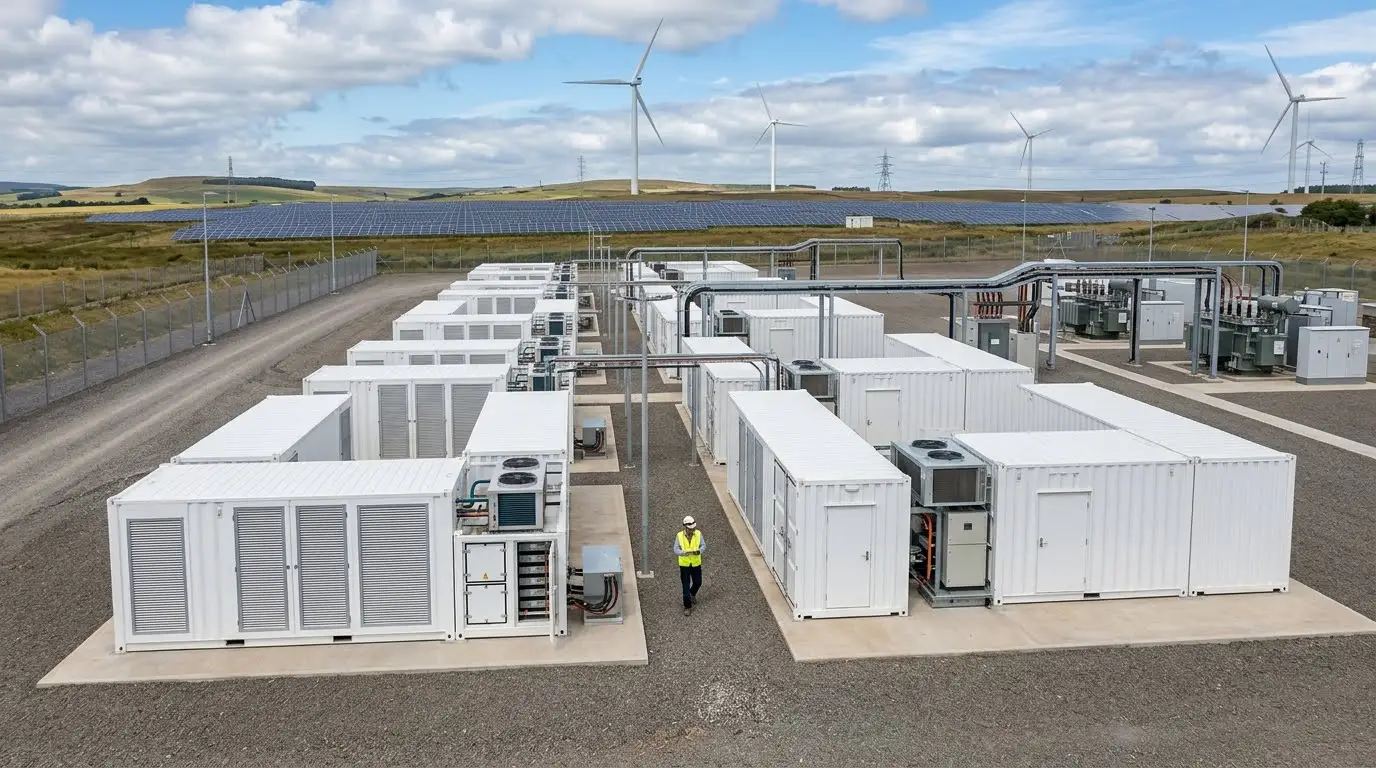
There are plenty of opportunities for solar installation companies, electrical contractors, EPC companies, and renewable energy project developers in the commercial solar market. With the increasing adoption of solar energy by businesses to cut electricity expenses and enhance energy resilience, installers are seeking access to dependable equipment suppliers for projects, spanning from planning to completion.
When selecting a commercial solar supplier for installers, it isn't only about the price. Project cost, installation efficiency and customer satisfaction are all affected by product quality, inventory availability, technical support, system compatibility and reliable delivery.
Regardless of whether you are installing rooftop solar systems, ground-mounted arrays, commercial battery storage or hybrid solar solutions, partnering with an experienced supplier can help your business expand and mitigate risks.
This guide will outline what commercial solar installers should be seeking in a supplier and how to create a fruitful, long-term partnership.
1. What Is a Commercial Solar Supplier for Installers?
Commercial solar supplier is a company that supplies the equipment and services necessary to design, construct and maintain solar energy systems for commercial and industrial users.
Commercial solar suppliers tend to service larger commercial solar projects with more complicated electrical requirements, greater power needs and shorter project deadlines compared to those specializing in residential projects.
Typical products include:
-
Solar panels: Monocrystalline photovoltaic modules for commercial rooftops and ground-mounted projects.
-
Solar inverters: String inverters, three-phase inverters, and other solutions suitable for commercial power systems.
-
Battery energy storage systems: Batteries that store excess solar electricity for later use.
-
Hybrid inverters: Equipment that integrates solar generation, battery storage, and grid power.
-
Mounting systems: Rails, brackets, clamps, and structural components for different installation environments.
-
Electrical accessories: Cables, connectors, protection devices, and monitoring equipment.
Some suppliers can also provide system design support, product procurement, logistics coordination, technical support, etc.
Ideal suppliers for installers are those who have a solid grasp of the requirements for commercial projects and can offer a solution that goes beyond just selling parts.
2. Why Choosing the Right Supplier Matters
Commercial solar systems are very expensive due to the size and scope of the project, equipment, engineering, and labor. Supply issues or issues regarding parts compatibility can cause delays and add cost.
A reliable supplier can assist installers with a number of typical problems.
Improve Project Cost Control
Competitive equipment pricing can help boost project margins especially if installers are buying equipment for more than one project.
But lowest purchase price doesn't necessarily equal lowest total cost. Shipping costs, limited warranties, replacement costs and unexpected delays must also be taken into account.
Ask for a detailed quote that includes your product specifications, quantities, shipping costs, warranty and any services you may need.
Reduce Installation Delays
Commercial projects typically have to work to a tight schedule. If solar panels, inverters or electrical components are delayed, it can delay the commissioning process and impact on customer expectations.
Installers can plan their manpower hours and coordinate other contractors when they have a dependable supplier that has good inventory control and realistic delivery schedules.
Ensure that stock is in place, delivery times, shipping options and guidelines for backorders are confirmed prior to ordering.
Support Consistent Product Quality
A reliable piece of equipment can minimize installation problems and unexpected maintenance needs.
Installers should check product documentation, certifications for the installation market, manufacturer reputation and warranty coverage before they make a decision to go with any particular supplier.
For installers who are involved in several commercial projects at various locations, quality is a major concern.
3. Evaluate Product Range and System Compatibility
A good commercial solar supplier must have equipment designed for the applications your company makes use of.
Thus, an installation on the roof of a warehouse can be different from a factory that consumes lots of power during the day or a company that wants a battery backup.
As you're assessing suppliers, ask them if they can offer the following solutions.
Commercial Rooftop Solar
Rooftop systems require suitable mounting equipment, reliable photovoltaic modules, and inverters that match the system design. Roof type, structural capacity, wind loads, and local building requirements must also be considered.
Industrial Solar Power Systems
Industrial facilities may have larger electricity demands, complex load profiles, and specialized electrical infrastructure. Suppliers should provide appropriate equipment specifications and technical documentation for system designers.
Commercial Solar and Battery Storage
Battery storage can help businesses manage energy consumption, support backup strategies, and use more of the electricity generated by their solar systems.
Installers should confirm battery chemistry, usable capacity, power output, inverter compatibility, communication protocols, and applicable safety certifications.
Hybrid Solar Solutions
Hybrid systems combine solar generation with battery storage and grid electricity. Selecting compatible components is essential for reliable operation, monitoring, and commissioning.
A supplier that understands these applications can help installers source suitable products and reduce the risk of mismatched equipment.
4. Check Certifications, Warranty, and Technical Documentation
Commercial solar installers must ensure that selected products meet applicable electrical, structural, fire, and safety requirements.
Requirements vary by country, state, utility, and project type. In the United States, for example, installers may need to consider relevant UL standards, National Electrical Code requirements, local permitting rules, and utility interconnection requirements.
Ask potential suppliers for:
-
Product datasheets and installation manuals.
-
Applicable safety and performance certifications.
-
Manufacturer warranty documents.
-
Inverter and battery compatibility information.
-
Testing reports and product traceability information, where applicable.
-
Technical support contacts and warranty claim procedures.
Do not assume that every product offered by a supplier is approved for every market. Verify that the specific model meets the requirements of the project location.
Warranty terms also deserve careful attention. Check the coverage period, exclusions, authorized claim process, replacement arrangements, and whether labor or transportation costs are included.
A supplier that provides clear documentation makes it easier for installers to prepare project submissions and respond to customer questions.
5. Compare Pricing, Minimum Orders, and Payment Terms
Commercial installers need predictable purchasing costs to prepare accurate customer quotations and maintain healthy margins.
When comparing commercial solar suppliers, evaluate more than the unit price.
Important purchasing factors include:
-
Wholesale pricing and volume discounts.
-
Minimum order quantities.
-
Availability of mixed-product orders.
-
Shipping and handling costs.
-
Payment schedules and deposit requirements.
-
Currency and price validity periods.
-
Return policies and defective-product procedures.
-
Long-term availability of replacement components.
For smaller installers, flexible order quantities may be particularly valuable. Larger EPC contractors may prioritize bulk pricing, project-based quotations, and coordinated deliveries.
Ask suppliers to provide a written quotation with clear product models and specifications. This makes it easier to compare equivalent equipment instead of choosing products based on price alone.
For large projects, confirm how the supplier handles price changes between quotation and delivery.
6. Assess Inventory, Shipping, and Delivery Reliability
Logistics can significantly affect commercial solar project schedules, particularly when equipment must be delivered to a construction site in a specific sequence.
A capable supplier should provide realistic lead times and communicate changes promptly.
Before ordering, ask:
-
Are the required products currently in stock?
-
Can the supplier reserve inventory for your project?
-
What are the expected production and shipping lead times?
-
Can deliveries be divided into multiple shipments?
-
How are damaged or missing items handled?
-
Is shipment tracking available?
Installers sourcing equipment internationally should also evaluate customs documentation, import duties, shipping insurance, packaging quality, and responsibility for transportation-related risks.
For large commercial installations, coordinated deliveries can reduce storage requirements and help keep installation teams working efficiently.
7. Look for Technical Support That Helps Installers Succeed
Technical support is a major factor when selecting a commercial solar supplier for installers.
Even experienced installation companies encounter questions about inverter configuration, battery integration, monitoring systems, and commissioning procedures.
A responsive supplier should help customers access accurate product information and connect with qualified technical personnel when necessary.
Useful support services may include:
-
Product selection and specification guidance.
-
System compatibility checks.
-
Wiring diagrams and installation manuals.
-
Troubleshooting assistance.
-
Remote commissioning support, where available.
-
Warranty and replacement coordination.
Installers should also establish clear communication channels before purchasing. Find out who handles technical questions, how quickly the supplier typically responds, and whether support is available during your normal working hours.
For complex commercial systems, confirm that engineering and design responsibilities are clearly defined. Supplier assistance does not replace the installer's responsibility to comply with local codes and complete appropriate engineering reviews.
8. Consider Battery Storage and Energy Management Opportunities
Energy storage is increasingly being considered as part of PV generation for commercial solar power customers.
Businesses may wish to lower their peak electricity use, increase energy flexibility, or operate certain loads during an outage. The applications are suitable and cost-effective in relation to the local electricity tariff, the rules the utility applies, load profiles and system design.
Installers can offer additional services by working with the solar inverter manufacturer who also supplies compatible battery systems, monitoring devices, and energy management solutions.
Consider usable battery capacity, continuous and peak power ratings, round-trip efficiency, operating temperature, cycle-life conditions, safety, and warranty restrictions when evaluating storage products.
Check if equipment is applicable to the desired mode of operation. The grid-connected, backup and off-grid capabilities are not the same.
A supplier with a proven product portfolio can assist installers in assessing solutions for offices, warehouses, retail buildings, agricultural facilities and manufacturing sites.
9. Build a Long-Term Supplier Relationship
The best supplier relationship extends beyond a single purchase.
As your installation business grows, a reliable commercial solar supplier can help you standardize equipment, improve procurement planning, and respond to new customer requirements.
Consider evaluating suppliers through a small initial order or pilot project before committing to a larger purchasing agreement.
Track practical performance indicators such as:
-
On-time delivery rate.
-
Product defect and return rates.
-
Quotation response time.
-
Technical support responsiveness.
-
Accuracy of order fulfillment.
-
Warranty claim resolution time.
Regular reviews can reveal whether a supplier consistently meets your expectations.
It is also wise to maintain alternative sourcing options for critical components. Depending entirely on one supplier may create unnecessary risk if inventory shortages, shipping disruptions, or product discontinuations occur.
10. Questions to Ask Before Selecting a Commercial Solar Supplier
Before signing a supply agreement, ask potential partners several direct questions:
Product availability: Can you supply the required models and quantities within our project schedule?
Product compliance: Can you provide current documentation for the markets where we install systems?
Pricing: Do you offer installer pricing, volume discounts, or project-based quotations?
Technical support: Who will assist with compatibility questions and commissioning issues?
Warranty: How are defective products replaced, and what costs are covered?
Logistics: Can you coordinate deliveries directly to commercial project sites?
Business continuity: Can you support repeat orders and provide advance notice of product changes?
Clear answers help you compare suppliers on measurable criteria rather than marketing promises.
Conclusion
Selecting the right commercial solar supplier for installers is a crucial factor in developing a lucrative and sustainable solar installation company.
The best supplier relationships include these features: competitive pricing, reliable availability, matching equipment, accurate product records, quick availability of technical service and clear warranty policies.
Installers can mitigate procurement risk, optimize project coordination and ensure greater project uniformity for commercial customers by assessing these factors before ordering.
If your company is focused on commercial rooftop solar, industrial PV or solar-plus-storage, look for suppliers who grasp your technical needs and can help you expand your business.
Choosing the right supply partner can help your installation company work better, build trust with customers and become more competitive in a growing commercial solar market.
Share on Social:


- NEXT: Commercial Solar System Integrator Supplier Guide
- NEXT: Null
In This Article
- 1 1. What Is a Commercial Solar Supplier for Installers?
- 2 2. Why Choosing the Right Supplier Matters
- 3 3. Evaluate Product Range and System Compatibility
- 4 4. Check Certifications, Warranty, and Technical Documentation
- 5 5. Compare Pricing, Minimum Orders, and Payment Terms
- 6 6. Assess Inventory, Shipping, and Delivery Reliability
- 7 7. Look for Technical Support That Helps Installers Succeed
- 8 8. Consider Battery Storage and Energy Management Opportunities
- 9 9. Build a Long-Term Supplier Relationship
- 10 10. Questions to Ask Before Selecting a Commercial Solar Supplier
- 11 Conclusion
