


Commercial Solar System Integrator Supplier Guide
Commercial solar power is an appealing opportunity for businesses that are seeing their electricity bills rise, sustainability demands grow, and a need for dependable energy. Solar energy is being investigated by businesses in a variety of ways: from factories and warehouses to office buildings, shopping malls, and farms.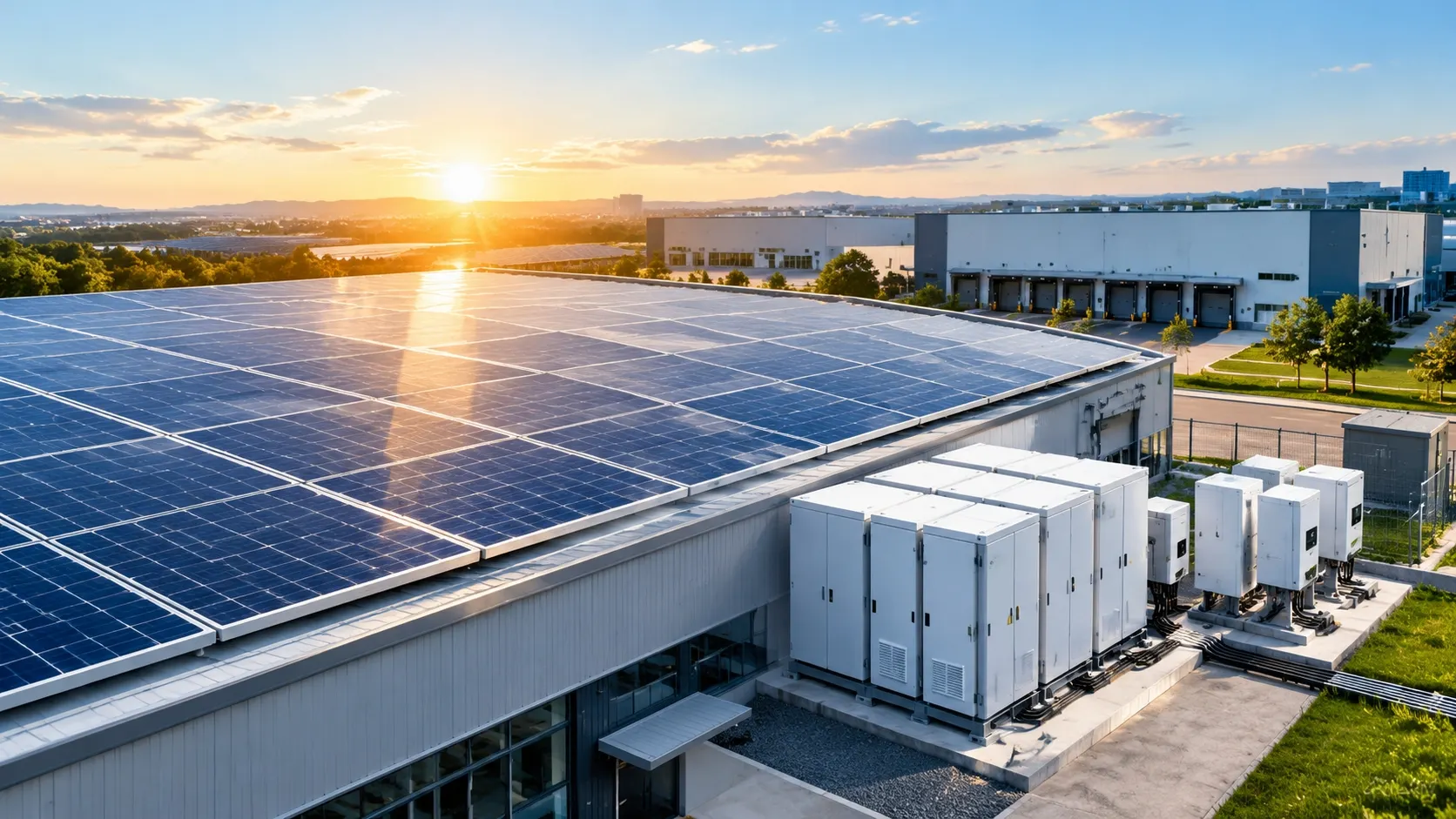
But, with a commercial solar system installation, there is more to it than just buying solar panels. The key points that businesses need to consider are energy consumption, choosing the appropriate equipment, system efficiency, installation, and long-term performance. This is where a commercial solar system integrator supplier is crucial.
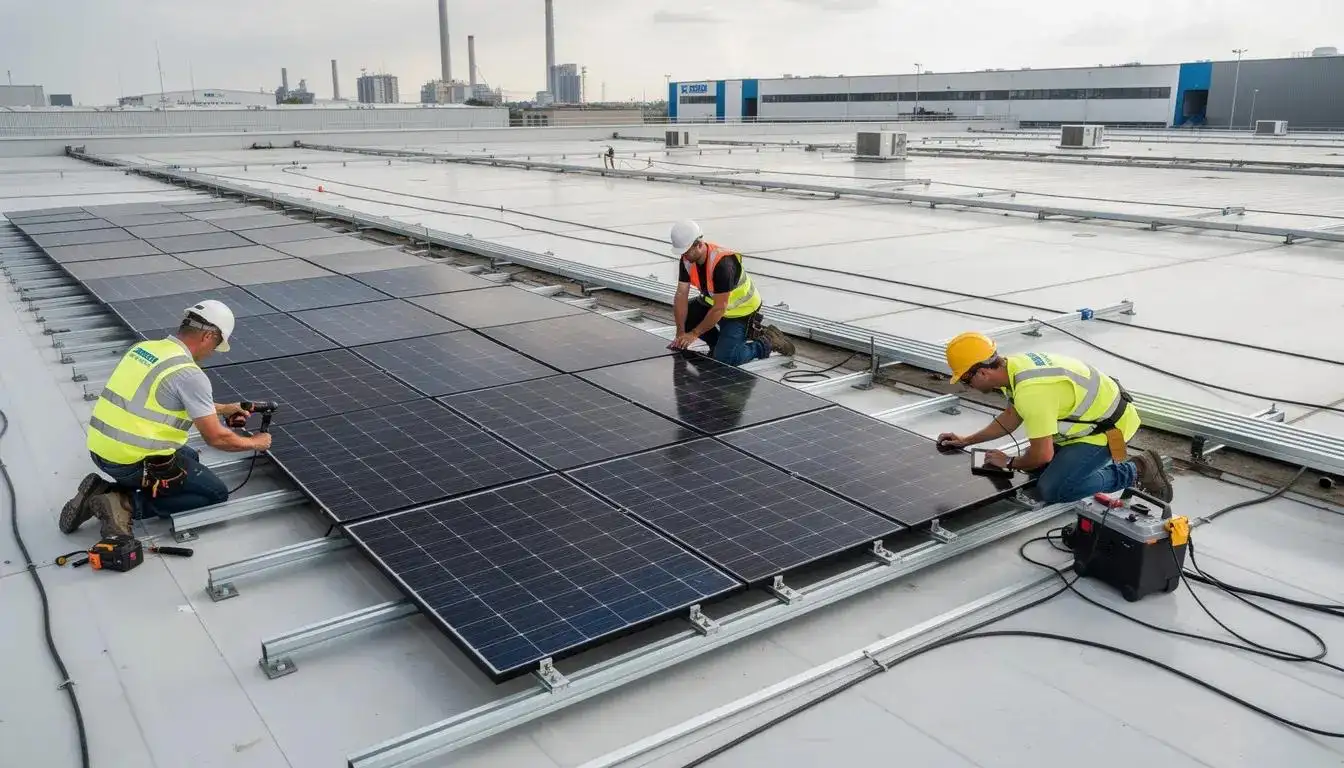
Businesses can rely on a professional supplier and system integrator to handle the installation of solar panels, inverters, battery storage, monitoring systems, and the electrical infrastructure, ensuring a seamless and integrated energy system. Knowing how these providers operate can help commercial customers choose the right provider and maximize the profitability of their solar investment.
What Is a Commercial Solar System Integrator Supplier?
Commercial Solar System Integrator Supplies is the supplier which comes with the equipment and integration solutions for solar energy projects that are targeted for commercial and industrial applications.
A system integrator is a vendor who works on the interaction of various components, as opposed to a vendor who sells them separately. The company can offer system design, equipment sourcing, technical consultation, installation coordination, commissioning support and maintenance services based on its capabilities.
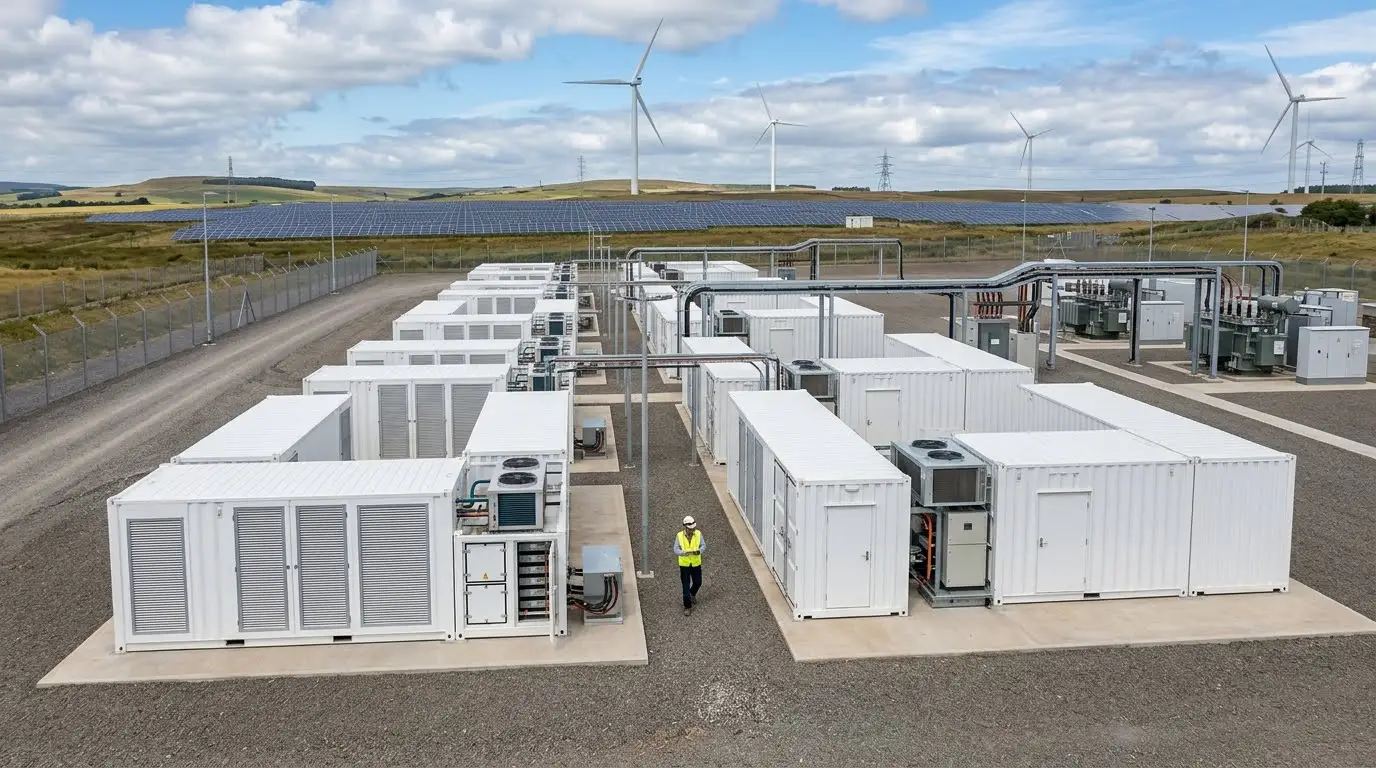
Common components of a commercial solar energy system can consist of:
-
Solar panels: Convert sunlight into direct-current electricity.
-
Solar inverters: Convert DC electricity into AC electricity used by commercial equipment.
-
Battery energy storage systems: Store electricity for later use or support selected backup applications.
-
Energy management systems: Monitor energy production, consumption, and storage.
-
Electrical protection equipment: Help maintain safe and reliable system operation.
-
Monitoring platforms: Track system performance and identify potential faults.
By integrating these components, a qualified supplier helps businesses develop solar installations that match their energy requirements, available space, operational schedules, and budget.
Why Businesses Need a Commercial Solar System Integrator
Commercial solar projects are often more complex than residential installations. They may involve large roof areas, multiple electrical distribution systems, variable energy loads, demanding operating schedules, and specific safety requirements.
Working with an experienced integrator can simplify project management and reduce compatibility risks.
1. Customized Solar System Design
Each commercial facility has a unique energy need. The configuration of a system for a manufacturing plant that uses the electric utility constantly could differ from that of an office building that uses the electric utility mostly during the day.
A commercial solar system integrator conducts an energy audit of past electric bills, load profiles, roof characteristics, shading, electrical infrastructure, and future growth.
With this information, the integrator can suggest an appropriate system capacity, inverter configuration, battery size, and monitoring solution for this site.
Customized design prevents the design of a system that is too small and does not satisfy the needs of the business, or a system that is too large and has unnecessary initial costs.
2. Equipment Compatibility and Integration
A commercial solar installation will usually use products from various manufacturers. Efficiency can be hindered, and maintenance can be made difficult by incompatible equipment, communication barriers or inadequate control coordination.
The ability to match solar modules, inverters, batteries, protection devices and energy management systems is assessed by a qualified supplier.
In addition to projects that include battery storage, integrators should check charge and discharge specifications, system voltage, communication protocols, and mode of operation.
The intent is not to simply put together a list of solar products but to build a unified system.
3. Simplified Procurement
There will be a need for large amounts of equipment and components for a commercial solar project. Managing various suppliers may lead to more administrative work, longer lead times and delivery schedule uncertainty.
A commercial solar system integrator supplier can bring them together in a central procurement, if their product is extensive enough and has a broad distribution network.
Coordinated technical documentation, more detailed equipment specifications, and a more streamlined delivery procedure can be advantageous to businesses. Buyers should also check on availability, warranty, shipping, and liability for defective parts.
Key Applications of Commercial Solar Systems
Commercial solar energy can support a wide range of business operations.
Manufacturing Plants and Industrial Facilities
Manufacturing facilities often consume substantial amounts of electricity through machinery, production lines, ventilation, compressed air systems, and other industrial equipment.
Rooftop or ground-mounted solar installations can offset a portion of daytime electricity consumption. Battery storage may provide additional flexibility when energy demand extends beyond solar production hours.
For industrial projects, system integration should consider motor starting currents, power quality, demand peaks, electrical protection, and production continuity.
Warehouses and Distribution Centers
Warehouses frequently have extensive roof areas that may be suitable for solar panels. Their electricity consumption can include lighting, conveyor systems, refrigeration, automation equipment, and electric vehicle charging.
A commercial solar system integrator can evaluate roof capacity, structural limitations, fire access requirements, and the relationship between solar generation and daily operations.
Office Buildings and Commercial Properties
Office buildings, retail centers, hotels, and commercial complexes can use solar electricity to reduce grid consumption and improve energy performance.
Integrators may incorporate smart monitoring, building energy management systems, and battery storage to coordinate electricity use with solar generation.
Agriculture and Cold Storage
Agricultural facilities may use solar power for irrigation, ventilation, water pumping, refrigeration, and processing equipment.
For cold storage facilities, maintaining reliable power is particularly important. Solar and battery systems should therefore be designed around the facility's actual load profile and backup requirements, rather than relying on estimated daily consumption alone.
How to Choose the Right Commercial Solar System Integrator Supplier
Selecting the right supplier is one of the most important decisions in a commercial solar project. Businesses should evaluate several factors before committing to a provider.
1. Review Technical Experience
Look for a supplier with experience in projects similar to yours. Industrial facilities, commercial rooftops, battery-integrated systems, and off-grid applications have different design requirements.
Ask for relevant project references, technical case studies, and examples of completed installations. Confirm which services the company performs directly and which are handled by subcontractors or third-party installers.
2. Evaluate Product Quality and Certifications
Solar panels, inverters, batteries, and electrical equipment should meet the standards and regulatory requirements applicable to the project location.
Ask for product datasheets, warranty documentation, applicable safety certifications, and evidence of compliance with local electrical and building codes.
For battery storage, review safety protections, thermal management, installation requirements, and the manufacturer's service arrangements.
Certifications should be verified for the exact product model and target market rather than assumed to apply to an entire product category.
3. Compare System-Level Costs
The lowest equipment quotation does not necessarily represent the lowest total project cost.
Businesses should evaluate the full installed cost, including equipment, engineering, mounting structures, electrical work, permitting, grid interconnection, commissioning, and maintenance.
Where battery storage is included, consider its usable capacity, efficiency, expected operating conditions, and replacement requirements.
A reliable supplier should explain its assumptions and help buyers understand expected energy production, potential savings, and project payback without guaranteeing unrealistic financial returns.
4. Confirm After-Sales Support
Commercial solar systems are long-term assets. Monitoring, troubleshooting, warranty coordination, and replacement components can influence overall system performance.
Ask whether the supplier provides remote diagnostics, maintenance recommendations, spare parts, and technical support throughout the expected service life of the system.
It is also important to establish who will respond if an inverter fails, a battery reports an alarm, or system production falls below expectations.
5. Check Local Installation and Compliance Capabilities
An equipment supplier can have great equipment, but no one with the expertise needed to finish installing in your area.
Acknowledge project team awareness of the permitting, electrical, utility interconnection, structural assessments, and applicable fire safety requirements in the area.
Requirements may differ across jurisdictions and utilities for projects in the United States. Approved local engineering and installation team available to assist with co-ordinating approvals.
The Role of Battery Storage in Commercial Solar Integration
Battery energy storage is increasingly considered alongside commercial solar installations. It can help businesses use more of their solar generation, manage selected demand peaks, and shift electricity consumption to different periods.
For example, a warehouse may generate excess solar electricity during midday and use stored energy later in the afternoon. A facility with time-of-use electricity rates may also evaluate whether battery dispatch can reduce certain energy costs.
However, the financial value of storage depends on electricity tariffs, demand charges, battery efficiency, operating schedules, installed costs, and applicable incentives.
Businesses should also distinguish between grid-connected energy storage and backup power. Not every solar-plus-battery system can operate during a grid outage. Backup operation may require compatible inverters, appropriate controls, isolation equipment, and a specifically designed critical-load configuration.
A capable commercial solar system integrator supplier should explain these limitations before the project begins.
Commercial Solar Trends: Smart Monitoring and Energy Management
Modern commercial solar systems increasingly use digital monitoring and energy management technologies to improve visibility and operational control.
These systems can track solar generation, grid imports, battery status, and electricity consumption. Advanced platforms may identify abnormal performance, provide alerts, and coordinate energy storage with facility demand.
For businesses with multiple buildings or production sites, centralized monitoring can simplify performance comparisons and maintenance planning.
Integration with building management systems, electric vehicle charging, or other energy assets may provide additional value when supported by compatible hardware and software.
When evaluating these capabilities, buyers should ask about data access, communication compatibility, cybersecurity practices, software fees, and the long-term availability of technical support.
Questions to Ask Before Signing a Supplier Agreement
Before selecting a commercial solar system integrator, businesses should ask:
-
Can you design a system based on our actual electricity consumption data?
-
Which solar panels, inverters, batteries, and monitoring systems do you supply?
-
Can you provide references for comparable commercial or industrial projects?
-
Who is responsible for engineering, installation, commissioning, and permitting?
-
What warranties apply to the equipment and installation work?
-
How will the system perform during grid outages?
-
What monitoring and after-sales support are available?
-
What assumptions support your energy savings and payback estimates?
-
Are the products compliant with our local regulations and utility requirements?
-
Can the system be expanded if our energy demand increases?
Clear answers to these questions can help businesses compare suppliers on technical capability, service quality, and long-term value instead of focusing exclusively on initial price.
Conclusion
A suitable commercial solar system integrator supplier can assist businesses harness solar energy into a dependable coordinated energy system. By partnering with the right company, this process can be streamlined, and their expertise can help in simplifying project execution, from the design stage to ensuring the parts are compatible, through to the integration of batteries and the subsequent monitoring and reporting.
Before deciding, consider experience in technology, quality of products, overall project cost, compliance in the local area and after-sales service. Most importantly, make sure that the proposed system is adapted to the actual electricity usage and operation needs of your facility.
A seamless approach to solar energy can provide a viable pathway to reduce grid electricity and enhance energy management for commercial and industrial customers, enabling them to better control long-term energy expenses.
From rooftop solar projects to retrofitting an industrial facility to solar generation to integrating solar generation with battery storage, a crucial part of every project is working with a qualified commercial solar system integrator supplier.
Share on Social:


- NEXT: Commercial Battery Energy Storage System: Benefits & Guide
- NEXT: Null
In This Article
- 1 What Is a Commercial Solar System Integrator Supplier?
- 2 Why Businesses Need a Commercial Solar System Integrator
- 3 Key Applications of Commercial Solar Systems
- 4 How to Choose the Right Commercial Solar System Integrator Supplier
- 5 The Role of Battery Storage in Commercial Solar Integration
- 6 Commercial Solar Trends: Smart Monitoring and Energy Management
- 7 Questions to Ask Before Signing a Supplier Agreement
- 8 Conclusion
