


Commercial Roof Mounted Solar Panels: Benefits & Costs
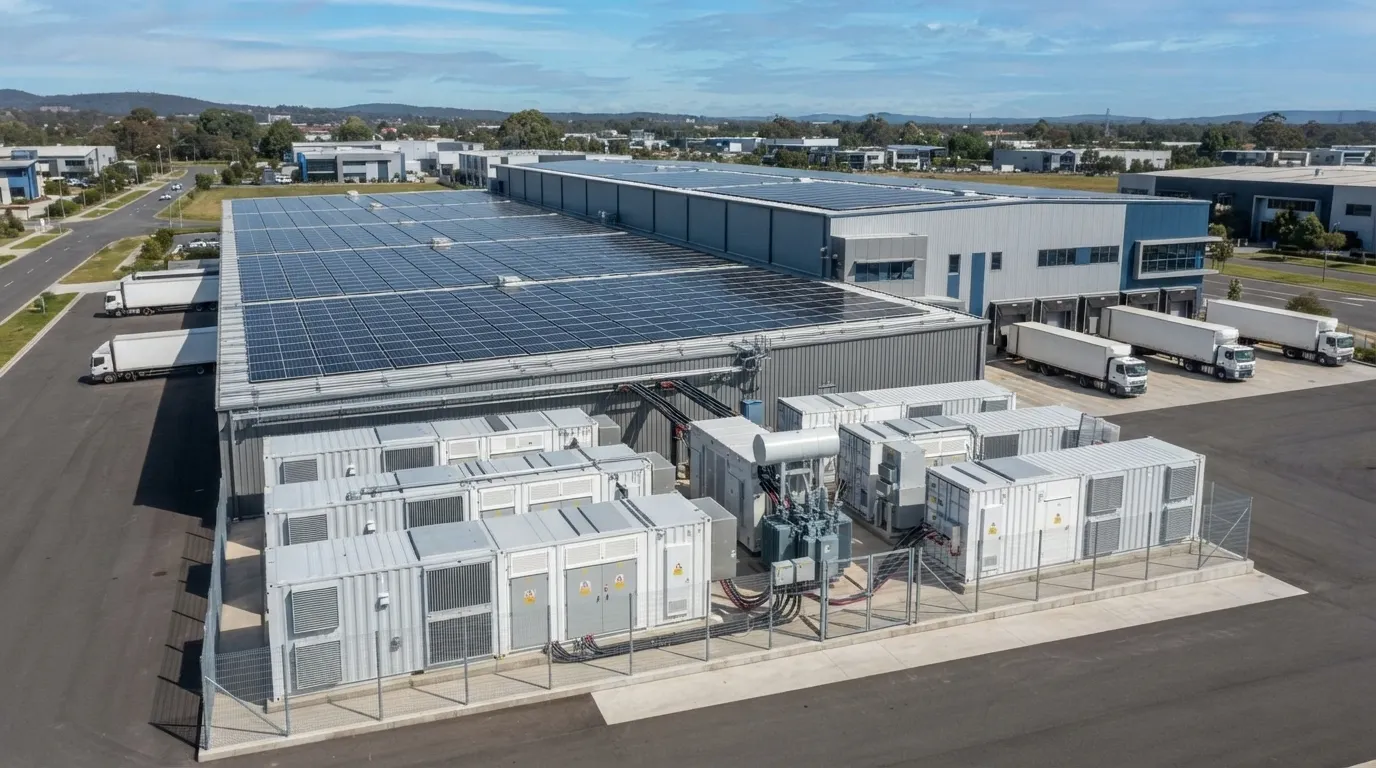
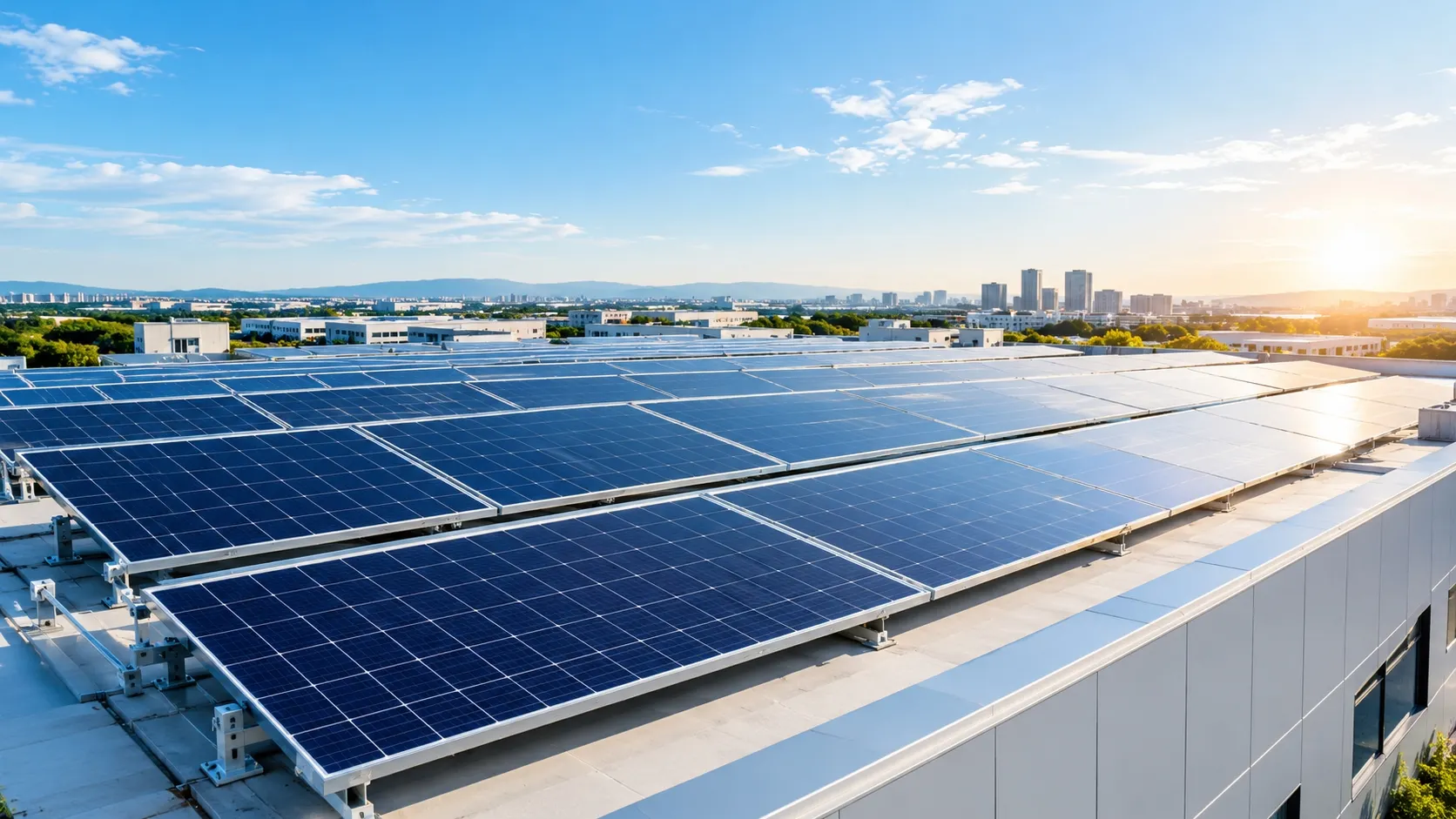
Businesses can benefit from the cost savings, energy efficiency, and sustainability benefits of solar panels installed on their commercial roofs. PV systems placed on the existing commercial building roof allow for the production of renewable energy without the need for extra land. The rooftop solar application is well suited for the warehouse, factory, shopping center, office buildings and logistics centers as they have a large area of the roof and daytime energy demand.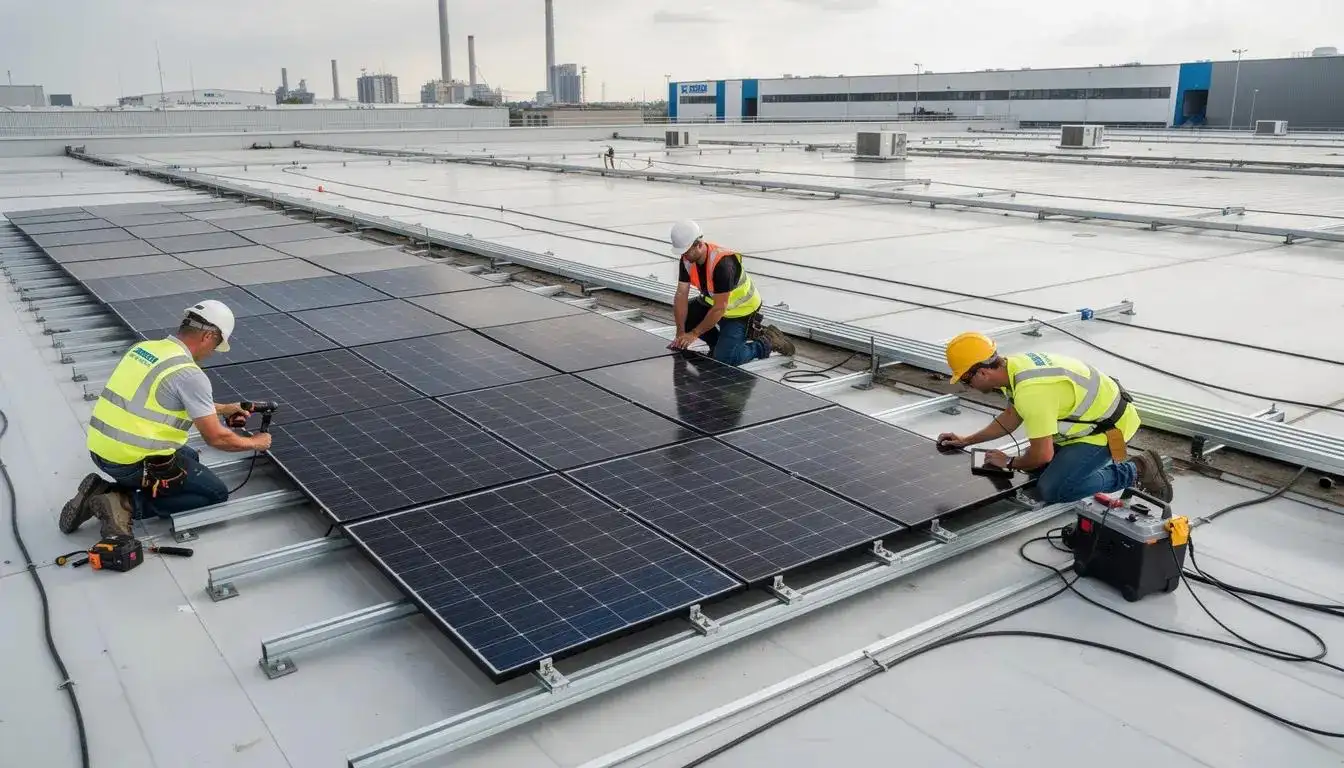
Commercial roof top solar is becoming increasingly enticing for businesses looking for more reliable energy options, as electricity prices become unpredictable. The use of solar power by companies is made more accessible due to modern solar technology, better system monitoring and flexible financing.
This guide covers the operation of commercial roof mounted solar panels, their primary advantages, installation requirements, costs, and some of the considerations for businesses when they want to invest in a roof top solar system.
1. What Are Commercial Roof Mounted Solar Panels?
Commercial roof mounted solar panels are PV panels that are mounted on the roof of a commercial or industrial building. They generate direct current (DC) electricity which can be converted to alternating current (AC) electricity by an inverter to be used in most commercial electrical equipment.
The following are some of the components that make up a typical commercial rooftop solar system:
-
Solar panels: Capture sunlight and generate DC electricity.
-
Mounting structures: Secure the panels to the roof or building structure.
-
Solar inverters: Convert DC electricity into usable AC power.
-
Electrical protection equipment: Helps protect the system from electrical faults and other hazards.
-
Monitoring systems: Track energy production, system performance, and potential faults.
-
Optional battery storage: Stores excess electricity for later use when economically or operationally beneficial.
Commercial rooftop systems may be quite small, like for an office, or large, multi-megawatt, systems for an industrial facility. The size varies based on the electricity usage, structural conditions, regulations and roof space available.
2. Benefits of Commercial Roof Mounted Solar Panels
Lower Electricity Costs
A major motivation for businesses to invest in rooftop solar is to save on electricity costs. The electricity produced by solar panels is produced at the point of use and the company can therefore reduce its dependence on the power grid.
Several factors influence the financial benefit, such as local electricity rates, the production of solar energy, self-consumption level, demand charges, and the policies of the electricity utility for exporting solar energy.
Commercial enterprises with mostly daytime activities may be able to consume a large fraction of the electricity produced by their solar panels. This can enhance project economic efficiency by cutting down the purchase of grid electricity.
Better Use of Existing Roof Space
Large roof surfaces are often found in commercial structures, and these are not otherwise utilized for other purposes. The addition of solar panels is a good use of the space without using the valuable ground it could occupy for parking, storage, manufacturing, or expansion.
It makes a great looking roof top installation for distribution centers, industrial parks, agricultural processing plants and large retail buildings.
Reduced Environmental Impact
During operation, solar power does not emit direct combustion emissions. Switching part of the company's grid electricity for solar power can help mitigate electricity use carbon footprint.
This can help organizations achieve their sustainability goals, environmental disclosures, and customer expectations for responsible corporate practices. The net reduction in emissions from the actual use of the equipment and the sources of electricity that it replaces will depend on the equipment and its lifecycle effects.
Improved Energy Cost Predictability
A rooftop solar installation can help businesses reduce exposure to future electricity price increases. Although utility charges, maintenance expenses, and financing costs may change, the electricity generated by an owned solar system can provide a more predictable component of the company's long-term energy supply.
Potential Property and Business Value
A properly designed solar installation may improve the appeal of a commercial property to tenants or buyers who value lower operating costs and renewable energy infrastructure. However, any effect on property value depends on the ownership structure, equipment condition, lease agreements, remaining system life, and local market conditions.
3. Types of Commercial Rooftop Solar Mounting Systems
Choosing the correct mounting system is essential for safety, roof protection, and long-term performance. The best option depends on roof material, structural capacity, slope, wind exposure, and maintenance requirements.
Ballasted Mounting Systems
Ballasted systems are commonly used on flat commercial roofs. They use engineered weights to hold solar panel arrays in position, potentially reducing the need for roof penetrations.
However, ballast adds weight to the roof, and the design must account for wind uplift, roof membrane limitations, drainage, and structural capacity. A qualified engineer should verify suitability before installation.
Mechanically Attached Systems
Mechanically attached systems secure mounting equipment to the roof structure using engineered fasteners. They can be suitable for various roof types and may offer strong resistance to wind forces when correctly designed and installed.
Roof penetrations must be properly sealed and detailed to prevent water intrusion.
Standing Seam Metal Roof Systems
Standing seam metal roofs can often accommodate specialized clamps that attach to the raised seams without penetrating the roof surface. These systems can simplify installation while helping preserve roof integrity.
Compatibility depends on the roof profile, metal thickness, seam design, and manufacturer requirements.
Tilted and Low-Profile Systems
Tilted mounting structures position panels at an angle to improve solar exposure, depending on location and roof orientation. Low-profile systems sit closer to the roof and may reduce wind exposure or visual impact.
The optimal design balances energy production, wind resistance, roof loading, spacing, and maintenance access.
4. How Much Do Commercial Roof Mounted Solar Panels Cost?
The cost of commercial rooftop solar varies considerably by project size, equipment quality, installation complexity, and location. A useful estimate must consider the entire installed system rather than panel prices alone.
Major cost factors include:
-
Solar panel type, efficiency, and power rating.
-
Inverter selection and electrical equipment.
-
Mounting hardware and roof attachment requirements.
-
Structural inspections and roof reinforcement.
-
Electrical upgrades and utility interconnection.
-
Engineering, permitting, labor, and commissioning.
-
Monitoring equipment and optional battery storage.
Larger projects may benefit from economies of scale because certain engineering, permitting, and installation expenses are spread across more generating capacity. Nevertheless, difficult roof access, aging roofing materials, electrical upgrades, and specialized safety requirements can increase costs.
To estimate the financial return, businesses should compare the installed project cost with expected annual electricity savings, operating expenses, financing costs, and available incentives.
A simple payback calculation is:
Simple payback period = Net upfront investment ÷ Annual net savings
For example, if a project costs $200,000 after applicable incentives and produces $30,000 in annual net savings, its simple payback period is approximately 6.7 years. This is an illustrative calculation, not a guaranteed result. Actual returns depend on energy production, electricity tariffs, degradation, maintenance, and financing.
5. How to Choose the Right Commercial Rooftop Solar Panels
Selecting suitable panels requires evaluating both technical performance and long-term project economics.
Panel Efficiency and Power Output
High-efficiency panels generate more electricity from a limited roof area. This can be especially valuable when rooftop space is constrained or obstacles limit the usable installation area.
However, efficiency should not be the only selection criterion. Module price, temperature performance, degradation rate, warranties, and system compatibility also affect overall value.
Roof Condition and Structural Capacity
Before purchasing equipment, inspect the roof's age, waterproofing, drainage, load-bearing capacity, and maintenance history.
If the roof requires replacement soon, completing the roofing work before installing solar panels may reduce future removal and reinstallation costs.
Climate and Weather Resistance
Commercial solar panels and mounting systems should be appropriate for local weather conditions, including high winds, heavy rainfall, snow loads, and elevated temperatures.
Businesses in coastal or industrial environments should also evaluate corrosion resistance and the suitability of electrical enclosures for local environmental conditions.
Warranty and Manufacturer Support
Review product warranties, performance guarantees, inverter coverage, and installation workmanship warranties. Confirm that replacement components and technical support will remain accessible throughout the expected operating life of the system.
A reliable supplier should provide clear technical documentation, installation guidance, and after-sales support.
6. Commercial Roof Mounted Solar Panel Installation Process
A typical commercial rooftop solar project follows several stages.
-
Energy assessment: Review historical electricity bills, interval consumption data, demand charges, and operating schedules.
-
Roof inspection: Assess structural capacity, roof condition, drainage, shading, and available installation space.
-
System design: Determine panel layout, inverter capacity, mounting methods, electrical protection, and expected energy production.
-
Financial analysis: Estimate project costs, electricity savings, financing options, and applicable incentives.
-
Permitting and utility approval: Obtain required building and electrical permits and complete the relevant grid-interconnection process.
-
Installation: Install mounting hardware, solar modules, wiring, inverters, and monitoring equipment according to approved plans.
-
Testing and commissioning: Verify electrical safety, system operation, monitoring, and utility requirements before normal operation.
-
Ongoing monitoring: Track production and investigate performance changes or equipment faults.
Project timelines vary depending on system capacity, roof complexity, permitting, equipment availability, and utility approval.
7. Maintenance and Long-Term Performance
Commercial roof mounted solar panels generally require limited routine maintenance, but regular inspections help protect energy production and system reliability.
Recommended maintenance practices include:
-
Inspect panels for cracks, physical damage, and persistent dirt accumulation.
-
Monitor inverter alerts and compare actual output with expected production.
-
Check mounting hardware, electrical connections, and visible wiring.
-
Keep roof drains and access pathways clear.
-
Inspect roof seals and waterproofing around attachment points.
-
Clean panels when soiling materially reduces energy output, following manufacturer guidance and local safety requirements.
Cleaning frequency depends on rainfall, dust, pollen, nearby industrial activity, and local environmental conditions. Avoid unsafe roof access and use qualified maintenance professionals when necessary.
Businesses should also plan for inverter replacement or other component repairs during the system's operating life. Solar modules can continue generating electricity for decades, although output typically declines gradually over time.
8. Is Commercial Rooftop Solar Suitable for Every Business?
Not every commercial building is an ideal candidate. A suitable project usually has a structurally sound roof, adequate sunlight, manageable installation costs, and an electricity consumption profile that supports attractive savings.
Several conditions deserve additional attention:
-
Shaded rooftops: Nearby buildings, trees, and rooftop equipment can reduce generation.
-
Older roofs: Upcoming replacement work can complicate installation economics.
-
Low electricity consumption: Limited daytime demand may reduce the value of self-generated electricity.
-
Complex utility tariffs: Demand charges and export compensation rules can significantly affect returns.
-
Structural limitations: Roof reinforcement may be necessary before installation.
-
Short-term occupancy: Tenants and property owners should clarify equipment ownership, lease terms, and the benefits of the installation.
A professional feasibility study helps determine whether rooftop solar, a different renewable energy solution, or a combination of energy-efficiency improvements is the best choice.
9. Frequently Asked Questions About Commercial Roof Mounted Solar Panels
How long do commercial rooftop solar panels last?
Many commercial solar modules are designed for approximately 25–30 years or more of operation, depending on product specifications and environmental conditions. Their electricity output generally decreases gradually over time. Inverters and other components may have different service lives.
How many solar panels does a commercial building need?
The number depends on the required system capacity and the wattage of each module. For example, a 100 kW system using 500-watt panels would require approximately 200 panels, before considering layout constraints or system design adjustments.
Can solar panels be installed on a flat commercial roof?
Yes. Flat roofs are commonly used for commercial solar installations. The mounting system must account for structural loads, wind uplift, drainage, roof membrane protection, and appropriate panel spacing.
Do commercial rooftop solar panels work on cloudy days?
Yes. Solar panels can generate electricity under cloudy conditions, although production is generally lower than under direct sunlight. Annual energy estimates should account for local weather patterns and seasonal variations.
Are commercial rooftop solar panels worth the investment?
They can be worthwhile when electricity savings, available incentives, and operating benefits justify the upfront investment. Businesses should evaluate realistic energy-production estimates, utility tariffs, maintenance costs, financing, and the expected payback period before making a decision.
Conclusion
Commercial roof mounted solar panels provide a practical solution for businesses to produce renewable electricity, cut down on their grid energy use, and maximise their building space. The performance and return on a project is not just determined by choosing good panels, but the condition of the roof, mounting design, energy consumption, utility policies, quality of installation and long-term maintenance also have an impact.
The first step into new solutions is a professional evaluation of the roof surface and an analysis of your previous electricity use, which is ideal for those in the warehouse, factory, office or other commercial building sector. Using a commercial rooftop solar system is a useful addition to the long-term energy strategy of a company if there is a realistic and suitable financial plan and engineering.
Share on Social:


- NEXT: Commercial Solar Energy Storage: Benefits, Costs & Solutions
- NEXT: Null
In This Article
- 1 1. What Are Commercial Roof Mounted Solar Panels?
- 2 2. Benefits of Commercial Roof Mounted Solar Panels
- 3 3. Types of Commercial Rooftop Solar Mounting Systems
- 4 4. How Much Do Commercial Roof Mounted Solar Panels Cost?
- 5 5. How to Choose the Right Commercial Rooftop Solar Panels
- 6 6. Commercial Roof Mounted Solar Panel Installation Process
- 7 7. Maintenance and Long-Term Performance
- 8 8. Is Commercial Rooftop Solar Suitable for Every Business?
- 9 9. Frequently Asked Questions About Commercial Roof Mounted Solar Panels
- 10 Conclusion
