


How to Choose the Best Solar Panels for Commercial Use
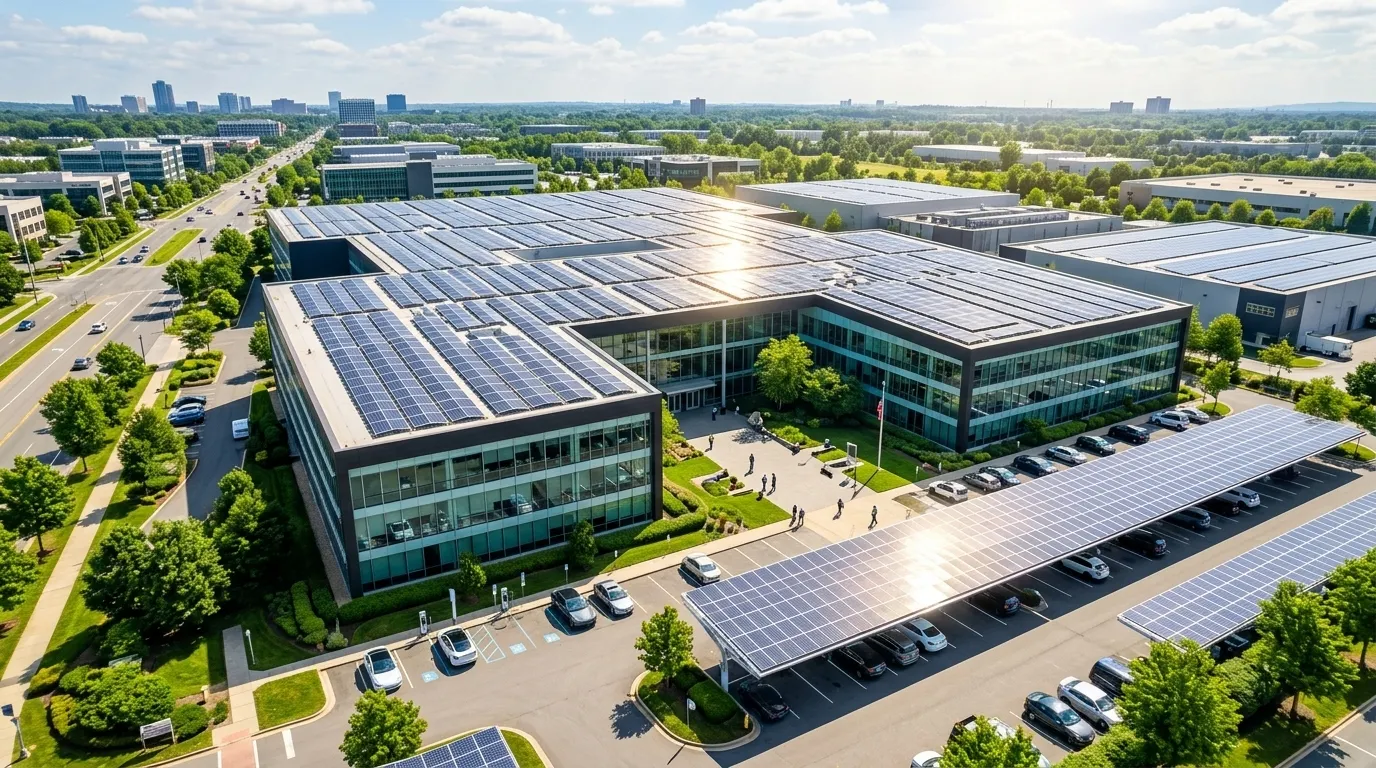
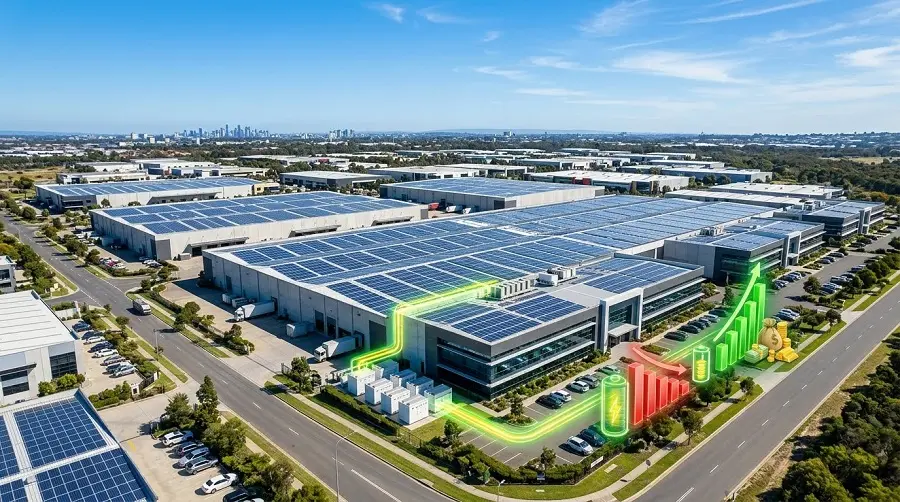
With the increase in electricity costs and the need to save electricity in the long run, commercial solar panels have become a more and more lucrative investment. Businesses can benefit from solar energy and make savings on their electricity bills, from manufacturing facilities and warehouses, to offices, shopping centres, hospitals and hotels – among others.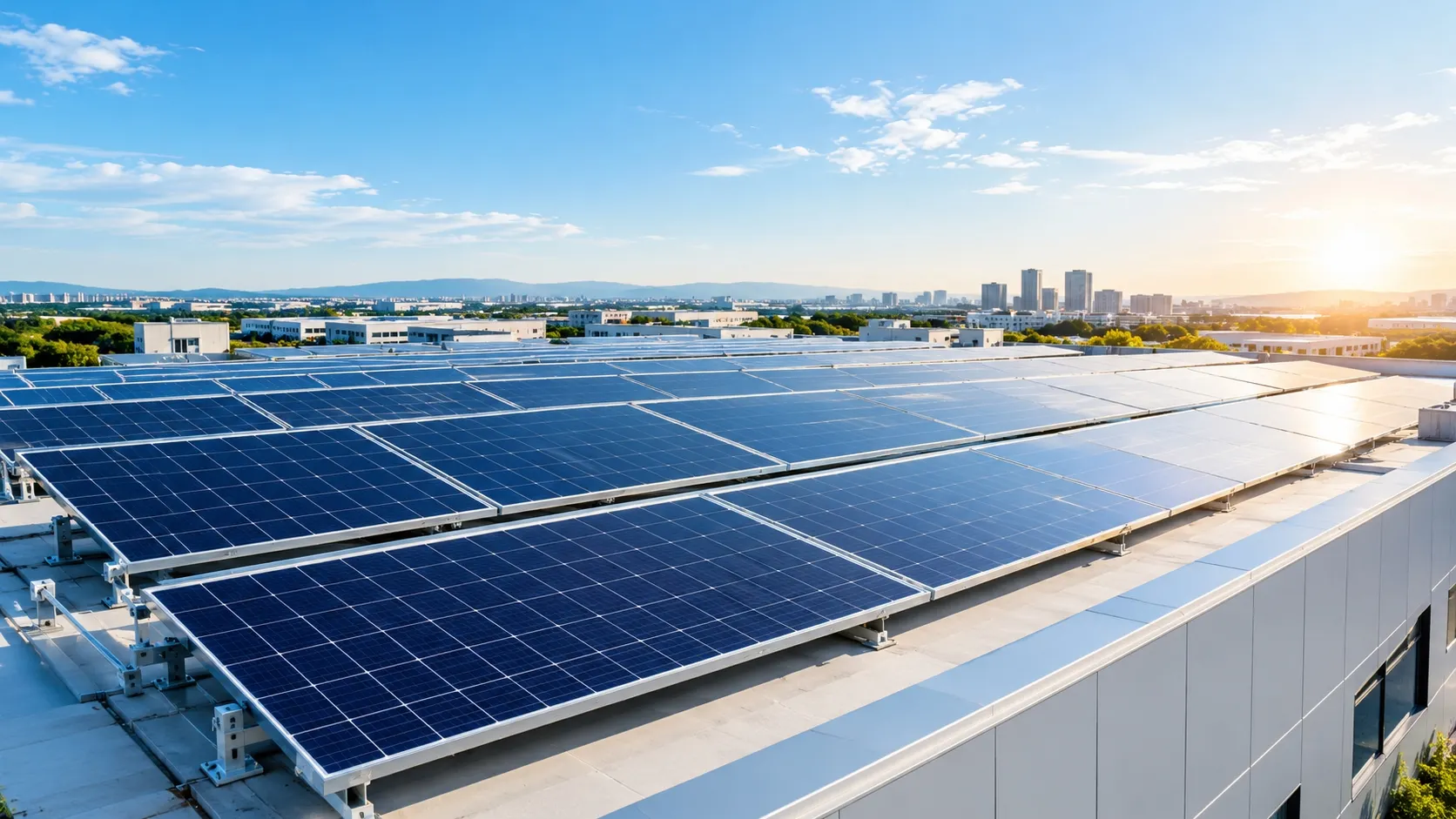
But, when it comes to solar panels for commercial applications, deciding which is best isn't just about price comparisons or just about the highest wattage. There are numerous factors that need to be taken into account by businesses when purchasing solar panels, including their efficiency, technology, temperature performance, durability, installation space, warranty coverage, and return on investment (ROI).
This guide will help you choose commercial solar panels that are suitable for your energy needs, environment, and future business goals.
1. Understand Your Business Energy Requirements
Prior to buying solar panels, consider the energy needs of your facility. Analyse the last 12 months' electricity bills to determine the average usage, peak demand, seasonal trends and the cost of electricity.
Think about the peak times of your business' electricity usage. Most offices, retail stores and many manufacturing sites are not open after dark and can use the solar electricity as it is produced.
For businesses with major demands during the night time, grid electricity, battery storage or a mixture of energy supplies may be needed.
A world-class energy assessment can be used to assess the right size of a solar system. It can be costly to have an oversized system and not get the same financial return, or have an undersized system and not achieve the energy savings goals.
2. Compare Solar Panel Efficiency
Solar panel efficiency refers to the ability of the solar panel to convert the energy in sunlight into electricity. The higher efficient panels are more productive in producing energy from a given roof space, which is especially important for small rooftop areas in commercial buildings.
In the case of a factory or warehouse, for instance, high-efficiency panels could help to squeeze greater electricity generation from the roof without adding new roof space.
When considering commercial solar panels, you should check:
-
Module efficiency percentage.
-
Rated power output in watts.
-
Physical dimensions and weight.
-
Performance under real operating conditions.
-
Expected annual energy generation.
Efficiency should not be the only selection criterion. A panel with a higher efficiency rating may cost more, so businesses should compare the additional energy production against the extra investment.
3. Choose the Right Solar Panel Technology
Different solar technologies offer different advantages for commercial and industrial applications.
Monocrystalline Solar Panels
Monocrystalline panels are widely used in commercial installations because of their relatively high efficiency and effective use of space. They are suitable for offices, warehouses, factories, and other facilities seeking reliable electricity generation.
N-Type TOPCon Solar Panels
Tunnel Oxide Passivated Contact (TOPCon) technology is an advanced crystalline-silicon technology designed to improve cell efficiency and reduce performance losses. N-type TOPCon modules are worth considering for new commercial projects that prioritize high power output and long-term energy generation.
Bifacial Solar Panels
Bifacial modules can generate electricity from both their front and rear surfaces. Their additional energy yield depends on factors such as mounting height, rear-side exposure, ground reflectivity, and installation design.
They can be particularly attractive for suitable ground-mounted systems and installations where reflected sunlight can reach the rear of the modules.
Which technology is best for commercial solar projects? There is no universal winner. TOPCon and other high-efficiency monocrystalline panels may suit space-constrained rooftops, while bifacial modules can be advantageous where site conditions support meaningful rear-side generation.
4. Evaluate Performance in Hot Weather
Temperature performance is especially important for commercial solar installations in hot climates. Solar modules generally experience reduced voltage and output as their operating temperature increases.
Check the manufacturer's temperature coefficient of maximum power. A less negative coefficient generally indicates a smaller percentage loss in power for each degree Celsius above the specified reference temperature.
Also evaluate ventilation, mounting arrangements, and roof conditions. Proper installation can help manage module temperatures and improve overall system performance.
For facilities in regions with high summer temperatures, dust, or seasonal humidity, selecting modules suited to local environmental conditions can support more consistent electricity generation.
5. Check Durability and Warranty Coverage
Commercial solar panels are long-term assets, so reliability matters as much as initial performance.
Before purchasing, review the following:
-
Product warranty: Covers specified manufacturing defects and other eligible product issues.
-
Performance warranty: Defines the manufacturer's guaranteed power output over a stated period.
-
Degradation rate: Indicates how panel output is expected to decline over time.
-
Environmental resistance: Check suitability for local wind loads, humidity, corrosion, and other site conditions.
-
Certification and testing: Confirm that modules meet applicable safety and performance standards.
Many commercial modules offer performance warranties extending approximately 25 to 30 years, although terms vary by manufacturer and product. Always examine the actual warranty document rather than relying solely on advertised claims.
6. Calculate the Total Cost of Commercial Solar Panels
The purchase price per panel does not represent the full cost of a commercial solar installation.
The total project budget may include solar modules, inverters, mounting structures, electrical components, installation labor, engineering, grid interconnection, monitoring systems, and ongoing maintenance.
Businesses should compare quotations based on the complete installed system rather than module prices alone.
A low-cost panel may appear attractive initially, but lower energy output, shorter warranty coverage, or higher maintenance requirements can reduce its long-term value.
Ask suppliers to provide a transparent cost breakdown, estimated annual generation, system losses, and expected operating expenses. This information makes it easier to compare competing proposals fairly.
7. Estimate Commercial Solar ROI and Payback Period
Return on investment is one of the most important considerations when selecting solar panels for business use.
A commercial solar system's financial performance depends on installation costs, electricity tariffs, solar generation, self-consumption, export compensation, financing, maintenance, and applicable incentives.
A simple payback estimate can be calculated as:
Simple payback period = Net initial investment ÷ Annual net savings
For example, if a business invests $100,000 in a solar installation and achieves $20,000 in annual net savings, the simple payback period is five years.
This is an illustrative calculation, not a guaranteed result. Actual savings will depend on local electricity prices, system performance, applicable charges, and project-specific conditions.
For a more complete financial assessment, businesses should also consider equipment degradation, inverter replacement, financing costs, changes in electricity tariffs, and the expected operating life of the system.
8. Select a Reliable Commercial Solar Supplier
Choosing the right supplier or engineering, procurement, and construction (EPC) partner is essential for project success.
An experienced commercial solar provider should offer technical expertise, transparent pricing, quality components, professional installation, and ongoing support.
Before signing a contract, ask about:
-
Experience with projects of similar capacity.
-
Module and inverter manufacturers.
-
Site surveys and structural assessments.
-
System design and generation estimates.
-
Grid connection and regulatory requirements.
-
Performance monitoring and maintenance services.
-
Warranty administration and after-sales support.
Businesses aiming to deploy large rooftop installations or solar power plants in the industrial sector can have an EPC provider assist them with coordination of engineering, procurement, construction, commissioning and service.
9. Consider Maintenance and Long-Term Operations
While solar panels are typically low maintenance, regular inspections help to ensure optimal performance.
Electricity generation can be reduced by the deposits of dust, leaves, bird droppings etc. The frequency of cleaning should be determined by the local environment, amount of precipitation, soiling rates and manufacturer's recommendations.
In addition to this, companies should keep an eye on inverter performance, perform electrical connection checks, assess mounting structures and analyze any unusual reduction in output.
A robust monitoring system will aid the early detection of faults and better planning of operations. Access and safety for maintenance should be provided in the original installation.
Conclusion
When selecting the most suitable solar panels for commercial applications, it is essential to carefully consider their efficiency, technological features, thermal capabilities, durability, installation expenses, and financial investment potential.
High-efficiency monocrystalline or TOPCon modules might be good value for companies with less roof space. Bifacial panels could provide more benefits in sites where conditions are conducive to generating electricity on the rear surface.
The best way is to calculate your electric use, review full system solutions, look at warranties and test savings in realistic operating conditions.
Furthermore, by choosing appropriate solar solutions and collaborating with a reliable commercial solar energy supplier, businesses can make informed decisions about their energy investments, minimize reliance on grid electricity, and contribute to their sustainability goals.
Frequently Asked Questions (FAQs)
Which solar panels are best for commercial use?
High-efficiency monocrystalline panels, including N-type TOPCon modules, are strong candidates for many commercial installations. The best option depends on available space, budget, climate, and energy requirements.
How long do commercial solar panels last?
Many commercial solar panels are designed to operate for 25 years or longer. Actual performance depends on product quality, installation, environmental conditions, and maintenance.
Are high-efficiency solar panels worth the extra cost?
They can be worthwhile when rooftop space is limited or additional energy generation offsets the higher purchase price. Compare lifetime energy output and financial returns before deciding.
How can businesses calculate solar panel ROI?
Estimate the initial investment, annual electricity savings, operating costs, and applicable incentives. Divide the net initial investment by annual net savings for a basic payback estimate.
Do commercial solar panels require regular maintenance?
Yes. Periodic inspections, performance monitoring, and appropriate cleaning help maintain system efficiency and identify potential problems before they become costly.
Should businesses choose solar panels based on price alone?
No. Efficiency, degradation, warranty coverage, temperature performance, installation quality, and long-term energy production should all be considered alongside upfront cost.
Share on Social:


In This Article
- 1 1. Understand Your Business Energy Requirements
- 2 2. Compare Solar Panel Efficiency
- 3 3. Choose the Right Solar Panel Technology
- 4 4. Evaluate Performance in Hot Weather
- 5 5. Check Durability and Warranty Coverage
- 6 6. Calculate the Total Cost of Commercial Solar Panels
- 7 7. Estimate Commercial Solar ROI and Payback Period
- 8 8. Select a Reliable Commercial Solar Supplier
- 9 9. Consider Maintenance and Long-Term Operations
- 10 Conclusion
-
11
Frequently Asked Questions (FAQs)
- 11.1 Which solar panels are best for commercial use?
- 11.2 How long do commercial solar panels last?
- 11.3 Are high-efficiency solar panels worth the extra cost?
- 11.4 How can businesses calculate solar panel ROI?
- 11.5 Do commercial solar panels require regular maintenance?
- 11.6 Should businesses choose solar panels based on price alone?
