


Outdoor Battery Energy Storage System: Benefits and Applications
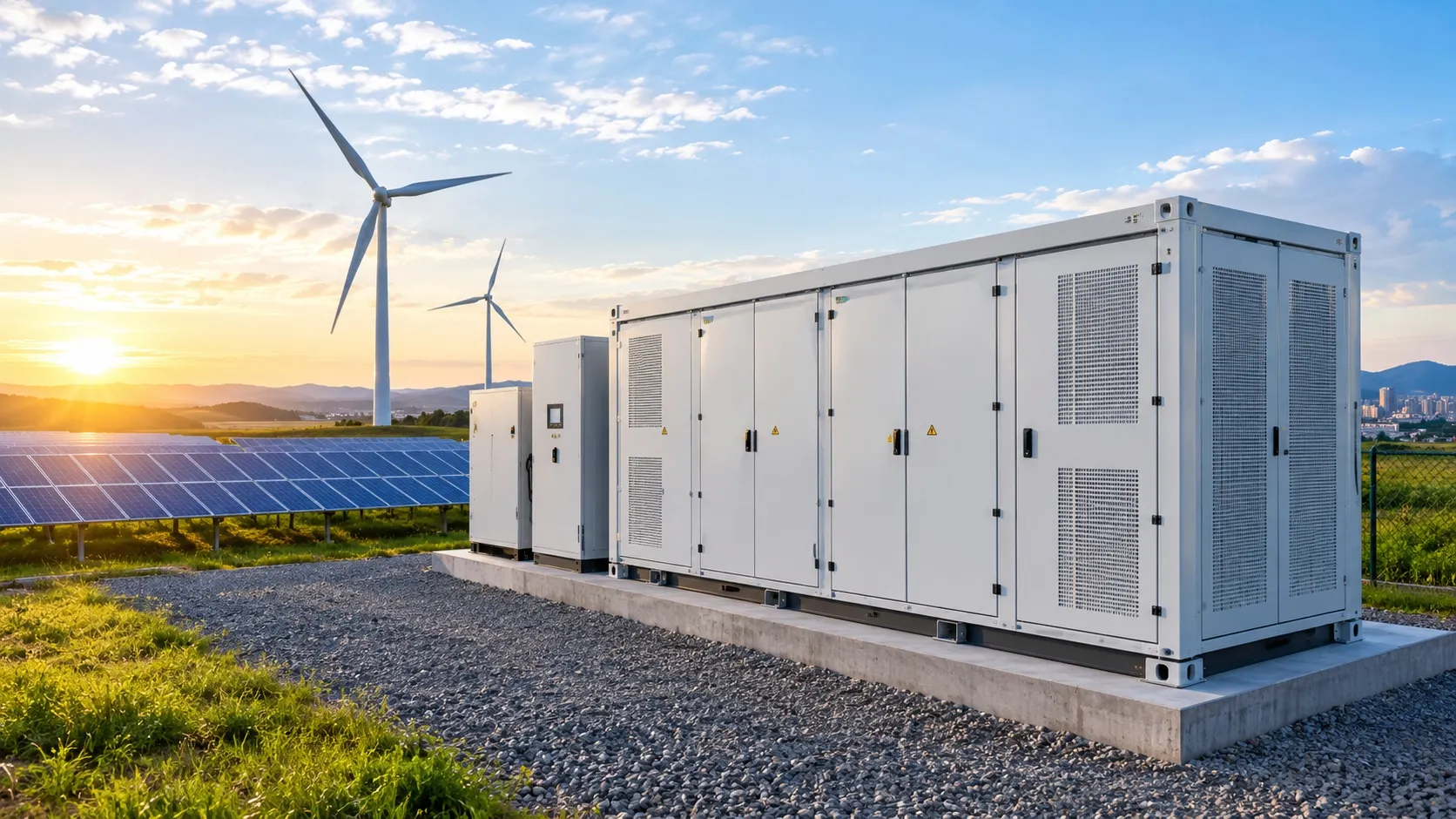
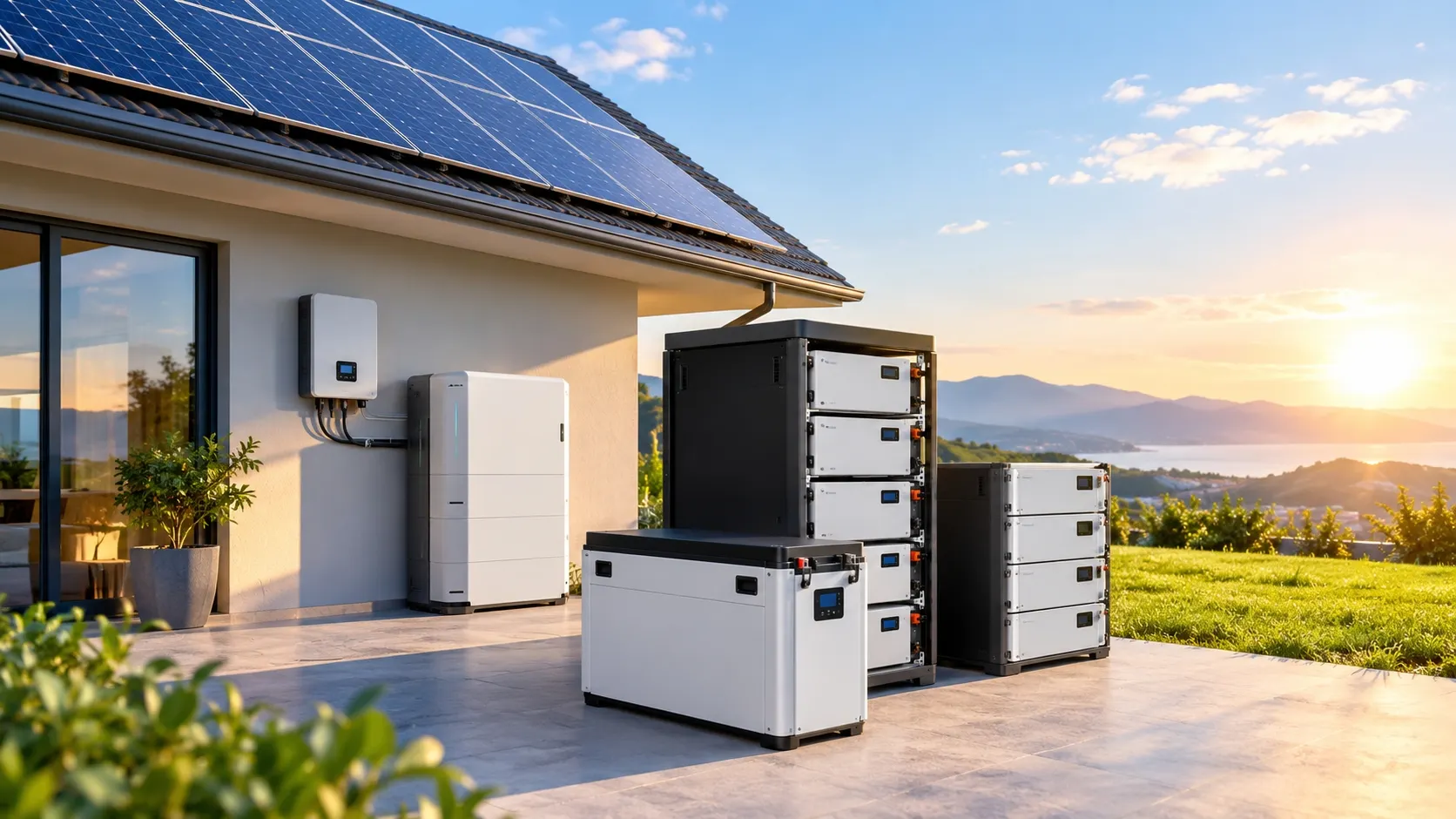

Advanced energy solution – outdoor battery energy storage system (BESS) is a system to store and provide electricity when required. The growth of renewable energy and the need for stable power sources by businesses are driving the adoption of outdoor battery storage systems, such as the Galaxy Watch Active.The rise in renewable energy use and demand for more consistent power sources by businesses are making outdoor battery storage systems like the Galaxy Watch Active an important part of today's energy infrastructure. They enable commercial power systems, industrial processes, solar power generation facilities, and isolated locations to control their electricity usage, moderate peak loads, and enhance energy resilience.
While outdoor battery energy storage (BESS) systems are similar to traditional battery installations, they are designed to be installed outdoors in a dedicated outdoor enclosure or battery cabinet. Depending on their design, they may incorporate battery modules, a battery management system (BMS), a power conversion system (PCS), thermal management, fire protection, and monitoring software.
This guide outlines how an outdoor battery energy storage system works, its primary advantages, and its primary uses, as well as some factors to consider when deciding to go with a battery ESS for your energy project.
What Is an Outdoor Battery Energy Storage System?
An outdoor battery energy storage system is a system comprised of a battery that stores electrical energy to be used later. Lithium Iron Phosphate (LiFePO4 or LFP) batteries are commonly employed in most of commercial and industrial applications, especially for stationary energy storage, due to their thermal stability and cycle life.
The system can be charged from the electricity grid, solar panels, wind power and more. Electricity generation from renewables can be lower than demand, and the stored energy can be released to meet connected demand.
Typically, outdoor BESS systems reside in a unit that is housed in a weatherized cabinet, modular enclosure or containerized unit. They can be small in size, such as commercial systems, or large in size, for industrial systems and renewable energy projects.
Main Components of an Outdoor BESS
A typical outdoor battery energy storage system includes several essential components:
-
Battery modules: Store electrical energy and determine the system's energy capacity.
-
Battery management system (BMS): Monitors cell voltage, temperature, current, and other operating parameters.
-
Power conversion system (PCS): Converts electricity between the battery's DC output and the AC power used by most facilities.
-
Thermal management system: Uses air cooling or liquid cooling to maintain suitable operating temperatures.
-
Energy management system (EMS): Coordinates charging, discharging, and energy optimization.
-
Outdoor enclosure: Protects equipment against environmental exposure and unauthorized access.
-
Safety and protection systems: May include electrical isolation, smoke or gas detection, fire suppression, and emergency shutdown functions.
The exact configuration depends on the application, battery chemistry, power rating, and installation requirements.
How Does an Outdoor Battery Energy Storage System Work?
An outdoor BESS operates through a coordinated charging and discharging process.
Step 1: Energy charging
The system receives electricity from a compatible source. For example, a solar installation may generate excess electricity during the day, allowing the battery to charge instead of exporting all surplus energy to the grid.
Step 2: Energy storage
The battery stores the electricity as chemical energy. The BMS continuously monitors battery conditions to help keep the system within its permitted operating limits.
Step 3: Energy conversion and control
The PCS manages the conversion between DC and AC electricity, while the EMS determines when to charge or discharge based on demand, electricity prices, solar generation, and programmed operating strategies.
Step 4: Energy discharge
When electricity demand rises, grid power becomes expensive, or solar generation falls, the system can deliver stored electricity to connected equipment.
Depending on system design, grid configuration, and transfer equipment, an outdoor BESS may also provide backup power during an outage. However, backup operation is not automatic for every system; islanding capability and suitable electrical controls are required.
Key Benefits of Outdoor Battery Energy Storage Systems
1. Improved Energy Reliability
Power interruptions can disrupt manufacturing, commercial operations, data processing, and other essential activities. An appropriately configured outdoor battery energy storage system can provide backup power to selected loads when the grid fails.
Businesses should evaluate critical-load requirements, expected backup duration, inverter power ratings, and whether the system can operate independently from the grid.
2. Lower Electricity Costs
Commercial and industrial electricity bills may include demand charges, time-of-use rates, or other charges that vary with consumption patterns.
An outdoor BESS can charge during lower-cost periods and discharge during expensive periods. It may also reduce short-duration demand peaks when properly sized and controlled.
Actual savings depend on the local electricity tariff, battery efficiency, degradation, operating costs, and utility rules. A project-specific financial analysis is essential before estimating payback.
3. Better Solar Energy Utilization
Solar panels often produce the most electricity during daylight hours, while many businesses have substantial evening or overnight demand.
Pairing solar PV with an outdoor battery energy storage system allows surplus solar energy to be stored and used later. This can increase self-consumption and reduce reliance on grid electricity.
4. Flexible Outdoor Installation
Outdoor battery cabinets and containerized systems can help organizations deploy storage without dedicating large amounts of indoor floor space.
Modular designs can also simplify capacity expansion, depending on the manufacturer's architecture and the electrical infrastructure available at the site.
Nevertheless, outdoor installation still requires adequate access, drainage, clearances, foundations, environmental protection, and compliance with local fire and electrical codes.
5. Support for Renewable Energy Integration
Battery storage helps balance variable renewable generation by absorbing excess electricity and releasing it when production decreases.
At commercial facilities, renewable energy projects, and microgrids, outdoor BESS solutions can improve energy management and support more flexible operation.
Common Applications of Outdoor Battery Energy Storage Systems
Commercial and Industrial Facilities
Factories, warehouses, shopping centers, and office buildings can use outdoor BESS installations to manage peak demand, increase solar self-consumption, and support critical operations.
Manufacturing plants may benefit from systems designed around equipment starting currents, production schedules, and the consequences of power interruptions.
Solar Farms and Renewable Energy Projects
Utility-scale solar and wind installations can integrate battery storage to shift energy delivery, manage output fluctuations, and participate in eligible grid services.
System design must account for interconnection limits, dispatch requirements, inverter capacity, and applicable market regulations.
EV Charging Stations
Electric vehicle charging hubs can experience high power demand when several vehicles charge simultaneously. Battery storage may help manage peak demand or support charging at locations with limited grid capacity.
The required battery power rating and energy capacity depend on charger output, vehicle arrival patterns, charging duration, and grid connection limits.
Remote and Off-Grid Locations
Construction sites, agricultural facilities, telecommunications installations, and remote industrial operations may use outdoor battery storage with solar panels, generators, or hybrid microgrids.
In these applications, the system must be sized for energy demand, seasonal generation, autonomy requirements, and backup generation availability.
How to Choose the Right Outdoor Battery Energy Storage System
Selecting the right BESS requires more than comparing battery capacity and purchase price. Consider the following factors before making a decision.
1. Battery Chemistry
Lithium iron phosphate (LFP) is widely used in stationary storage because of its thermal stability and long cycle-life potential. Other lithium-ion chemistries may offer different energy-density or performance characteristics.
Compare usable capacity, warranted service life, operating limits, safety documentation, and replacement costs rather than relying on chemistry alone.
2. Energy Capacity and Power Rating
Energy capacity, measured in kilowatt-hours (kWh) or megawatt-hours (MWh), indicates how much energy a battery can store. Power rating, measured in kilowatts (kW) or megawatts (MW), indicates how quickly it can deliver electricity.
For example, a nominal 100 kWh battery delivering a constant 20 kW could theoretically supply that load for five hours. Actual runtime will be shorter or otherwise different depending on usable capacity, conversion losses, operating limits, and load variations.
3. Outdoor Protection and Environmental Conditions
Check the enclosure's ingress protection rating, corrosion resistance, temperature limits, and suitability for rain, dust, humidity, and local weather conditions.
An IP rating describes protection against solid objects and water under specified test conditions. It does not, by itself, guarantee suitability for every outdoor environment.
4. Cooling and Thermal Management
Battery performance and service life are affected by temperature. Air-cooled systems may suit some installations, while liquid-cooled designs can provide more precise temperature management for higher-density systems.
Consider ambient temperature, maintenance requirements, auxiliary energy consumption, and the manufacturer's recommended operating conditions.
5. Safety and Certification
Review applicable electrical and fire safety standards, battery test reports, installation requirements, and local permitting rules. Depending on the jurisdiction and project, relevant standards may include UL 9540 for energy storage systems and UL 9540A for thermal runaway fire propagation testing.
Certification requirements vary by market and application. Confirm the documentation required by the local authority having jurisdiction, insurer, utility, and project engineer.
6. Monitoring and System Integration
A modern outdoor BESS should provide useful operating data, alarms, remote monitoring, and clear maintenance procedures. For commercial projects, compatibility with solar inverters, building management systems, meters, and energy management software is particularly important.
7. Total Cost of Ownership
Evaluate the total project cost rather than the battery price alone. Include installation, civil works, electrical equipment, cooling, commissioning, software, maintenance, insurance, and eventual battery replacement or disposal.
Compare these expenses with expected energy savings, backup value, and other project benefits over the planned service life.
Outdoor Battery Energy Storage System vs. Indoor Battery Storage
Outdoor and indoor battery storage systems serve similar energy-management purposes, but their installation requirements differ.
Outdoor systems generally use dedicated weather-resistant enclosures and can be attractive for larger commercial installations where indoor space is limited. Indoor systems may benefit from an existing protected environment but require careful consideration of room ventilation, fire protection, access, and building-code requirements.
Neither option is universally better. The appropriate choice depends on available space, climate, system capacity, safety requirements, installation costs, and local regulations.
Maintenance Tips for Outdoor BESS Installations
Routine maintenance helps preserve system performance and supports safe operation.
-
Inspect enclosures for corrosion, water ingress, physical damage, and blocked ventilation.
-
Monitor battery temperatures, state of charge, alarms, and abnormal performance trends.
-
Maintain cooling equipment and replace filters according to the manufacturer's schedule.
-
Check electrical connections, protective devices, and grounding through qualified personnel.
-
Test emergency shutdown and backup-power functions as specified in the maintenance plan.
-
Keep vegetation, combustible materials, and unauthorized access away from designated safety clearances.
-
Maintain updated firmware, operating records, and emergency response procedures.
All inspection and service activities should follow the manufacturer's instructions and applicable safety requirements. Battery enclosures should not be opened or serviced by unqualified personnel.
Conclusion
The outdoor battery energy storage system (BESS) offers a scalable, cost-effective, and flexible approach to energy storage, cost management, renewable integration, and enhancing power resilience. Whether a commercial building, manufacturing site, solar farm, EV charging stations or off-grid projects, outdoor BESS solutions can serve a variety of energy needs.
There are several factors to consider when choosing the best system for a project, including the power requirements, backup duration, battery chemistry, environmental conditions, safety compliance, and the economic considerations of the project. These considerations allow businesses to choose an outdoor battery energy storage solution that meets their needs and energy goals.
When considering commercial and industrial energy storage, initially perform an energy audit, including understanding peak loads, potential for renewables, and back-up needs. A well-designed BESS system can then be designed to provide real-world benefits and measurable returns over the duration of its service.
Frequently Asked Questions (FAQs)
What is an outdoor battery energy storage system used for?
An outdoor BESS is a battery storage system that stores electricity for future use. Typical applications include peak shaving, battery storage for solar power, backup power, EV charging infrastructure, renewable energy integration and off-grid power management.
Which battery is best for outdoor energy storage?
Lithium iron phosphate (LFP) batteries are popular choices for stationary storage due to their ability to have a long cycle-life and thermal stability. This will depend on the system requirements, climate, safety considerations, system warranties and total cost of ownership.
Can an outdoor BESS provide power during a grid outage?
Yes if the system has appropriate backup and islanding capability, suitable inverters and transfer and protection devices. Storage units that are not grid connected without these capabilities can be turned off during outages.
How long does an outdoor battery energy storage system last?
The amount of time a battery will last depends on its chemistry, temperature, charge and discharge cycles, depth of discharge and maintenance. A manufacturer might be willing to give a warranty in years, cycles or energy throughput – these should be read carefully.
Is an outdoor battery energy storage system weatherproof?
For outdoor systems, enclosures are tailored to the conditions in the system. Weather resistance varies by model, however, and proper installation, drainage, ventilation/cooling and environmental ratings continue to be critical.
How do I size an outdoor battery energy storage system?
Take the hourly electricity consumption of the site, peak load, desired backup time, solar energy generation potential, and utility tariff as starting points. Calculate the kW rating and usable energy capacity required, and consider conversion losses, reserve capacity and battery degradation.
Share on Social:


- NEXT: LiFePO4 Battery Supplier for Solar: Buying Guide
- NEXT: Null
In This Article
- 1 What Is an Outdoor Battery Energy Storage System?
- 2 How Does an Outdoor Battery Energy Storage System Work?
- 3 Key Benefits of Outdoor Battery Energy Storage Systems
- 4 Common Applications of Outdoor Battery Energy Storage Systems
- 5 How to Choose the Right Outdoor Battery Energy Storage System
- 6 Outdoor Battery Energy Storage System vs. Indoor Battery Storage
- 7 Maintenance Tips for Outdoor BESS Installations
- 8 Conclusion
-
9
Frequently Asked Questions (FAQs)
- 9.1 What is an outdoor battery energy storage system used for?
- 9.2 Which battery is best for outdoor energy storage?
- 9.3 Can an outdoor BESS provide power during a grid outage?
- 9.4 How long does an outdoor battery energy storage system last?
- 9.5 Is an outdoor battery energy storage system weatherproof?
- 9.6 How do I size an outdoor battery energy storage system?
