


LiFePO4 Battery Supplier for Solar: Buying Guide
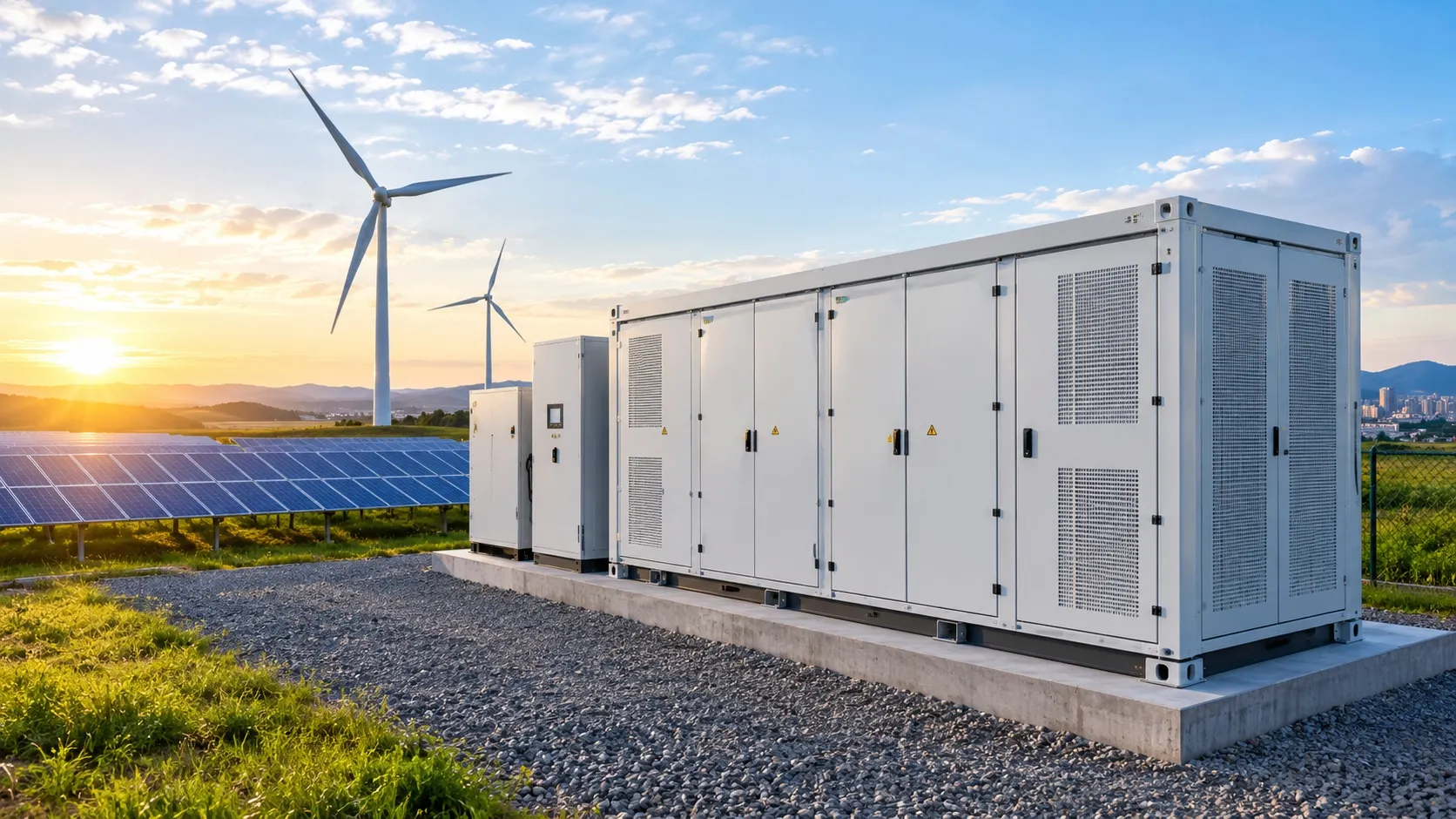

In a world that is increasingly demanding more and more renewable energy, solar energy storage is also playing a key role in the power network of residential, commercial and industrial buildings. The electricity produced by the solar panels is only produced during the day, and if the electricity is not needed, it can be exported to the grid or wasted. By selecting a trusted LiFePO4 battery supplier for solar installations, businesses and solar installers can provide efficient, safe, and long-lasting energy storage solutions.
LiFePO4 (lithium iron phosphate) is a lithium ion battery chemistry that is commonly employed in solar energy storage due to its thermal stability, long cycle life, and reliability. LiFePO4 batteries can provide increased usable capacity, reduced maintenance, and improved performance across multiple charge and discharge cycles, compared to conventional lead-acid batteries.
When it comes to choosing a battery supplier for solar equipment distributors, system integrators, EPC contractors, and renewable energy businesses, it's not just about the price. The quality of batteries, the ability to manufacture them, technical support, certifications, customization, and delivery reliability are all factors that can impact the success of a solar energy project.
This guide covers how to select a LiFePO4 battery supplier for solar installations and how to determine a manufacturer that fits your company's needs.
1. What Is a LiFePO4 Battery for Solar Energy Storage?
LiFePO4 battery is Lithium Iron Phosphate battery, which is rechargeable lithium-ion battery using Lithium Iron Phosphate as the cathode substances. It stores the electricity generated by solar panels and dispenses the energy when solar generation is not high enough or when electricity use is high.
The solar battery system consists of battery cells, battery management system (BMS), protective components, enclosure and electrical connections. It can also have communication interfaces for monitoring and integration with inverters, depending on the design of the product.
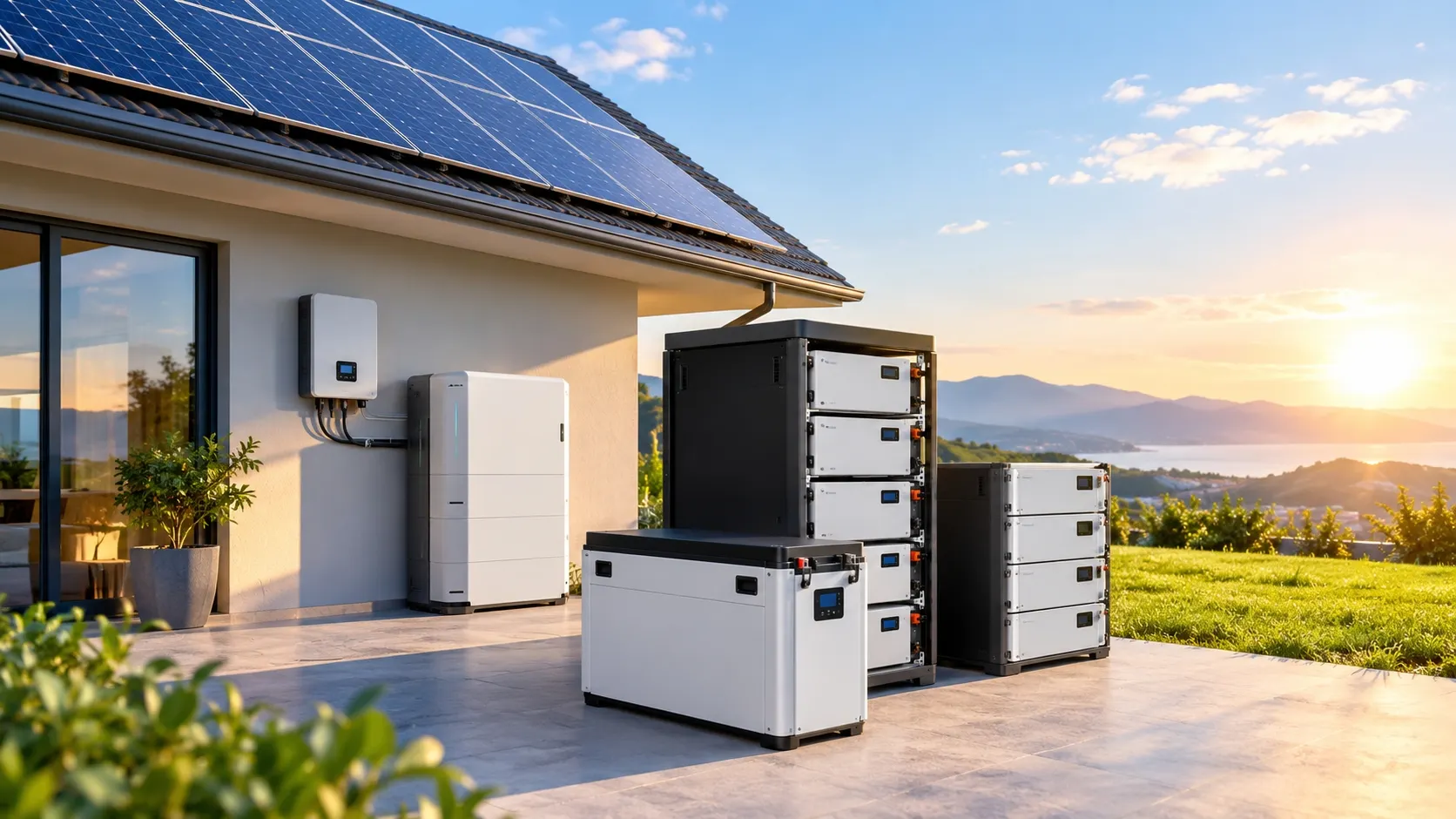
There are several different battery configurations that are available for solar LiFePO4 batteries:
-
Wall-mounted batteries: Designed for residential solar energy storage where floor space is limited.
-
Rack-mounted batteries: Suitable for server rooms, solar cabinets, commercial installations, and modular energy storage systems.
-
Floor-standing batteries: Used in homes and small commercial buildings requiring greater storage capacity.
-
High-voltage battery systems: Designed for compatible commercial and industrial applications.
-
Custom battery packs: Developed for specific voltage, capacity, enclosure, or communication requirements.
The appropriate configuration depends on the solar system's power demand, installation environment, inverter compatibility, and required backup duration.
2. Why Choose LiFePO4 Batteries for Solar Systems?
LiFePO4 technology offers several advantages for solar energy storage, making it a popular option for modern renewable energy applications.
Long Cycle Life
Solar batteries may charge and discharge daily, so cycle life is an important factor when evaluating long-term operating costs. Many LiFePO4 products are designed to deliver thousands of cycles under specified operating conditions.
Actual service life depends on temperature, depth of discharge, charging parameters, battery quality, and maintenance practices. Buyers should request cycle-life test data that clearly identifies the conditions under which the results were obtained.
Enhanced Thermal Stability
Lithium iron phosphate chemistry generally offers better thermal stability than some other lithium-ion chemistries. However, this does not make a battery completely fireproof or eliminate the need for appropriate protection.
A reputable LiFePO4 battery supplier should provide information about cell quality, BMS protection, temperature monitoring, and product-level safety testing.
High Usable Capacity
LiFePO4 batteries can generally support a higher usable proportion of their rated capacity than traditional lead-acid batteries, depending on the manufacturer's recommended operating limits.
For solar installations, greater usable capacity can help reduce the number of batteries needed to meet a specified energy-storage requirement.
Low Maintenance
Unlike flooded lead-acid batteries, LiFePO4 batteries do not require routine electrolyte replenishment. Their integrated monitoring and protection systems can also simplify operation.
Nevertheless, users must follow installation guidelines, inspect electrical connections when appropriate, and maintain suitable operating temperatures.
3. Key Factors When Choosing a LiFePO4 Battery Supplier for Solar
Not every battery supplier offers the same manufacturing quality, engineering support, or product consistency. Businesses should evaluate suppliers against several important criteria.
Manufacturing Experience and Quality Control
Start by assessing the supplier's manufacturing capabilities and quality-management procedures. A dependable manufacturer should have documented processes for cell inspection, battery pack assembly, electrical testing, and final product verification.
Ask whether the company manufactures battery packs directly or primarily resells products from other manufacturers. Both models can be suitable, but understanding the supply chain helps you evaluate product traceability, customization capabilities, and after-sales responsibility.
Useful questions include:
-
What battery cell brands and grades are available?
-
Does the factory conduct incoming cell inspections?
-
Are battery packs tested before shipment?
-
Can the supplier provide serial numbers and batch traceability?
-
What quality-control procedures are used during production?
These questions help buyers distinguish a professional manufacturing partner from a supplier that offers limited technical transparency.
Battery Management System (BMS)
The BMS is one of the most important components of a solar battery. It monitors operating conditions and helps protect the battery against issues such as overcharging, excessive discharge, overcurrent, and temperature-related risks.
When evaluating a supplier, confirm the BMS protection functions, continuous and peak current ratings, temperature limits, and communication capabilities.
For solar applications, CAN and RS485 communication may be required to exchange information between the battery and a compatible inverter. However, physical communication support alone does not guarantee compatibility. Request a verified inverter compatibility list and confirm the relevant firmware or communication protocol before placing a bulk order.
Product Certifications and Compliance
Certification requirements vary according to the destination market, battery design, and intended application.
Depending on the product and project, relevant documentation may include IEC 62619 safety testing, UN 38.3 transport test documentation, and applicable regional electrical or product-safety requirements.
For European projects, buyers should also confirm applicable EU battery regulations and other market-specific obligations. In North America, requirements may differ for residential energy storage, commercial installations, and grid-connected systems.
A qualified LiFePO4 battery supplier should provide authentic documentation corresponding to the exact product model. Buyers should verify certificates and test reports rather than relying solely on general claims displayed on a website.
4. Compare Battery Specifications Before Requesting a Quote
A competitive price does not necessarily mean a better battery. Comparing equivalent technical specifications is essential when evaluating multiple suppliers.
The following table outlines the main specifications to review.
|
Specification |
What to Check |
|---|---|
|
Nominal voltage |
12.8V, 25.6V, 51.2V, or other supported configurations |
|
Rated capacity |
Amp-hours (Ah) and total energy in kilowatt-hours (kWh) |
|
Usable energy |
Energy available within recommended operating limits |
|
Cycle life |
Cycle count, test conditions, and remaining-capacity threshold |
|
Continuous current |
Maximum permitted continuous charge and discharge current |
|
BMS functions |
Overvoltage, undervoltage, current, and temperature protection |
|
Communication |
CAN, RS485, or other supported interfaces |
|
Operating temperature |
Permitted charging and discharging temperature ranges |
|
Warranty |
Duration, coverage, exclusions, and claim procedures |
|
Certifications |
Product-specific reports and destination-market compliance |
For example, a 51.2V, 100Ah battery has a nominal energy capacity of approximately 5.12 kWh. The amount of energy available to the connected loads will depend on the recommended depth of discharge, conversion losses, and operating conditions.
Providing suppliers with a consistent specification sheet makes quotations easier to compare and reduces the risk of ordering incompatible products.
5. Applications of LiFePO4 Solar Batteries
A reliable solar battery supplier should offer products suitable for different installation environments and energy requirements.
Residential Solar Energy Storage
Homeowners use LiFePO4 batteries to store daytime solar production for evening consumption and backup power. Wall-mounted and floor-standing batteries are popular options, depending on available installation space and required capacity.
Commercial Solar Projects
Commercial buildings can use battery storage to increase solar self-consumption, manage electricity demand, and provide backup power for selected loads. Larger installations may require modular battery systems, advanced monitoring, and integration with energy management systems.
Off-Grid Solar Systems
Remote homes, farms, telecommunications equipment, and isolated facilities often depend on solar panels and battery storage as a primary electricity source. In these applications, reliable battery performance and accurate capacity planning are especially important.
Industrial and Hybrid Energy Systems
Factories, warehouses, and other industrial facilities may combine solar generation, battery storage, and grid electricity. System design must account for load profiles, inverter capacity, backup requirements, environmental conditions, and applicable electrical codes.
A supplier with multiple product configurations can help distributors and integrators serve different customer segments without managing an unnecessarily complicated supply chain.
6. OEM and ODM Services for Solar Battery Businesses
For distributors and private-label brands, OEM and ODM capabilities can provide an important competitive advantage.
OEM services generally involve manufacturing products according to a customer's requirements, while ODM services may include product design and development support.
Depending on the manufacturer's capabilities, customization options may include:
-
Private-label branding and logo printing
-
Battery enclosure colors and design
-
Capacity and voltage configurations
-
Communication protocols and BMS settings
-
Display screens and monitoring interfaces
-
Packaging, labels, and product documentation
Before choosing a customized product, confirm minimum order quantities, development costs, sample availability, lead times, and responsibility for certification changes.
Buyers should also establish clear agreements regarding product specifications, approved component substitutions, warranty coverage, and quality acceptance criteria. These details are particularly important for repeat orders and long-term distribution partnerships.
7. How to Evaluate Pricing, MOQ, and Delivery
Price is an important consideration, but purchasing decisions should account for total ownership costs rather than the initial unit price alone.
A lower-priced battery may have different cell specifications, a less capable BMS, shorter warranty coverage, or fewer communication options. Comparing products on a like-for-like basis provides a more meaningful assessment of value.
When requesting a quotation, provide the following information:
-
Required battery voltage and capacity.
-
Estimated order quantity and annual demand.
-
Intended application and target market.
-
Compatible inverter models.
-
Required certifications and documentation.
-
Branding, packaging, and customization requirements.
-
Destination port or delivery address and preferred shipping terms.
Ask suppliers to separate unit pricing, sample charges, customization costs, shipping expenses, and any applicable testing or certification fees.
Also confirm production lead times, payment terms, spare-parts availability, warranty claim procedures, and technical support arrangements. For lithium batteries, transportation requirements can affect both delivery schedules and logistics costs.
8. Questions to Ask Before Selecting a Supplier
Before signing a supply agreement, consider asking these questions:
-
Can you provide product-specific test reports and certification documents?
-
Which battery cells are used, and how are they traced?
-
What protection functions does the BMS support?
-
Has the battery been tested with our inverter model?
-
What are the minimum order quantity and sample lead time?
-
Do you support OEM branding and customized specifications?
-
What warranty terms and after-sales services are available?
-
Can you provide consistent specifications for future production batches?
A supplier's willingness to provide clear, verifiable answers can help establish confidence in its technical capabilities and business reliability.
Conclusion
Selecting the right LiFePO4 battery supplier for solar applications is a crucial component of creating dependable and competitive energy storage solutions. When considering price, it's important to also look at battery chemistry, cell quality, BMS protection, inverter compatibility, certifications, customization services, and after-sales support.
A reliable manufacturing partner is essential for solar installers, distributors, EPC contractors, and renewable energy companies, ensuring smooth product procurement, customization, and quality control for each project.
If ordering in bulk, ask for a detailed quotation, technical documentation and product samples if possible. Ensure that the battery is suitable for your application and complies with the standards of your market.
This verification of performance, transparency of manufacturing processes, and long-term supplier support enable businesses to make informed purchasing decisions and build a reliable supply chain for solar energy storage.
Share on Social:


In This Article
- 1 1. What Is a LiFePO4 Battery for Solar Energy Storage?
- 2 2. Why Choose LiFePO4 Batteries for Solar Systems?
- 3 3. Key Factors When Choosing a LiFePO4 Battery Supplier for Solar
- 4 4. Compare Battery Specifications Before Requesting a Quote
- 5 5. Applications of LiFePO4 Solar Batteries
- 6 6. OEM and ODM Services for Solar Battery Businesses
- 7 7. How to Evaluate Pricing, MOQ, and Delivery
- 8 8. Questions to Ask Before Selecting a Supplier
- 9 Conclusion
