


Buy Solar Panel System in 2026: Module Price vs. Total Installed Cost
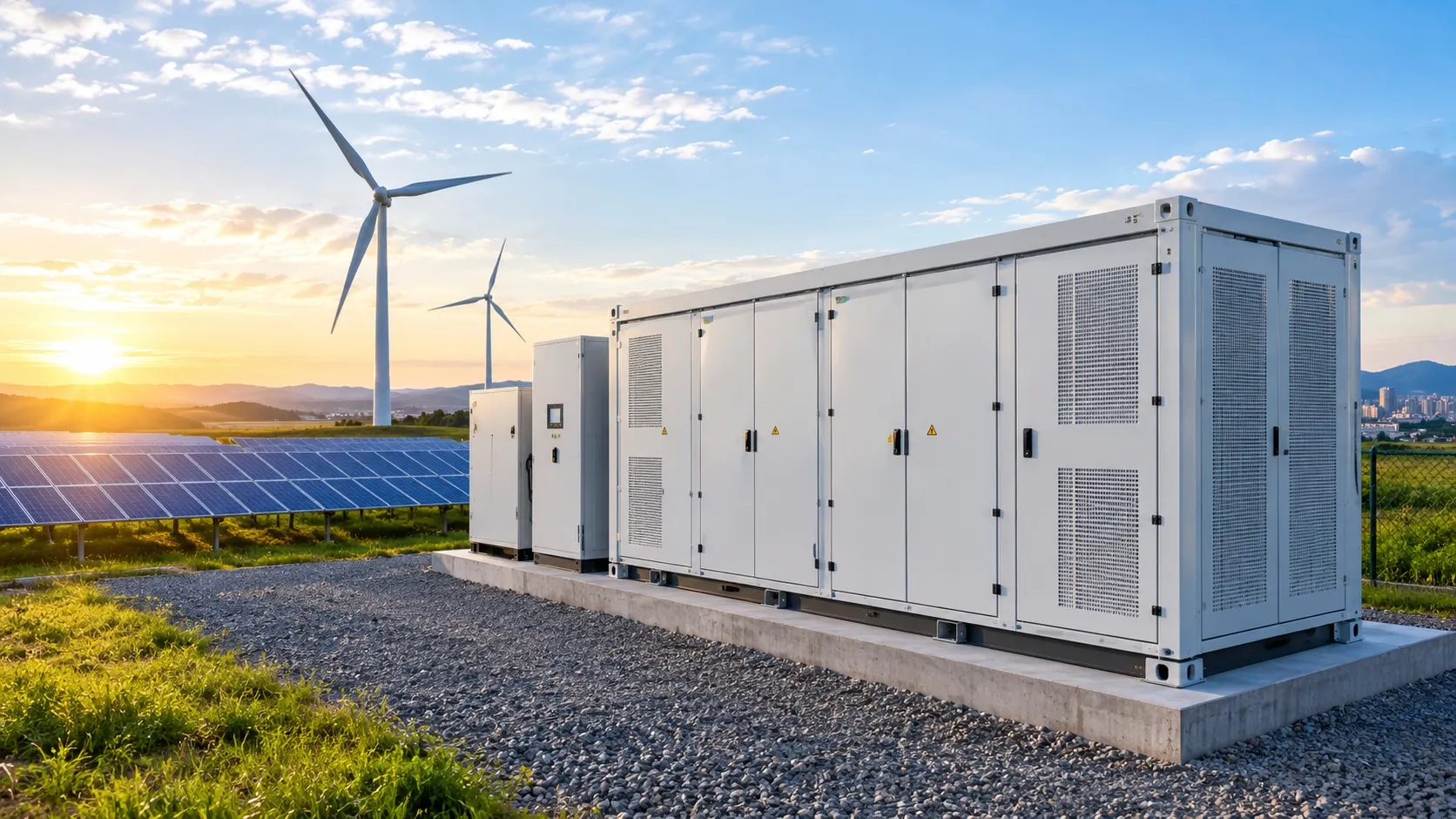
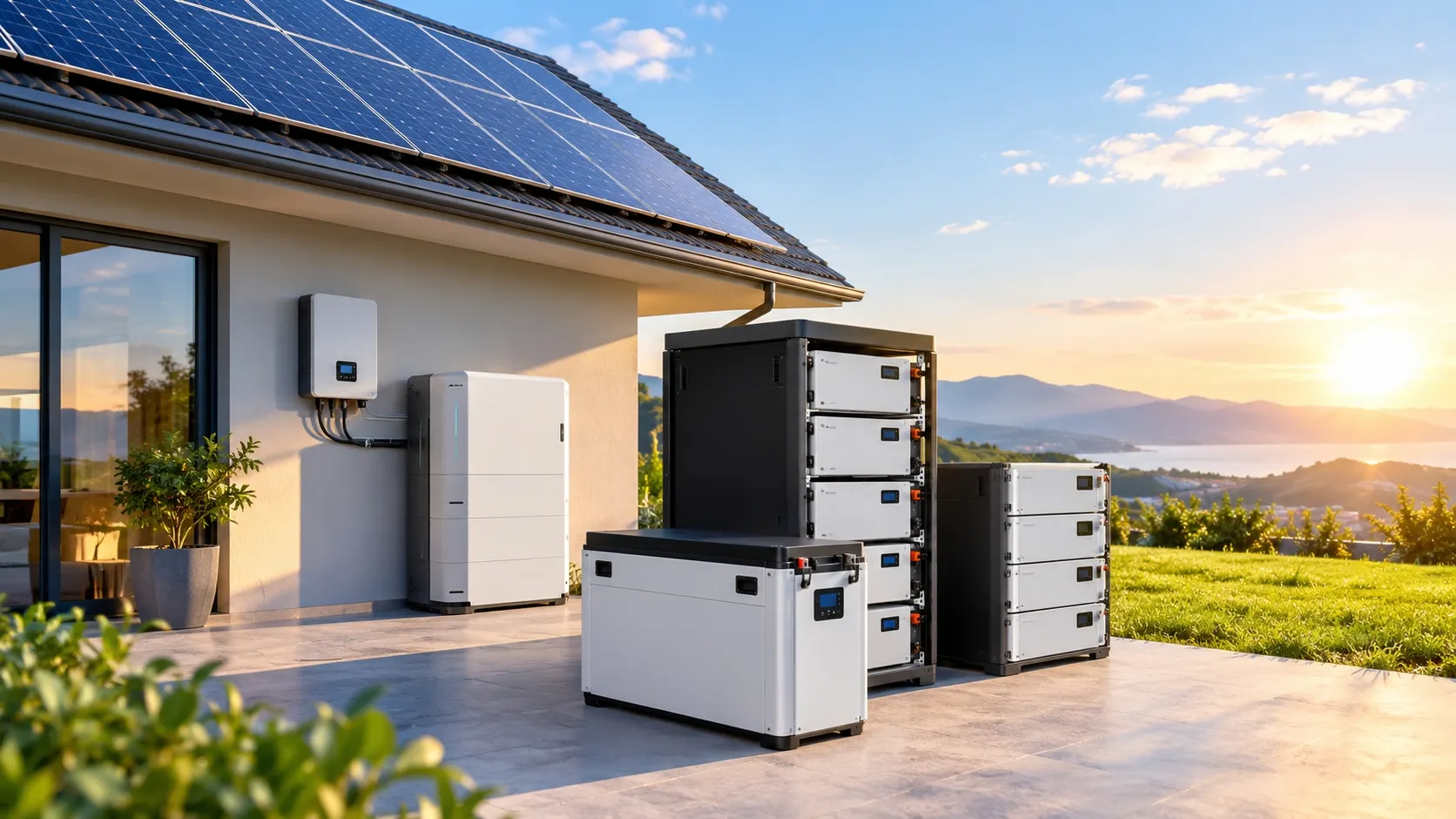
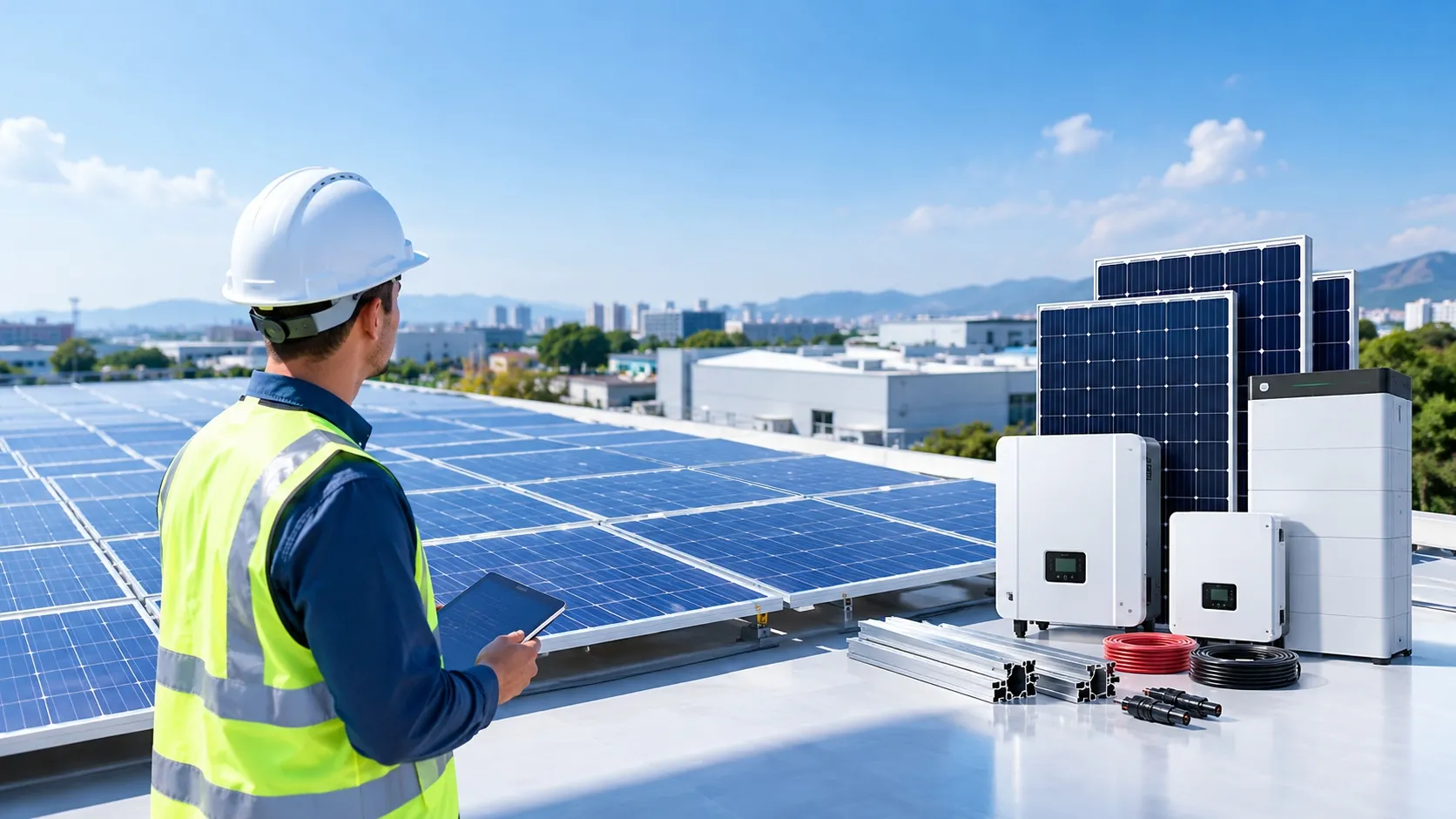
When you Buy Solar Panel System equipment in 2026, the solar module price is only one part of the investment. Panels generate DC electricity, but a usable system also requires power conversion, electrical protection, mounting, cabling and, in many projects, battery storage.
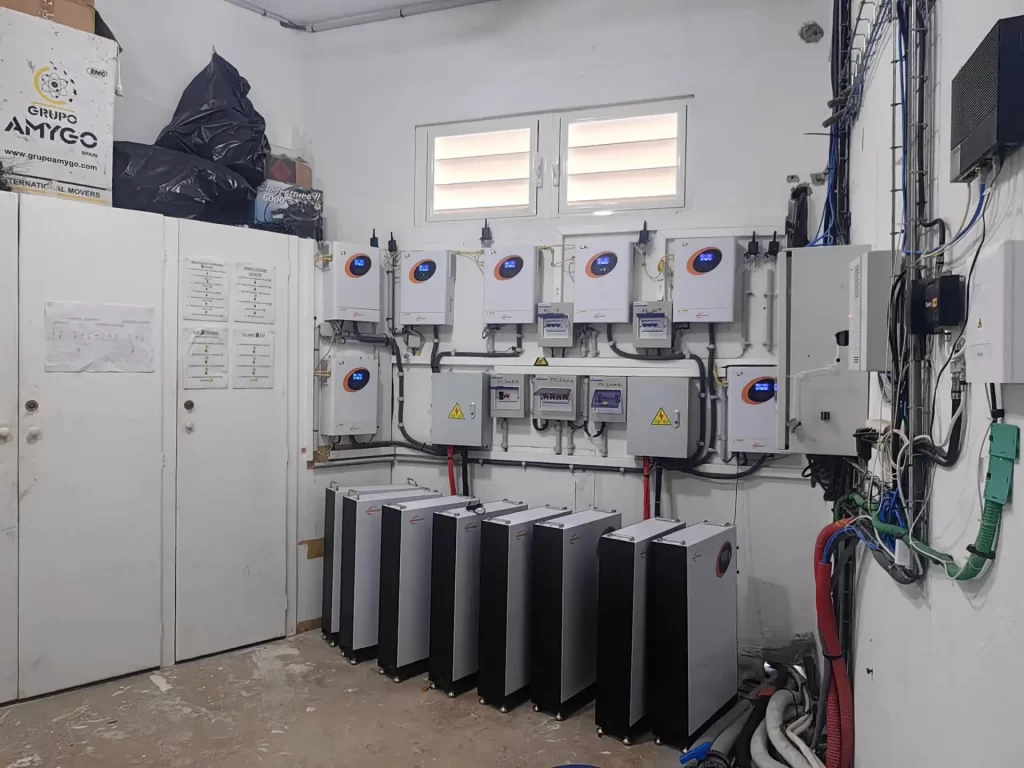
The total installed cost combines:
• Solar modules
• Inverter and energy controller
• Battery storage
• Mounting structure
• DC and AC protection
• Cables and monitoring
• Freight and import costs
• Installation and commissioning
• Long-term maintenance
Public Chinese supplier quotations show the difference: A 5kW grid-connected equipment kit may be listed at approximately US$1,420–1,500, while a 5kW system with around 10kWh of lithium storage may be quoted at approximately US$2,900–3,800 before overseas freight, duties and local installation.
What Does the Solar Module Price Cover?
A module quotation generally includes the cells, glass, aluminum frame, encapsulation materials, junction box, connectors, factory testing and standard packaging.
It normally excludes:
• Solar inverter
• Battery bank
• Mounting rails
• Combiner or distribution boxes
• DC isolators and circuit breakers
• Surge protection
• Solar cables
• Monitoring equipment
• Installation labor
This distinction matters because Chinese module prices in 2026 have generally remained far below the final system price. Public market references have placed mainstream Chinese module prices at roughly US$0.09–0.16/W, depending on technology, order date, volume and trade conditions. Prices rose from approximately US$0.09/W in late 2025 to about US$0.114/W by mid-April 2026, with higher levels discussed as the industry moved away from loss-making price competition.
For a 5kW array, this suggests a module-only value of approximately:
5,000W × US$0.09–0.16/W = US$450–800
That is far below the cost of a complete operational system.
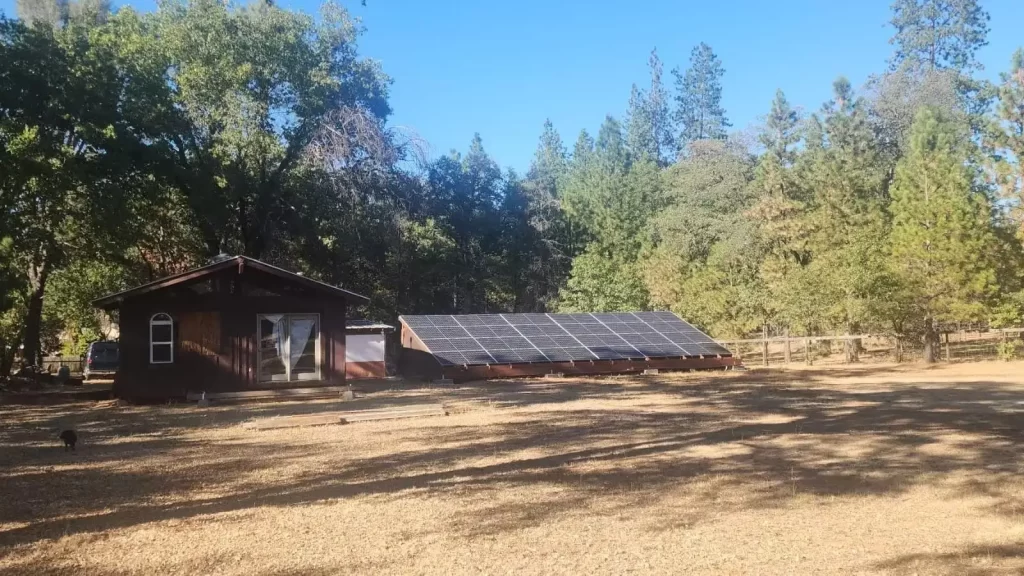
China Supplier Price Reference
The following ranges are based on public 2026 listings from Chinese suppliers. They are indicative equipment prices rather than fixed market averages.
| Component | Indicative China Price | 5kW Project Reference |
| Solar modules | US$0.09–0.16/W | US$450–800 |
| 5kW hybrid inverter | US$265–800 | US$265–800 |
| Advanced split/three-phase inverter | US$1,200–1,625 | US$1,200–1,625 |
| 5kWh LiFePO4 battery | US$630–690 | US$630–690 |
| 10kWh LiFePO4 battery | US$928–971 | US$928–971 |
| Roof mounting structure | US$0.025–0.059/W | US$125–295 |
| 5kW grid-tied equipment kit | — | US$1,420–1,500 |
| 5kW system with 10kWh storage | — | US$2,900–3,800 |
Public listings show common 5kW hybrid inverter offers from approximately US$265–800, while higher-specification split-phase or three-phase units can exceed US$1,200. A listed 5kWh wall-mounted LiFePO4 battery was priced at US$630–690, while a 10kWh floor-standing battery was listed at US$928–971.
Roof mounting quotations commonly fall around US$0.025–0.059/W FOB for standard pitched, flat or tile-roof structures, although wind load, corrosion resistance and roof design can change the final amount.
Why a Lower Panel Price May Not Lower the Project Cost
Inverter Design Is More Than a Power Rating
Before you Buy Solar Panel System equipment, the inverter must be checked against both the PV array and the connected loads.
Important parameters include:
• Maximum PV open-circuit voltage
• MPPT operating range
• Maximum current per MPPT
• Continuous AC output
• Motor-starting surge capacity
• Battery voltage range
• Maximum charging current
• Grid voltage and frequency
• Single-phase, split-phase or three-phase output
A low-cost 5kW inverter may be suitable for basic household loads but unsuitable for pumps, compressors or air conditioners with high starting current. Paying less for the inverter can therefore create additional equipment costs later.
Battery Capacity Must Be Based on Usable Energy
A 10kWh battery does not necessarily supply 10kWh to household loads.
A practical estimate is:
Required nominal capacity = Backup load ÷ allowable depth of discharge ÷ conversion efficiency
If a household requires 8kWh of backup energy, assuming 90% usable depth of discharge and 90% system efficiency:
8 ÷ 0.90 ÷ 0.90 = 9.88kWh
A battery close to 10kWh would therefore be required.
Lithium batteries are generally preferred for frequent cycling, higher usable capacity and faster charging. Sealed lead-acid batteries may reduce initial expenditure but usually require a larger nominal capacity to deliver the same usable energy.
BOS Equipment Protects the Investment
A professional quotation should specify the balance-of-system equipment rather than listing only panels, inverter and battery.
Typical BOS items include:
• PV combiner box
• String fuses
• DC and AC isolators
• Circuit breakers
• Surge protection devices
• Earthing materials
• Solar cables and connectors
• Smart meter or monitoring gateway
Removing these items may produce a lower quotation, but it does not represent a technically equivalent system.
Example: What Might a 5kW System Cost?
5kW Grid-Connected Equipment Package
A China-based equipment estimate may include:
| Item | Estimated Price |
| 5kW solar modules | US$450–800 |
| Grid-connected inverter | US$300–700 |
| Mounting structure | US$125–295 |
| Cables and protection | US$250–500 |
| Equipment subtotal | US$1,125–2,295 |
Public complete-kit quotations around US$1,420–1,500 fall within this broad range.
5kW Hybrid System with 10kWh Battery
| Item | Estimated Price |
| 5kW solar modules | US$450–800 |
| Hybrid inverter | US$400–1,200 |
| 10kWh LiFePO4 battery | US$900–1,200 |
| Mounting and BOS | US$400–800 |
| Equipment subtotal | US$2,150–4,000 |
This is consistent with public Chinese complete-system offers near US$2,900–3,800.
These figures normally exclude destination-port charges, import duties, VAT, local permits, installation labor and grid approval.
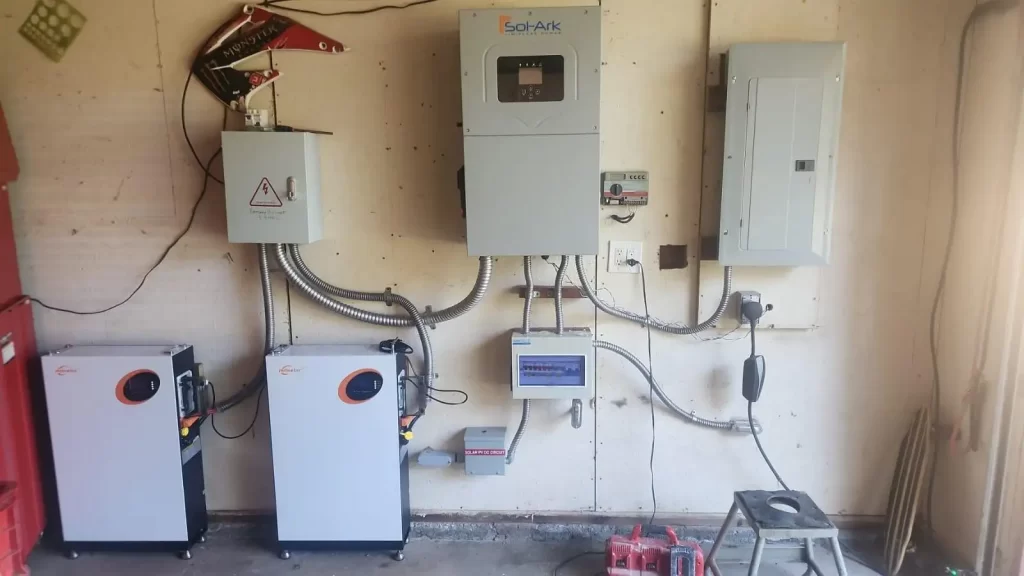
How to Compare Offers Before You Buy Solar Panel System
Use the same specification for every supplier:
• Identical PV capacity and module technology
• Identical usable battery capacity
• Equivalent inverter phase and surge rating
• The same mounting and electrical protection scope
• Clearly defined Incoterm
• Separate freight and duty calculations
• Confirmed warranty responsibilities
Also compare cost per installed watt and cost per usable battery kilowatt-hour—not merely the total quotation.
How JSDSolar Controls Total System Cost
For buyers planning to Buy Solar Panel System solutions, JSDSolar evaluates the complete power architecture rather than selecting each component independently.
The engineering process considers:
• Daytime and nighttime loads
• Backup duration
• PV string voltage and current
• Inverter MPPT limits
• Battery voltage and BMS communication
• Charging and discharging current
• Appliance surge demand
• Installation space
• Future expansion requirements
This coordinated approach helps reduce oversizing, missing components and battery-inverter incompatibility.
Founded in 2005 and headquartered in Shenzhen, JSDSolar has more than 30 R&D team members and over 50 product-related patents. Its experience across more than 100 countries and regions supports system configuration for different grid voltages, frequencies and operating environments.
Buy the Complete System, Not Only the Panels
When you Buy Solar Panel System equipment, a US$500 module package can become a US$3,000 or higher system once the inverter, battery, mounting and protection equipment are included.
Chinese supplier prices provide a useful starting point, but the correct comparison must use the same capacity, specification, warranty and delivery boundary. China's solar pricing environment also remained volatile in 2026 as regulators addressed below-cost competition and export incentives changed.
Planning to Buy Solar Panel System equipment? Contact JSDSolar for a load-based solar, inverter and storage configuration with a clearly defined supply scope.
FAQs
Q1. What information does JSDSolar need before making a solar system quotation?
JSDSolar considers details such as daily electricity usage, peak loads, appliance starting power, backup time, local solar conditions, grid voltage, output phase and available installation space. System configuration and cost are impacted by these details and must be analyzed for an accurate quotation.
Q2. Can JSDSolar supply a complete system with a quotation for all the components?
Yes, JSDSolar can supply the complete system that includes solar panels, inverters, battery storage, system controls and ancillary electrical components. Items like mounting structures and cables may not be included in the quote and may be subject to separate scoping for supply and/or installation.
Q3. How does JSDSolar estimate the required solar capacity?
Solar system capacity is estimated by calculating the daily energy requirement, the loss for the system, and the charging reserve. Dubai's seasonal variations, future energy demands, and shading must also be accounted for when buyers consider making a purchase.
Q4. How does JSDSolar determine the right battery capacity?
The battery capacity is determined by the required backup energy, depth of discharge, and the charging conditions. JSDSolar will also evaluate if the battery is required to support the essential loads or entire building during a grid outage.
Q5. Does JSDSolar provide lithium and sealed lead-acid batteries?
Yes. Depending on application, JSDSolar will recommend battery options that include lithium batteries and sealed lead acid batteries.


In This Article
- 1 What Does the Solar Module Price Cover?
- 2 China Supplier Price Reference
- 3 Why a Lower Panel Price May Not Lower the Project Cost
- 4 Battery Capacity Must Be Based on Usable Energy
- 5 BOS Equipment Protects the Investment
- 6 Example: What Might a 5kW System Cost?
- 7 How to Compare Offers Before You Buy Solar Panel System
- 8 How JSDSolar Controls Total System Cost
