


Top Residential Solar Manufacturer

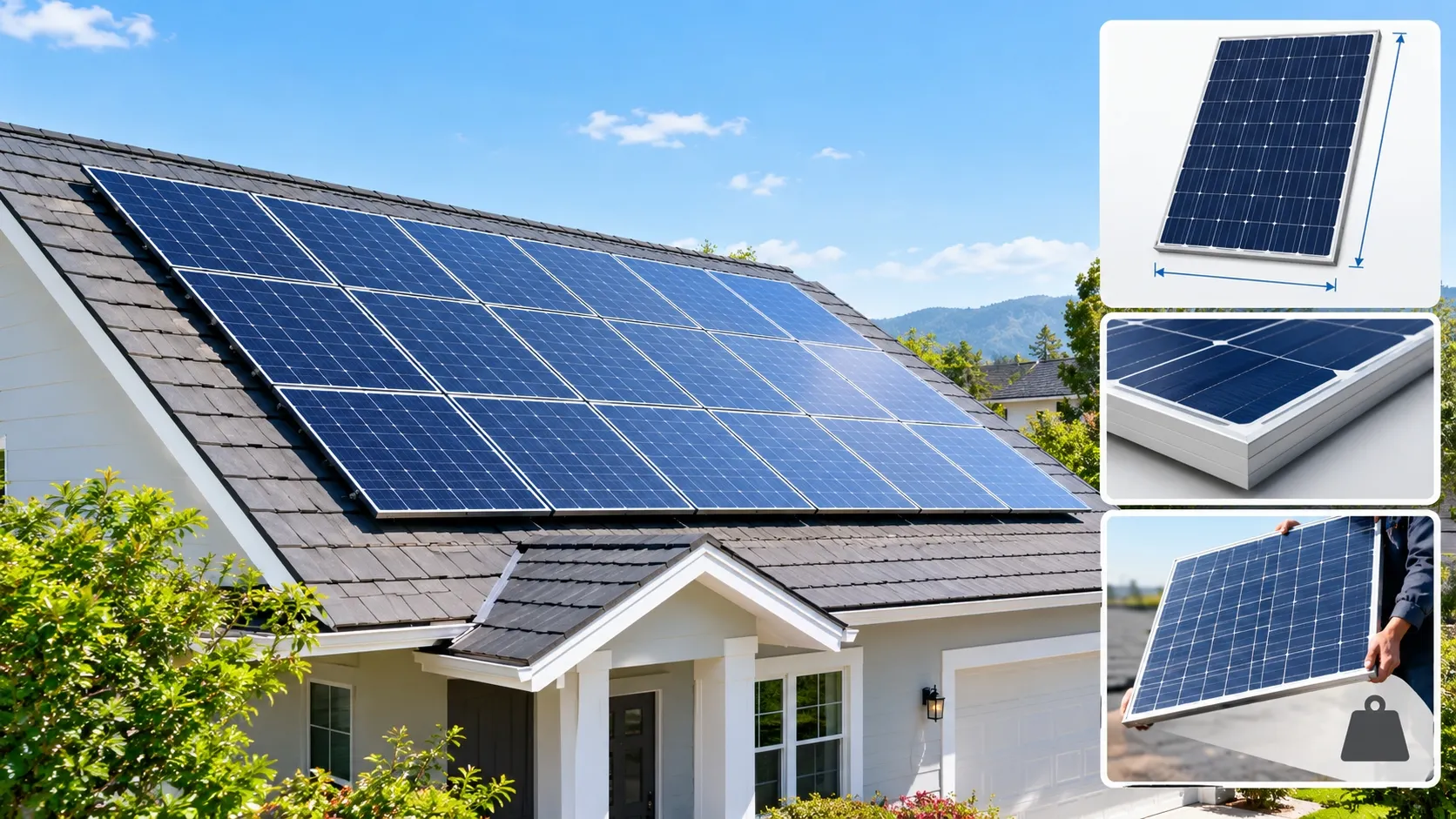
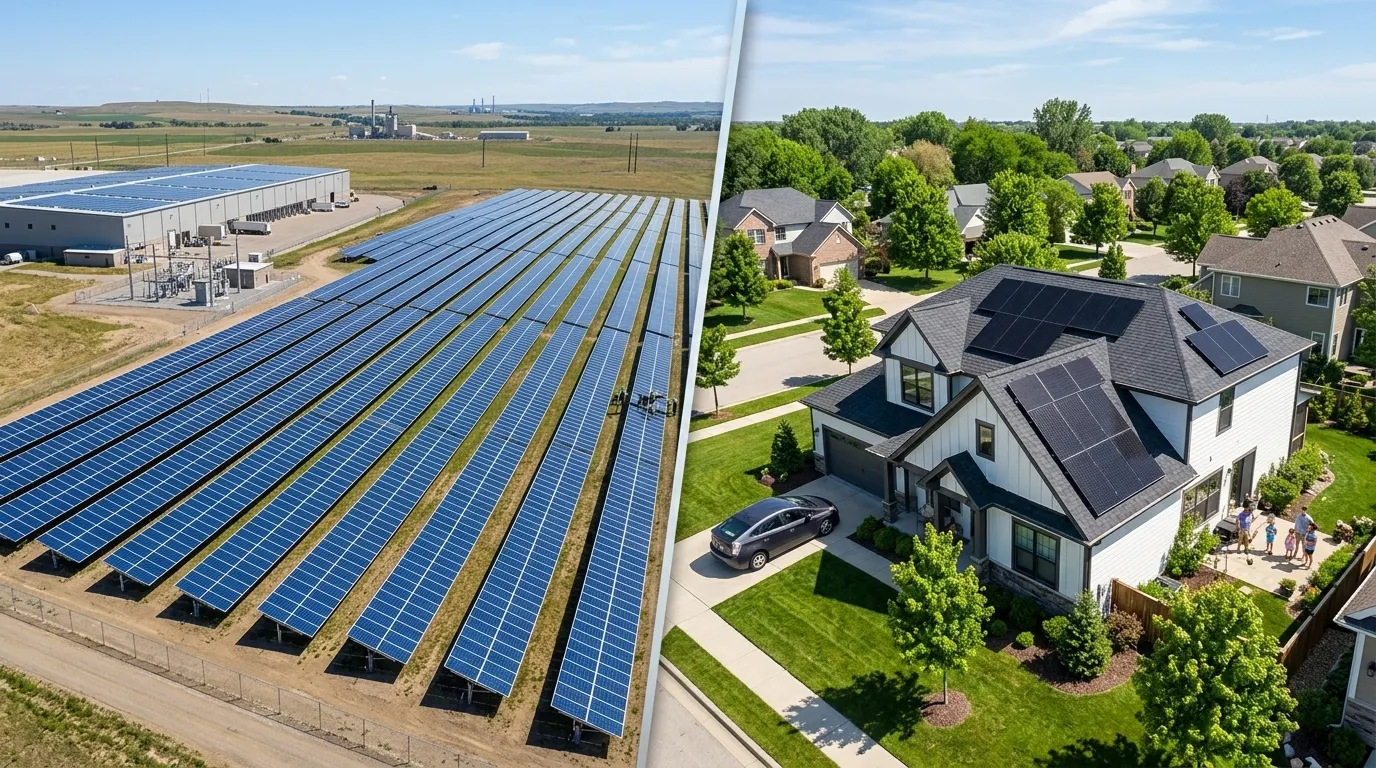
As households seek to cut their electricity bills, become more energy independent and move toward cleaner energy options, the need for home solar energy is on the rise. With solar technology gaining in efficiency and affordability, selecting a top residential solar manufacturer is a crucial choice for homeowners, solar installers, distributors and renewable energy companies.
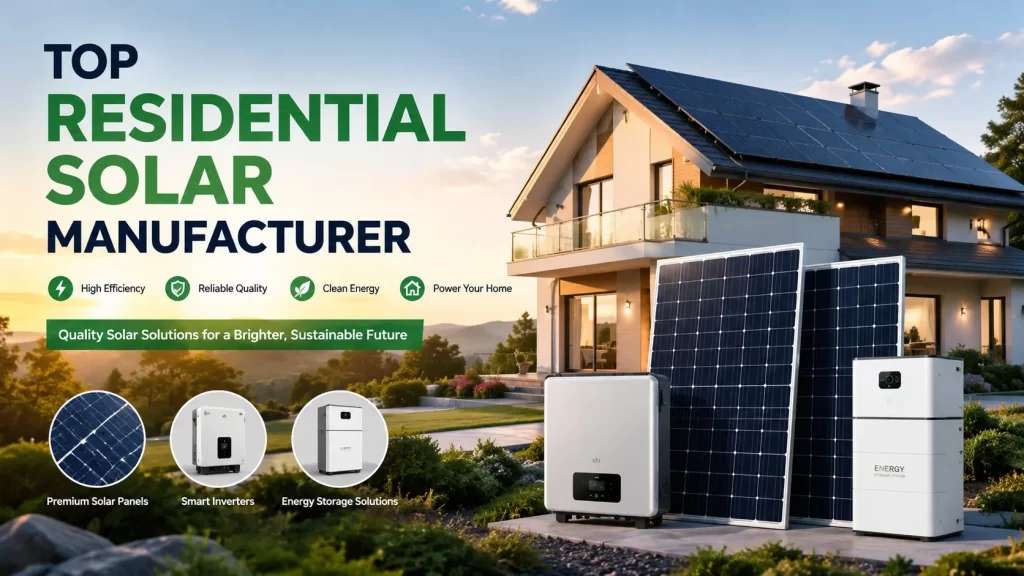
A top residential solar manufacturer is not just about creating solar panels. The top manufacturers offer a sound technology, quality, cutting-edge engineering, solid warranties, and scalable solutions built to suit today's homes.
What Is a Residential Solar Manufacturer?
A solar manufacturer who specializes in residential solar products are experts in manufacturing solar energy products for home use. It may have various products, depending on the company, such as:
- Residential solar panels
- Monocrystalline photovoltaic modules
- Solar inverters
- Microinverters
- Residential battery storage systems
- Solar mounting systems
- Energy management equipment
- Complete residential solar solutions
The aim is to capture sunlight and transform it into a readily available electricity source that would enable households to lessen their reliance on conventional electricity services.
Buyers should not only consider the look of the product and the nominal power ratings, when considering a top residential solar manufacturer. Quality, efficiency, durability, certifications, warranty and long-term technical support are also very important.
Why Manufacturer Quality Matters
Solar panels are investments in energy! A solar system installed at home can be in use for 25 years or longer, and so its reliability can greatly influence the ROI.
A good manufacturer will concentrate on a few key points.
1. High Solar Panel Efficiency
The efficiency of a solar panel is a measure of its ability to convert sunlight into electricity. More-sophisticated panels can produce more electricity from the same roof space.
Monocrystalline solar panels are highly efficient and are a good choice for residential properties where roof space is limited.
But efficiency is not the only thing to be taken into account. Real world energy output, mechanical durability, degradation rate and temperature performance are also significant.
2. Reliable Manufacturing Processes
A top residential solar manufacturer should have strict quality-control procedures throughout production.
Important manufacturing factors include:
- High-quality photovoltaic cells
- Automated production processes
- Consistent module assembly
- Electroluminescence testing
- Performance testing
- Environmental stress testing
- Quality inspections before shipment
These processes help reduce the risk of defects and improve long-term system performance.
3. Long-Term Durability
Residential solar panels are exposed to changing weather conditions for decades. Rain, snow, wind, heat, humidity, and temperature fluctuations can all affect system performance.
A reliable manufacturer designs solar modules to withstand demanding outdoor environments. Strong encapsulation materials, durable frames, high-quality glass, and advanced cell technologies can help protect the photovoltaic cells.
For homeowners in regions with extreme weather, durability should be a major purchasing consideration.
Key Features of Leading Residential Solar Manufacturers
The best manufacturers generally combine technology, quality, and customer support.
Advanced Solar Cell Technology
Solar manufacturers continue to improve photovoltaic cell technology to increase power output and reduce energy losses. Technologies such as N-type cells, TOPCon, heterojunction technology, and other advanced cell architectures can provide higher efficiency and improved performance.
Low Degradation Rates
Solar panels naturally experience gradual degradation over time. A lower degradation rate means the panel can maintain a larger percentage of its original power output over its operating life.
When comparing manufacturers, buyers should review both product warranties and performance warranties to understand expected long-term output.
Strong Warranty Protection
Warranty coverage is another important factor when selecting a residential solar manufacturer.
A reputable supplier may provide separate warranties covering product quality and power performance. Buyers should carefully check:
- Product warranty period
- Performance warranty period
- Degradation guarantees
- Warranty claim procedures
- Replacement policies
- Manufacturer support
A strong warranty demonstrates confidence in product reliability, although buyers should also consider the manufacturer's financial stability and history.
How to Choose the Top Residential Solar Manufacturer
There is no single manufacturer that is ideal for every residential solar project. The right choice depends on location, budget, roof size, energy requirements, and installation conditions.
Consider these factors before making a decision.
Product Performance
Compare module efficiency, power output, temperature coefficient, degradation rate, and mechanical load ratings.
A panel with a higher wattage rating is not automatically the best option. System performance depends on the complete combination of panel specifications, inverter technology, roof orientation, shading, installation quality, and local climate.
Certifications and Standards
A professional solar manufacturer should meet relevant international and regional quality and safety standards.
Depending on the target market, buyers may need products that comply with applicable photovoltaic module, electrical safety, fire, and grid-connection requirements.
For installers and distributors, certification is particularly important because non-compliant products may create regulatory and project risks.
Manufacturing Capacity
For distributors, solar installers, and large residential projects, manufacturing capacity can be just as important as product quality.
A capable manufacturer should be able to provide:
- Stable production capacity
- Consistent product specifications
- Reliable delivery schedules
- Multiple product options
- OEM or customized solutions when available
- Professional technical support
Stable supply can help businesses avoid project delays and inventory shortages.
Technical Support
Solar technology is becoming increasingly sophisticated. Professional technical support can help installers select appropriate modules, understand electrical specifications, and resolve installation or performance issues.
A strong manufacturer should offer clear product documentation, installation instructions, technical datasheets, and responsive customer service.
Residential Solar Manufacturer vs. Solar Installer
It is also important to understand the difference between a solar manufacturer and a solar installer.
The manufacturer produces solar equipment, while the installer designs and installs the system at a customer's property.
For homeowners, the installer may be the primary point of contact. However, the quality of the manufacturer's products can still have a significant effect on system performance and long-term reliability.
For solar distributors and installers, establishing relationships with reputable manufacturers can provide better product availability, technical resources, and long-term business support.
Why Residential Solar Manufacturing Is Growing
Several market trends are supporting continued residential solar adoption.
Rising electricity prices encourage homeowners to explore alternative energy sources. At the same time, improvements in solar panel efficiency and battery storage are making residential renewable energy systems increasingly practical.
Energy storage is particularly important. By combining solar panels with a home battery, homeowners can store excess daytime electricity and use it when solar generation is low.
This creates opportunities for manufacturers that can provide integrated solar-plus-storage solutions.
Frequently Asked Questions
What makes a top residential solar manufacturer?
A top residential solar manufacturer typically combines high-quality products, advanced photovoltaic technology, reliable manufacturing, strong warranties, certifications, stable supply capacity, and professional technical support.
How long do residential solar panels last?
High-quality residential solar panels are generally designed for long-term operation, often with performance warranties covering several decades. Actual service life depends on product quality, installation, climate, and maintenance.
Are high-efficiency solar panels better?
The high efficiency panels are particularly useful in low roof space situations. But there are other factors that buyers must consider such as durability, degradation rate, warranty coverage, temperature performance, and overall system cost.
Should homeowners choose solar panels based only on price?
No. The purchase price, alone, may not be the lowest total cost for the life of the system. All of these are important factors to consider: reliability, energy production, warranty support, installation quality, and long-term performance.
Conclusion
Choosing a top residential solar manufacturer is an important step toward building a reliable and efficient home solar energy system. Good manufacturers will offer cutting edge PV technology, quality control, quality materials, reliable warranties and support.
The best solar supplier will offer homeowners, installers and solar distributors more than good prices. Various factors such as product efficiency, long-term reliability, manufacturing capacity, certifications, technical support and compatibility with energy storage should be taken into account before a final decision is made.
Manufacturers that focus on higher efficiency solar cells, increased durability, intelligent energy management, and integrated battery storage will have the best chance of delivering the next generation of clean energy.
Comparing manufacturers by comparing them on quality, technology, reliability, warranty protection, and long-term value provides buyers with more information to help them make better choices to construct residential solar systems that will provide reliable clean energy for years of use.
Share on Social:


In This Article
- 1 What Is a Residential Solar Manufacturer?
- 2 Why Manufacturer Quality Matters
- 3 Key Features of Leading Residential Solar Manufacturers
- 4 How to Choose the Top Residential Solar Manufacturer
- 5 Residential Solar Manufacturer vs. Solar Installer
- 6 Why Residential Solar Manufacturing Is Growing
- 7 Frequently Asked Questions
- 8 Conclusion
