


Commercial Solar Energy for Businesses: Benefits & Costs
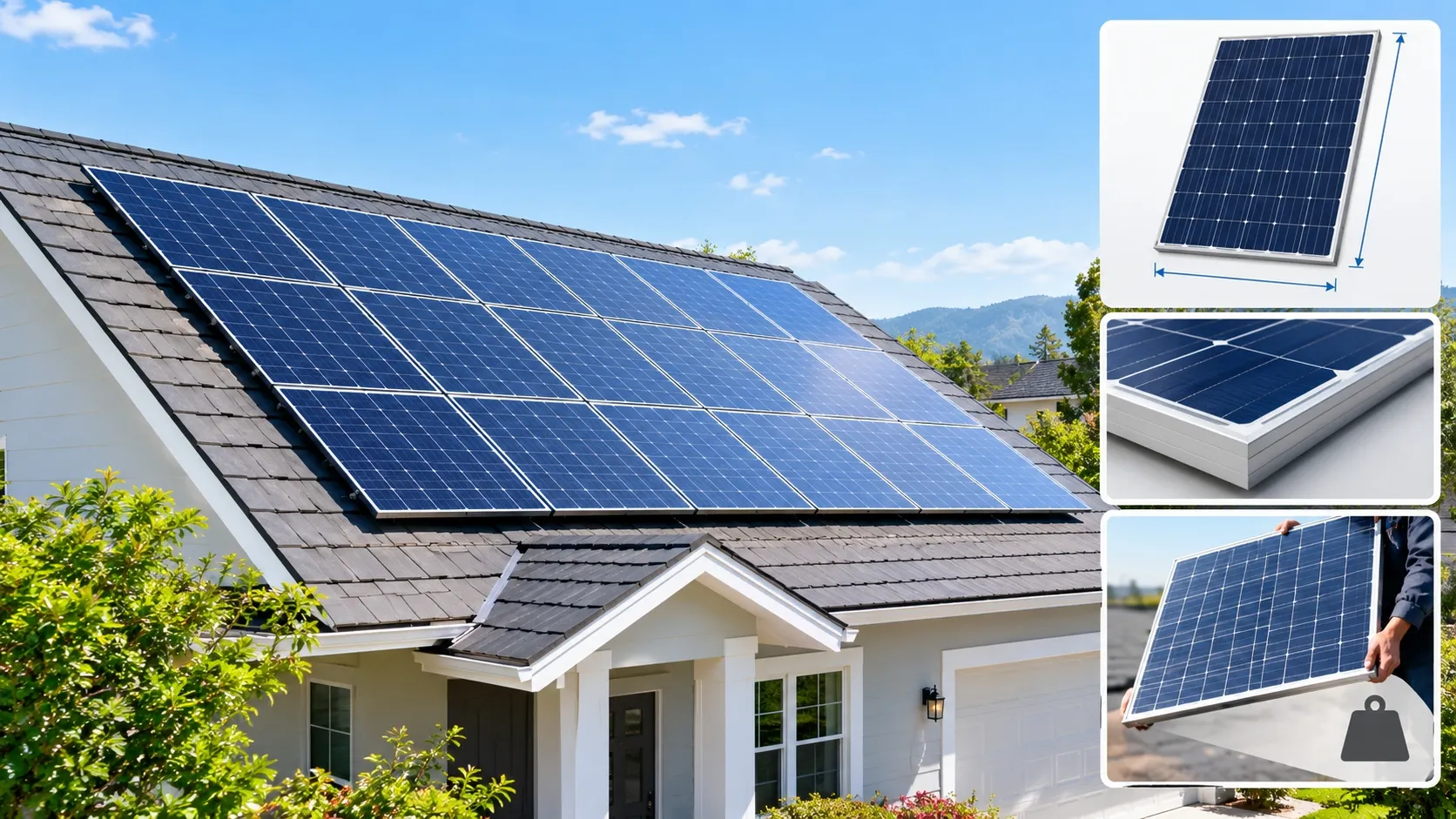
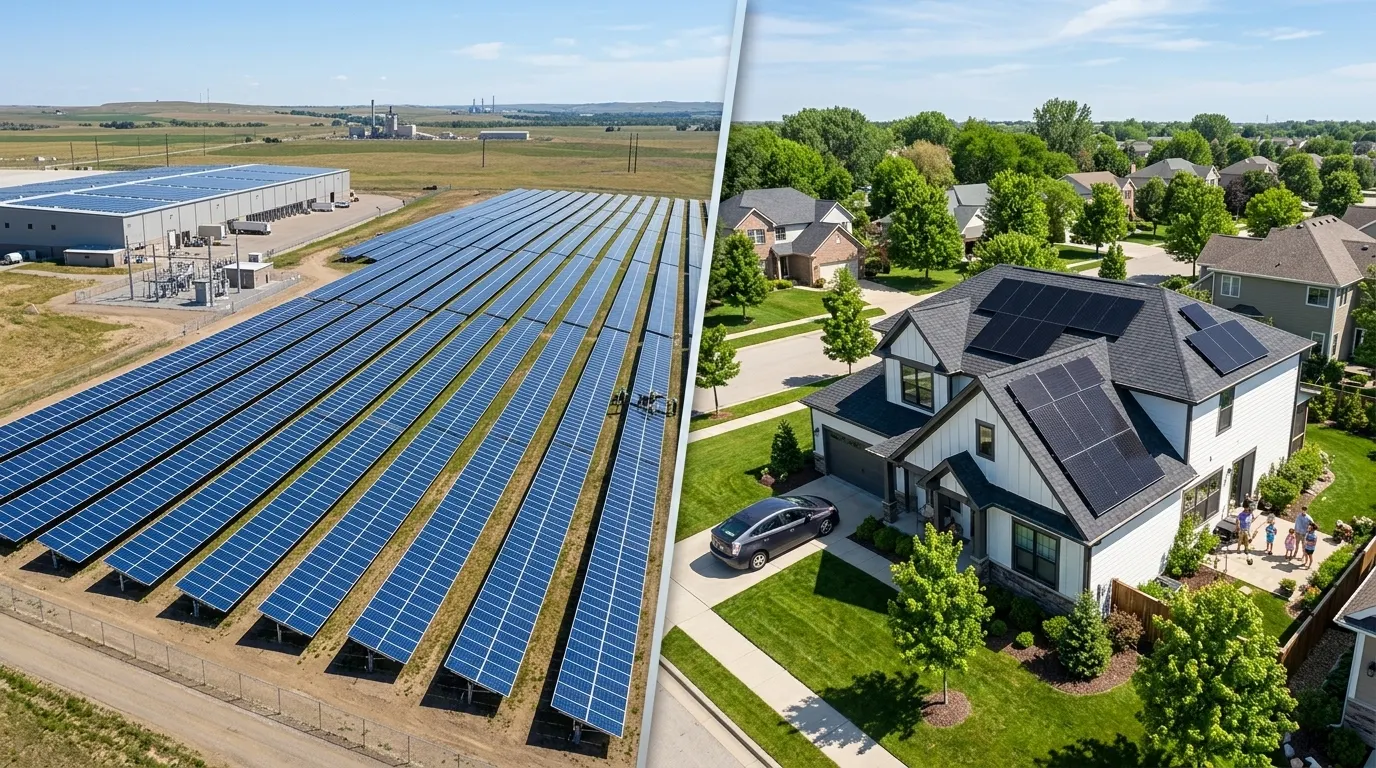
For many companies, manufacturing plants, warehouses, retail outlets, office buildings, hotels and farms – to name a few – electricity is a significant operating cost. Energy costs are unpredictable and companies want to invest in more sustainable methods of working, solar power for businesses is more and more appealing.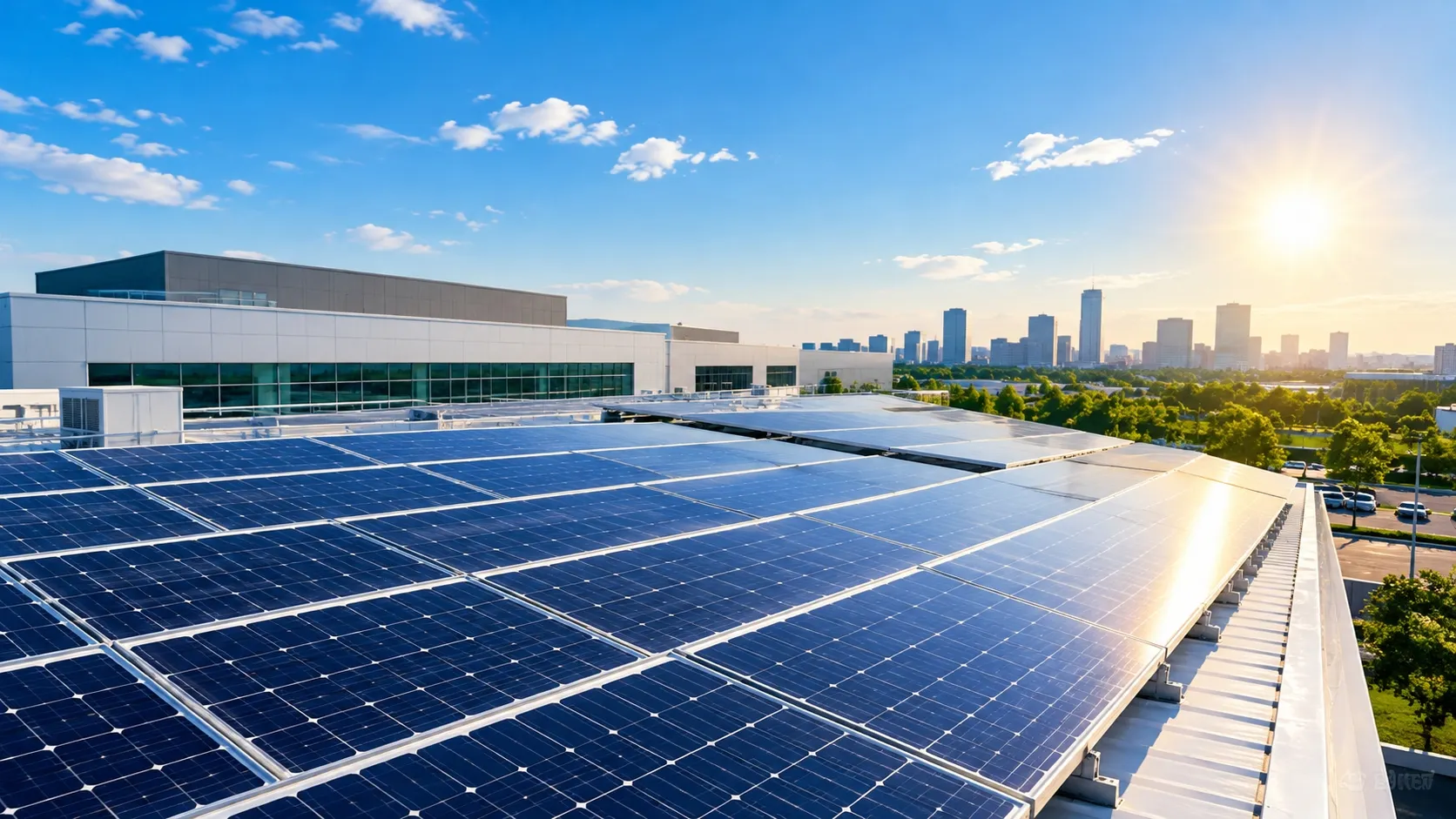
Businesses using solar power systems can also harness the energy from the sun to produce electricity, cut their reliance on grid power and save a lot in the long-term. Solar panels can boost cash flow for the facility and contribute towards environmental objectives, depending on the amount of energy being used, roof conditions, local electricity prices, and incentive programs.
But solar power isn't necessarily the answer for all businesses. It is important to know the pros, cons, costs and money factors before deciding on the purchase.
This guide provides an overview of commercial solar, why commercial businesses invest in solar, and how to decide if solar is right for your business.
1. What Is Commercial Solar Energy?
Commercial solar power is electricity produced by photovoltaic (PV) panels located at commercial buildings. These systems generate electricity directly from the sun, or direct current (DC) electricity, which is converted to alternating current (AC) electricity by an inverter for use by commercial equipment and building systems.
A typical solar commercial installation consists of:
-
Solar panels: Capture sunlight and generate electricity.
-
Solar inverters: Convert DC electricity into usable AC power.
-
Mounting systems: Secure panels to rooftops, parking structures, or ground-mounted frames.
-
Monitoring equipment: Tracks energy production and system performance.
-
Battery storage (optional): Stores excess electricity for later use or eligible backup applications.
Businesses can install rooftop solar panels, ground-mounted solar arrays, or solar carports over parking areas. The best option depends on available space, structural conditions, energy demand, and project budget.
2. Key Benefits of Solar Energy for Businesses
Lower Monthly Electricity Bills
The most significant advantage of using commercial solar panels is that they can help to save on electricity costs. Rather than buying their power from the utility grid, businesses can buy electricity from power sources on-site.
Solar power may be especially suited for facilities that use a large amount of electricity during the daylight hours. For plants, distribution centres and commercial buildings where there are cooling needs during the day, solar generation can offset some of the need for the traditional energy source.
Actual savings are subject to system size, electric rates, utility billing procedures and the amount of electricity produced that is used onsite.
Greater Protection Against Rising Energy Costs
Electricity prices can change because of utility rate adjustments, market conditions, and regional energy demand. Installing a commercial solar system can reduce exposure to some of these fluctuations by allowing a business to generate part of its own electricity.
Although solar does not eliminate every utility charge, it can make a portion of long-term energy costs more predictable.
For businesses with tight operating margins, improved energy-cost visibility can support more effective financial planning and budgeting.
Improved Sustainability and Environmental Performance
Solar power generates electricity without directly burning fossil fuels during operation. As a result, it can help businesses reduce the greenhouse gas emissions associated with their electricity consumption.
A commercial solar installation can also support corporate sustainability programs, environmental reporting, and customer expectations for responsible business practices.
Companies seeking to improve their environmental performance should evaluate the emissions associated with their existing electricity supply and estimate how much solar generation could reduce their overall footprint.
Potential Long-Term Financial Returns
Commercial solar is a long-term infrastructure investment. Although the initial installation requires capital, the system can generate electricity for decades when properly designed and maintained.
The financial return depends on installation costs, financing arrangements, energy production, electricity prices, operating expenses, and applicable incentives.
Businesses should evaluate projected lifetime savings rather than focusing only on the initial price. A professional financial assessment can estimate the payback period, return on investment (ROI), and long-term cash-flow impact.
3. How Much Does Commercial Solar Energy Cost?
The cost of installing commercial solar panels varies significantly depending on the project's size and complexity. A small retail building may require a relatively modest system, while a large manufacturing facility could need hundreds of kilowatts or several megawatts of solar capacity.
The main factors affecting commercial solar installation costs include:
-
System capacity: Larger systems generally have higher total costs but may benefit from economies of scale.
-
Roof condition: Roof repairs or reinforcement may increase project expenses.
-
Equipment selection: Panel efficiency, inverter technology, and mounting systems influence the budget.
-
Electrical upgrades: Some facilities require additional electrical infrastructure to connect the solar system.
-
Battery storage: Adding batteries increases upfront costs but may provide additional flexibility and backup capabilities.
-
Permits and installation: Local regulations, labor costs, and project complexity affect the final price.
Businesses can compare cash purchases, solar loans, leases, and power purchase agreements (PPAs), where available. Each option has different implications for ownership, cash flow, maintenance responsibilities, and financial returns.
Before signing a contract, request a detailed proposal that includes installation costs, estimated annual electricity production, operating expenses, warranties, and projected savings.
4. Tax Incentives and Financial Assistance
Government incentives and local energy programs may improve the economics of commercial solar projects. Depending on the business, location, and applicable rules, potential opportunities may include grants, utility rebates, renewable energy certificates, or tax-related benefits.
However, solar incentives are not guaranteed, and eligibility requirements can change. Businesses should verify current federal, state, and local rules before including any incentive in their investment calculations.
In the United States, the availability and timing of federal clean-energy tax benefits depend on the applicable legislation, project ownership structure, construction and service dates, and other eligibility requirements. Businesses should consult a qualified tax professional rather than assume that a particular credit or deduction will apply.
A reliable financial analysis should calculate project returns under multiple scenarios, including a conservative estimate that excludes uncertain incentives.
5. Potential Disadvantages of Commercial Solar
Although solar power offers meaningful advantages, businesses should consider its limitations before investing.
High Initial Investment
Purchasing and installing a commercial solar system can require substantial upfront capital. Financing may reduce the immediate cash burden, but interest, fees, and contractual obligations must be considered.
Businesses should compare solar investment returns with other potential uses of their capital.
Space and Roof Limitations
Not every commercial property has sufficient unobstructed space for solar panels. Shading from nearby buildings, trees, or rooftop equipment can reduce energy production.
A structural assessment is also important. If a roof needs replacement soon, completing the roofing work before installing solar panels may help avoid additional costs later.
Variable Energy Production
Solar panels generate less electricity at night and may produce less during cloudy weather or certain seasons. Actual output depends on location, orientation, shading, temperature, and equipment performance.
Businesses that operate around the clock may need to combine solar generation with grid electricity, battery storage, or other energy sources.
Backup Power Requires Additional Planning
A standard grid-connected solar system generally shuts down during a utility outage for electrical safety reasons. Solar panels alone therefore do not automatically provide backup power.
Businesses that need electricity during outages may require compatible battery storage, appropriate inverters, and backup-capable electrical equipment. Critical operations should be evaluated separately to determine their power requirements and backup duration.
6. How to Calculate the Return on Investment
Businesses can assess commercial solar energy by comparing the cost of the whole project to the expected financial savings during the system's useful life.
A simplified calculation is:
Annual net savings = annual avoided electricity costs + other verified benefits − annual operating costs
The simple payback period can then be estimated as:
Net initial investment is the upfront expense, and annual net savings are the annual savings after expenses.Payback period = net initial investment / annual net savings.
For instance, a hypothetical solar project that costs $150,000, once verified incentives have been applied, and generates $20,000 in annual net savings has a simple payback period of 7.5 years.
It is an example and not a market quote or a quote of what can be guaranteed. Actual results may vary due to price of electricity, system degradation, maintenance, financing costs, and rules of utility compensation.
Businesses should also think about the following to determine the full picture: discount rates, cash flow timing, equipment replacement and electricity rates.
7. How to Choose the Right Commercial Solar System
The first step towards choosing the appropriate solar solution is to comprehend the energy requirements and property specifications of the business.
Step 1 – Check electricity bills. Review 12 months of utility bills to see how much energy is being used, what are the demand charges, and what is the energy usage trend through the year.
Step 2: Assess the property. Assess the roof health and available installation area, shade, structural ability, and electrical requirements.
Step 3: Determine the appropriate system size. Aligning solar generation with energy use and utility billing system.
Step 4: Research the best installers. Get quotes from professional solar companies that have a proven track record and evaluate quotes based on equipment, project design, warranties, services, and estimates.
Step 5: Check financial alternatives. Analyse and make comparisons between cash buying, loans, leases and PPAs where applicable, considering ownership and long term commitments.
Step 6: Schedule monitoring & maintenance. Determine the monitoring process, repair process and guarantees of performance.
The proper design should be based on the real operating need of the facility instead of merely maximising the number of panels installed.
8. Which Businesses Benefit Most From Solar Energy?
Commercial solar can be particularly attractive for businesses with high daytime electricity consumption and suitable installation space.
Examples include:
-
Manufacturing facilities with energy-intensive production equipment.
-
Warehouses and distribution centers with large rooftops.
-
Retail stores and shopping centers with substantial cooling loads.
-
Office buildings with regular daytime occupancy.
-
Farms and agricultural operations with significant electricity requirements.
-
Hotels and other commercial properties with consistent energy demand.
Businesses that own their properties and expect to remain at the same location for many years may find it easier to capture the long-term benefits of solar investment.
Nevertheless, every project requires an individual assessment. High electricity bills alone do not guarantee an attractive return.
Frequently Asked Questions
Is commercial solar energy worth it?
Commercial solar may be worthwhile when electricity savings and other verified benefits outweigh installation, financing, and operating costs. A site-specific financial analysis is the best way to assess its value.
How long do commercial solar panels last?
Many commercial solar panels have performance warranties extending approximately 25 to 30 years. Their actual service life and electricity output depend on product quality, installation, environmental conditions, and maintenance.
Can a business operate entirely on solar power?
Some businesses can meet a large share of their electricity needs with solar, but operating entirely on solar requires careful planning. Nighttime demand, seasonal production, battery capacity, and backup requirements must all be addressed.
Does commercial solar require regular maintenance?
Commercial solar systems generally require relatively little routine maintenance, but periodic inspections, performance monitoring, and occasional cleaning or repairs may be necessary.
Conclusion
Using solar power for businesses can be a viable solution to lower the costs of electricity, make energy costs more predictable and work toward long-term sustainability objectives. Solar panels can provide meaningful financial returns over the life of the system for organisations that have an electric load match with the property's characteristics.
There is no substitute for planning in a successful project. Before committing, businesses should consider various factors, such as energy savings, building conditions, installation expenses, financing alternatives, existing incentives, and anticipated energy performance.
Through these comparisons, business owners can evaluate if commercial solar power is a viable option for their operations and long-term investment goals, taking into account realistic financial projections.
Share on Social:


- NEXT: Solar Panel Size and Weight
- NEXT: Null
In This Article
- 1 1. What Is Commercial Solar Energy?
- 2 2. Key Benefits of Solar Energy for Businesses
- 3 3. How Much Does Commercial Solar Energy Cost?
- 4 4. Tax Incentives and Financial Assistance
- 5 5. Potential Disadvantages of Commercial Solar
- 6 6. How to Calculate the Return on Investment
- 7 7. How to Choose the Right Commercial Solar System
- 8 8. Which Businesses Benefit Most From Solar Energy?
- 9 Frequently Asked Questions
- 10 Conclusion
