


Solar Panel Size and Weight
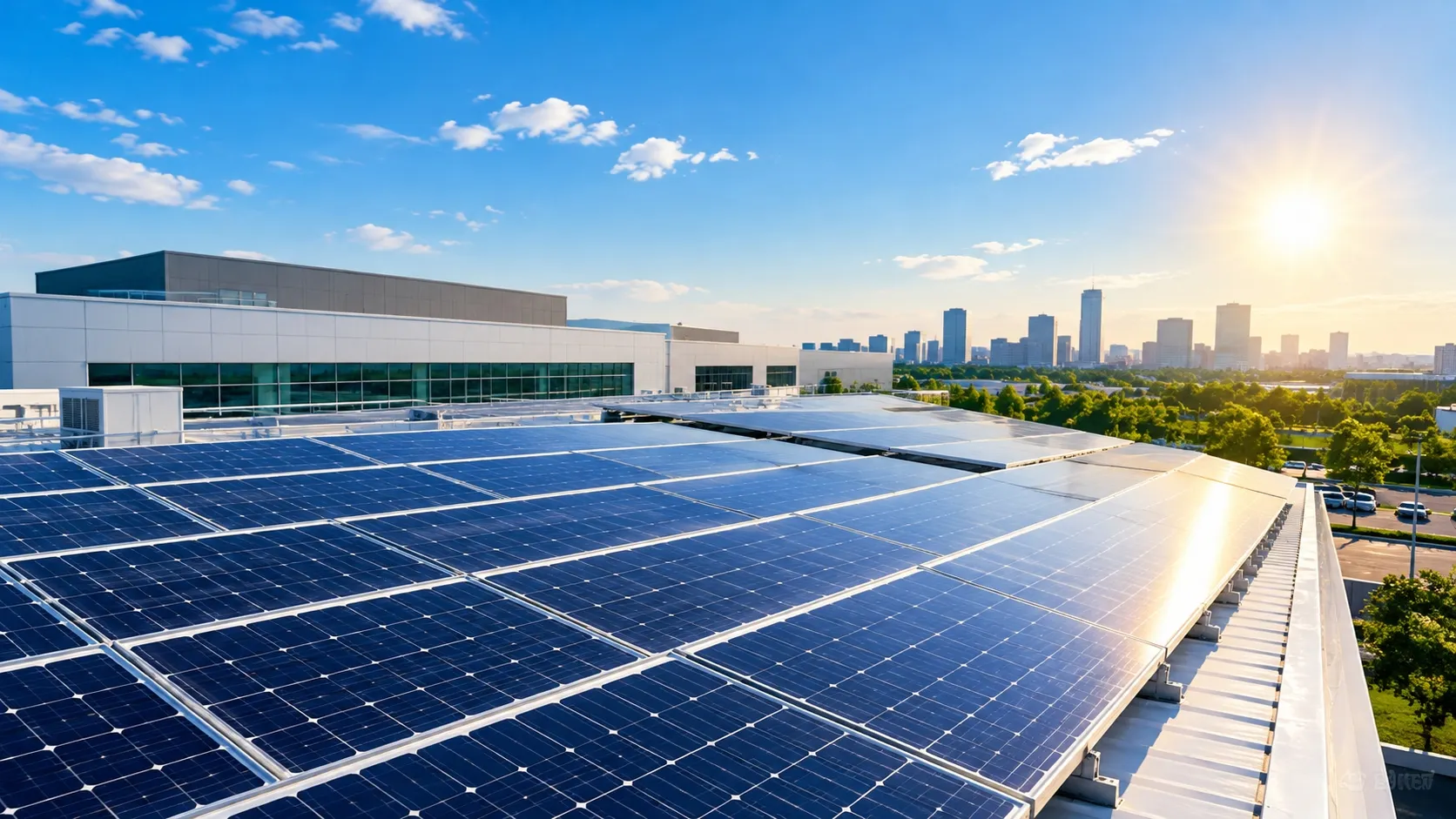
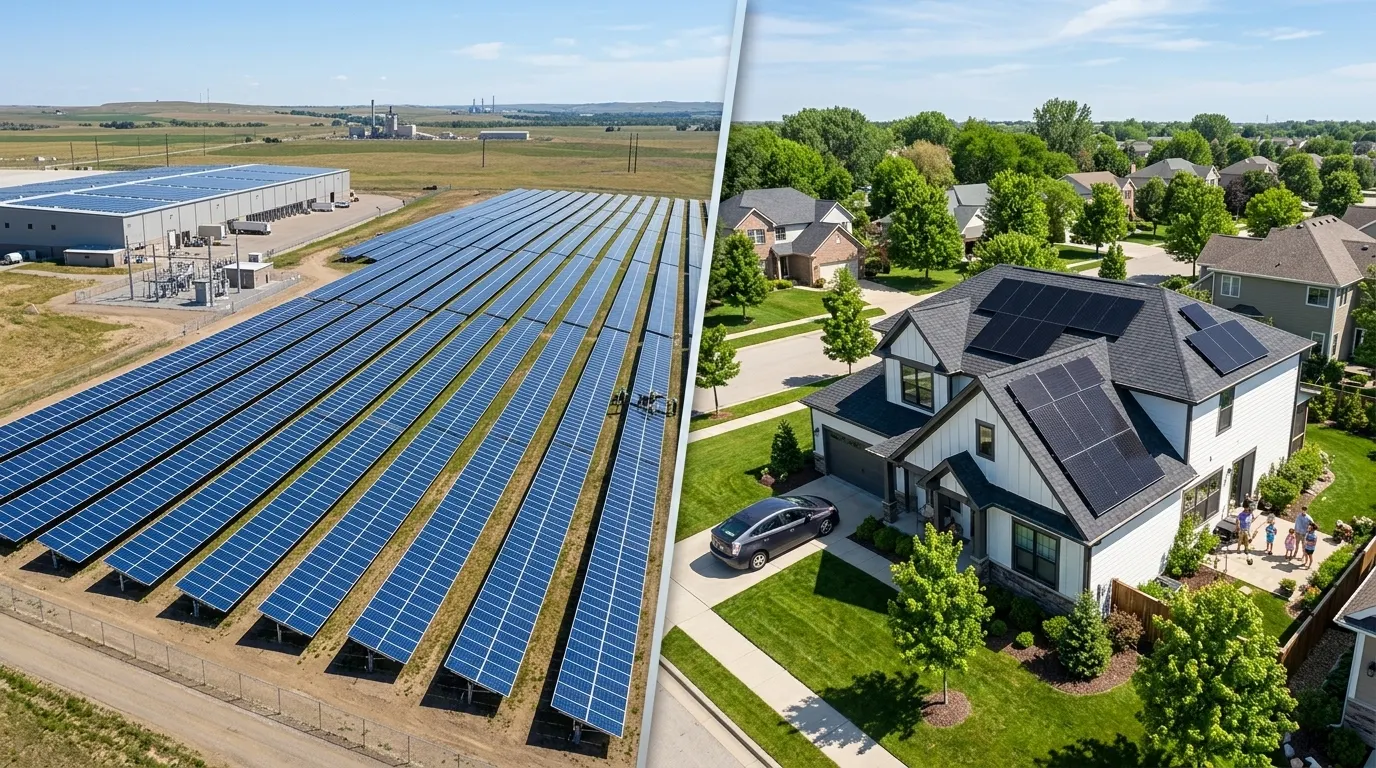
Before installing a residential solar power system, it's crucial to keep in mind the size and the weight of the solar panels. The size of each panel will determine the number of modules that fit on your roof and the weight will influence your roof load requirements, installation planning and choice of mounting system. Familiarity with these factors empower homeowners to make informed choices regarding solar panel efficiency, system size, and overall performance.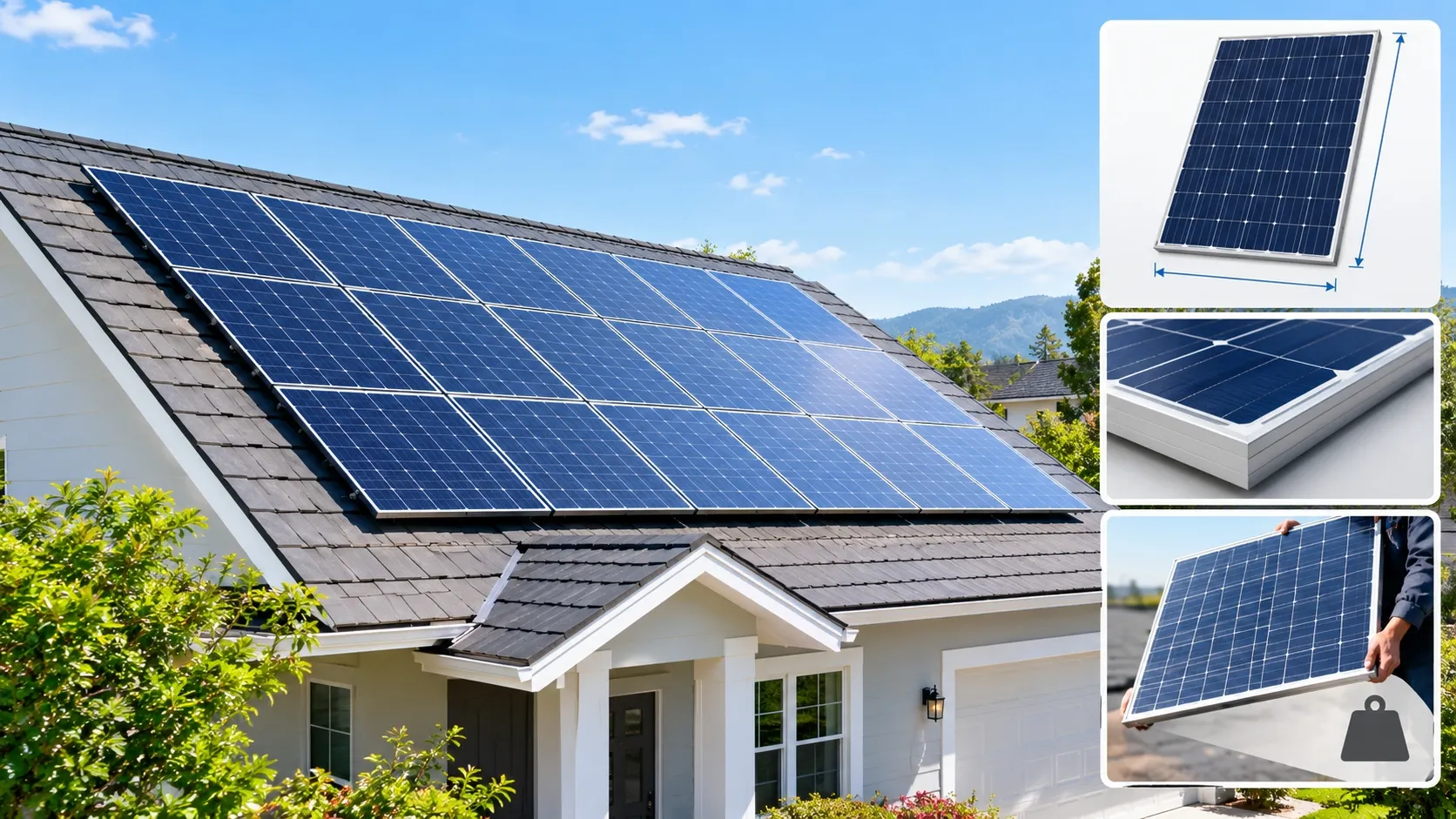
This guide will help you understand the standard dimensions, weight, roof space requirements necessary for the solar panels you're considering for your home.
1. How Big Is a Standard Solar Panel?
The length of most residential solar panels is between 5.4 and 5.8 feet, with the width ranging from 3.2 to 3.8 feet, depending on the specific model, manufacturer and wattage output. Traditional residential modules are often 60-cell or half-cell size 60-cell.
Typical solar panel dimensions include:
|
Panel type |
Approximate dimensions |
Typical application |
|---|---|---|
|
Residential |
65 × 39 inches |
Homes and small rooftops |
|
Larger commercial |
77 × 39 inches |
Commercial buildings and larger installations |
|
Modern high-output residential |
Varies by model |
Homes requiring higher power per module |
These measurements are general reference points, not universal standards. Modern high-efficiency panels may be larger than older residential modules. Always check the manufacturer's technical datasheet before purchasing or planning an installation.
2. How Much Does a Solar Panel Weigh?
A typical residential solar panel weighs approximately 40–50 pounds (18–23 kilograms). Larger commercial modules can weigh more, depending on their dimensions, frame construction, glass thickness, and internal cell design.
Several components contribute to a panel's total weight:
-
Tempered glass: Protects solar cells from weather, debris, and impact.
-
Aluminum frame: Provides structural support and helps secure the module to its mounting system.
-
Solar cells: Convert sunlight into electricity.
-
Encapsulation and backsheet: Protect internal components from moisture and environmental exposure.
-
Junction box and wiring: Carry the electricity generated by the panel.
Weight matters because the roof must support the complete solar installation, not just the panels themselves. Rails, mounting brackets, wiring, microinverters, and other equipment add to the total load.
3. How Much Roof Space Do Solar Panels Need?
Roof space requirements depend on three main factors: the electricity your household consumes, the wattage of each solar panel, and the amount of usable roof area.
A simple calculation can help estimate the number of panels required.
Number of panels = System capacity (watts) ÷ Panel wattage (watts)
For example, a 7 kW solar system using 400-watt panels requires approximately 18 panels because 7,000 ÷ 400 = 17.5, rounded up to a whole panel.
If each panel covers approximately 17.6 square feet, the total panel surface area would be about 317 square feet.
The following examples illustrate estimated space requirements for different residential systems.
|
System capacity |
Panel wattage |
Number of panels |
Panel area |
|---|---|---|---|
|
4 kW |
400 W |
10 |
176 sq. ft. |
|
7 kW |
400 W |
18 |
317 sq. ft. |
|
11 kW |
400 W |
28 |
493 sq. ft. |
These estimates use a reference area of 17.6 sq. ft. per panel. Actual panel dimensions and usable roof requirements vary.
The figures above represent panel surface area, not the full roof area required for installation. Roof setbacks, access pathways, chimneys, vents, skylights, and spacing requirements may reduce the usable space available for solar panels.
4. What Factors Affect Solar Panel Size?
Solar panels are not all manufactured to identical dimensions. Understanding the factors that influence their size can help homeowners compare available options.
Power output
Higher-wattage panels often generate more electricity per module. Some achieve this through larger dimensions, while others rely on more efficient solar cells.
Cell technology
Solar cell design and configuration influence a panel's dimensions and electrical output. Modern half-cut-cell designs, for example, divide cells into smaller sections to improve electrical performance under certain operating conditions.
Efficiency rating
Panel efficiency describes how effectively a module converts sunlight into electricity over a given surface area. Higher-efficiency panels can help maximize output when roof space is limited.
Intended application
Residential panels are typically designed to balance power output, handling requirements, and roof compatibility. Commercial and utility-scale modules may be larger because their installation environments can accommodate larger equipment.
When comparing solar panels, consider both the physical dimensions and rated power output. A larger panel is not automatically the best choice for every home.
5. How Much Weight Does a Solar System Add to a Roof?
The total roof load depends on the number of modules and the weight of all associated equipment.
For example, consider a system containing 20 solar panels, each weighing 45 pounds.
-
Solar panel weight: 20 × 45 = 900 pounds.
-
Mounting hardware and electrical equipment: additional weight.
-
Total installation weight: the combined weight of the panels and all installed components.
For preliminary planning, some residential systems may have a combined panel-and-mounting weight averaging approximately 2–3 pounds per square foot of array area. However, this is only a general estimate and should not replace project-specific calculations.
Roof suitability depends on more than average weight per square foot. Structural condition, rafter spacing, attachment points, wind uplift, snow loads, and local building requirements can all affect whether an installation is appropriate.
Important: A qualified solar installer or structural professional should assess the roof before installation, especially if the building is older, has existing damage, or has an unusual roof structure.
6. How to Choose the Right Solar Panel Size for Your Home
Choosing the right solar panel involves balancing energy needs, available roof space, budget, and installation requirements.
Follow these steps to make a practical decision.
Step 1: Review your electricity consumption
Check your electricity bills to determine your average monthly and annual energy usage. This provides a starting point for estimating the solar system capacity you may need.
Step 2: Evaluate usable roof space
Measure the roof sections that receive sufficient sunlight. Account for shade from trees and nearby buildings, as well as roof features that limit panel placement.
Step 3: Compare wattage and efficiency
Compare panels based on rated wattage, efficiency, dimensions, warranty coverage, and expected performance under local conditions.
Step 4: Consider roof condition
If your roof needs replacement or major repairs, completing that work before installing solar panels may help avoid the cost of removing and reinstalling the system later.
Step 5: Confirm mounting and permitting requirements
Ask your installer to assess structural capacity, attachment methods, wind and snow loads, electrical requirements, and applicable building codes.
A professional system design should account for these factors before the final number and layout of panels are determined.
7. Can High-Efficiency Solar Panels Save Roof Space?
Yes. High-efficiency solar panels can generate more electricity from a given roof area, which is especially useful for homes with limited installation space.
For example, a system using 450-watt panels needs fewer modules than a system using 350-watt panels to reach the same nominal capacity.
For a 7 kW system:
-
With 350-watt panels: approximately 20 panels.
-
With 450-watt panels: approximately 16 panels.
Fewer panels may reduce the total module area and simplify the layout, depending on the actual dimensions of the products selected.
However, high-efficiency panels may have a higher purchase price. Homeowners should compare the overall system cost, usable roof area, expected energy production, and warranty terms rather than focusing on efficiency alone.
8. Frequently Asked Questions About Solar Panel Size and Weight
What is the average size of a residential solar panel?
Many residential solar panels measure approximately 65–70 inches long and 39–42 inches wide. Exact dimensions depend on the manufacturer, model, and power rating.
How much does a typical solar panel weigh?
Most residential solar panels weigh around 40–50 pounds. Larger modules may weigh more, so check the product datasheet for the exact figure.
Can an older roof support solar panels?
Possibly. Suitability depends on the roof's structural condition, load capacity, and the installation design. A professional assessment is recommended before installation.
How many solar panels do I need for a 10 kW system?
A 10 kW system requires approximately 25 panels rated at 400 watts each. The actual number will depend on the selected panel wattage and final system design.
Do heavier solar panels produce more electricity?
Not necessarily. Weight is influenced by dimensions, glass, frame materials, and construction. Electrical output depends on factors such as rated wattage, cell technology, and efficiency.
Is a bigger solar panel always better?
No. A larger panel may offer higher power output, but it must fit the available roof space and suit the mounting system. High-efficiency panels can sometimes provide more power without a proportional increase in area.
Conclusion
Before installing a solar panel system at home, it is crucial to grasp how big and heavy they are. Typical home solar panels are about 5.4-5.8 feet long, weigh about 40-50 pounds and need to be strategically positioned to make the best use of roof space.
Not all solar panels are suitable for your home; the best one is the one that is the smallest and most powerful. Rather, find a combination that is efficient, has the correct wattage, is physically sizeable, structurally compatible, and is reliable.
Homeowners can take steps to optimize their solar PV system by studying their electricity usage, assessing their roof's suitability for solar panels, or working with a qualified installer.
Share on Social:


In This Article
- 1 1. How Big Is a Standard Solar Panel?
- 2 2. How Much Does a Solar Panel Weigh?
- 3 3. How Much Roof Space Do Solar Panels Need?
- 4 4. What Factors Affect Solar Panel Size?
- 5 5. How Much Weight Does a Solar System Add to a Roof?
- 6 6. How to Choose the Right Solar Panel Size for Your Home
- 7 7. Can High-Efficiency Solar Panels Save Roof Space?
-
8
8. Frequently Asked Questions About Solar Panel Size and Weight
- 8.1 What is the average size of a residential solar panel?
- 8.2 How much does a typical solar panel weigh?
- 8.3 Can an older roof support solar panels?
- 8.4 How many solar panels do I need for a 10 kW system?
- 8.5 Do heavier solar panels produce more electricity?
- 8.6 Is a bigger solar panel always better?
- 9 Conclusion
