


Top Solar Inverters Manufacturer
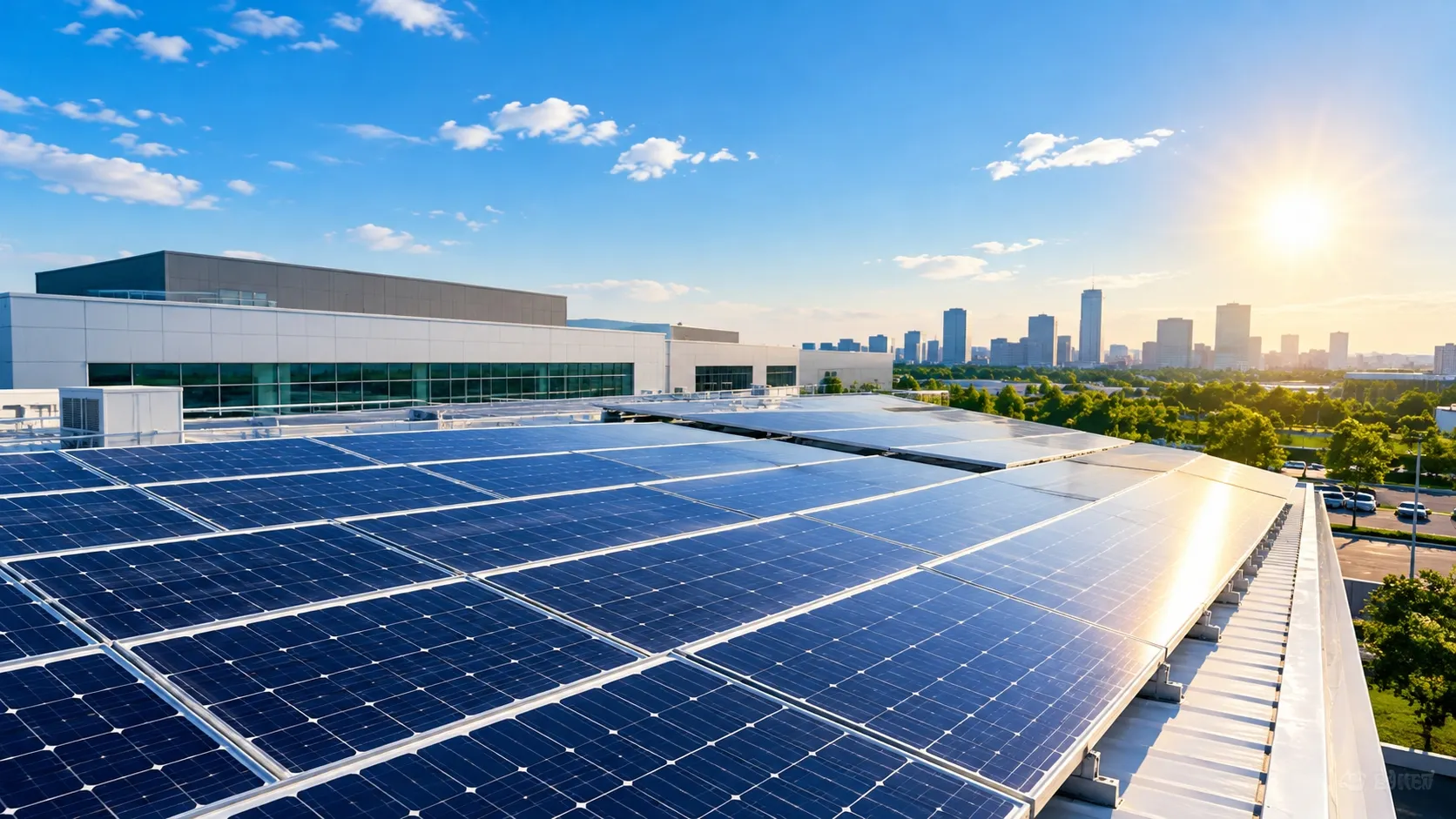
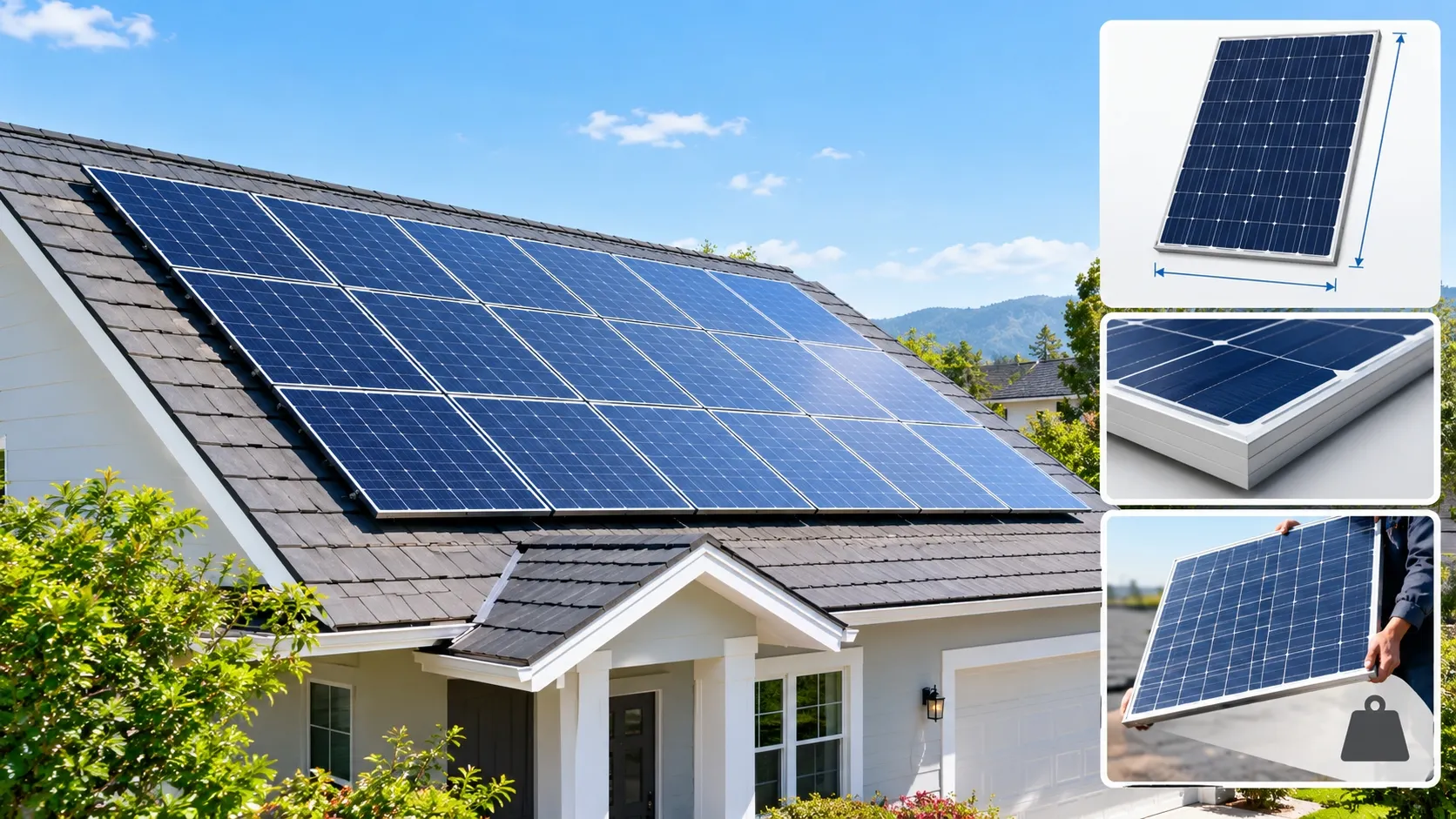
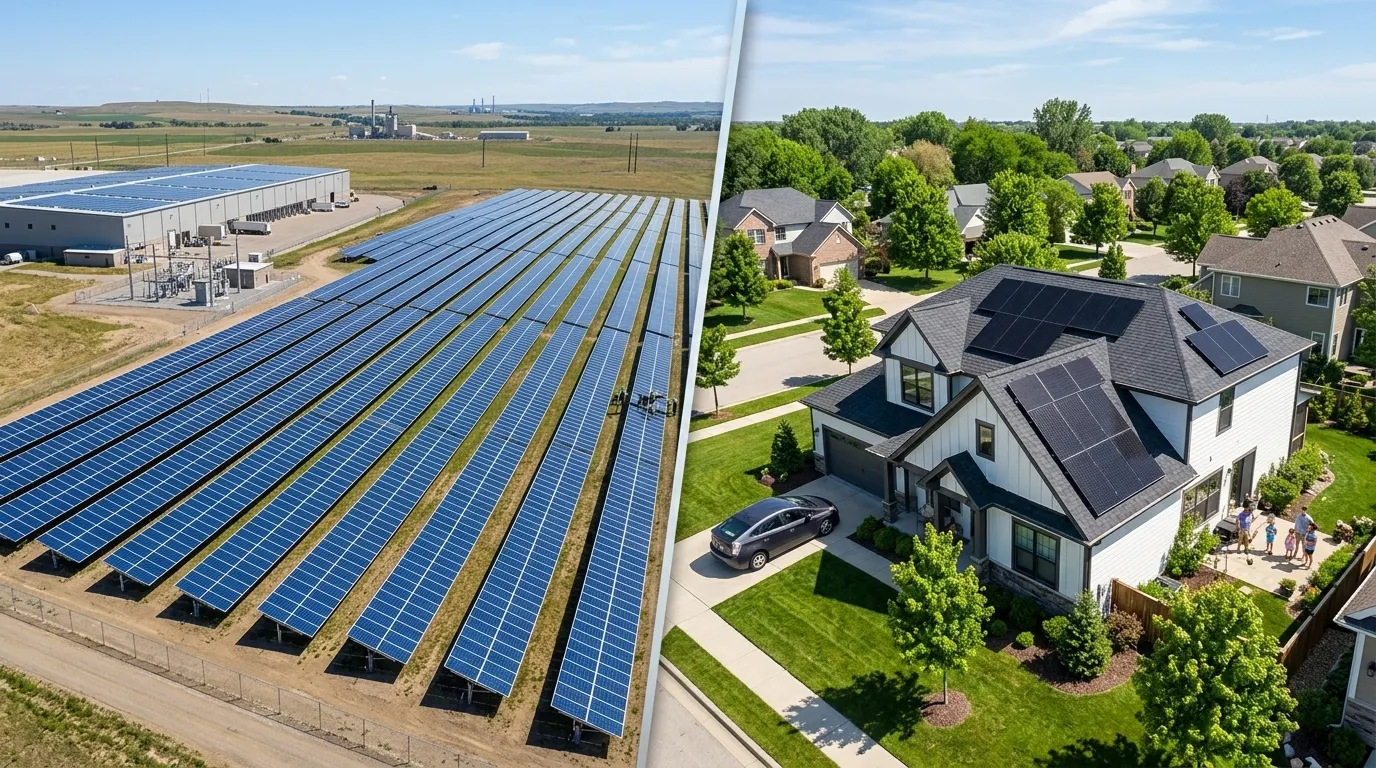
As businesses, homeowners and utility companies seek to find reliable solutions for lowering energy costs and enhancing energy independence, the demand for solar energy continues to rise worldwide. The solar inverter is the heart of any solar power system, playing a vital role in transforming electricity from solar panels into usable AC electricity.
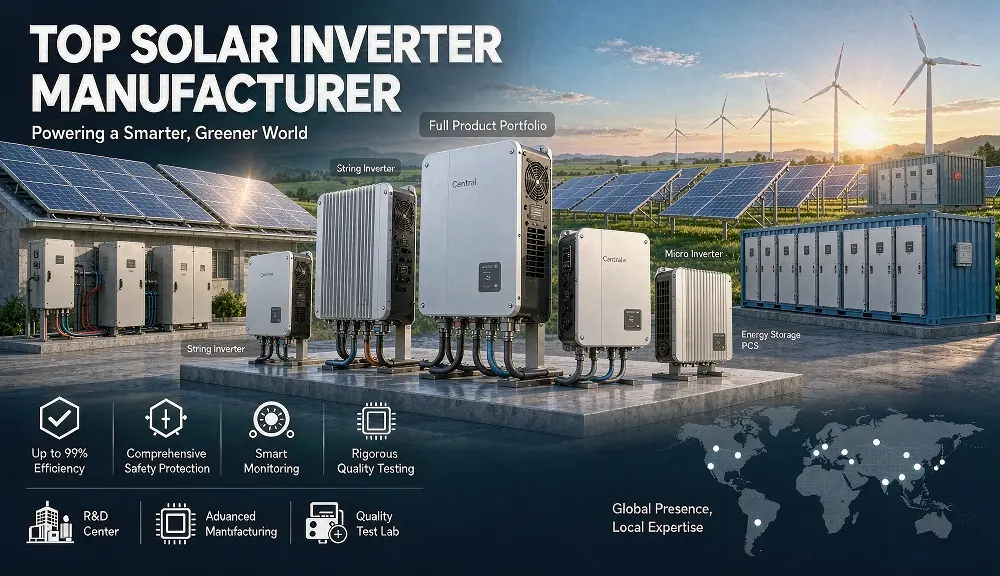
It is, therefore, critical to select the best solar inverters manufacturer. High conversion efficiency, reliable performance, advanced monitoring, robust safety features, and long-term technical support are key factors that the right manufacturer can deliver.
This guide describes the key elements for making a solar inverter manufacturer competitive and considerations that buyers should take into account when choosing a supplier.
What Is a Solar Inverter?
The direct current (DC) electricity generated by the photovoltaic (PV) panels is converted into alternating current (AC) electricity that can be utilized by the electrical grid, home appliances and commercial equipment.
Today's solar inverters are capable of much more than simply converting DC power to AC power. Advanced inverter systems can provide:
- High conversion efficiency
- Maximum Power Point Tracking (MPPT)
- Grid connection and synchronization
- Battery energy management
- Remote system monitoring
- Overvoltage and overcurrent protection
- Temperature monitoring
- Intelligent fault detection
- Communication through Wi-Fi, Ethernet, or other interfaces
The inverter will have a direct impact on the performance and reliability of a solar installation, so it is important to choose an inverter manufacturer with experience.
Why Choose a Top Solar Inverters Manufacturer?
A reputable manufacturer typically invests heavily in research and development, product testing, quality control, and after-sales service.
1. High Conversion Efficiency
The efficiency of the inverter affects the amount of electricity that can be utilized from the solar system. High efficiency Inverters reduce energy losses in the conversion from DC to AC.
In residential and commercial applications, saving a few percent on efficiency may make a big difference over thousands of running hours.
2. Reliable Product Quality
Solar inverters face high stress operating environment such as temperature variation, humidity, dust and electrical loading.
High quality parts and complete testing processes are the basic components of a leading manufacturer to enhance the reliability and service life of his products.
3. Advanced Technology
The solar industry is changing in a faster rate. Smart energy management, battery storage, grid interaction and remote monitoring are continued to be developed by the leading inverter companies.
This is especially vital given the increasing trend of incorporating energy storage and smart energy management with solar installations.
4. Strong Safety Protection
Always choose a solar inverter that's safe to use. Protection from short circuit, overvoltage, overheating, overcurrent and other abnormal operating conditions are possible with modern products.
Protection and compliance with pertinent standards are particularly critical for large-scale, commercial and utility applications.
Main Types of Solar Inverters
Different solar applications require different inverter technologies.
String Inverters
String inverters are widely used in residential and commercial solar installations. Multiple solar panels are connected into strings, with the inverter converting the combined DC output into AC electricity.
They are popular because they offer a practical balance between cost, efficiency, installation simplicity, and maintenance.
Microinverters
Microinverters are installed at the individual solar panel level. Instead of using one central inverter for multiple panels, each panel can have its own inverter.
This configuration can be useful for roofs with shading, different panel orientations, or complex layouts.
Hybrid Inverters
Hybrid inverters combine solar generation and battery storage management in one system. They can control energy flows between solar panels, batteries, household loads, and the electrical grid.
As battery storage becomes increasingly popular, hybrid inverters are becoming an important solution for residential and commercial energy systems.
Central Inverters
Central inverters are designed for large-scale solar installations. They can handle significant amounts of power and are commonly used in utility-scale photovoltaic projects.
For large projects, manufacturers need to provide not only high-performance equipment but also engineering support, monitoring solutions, and long-term service capabilities.
Key Factors When Selecting a Solar Inverter Manufacturer
Finding the right supplier involves more than comparing product prices.
Product Portfolio
A strong manufacturer should offer products suitable for different applications, including residential, commercial, industrial, and utility-scale solar systems.
A broad product portfolio makes it easier for distributors, EPC companies, and installers to source multiple solutions from one supplier.
Certifications and Standards
Buyers should verify whether the inverter products meet the relevant electrical, safety, and grid-interconnection requirements for their target market.
Certification requirements vary by country and application, so manufacturers should be able to provide appropriate documentation and compliance information.
Manufacturing Capacity
For distributors and large solar projects, production capacity is an important consideration. A manufacturer with well-established production facilities and quality-control systems can generally provide more consistent supply.
Buyers should also consider lead times, production scalability, packaging, logistics support, and spare-part availability.
Warranty and Technical Support
A solar inverter is a long-term investment. A competitive manufacturer should provide clear warranty policies and responsive technical support.
Important questions include:
- How long is the product warranty?
- Is remote technical support available?
- Are replacement parts available?
- How are warranty claims handled?
- Does the manufacturer provide installation documentation and troubleshooting resources?
Reliable after-sales support can significantly reduce downtime and operating costs.
Solar Inverter Manufacturers for Global Markets
For international buyers, choosing a manufacturer with export experience can simplify procurement.
A global supplier should understand different market requirements, electrical standards, certification systems, shipping procedures, and distributor expectations.
Manufacturers serving international markets may also provide OEM and ODM services, allowing distributors and solar brands to customize product appearance, packaging, software interfaces, or technical specifications.
For B2B buyers, this can create opportunities to develop private-label solar inverter products and establish a stronger position in competitive regional markets.
Solar Inverter Manufacturer vs. Distributor
Buying directly from a manufacturer can provide several advantages for large-volume customers.
Direct manufacturer relationships may offer:
- More competitive factory pricing
- Customized product solutions
- OEM/ODM opportunities
- Technical engineering support
- Larger production capacity
- Direct warranty communication
- More flexible business cooperation
However, local distributors can also be valuable when customers need fast inventory, local service, installation assistance, or regional technical support.
The best choice depends on project size, purchasing volume, location, and service requirements.
How to Evaluate a Top Solar Inverters Manufacturer
Before placing an order, buyers should evaluate the supplier across several dimensions:
- Product performance – Check efficiency, power range, MPPT performance, and operating conditions.
- Certifications – Confirm compliance with the requirements of your target market.
- Quality control – Ask about testing procedures, component sourcing, and manufacturing standards.
- Production capacity – Verify whether the supplier can support your expected order volume.
- Warranty – Review warranty duration, coverage, and claim procedures.
- Technical support – Evaluate engineering, installation, and troubleshooting services.
- Monitoring technology – Check whether the system supports convenient remote monitoring.
- Customization – Determine whether OEM or ODM services are available.
- Reputation – Review the manufacturer's project experience and international customer base.
- Total cost of ownership – Consider efficiency, maintenance, warranty, and service costs rather than focusing only on the purchase price.
The Future of Solar Inverter Technology
Solar Inverters are getting smarter. Look forward to more development in energy storage integration, smart grid features, diagnostic functions based on artificial intelligence, efficiency improvements, and advanced energy management features.
Inverters will become even more important as distributed solar generation expands to balance solar generation, battery storage, domestic demand and grid demand.
This indicates that the best solar inverter manufacturers will not only compete on hardware. Energy management software, energy connectivity, energy monitoring, energy cybersecurity, energy technical support, and comprehensive energy management solutions will be increasingly vital.
Conclusion
Selecting a reputable solar inverters manufacturer is crucial in ensuring that an efficient and dependable solar energy system is developed. There is more to consider than just the price and product specifications for buyers. Quality, efficiency, certifications, technology, production capacity, warranty, technical support and international experience are all important.
From homeowners, solar installers, EPC providers, distributors, to large-scale project developers, collaborating with a knowledgeable solar inverter supplier can have a beneficial impact on reducing operational risks and enhancing the long-term performance of solar electricity systems.
With the increasing adoption of solar energy and battery storage around the globe, now is the time to invest in a quality inverter manufacturer to ensure efficient, scalable and future-proof renewable energy solutions.
Share on Social:


In This Article
- 1 What Is a Solar Inverter?
- 2 Why Choose a Top Solar Inverters Manufacturer?
- 3 Main Types of Solar Inverters
- 4 Key Factors When Selecting a Solar Inverter Manufacturer
- 5 Solar Inverter Manufacturers for Global Markets
- 6 Solar Inverter Manufacturer vs. Distributor
- 7 How to Evaluate a Top Solar Inverters Manufacturer
- 8 The Future of Solar Inverter Technology
- 9 Conclusion
