


Best Solar Street Light Manufacturer
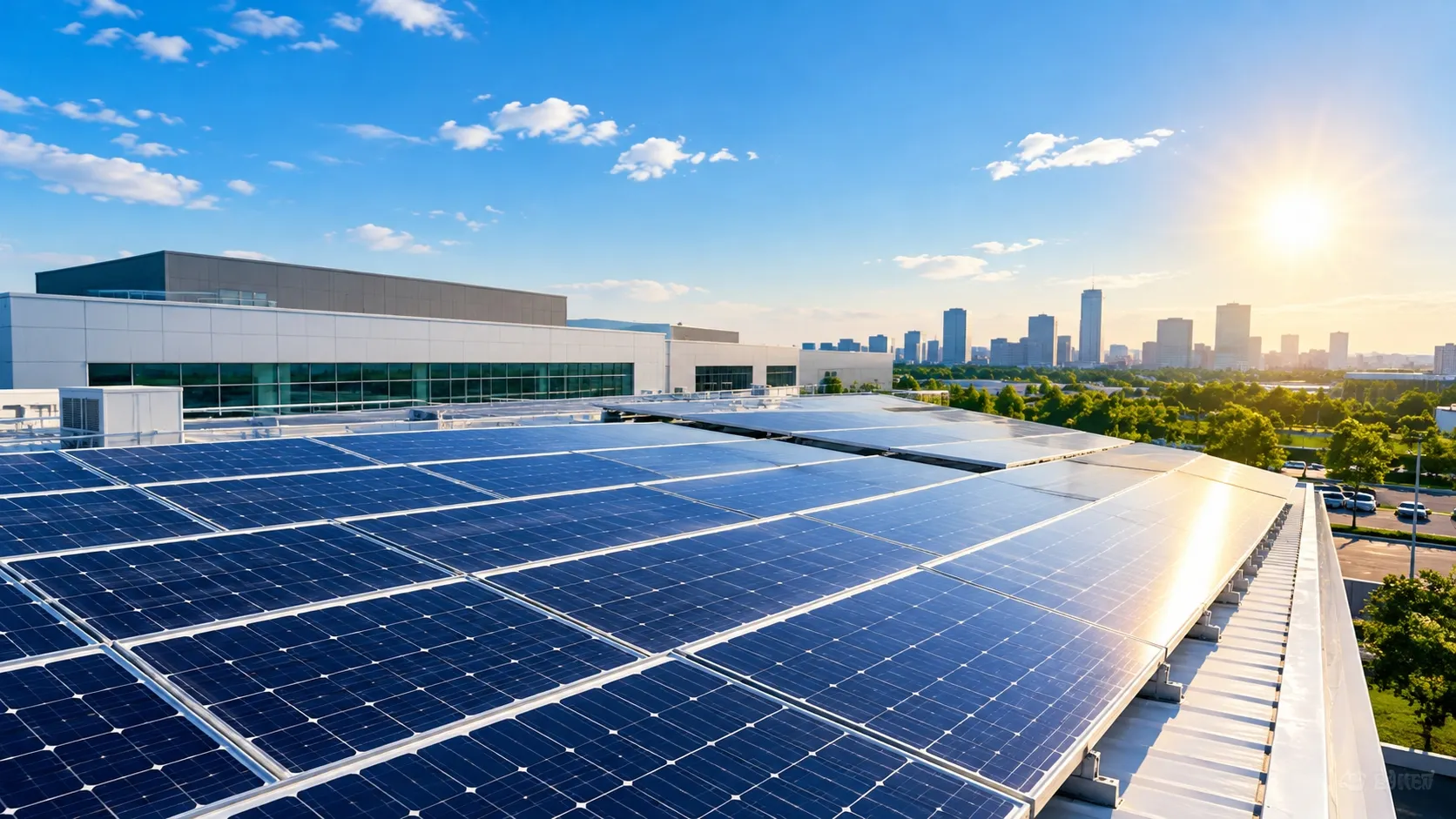
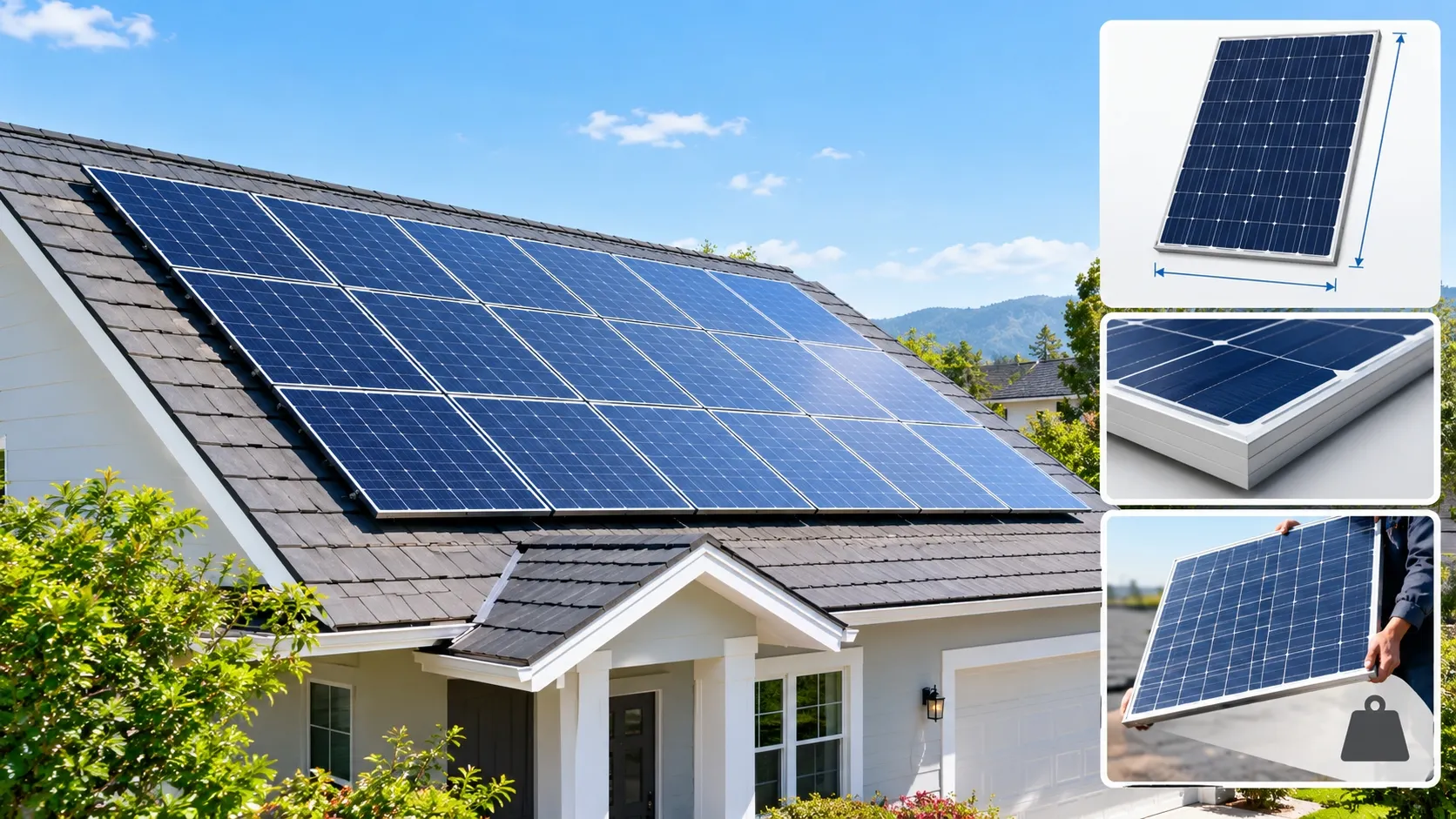
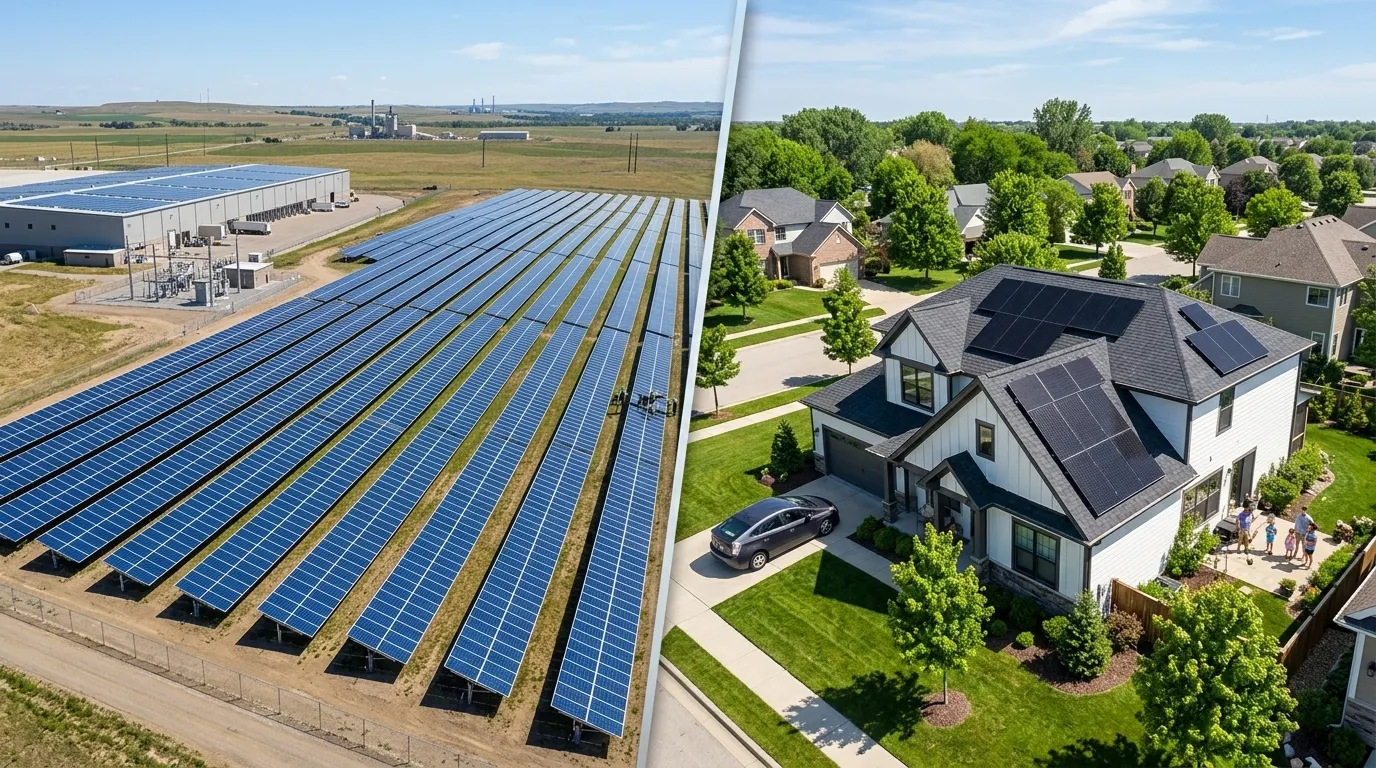
Street lights with solar power are becoming a more and more popular choice for modern street lighting. They are equipped with solar panels, LED lighting, batteries, and smart control systems, allowing them to generate electricity from the sun and power the lights without relying on conventional electricity. Selecting the right manufacturer of solar street lights is crucial for municipalities, contractors, distributors, and commercial projects, as it ensures long-term performance, cost-effectiveness, and consistent supply.
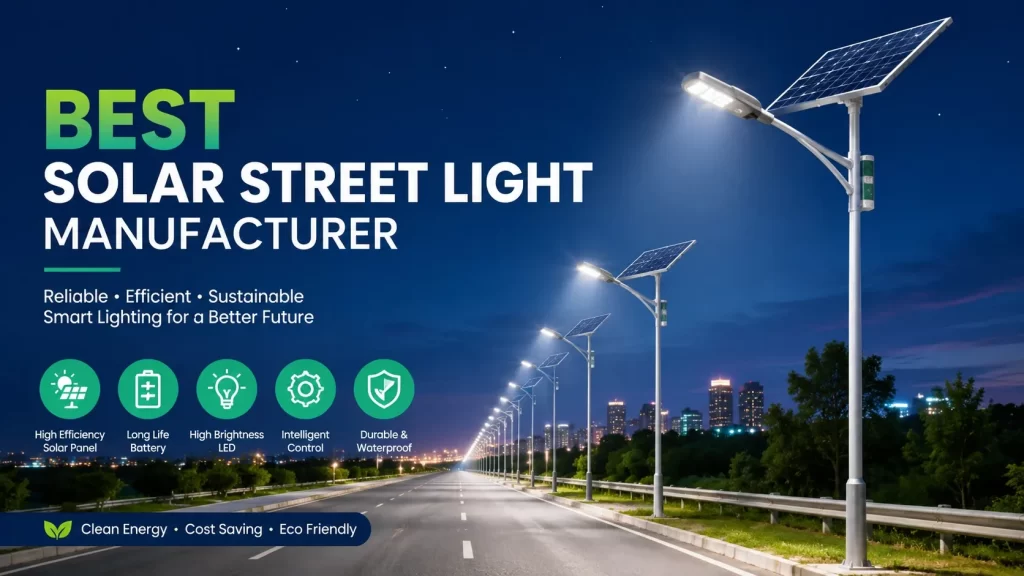
A quality solar street light manufacturer should provide more than just a light fixture. Product quality, solar efficiency, battery technology, customization options, certifications, production capacity, warranty support and after-sales service are important factors that the buyers should take into account.
What Is a Solar Street Light?
Solar street lighting is an outdoor lighting system that is primarily operated by solar power. Throughout the day, the solar panels transform the sun's energy into electricity, which is stored in the solar battery. During the day, the stored energy activates an LED light to light up roads, parking lots, pathways, residential neighborhoods, industrial areas and public spaces.
A solar street lighting system consists of:
- High-efficiency solar panel
- LED lighting module
- Lithium or other rechargeable battery
- Intelligent controller
- Light pole and mounting structure
- Motion or light sensors
- Optional remote monitoring system
Solar Street Lighting systems can be used in locations that lack a traditional power grid, such as new construction developments, remote locations, highways, campuses, and where burying electrical power lines is costly.
Why Choosing the Right Manufacturer Matters
The life and reliability of a solar street lighting system is directly affected by its manufacturer. Two products may seem alike, but the inside of the product and their manufacturing quality can be quite different.
The top solar street light manufacturer will generally arrange the entire system, instead of just simply putting together components. The matching of solar panel power, battery storage, LED power, controller performance and local weather is very important.
For instance, one lighting system in a wintery location with long nights, will need adequate battery storage and solar production. If the local environment has favourable sun exposure and the operating hours are determined by the user, it is possible to optimize the system for better efficiency by a manufacturer with robust engineering expertise.
Key Factors When Selecting a Solar Street Light Manufacturer
1. Product Quality and Components
To ensure the reliability of solar street lighting, high-quality components are essential. Purchasers should look at the efficiency and lifetime of the solar panel, battery, LED chips, controller, housing, and other parts.
LED modules should ensure constant brightness of light and energy efficiency. Batteries should have long enough cycle life and the required protection from overcharging, overdischarging, overheating, etc. from operating under various conditions.
A suitable protection from rain, dust, humidity and exposure to outside environment should also be provided in the enclosure.
2. Solar Panel Efficiency
Solar panel efficiency influences the amount of energy that can be captured by the system throughout the day.
The manufacturer should be reputable and offer panels that have a good efficiency rating and power rating for the application. The manufacturer should also take into account the sun conditions, installation angle, temperature and seasonal variation in the local area.
Optimised solar panel design can enhance lighting reliability and this can lead to a smaller lighting system size for large infrastructure projects.
3. Battery Technology
When choosing solar street lights, battery performance is a key factor to consider.
The state-of-the-art systems are typically lithium battery systems, which are small, have long lifetimes and have a high energy density. The battery must be correctly sized (matched) with the solar panel and light load.
A good manufacturer will explicitly state the battery's capacity, its expected cycle life, its operating temperature range, how fast the battery can be charged and the protection features.
4. Intelligent Lighting Control
The smart control of the advanced solar street light can be achieved to optimize energy use.
Lighting systems can automatically adjust the light output based on time of day, ambient light, traffic or motion, depending on the application. For instance, a system may be bright when a lot of people are using it and dim when there are few people using it.
This way, you can get a longer battery life and ensure stable performance all night long.
5. Customization and OEM/ODM Capability
The needs of different projects can vary. Hence, a professional manufacturer of solar street lights ought to supply customization choices.
OEM and ODM services can be provided in various different ways, such as:
- Customized LED power
- Solar panel configuration
- Battery capacity
- Pole design
- Housing dimensions
- Lighting distribution
- Color and finish
- Controller programming
- Logo and packaging
- Smart monitoring functions
For distributors and project contractors, private-label and OEM services can make it easier to develop products suited to specific markets.
Applications of Solar Street Lights
Solar street lights are suitable for a wide range of applications.
Roads and Highways
Solar-powered lighting can illuminate roads, intersections, pedestrian crossings, and highway service areas without requiring extensive grid connections.
Residential Communities
Housing developments can use solar street lights for internal roads, sidewalks, entrances, and public areas while reducing electricity consumption.
Industrial and Commercial Areas
Factories, warehouses, logistics parks, and commercial facilities can use solar lighting for parking lots, entrances, security areas, and outdoor pathways.
Rural and Remote Areas
One of the biggest advantages of solar street lighting is its ability to operate without a conventional electrical grid. This makes it useful for rural roads, villages, agricultural areas, and remote infrastructure projects.
Parks and Public Spaces
Solar street lights can provide energy-efficient illumination for parks, recreational areas, walking paths, and public facilities.
Why Work With an Experienced Solar Street Light Manufacturer?
An experienced manufacturer can provide technical support throughout the entire purchasing process.
A professional supplier can offer customers guidance when choosing the right LED power, the size of the battery, the size of the solar panel, the height of the pole, how to set up the installation, and where to place the lights.
If the manufacturer has previous experience in the industry, it can be beneficial for quality control. Standardized production processes, testing procedures and quality inspections, as well as supply chain management systems are more likely to be in place for established suppliers.
Another benefit of exporting is experience for international buyers. The manufacturer should be familiar with the packaging, documentation, certifications, shipping requirements, and the product standards in the area.
Certifications and Quality Assurance
Before ordering, customers should check the manufacturer's certifications and tests.
Appropriate certifications can vary based on the market, such as CE, RoHS, IEC testing, EMC and others as relevant.
A good supplier will also be able to give technical specifications, test reports, product documentation and warranty conditions upon request.
Incoming components, assembly, electrical performance, waterproofing, charging and discharging, LED performance and final inspection shall be covered by quality assurance.
How to Choose the Best Solar Street Light Manufacturer
A practical assessment process can assist buyers to make more effective supplier comparisons.
Lighting area, operating hours, local weather conditions, installation location, desired life expectancy, and budget are all project requirements that need to be set up, among other things.
Then, look at the product specifications instead of price. Take into account the quality of components, system efficiency, customization options, production capacity, certifications, and warranty and technical support.
Samples are also recommended to be requested prior to large purchasing. How the sample is tested can show significant differences between suppliers, especially under real or simulated operating conditions.
Last but not least, check communication and after-sales service. Quick response and technical information is the key to supporting long-term projects, and a manufacturer that can offer this is better equipped to do so.
Conclusion
When it comes to choosing the most suitable solar street light manufacturer, it's not just about the price of the products. The ideal supplier should integrate high-quality parts, effective solar technology, quality batteries, intelligent controls, professional engineering, quality management, and reliable customer support.
An experienced manufacturer can offer customized solar street lighting solutions for streets, residential communities, industrial facilities, commercial projects, parks and remote areas for B2B buyers, distributors, contractors, municipalities and infrastructure developers.
Buyers should consider the quality of the product, certifications, customization options, production capabilities, warranty coverage, and technical support to choose a solar street light manufacturer that can provide them with energy-efficient, cost-effective, and reliable lighting solutions for years to come.
Share on Social:


In This Article
- 1 What Is a Solar Street Light?
- 2 Why Choosing the Right Manufacturer Matters
- 3 Key Factors When Selecting a Solar Street Light Manufacturer
- 4 Applications of Solar Street Lights
- 5 Why Work With an Experienced Solar Street Light Manufacturer?
- 6 Certifications and Quality Assurance
- 7 How to Choose the Best Solar Street Light Manufacturer
- 8 Conclusion
