


Best Commercial Solar Manufacturer
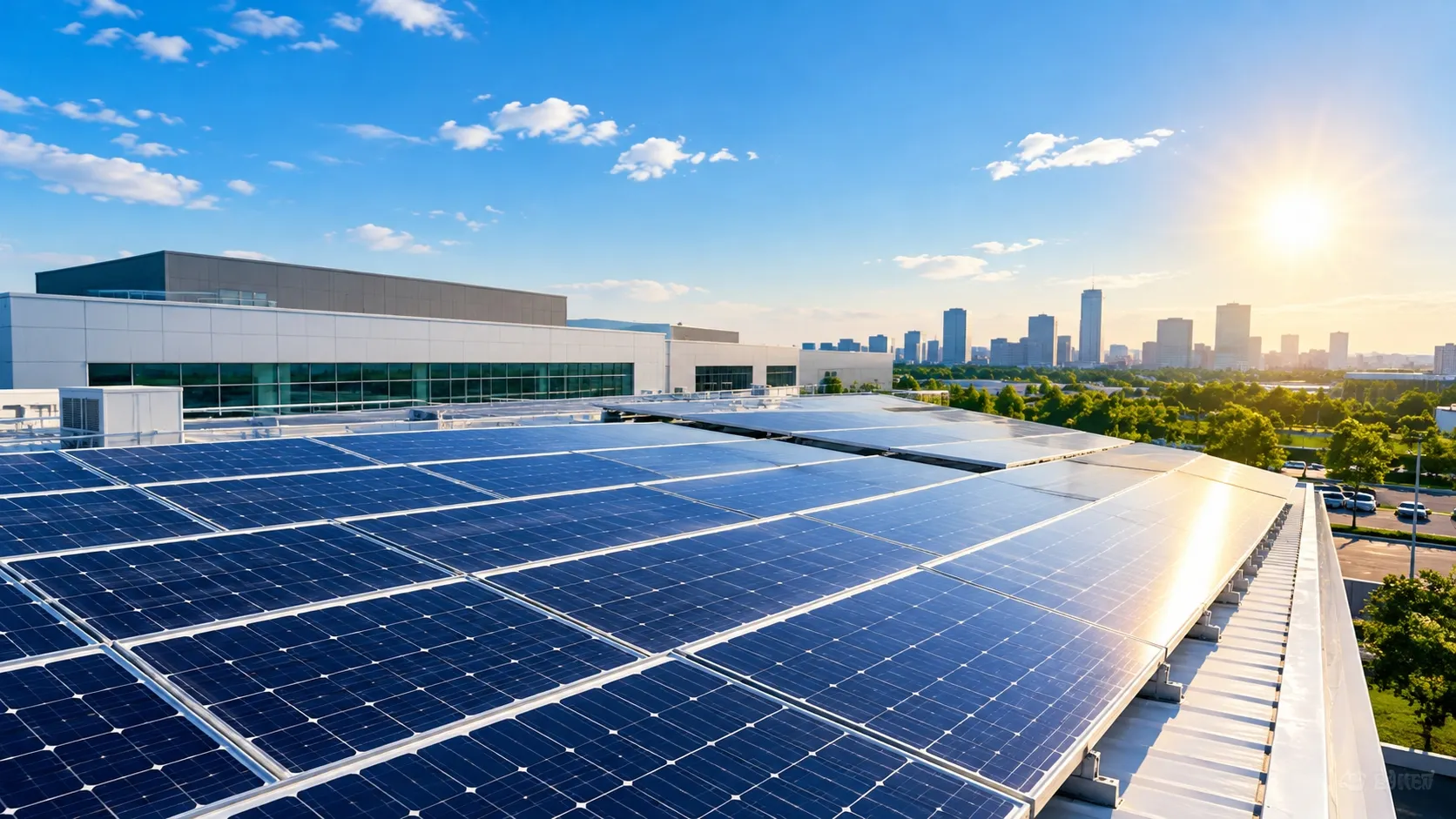
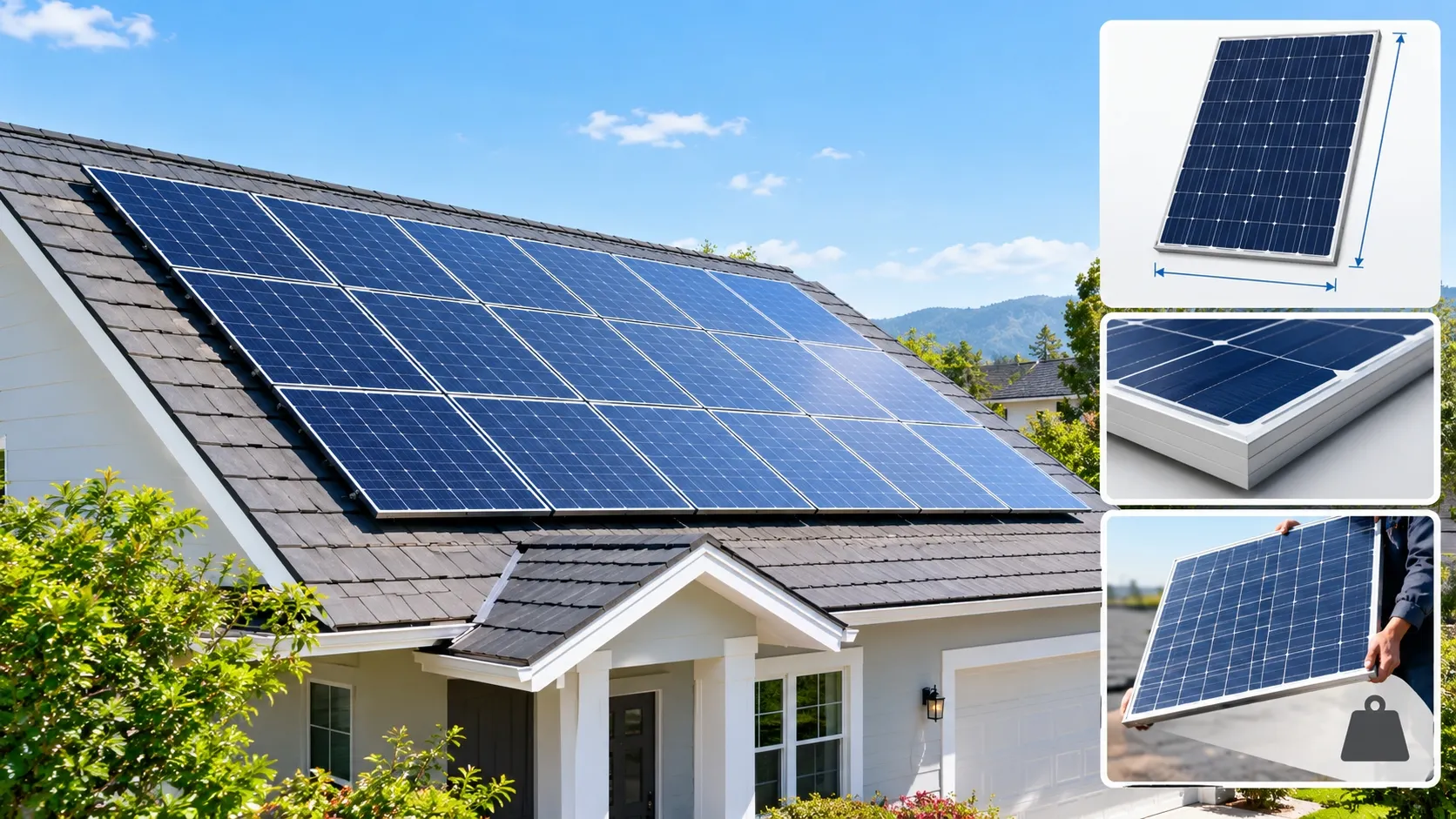
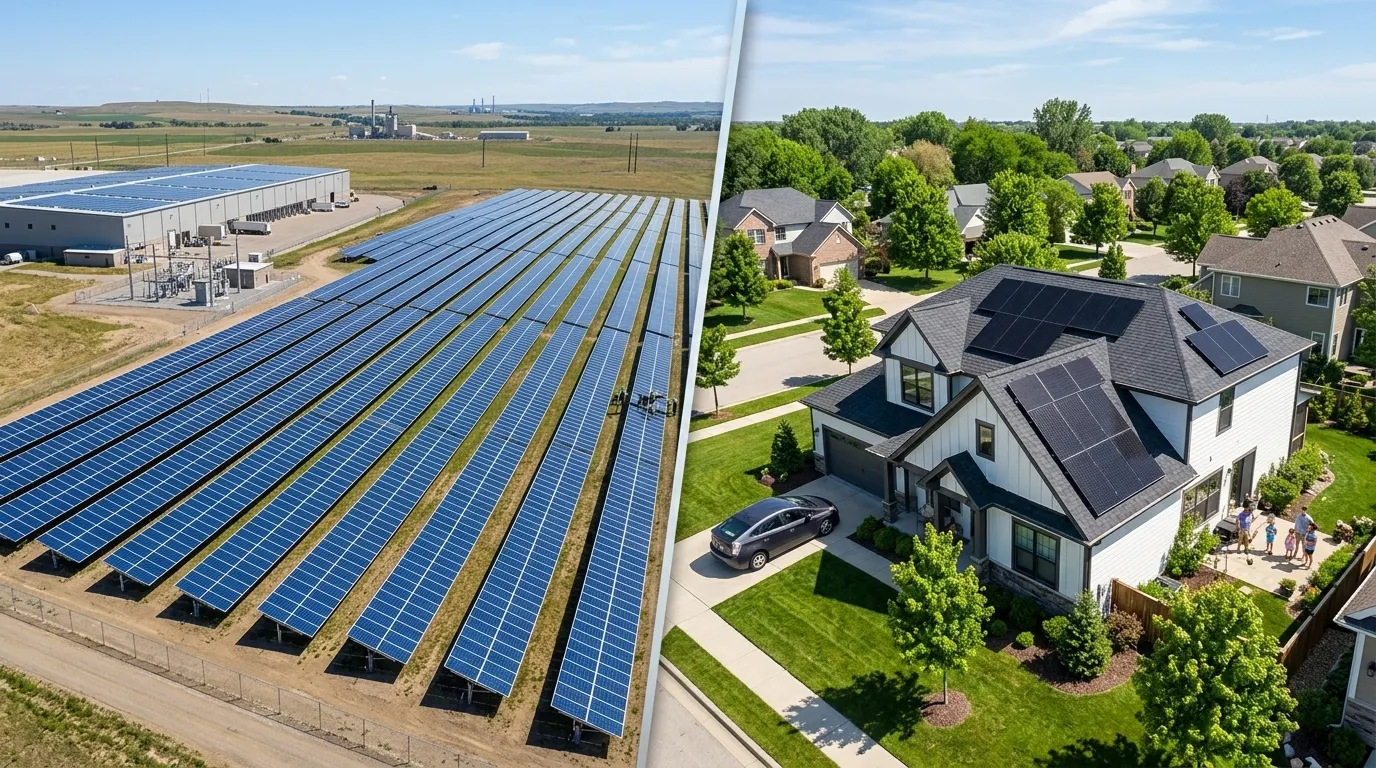
Commercial solar power is becoming a more significant investment as companies around the world seek sustainable solutions to lower energy expenses and attain objectives. The selection of the top commercial solar manufacturer is a crucial choice, as the quality of solar panels, energy systems, customization, and technical support can impact long-term performance and return on investment.
A reputable commercial solar panel supplier should provide you with more than top-notch solar panels. Comprehensive product quality, manufacturing capacity, system compatibility, customization, certifications and reliable after-sales service are required by businesses.
What Is a Commercial Solar Manufacturer?
A commercial solar manufacturer is focused on creating solar products and energy systems for commercial and industrial applications. Commercial solar systems can have higher energy usage, complex roof structures, larger capacity and more stringent project requirements compared to residential solar systems.
Examples of commercial solar products can be:
- Commercial solar panels
- High-efficiency photovoltaic modules
- Solar inverters
- Commercial energy storage systems
- Solar mounting structures
- Battery energy storage systems
- Monitoring and energy management solutions
- Customized solar power solutions
By selecting the right manufacturer, businesses can create the perfect system that fits their energy needs, space constraints, budget, and future goals.
Why Choosing the Best Commercial Solar Manufacturer Matters
Solar equipment is an investment of the long haul. A commercial solar project can last for decades, and therefore the choice of a manufacturer can make a difference in the project's overall performance.
1. Higher Product Quality
A good PV module is capable of delivering consistent power performance in challenging environments. Commercial projects can be subjected to high temperatures, humidity, wind and dust, as well as UV radiation.
A good manufacturer will have standard procedures and processes in place to guarantee that all lots conform to the same requirements for performance.
2. Better Energy Efficiency
The efficiency of solar panels is a measure of how well they convert the energy in sunlight into electricity. The efficient modules can produce more electricity in the same space.
This can be particularly useful for commercial buildings that have an area on their roof that is smaller. A leading manufacturer in advanced photovoltaic technology can ensure a company is able to utilize available space to the fullest and generate more energy.
3. Long-Term Reliability
Commercial solar systems are expected to give many years of service. Hence, it is as crucial to be durable as it is to be efficient.
The top commercial solar manufacturers put emphasis on:
- Strong module construction
- Reliable electrical components
- Resistance to environmental conditions
- Stable power output
- Consistent manufacturing quality
- Long-term product performance
A durable system can help businesses achieve more predictable energy savings and reduce maintenance requirements.
Key Factors When Selecting a Commercial Solar Manufacturer
Solar companies are abundant all over the world and businesses should look for manufacturers that have a few key factors.
Manufacturing Experience
Experience is among the primary things to think about. Experience in the commercial market is more likely to be obtained by manufacturers with a wider knowledge of the commercial project requirements, supply-chain issues, quality control and system integration.
Consider a manufacturer with a wider experience in the commercial and industrial markets, not just small residential solar installs.
Product Portfolio
A good-manufacture should have a wide range of product offerings. This makes it easier to develop an integrated solar solution instead of purchasing unrelated components from multiple suppliers.
For larger projects, size compatibility between PV modules, inverters, batteries, and mounting systems may make it easier to install and manage the overall PV system.
Customization Capability
Each commercial building is unique. Different configurations of solar might be needed for warehouse roofs, factories, office buildings, shopping centers, agriculture and industrial plants.
An OEM/ODM manufacturer can deliver a tailored solution in accordance with:
- Panel dimensions
- Power output
- Installation conditions
- Electrical requirements
- Branding requirements
- Packaging
- Project-specific specifications
Distributors, large commercial buyers, EPC firms and installers can find customization as a great benefit.
Certifications and Quality Standards
Certifications can give significant information on whether solar products meet known safety and performance requirements.
Purchasers ought to verify applicable certifications and testing requirements for their target market prior to choosing a manufacturer. Documentation must be legible, up-to-date, and traceable back to the relevant products.
Additionally, company should consider factory quality control systems and testing facilities, as well as consistency in production.
Commercial Solar Manufacturing Technology
PV manufacturers still make improvements in the technology of solar photovoltaics to drive up efficiencies and bring down the price of solar power.
Some advanced commercial modules feature large format cells, new cell architectures, bifacial modules, and optimized module structures.
For instance, bifacial solar panels have the potential to produce electricity from light hitting the other side of the panel if the installation setup is ideal. This can boost energy output in some commercial settings.
Also critical is manufacturing automation. Consistent production and inspection of parts can be achieved with automated systems, and manufacturing defects can be reduced.
Commercial Solar for Different Business Applications
Commercial solar systems can be adapted to many industries.
Manufacturing Facilities
Factories often consume significant amounts of electricity during daytime production. Rooftop solar can help offset grid electricity consumption while making productive use of unused roof space.
Warehouses and Distribution Centers
Large warehouses typically have expansive roofs, creating an attractive opportunity for commercial photovoltaic installations.
Office Buildings
Solar energy can help office buildings reduce electricity expenses and support corporate sustainability initiatives.
Retail and Shopping Centers
Retail properties can use solar power to reduce operating expenses while demonstrating environmental responsibility to customers.
Agriculture and Industrial Facilities
Solar systems can also support agricultural buildings, processing facilities, cold storage, and other energy-intensive operations.
Solar Energy Storage for Commercial Projects
Solar panels generate electricity primarily during daylight hours, while many businesses may also consume energy in the evening. Adding battery storage can improve the flexibility of a commercial solar system.
Commercial battery energy storage can help businesses:
- Store excess solar electricity
- Use solar energy after sunset
- Reduce peak electricity demand
- Improve energy resilience
- Optimize energy consumption
- Support backup power strategies
For businesses that have complex electricity load profiles, solar generation with energy storage can offer a more all-encompassing energy solution.
Cost vs. Long-Term Value
While price undoubtedly is a factor, it's not always the right thing to do to order from the cheapest solar manufacturer.
When choosing a company to host their business, they should consider the overall value, which encompasses the following:
Installation requirements + maintenance + predicted amount of energy produced + warranty + product life + product cost
A slightly lower quality solar module can offer better overall value if it is more reliable in its energy output and has less need for replacement or repair.
Therefore, the buyer is advised to consider the overall cost of ownership, and not just the purchase price, when they are looking at manufacturers.
Why Work With a Professional Commercial Solar Manufacturer?
A professional manufacturer can offer technical know-how during the buying process. This could encompass product selection, system compatibility, specialized specifications, documentation, packaging, logistics support, and technical help.
It can also make procurement easier and provide opportunities for long-term relationships with the manufacturer for distributors and EPC companies.
A good manufacturer should be able to communicate well, give accurate technical details, ensure that the product is of a consistent quality and will be satisfying to handle after delivery.
Conclusion
When selecting the top commercial solar manufacturer, it is crucial to look beyond the price of the solar panels. The manufacturing experience, product efficiency, durability, certifications, customization options, technology, quality control, and after-sales support are all points to consider for businesses.
The perfect manufacturer is one that can supply solar panels and suitable options for commercial and industrial use, and has a long history of reliability.
With demand for renewable energy worldwide on the rise, choosing a reliable commercial solar manufacturer can help businesses lower their energy costs, increase their energy independence, and create more sustainable business practices. When a buyer understands the quality of each manufacturer and looks for long-term benefits, they will be able to make better-informed decisions and reap the most benefits from a commercial solar investment.
Share on Social:


In This Article
- 1 What Is a Commercial Solar Manufacturer?
- 2 Why Choosing the Best Commercial Solar Manufacturer Matters
- 3 Key Factors When Selecting a Commercial Solar Manufacturer
- 4 Commercial Solar Manufacturing Technology
- 5 Commercial Solar for Different Business Applications
- 6 Solar Energy Storage for Commercial Projects
- 7 Cost vs. Long-Term Value
- 8 Why Work With a Professional Commercial Solar Manufacturer?
- 9 Conclusion
