


Solar Inverter vs Grid-Tied Inverter: Which Is Better?
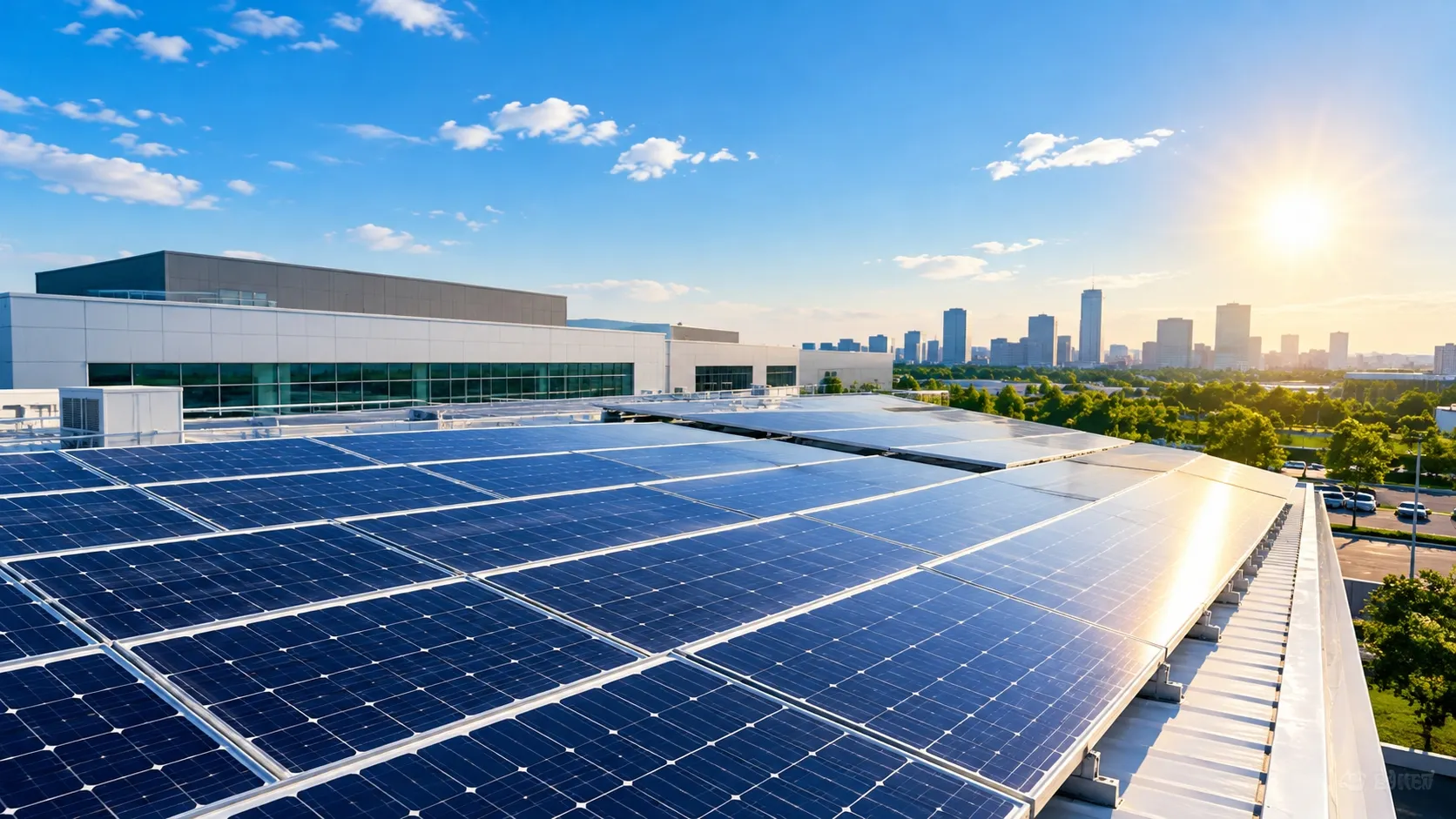
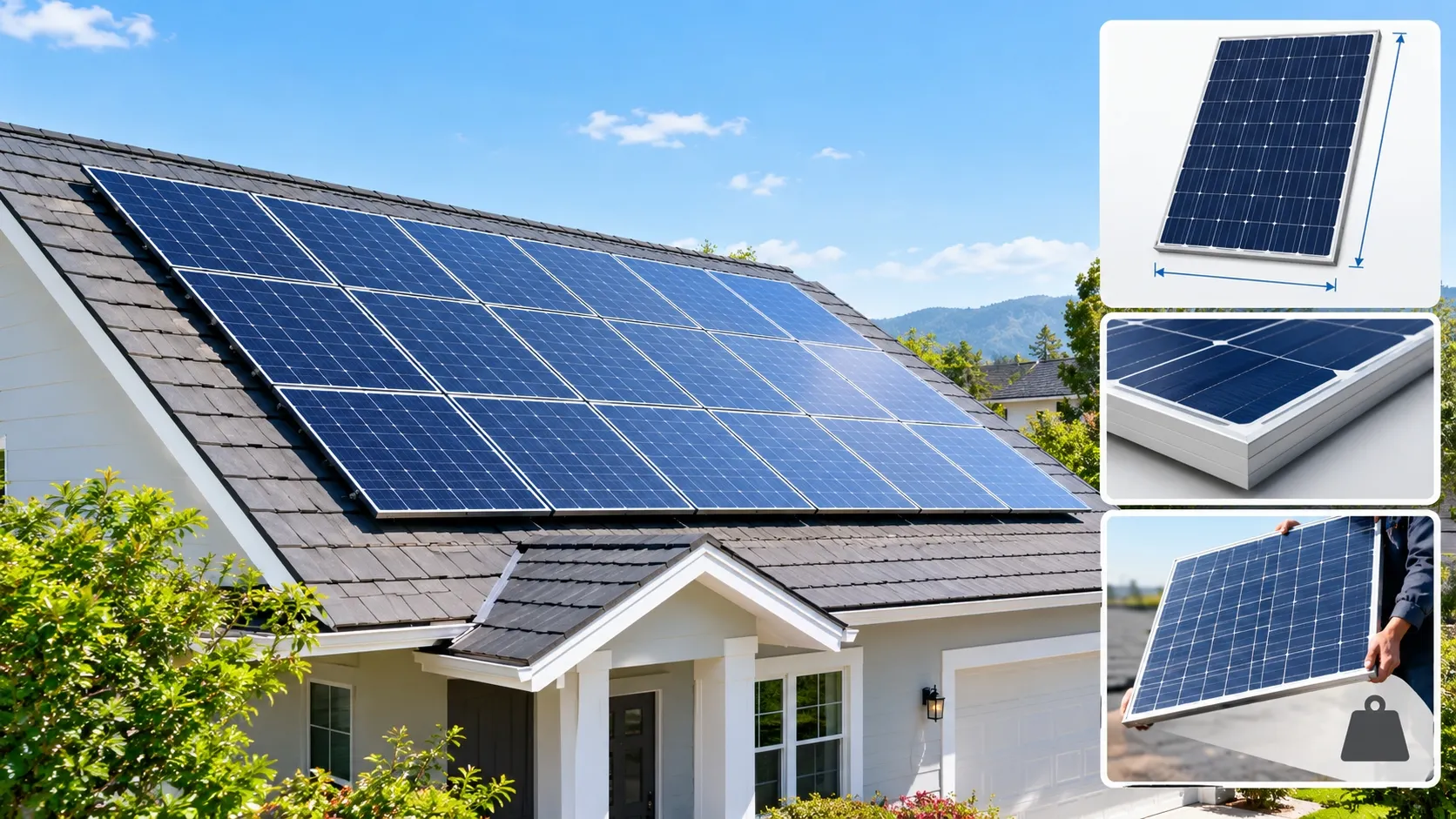
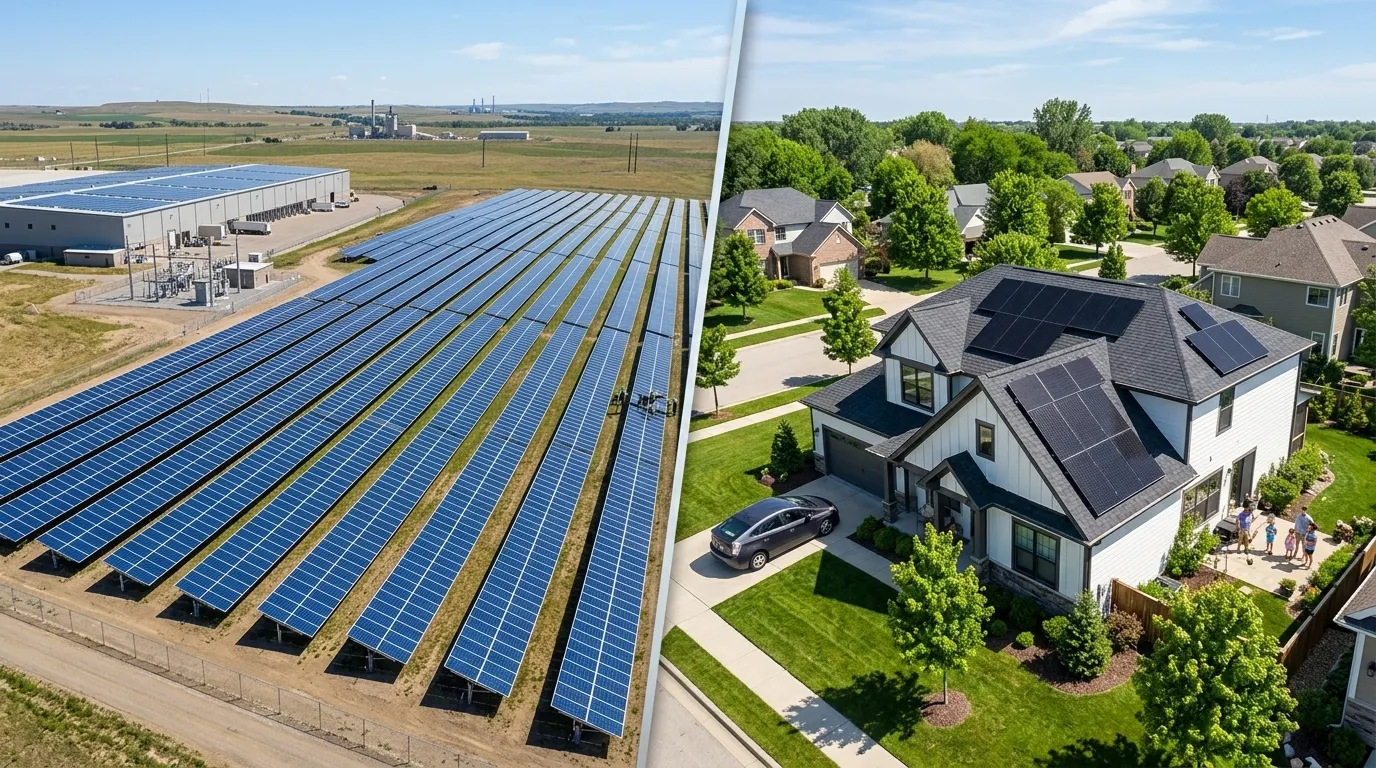
With the increasing adoption of solar power for residential, commercial, and industrial buildings, selecting the appropriate inverter is one of the key components of a photovoltaic (PV) system. There is often confusion when people refer to solar inverter vs grid-tied inverter as they could provide a description of two different system configurations or two different functions.
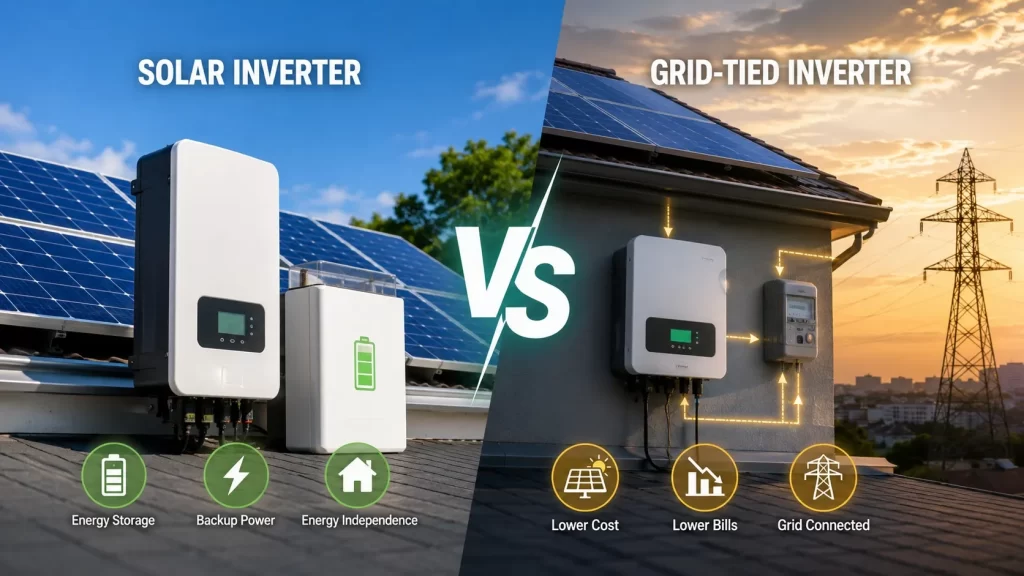
So, which one is the best?
This will depend on how you use solar energy. For properties that are connected to a reliable utility grid, a grid-tied inverter is going to be the better option, whereas for those that prioritize energy independence, battery storage, or back-up power, an off-grid or hybrid inverter will make more sense.
This guide describes the distinctions, benefits, and drawbacks, and uses of each option.
What Is a Solar Inverter?
One of the essential parts of a solar power system is a solar inverter. Solar panels produce direct current (DC) electricity and most residential and commercial devices require alternating current (AC) electricity. The inverter transforms the electricity produced by the panels into usable electricity (AC power).
The solar inverter can accommodate:
- Solar panel power conversion
- Battery charging and discharging
- Energy management
- Backup power
- Off-grid operation
- Grid connection
- Monitoring and system control
Therefore, “solar inverter” is a broad term that can include off-grid inverters, grid-tied inverters, and hybrid inverters.
What Is a Grid-Tied Inverter?
Grid tied inverter, or grid connected inverter is a particular type of inverter that works with the power grid.
Solar panels produce electric power in the day time and the inverter can convert the generated day time DC electric power to AC electric power for home or commercial loads. Excess electricity generation from solar sources may be sent to the grid, subject to local regulations and the appropriate utility program.
If the sun does not produce enough electricity then the electricity could be supplied by the utility grid.
Main advantages of grid-tied inverters
1. Lower system cost
Grid-tied systems typically do not require batteries. Since batteries can represent a significant portion of the total solar installation cost, eliminating them can reduce the initial investment.
2. High efficiency
Grid-connected inverters are designed to efficiently convert solar energy into usable AC electricity.
3. Simple system design
For properties with stable grid electricity, a grid-tied solar system can provide a relatively straightforward solution.
4. Reduced electricity bills
Solar energy can reduce the amount of electricity purchased from the utility, while excess generation may potentially be exported to the grid under applicable programs.
Solar Inverter vs Grid-Tied Inverter: Key Differences
The biggest difference is system flexibility and energy independence.
| Feature | Grid-Tied Inverter | Off-Grid/Hybrid Solar Inverter |
|---|---|---|
| Works with utility grid | Yes | Depends on model |
| Requires batteries | Usually no | Often yes |
| Backup power | Usually no | Yes, with suitable system |
| Off-grid operation | No | Yes, for off-grid models |
| Energy storage management | Limited | Yes |
| Initial cost | Lower | Usually higher |
| Energy independence | Lower | Higher |
| Best for | Grid-connected properties | Backup or independent power |
A grid-tied inverter is primarily designed to synchronize solar electricity with the utility grid. An off-grid or hybrid inverter can provide additional energy-management capabilities.
How Does a Hybrid Solar Inverter Work?
A hybrid inverter combines several functions in one device. It can manage electricity from solar panels, batteries, household loads, and sometimes the utility grid.
For example, during the day, solar panels can supply electricity to the property while excess energy charges the battery. At night, stored battery energy can power selected loads.
During a grid outage, a properly designed hybrid system can provide backup power to designated circuits.
This makes hybrid inverters attractive for homeowners and businesses looking for greater control over their energy consumption.
Which Is Better for Homeowners?
For a home with a stable electricity grid and a primary goal of reducing electricity bills, a grid-tied inverter can be an economical option.
However, homeowners who experience frequent power outages or want battery storage may benefit more from a hybrid inverter.
Consider a grid-tied inverter if:
- Your utility grid is reliable
- You mainly want to reduce electricity costs
- You do not need backup power
- You want a lower initial system cost
Consider a hybrid inverter if:
- Power outages are common
- You want battery energy storage
- You want backup electricity
- You want to increase solar self-consumption
- Energy independence is important
Which Is Better for Commercial Solar Systems?
Commercial applications require a more detailed evaluation because electricity consumption patterns, demand charges, operating hours, and backup requirements can significantly affect the ideal inverter configuration.
A grid-tied system may be appropriate for commercial buildings that consume substantial amounts of solar electricity during business hours.
For facilities that require continuous operation, a hybrid energy storage system may provide additional benefits. Batteries can store solar electricity and supply energy when solar generation is low or the grid is unavailable.
For factories, warehouses, offices, and other commercial facilities, the right choice should be based on:
- Daily electricity consumption
- Solar system capacity
- Peak power demand
- Grid reliability
- Battery storage requirements
- Backup load requirements
- Local utility rules
- Project budget
What About Off-Grid Solar Inverters?
An off-grid solar inverter is designed for systems that operate independently from the utility grid. These systems normally require batteries because solar production changes throughout the day and cannot always match electricity demand.
Off-grid solar systems are commonly used for:
- Remote homes
- Cabins
- Farms
- Telecom equipment
- Remote monitoring systems
- Rural facilities
- Emergency power systems
In an off-grid system, the inverter must carefully manage available solar energy, battery capacity, and electrical loads.
For locations without reliable grid access, an off-grid inverter may be more suitable than a conventional grid-tied inverter.
Important Factors When Choosing an Inverter
Before selecting an inverter, buyers should look beyond the product name and evaluate the entire solar energy system.
1. System size
Match the inverter's rated power with the solar array and expected electrical load.
2. Battery compatibility
If energy storage is important, confirm that the inverter supports the intended battery chemistry, voltage range, communication protocol, and storage capacity.
3. Efficiency
Higher conversion efficiency can help maximize the usable energy produced by the solar panels.
4. Backup capability
Not every inverter can provide power during a grid outage. If backup power is required, verify that the inverter supports islanding or backup operation and determine which loads can be powered.
5. Monitoring
Modern inverters may provide mobile apps, web portals, remote monitoring, fault notifications, and energy-production data.
6. Safety and certifications
Always select equipment that meets the electrical, grid-interconnection, and safety requirements applicable to the installation location.
Solar Inverter vs Grid-Tied Inverter: Which Should You Choose?
The solar inverter vs grid-tied inverter is not a simple comparison as it depends on the application.
A grid-tied inverter is generally the most economical and practical choice if you have a solid grid electricity supply and you are primarily focused on lowering your electric bill.
A hybrid solar inverter will generally be more versatile if you're interested in having battery storage, backup power, or additional energy independence.
In case there is no utility connection, you might need an off-grid solar inverter.
Final Takeaway
You can't just decide to select the highest wattage or cost inverter, you need to get an inverter that suits your energy needs. All of these factors should be taken into account in a professional system assessment: solar capacity, electricity usage, battery storage, grid conditions, backup needs, and local regulations.
In short:
- Grid-tied inverter: Best for reducing electricity costs in grid-connected properties.
- Hybrid inverter: Best for solar + battery storage + backup power.
- Off-grid inverter: Best for locations without reliable grid access.
As solar technology is advancing, intelligent inverter systems are gaining significance for optimal energy use. Solar inverter selection can optimize use of solar energy and enhance energy resilience, resulting in a more stable and reliable renewable power system.
Share on Social:


In This Article
- 1 What Is a Solar Inverter?
- 2 What Is a Grid-Tied Inverter?
- 3 Solar Inverter vs Grid-Tied Inverter: Key Differences
- 4 How Does a Hybrid Solar Inverter Work?
- 5 Which Is Better for Homeowners?
- 6 Which Is Better for Commercial Solar Systems?
- 7 What About Off-Grid Solar Inverters?
- 8 Important Factors When Choosing an Inverter
- 9 Solar Inverter vs Grid-Tied Inverter: Which Should You Choose?
