


Lithium Battery vs Lead-Acid Battery for Solar

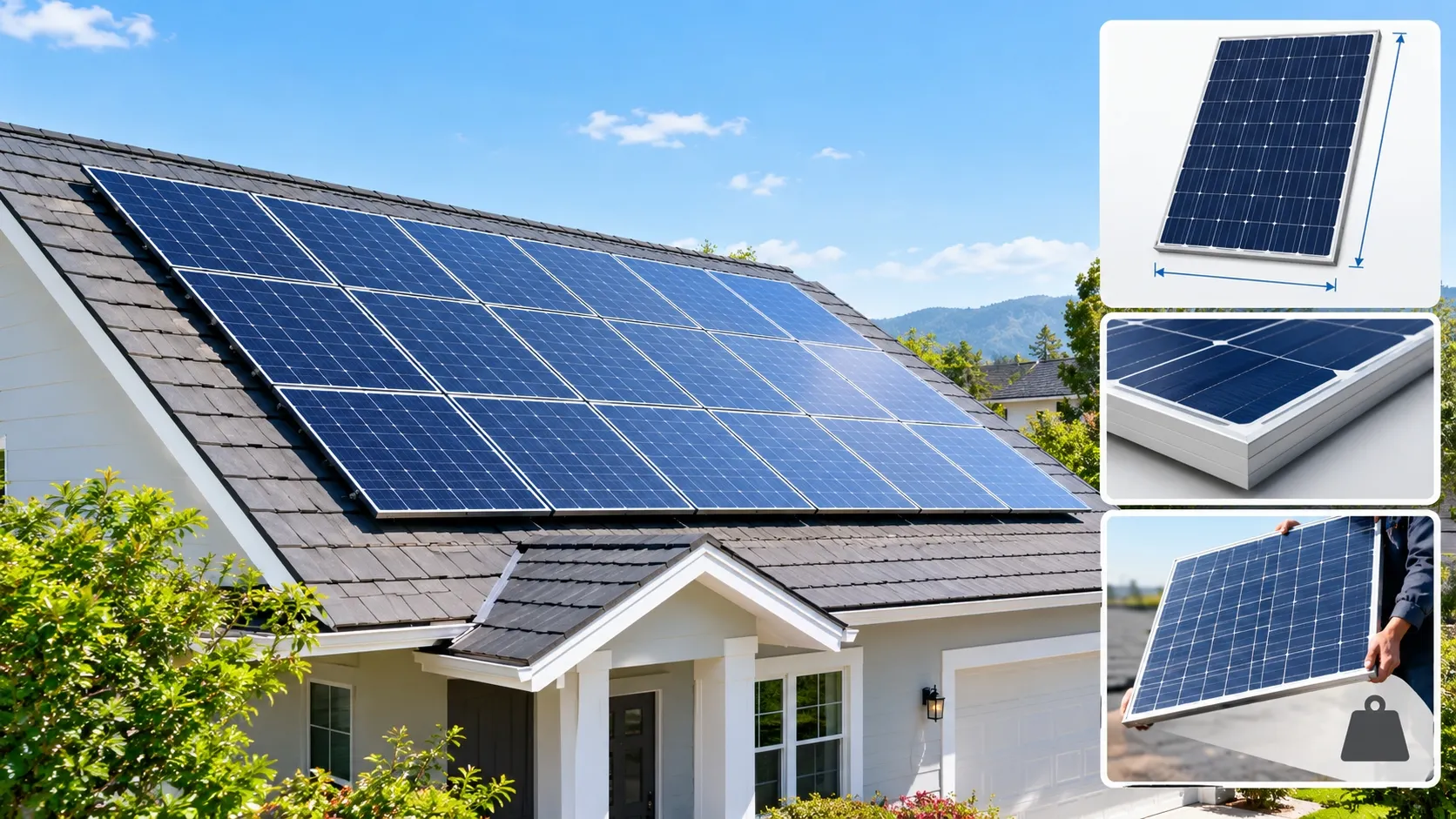
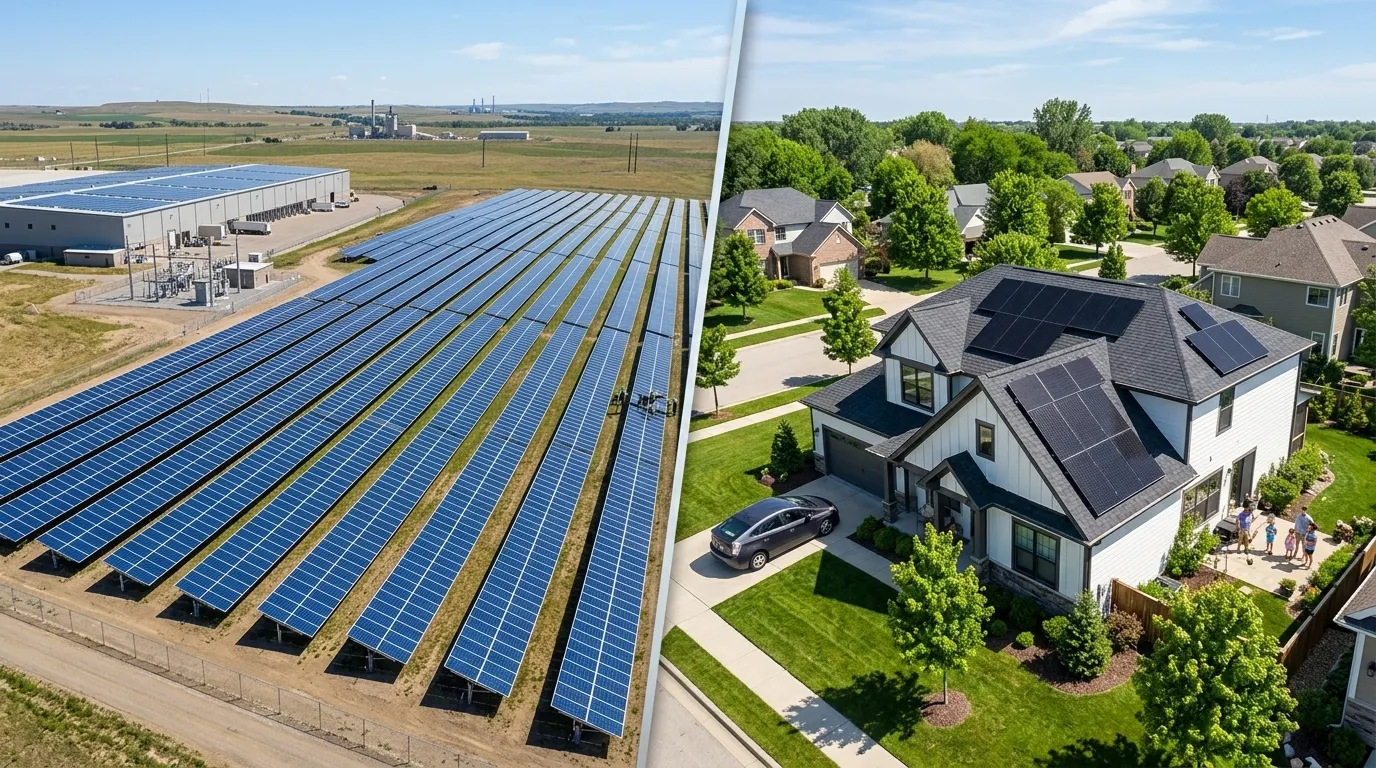
One of the most crucial decisions in the construction of a solar energy system is the type of battery that is used. Electricity can be produced by solar panels during the day, and stored in a good battery for use during night, cloudy days or when the grid is unavailable.
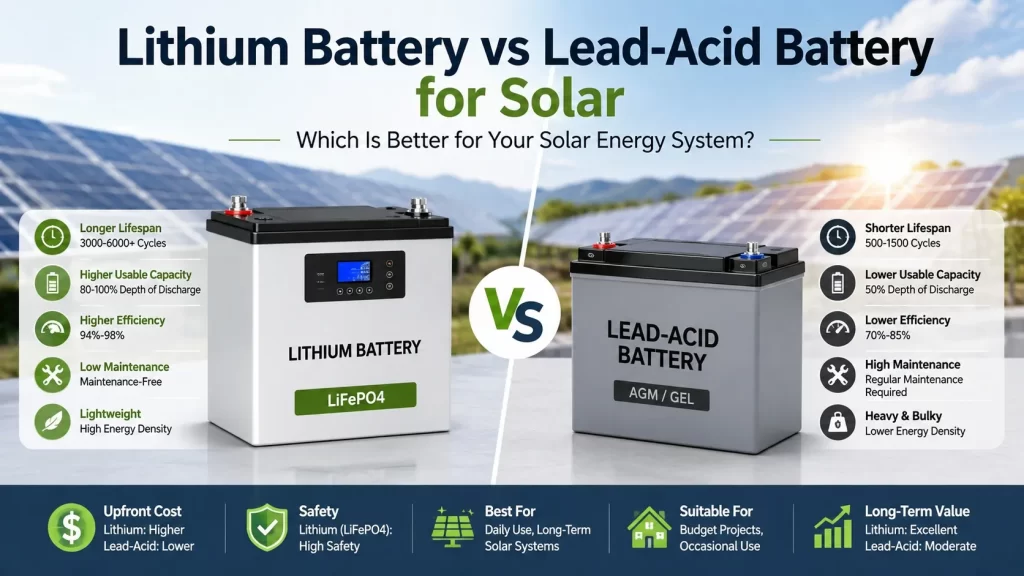
Lithium batteries and Lead-acid batteries are the two most used types of batteries. They can both be used for solar energy storage, but have very different efficiencies, lifetimes, maintenance requirements, usable capacity, charging rates, weights and long term costs.
So, which is better for solar? In most other residential and commercial applications, lithium batteries would be the preferred choice for performance, while lead-acid batteries might be the more cost-effective option if cost alone is the selection criterion.
What Is a Lithium Solar Battery?
Lithium Batteries: These batteries store electrical energy in lithium-based cells. Among the many lithium technologies available, lithium iron phosphate (LiFePO4) is particularly favoured for solar applications, due to its excellent thermal stability, long cycle life, and robust safety features.
Lithium batteries are so constructed that they can be charged and discharged many times. This makes them especially well suited to solar systems which are cycled on a daily basis.
Battery management systems (BMS) can also be integrated into modern lithium solar batteries to monitor battery parameters like voltage, temperature, current and state of charge. These features aid to protect the battery and boost system reliability.
What Is a Lead-Acid Solar Battery?
A traditional energy-storage technology that has been used for decades is the lead-acid battery. They are generally flooded lead-acid, AGM (Absorbent Glass Mat), or gel batteries.
Lead-acid batteries are typically cheaper than lithium batteries and are more common. They are, however, normally more susceptible to greater management requirements and have a shorter service life.
In addition, flooded lead acid batteries might need to be maintained on a regular basis, such as checking the electrolyte levels and making sure that they are properly ventilated.
Lithium Battery vs Lead-Acid Battery: Key Differences
When considering lithium batteries and solar energy storage compared to lead acid batteries, the following are some important factors to consider.
1. Battery Lifespan
One of the most significant differences is battery life.
A good lithium solar battery will typically last for several thousand charge/discharge cycles depending on the chemistry, operating conditions, DOD, and manufacturer.
Typically lead-acid batteries can offer fewer cycles, particularly if they are discharged frequently.
Lithium batteries offer a longer cycle life as compared to a solar system which charges and discharges daily, resulting in fewer battery changes.
Winner: Lithium battery
2. Usable Capacity
The capacity of a battery is typically expressed in kilowatt-hours (kWh), but it does not necessarily provide its maximum capacity when it is being used on a daily basis.
It is best to avoid deep discharges with lead-acid batteries. They may have a shorter life if they are discharged deeply repeatedly.
Lithium batteries are able to achieve good cycle performance and a much higher percentage utilization of their rated capacity.
A 10 kWh lithium battery could, for instance, deliver significantly more usable energy than a 10 kWh lead acid battery.
Winner: Lithium battery
3. Energy Efficiency
The efficiency of a battery is a measure of how much energy is left in the battery, after it has been charged and discharged.
Lithium batteries tend to have more round-trip efficiency than lead-acid batteries. This will result in more solar energy being retained when storage is used.
This greater efficiency can be particularly beneficial in systems with constrained solar energy production or high electricity usage.
Winner: Lithium battery
4. Charging Speed
Most lithium batteries will take higher charging currents and will charge quicker than many of the lead acid batteries.
This is helpful for solar installations as the solar generation can vary rapidly depending on the weather conditions.
A battery that can be charged effectively in a brief time of intense sunlight can use the available solar energy efficiently.
Winner: Lithium battery
5. Maintenance
Another factor of consideration is maintenance requirements.
Flooded lead-acid batteries may need to have the electrolyte checked, replaced, ventilated, and maintenance performed on them periodically. AGM and gel batteries are less-maintained but still have some drawbacks compared with today's modern Lithium battery.
Lithium batteries are typically low maintenance since they are sealed and monitored electronically by the BMS.
Winner: Lithium battery
6. Weight and Size
In general, Lithium batteries provide a higher energy density compared to lead acid batteries.
A Lithium Battery system can also be much lighter and smaller for the same amount of usable energy.
It comes in handy for installations where floor space is constrained, mobile solar systems, RVs, off-grid cabins and commercial installations.
Winner: Lithium battery
7. Upfront Cost
This is where lead-acid batteries really are advantageous.
The initial cost of lead-acid batteries is typically less expensive. This can make them an attractive choice for customers on a tight budget.
Lithium batteries typically have a higher initial cost. But the first price shouldn't be the only one to consider.
When cycle life, usable capacity, efficiency, maintenance and replacement costs are considered, lithium batteries can provide a lower total cost of ownership for the system's lifetime.
Winner: Lead-acid for initial cost; lithium for long-term value
Lithium vs Lead-Acid: Comparison Table
| Feature | Lithium Battery | Lead-Acid Battery |
|---|---|---|
| Upfront Cost | Higher | Lower |
| Cycle Life | Longer | Shorter |
| Usable Capacity | Higher | Lower |
| Energy Efficiency | Higher | Lower |
| Charging Speed | Faster | Slower |
| Maintenance | Low | Moderate to high |
| Weight | Lighter | Heavier |
| Energy Density | High | Lower |
| Deep Discharge Performance | Excellent | Limited |
| Long-Term Value | Excellent | Moderate |
| Solar Suitability | Excellent | Good |
Which Battery Is Better for Solar?
If a new solar energy system, the lithium battery is better overall.
They offer increased maintenance-free operation, greater usable power, faster charging, higher efficiency, and long service life. This is particularly good for residential solar-plus-storage, commercial solar, back-up power and off-grid applications.
However, for certain applications, it can still be worthwhile using lead-acid batteries. For instance, they can be appropriate if the starting budget is constrained; if energy storage is required relatively few times; or if replacement and maintenance requirements are not a concern.
The best option depends more on the operating conditions of the system than on the battery's price.
When Should You Choose a Lithium Battery?
Lithium batteries are a strong choice if you:
- Use solar energy every day
- Need reliable backup power
- Want a long battery lifespan
- Have limited installation space
- Need high usable capacity
- Prefer low-maintenance equipment
- Want higher charging and discharging efficiency
- Plan to keep your solar system for many years
For homeowners and businesses looking for long-term solar energy storage, lithium technology is increasingly becoming the preferred option.
When Should You Choose Lead-Acid?
Lead-acid batteries may be worth considering if:
- Your initial budget is limited
- The battery will be used occasionally
- You already have compatible lead-acid equipment
- The installation has sufficient ventilation and space
- You are comfortable with more frequent battery replacement
However, it is important to select the appropriate lead-acid type and avoid operating conditions that can significantly reduce battery life.
How to Choose the Right Solar Battery
Before purchasing a solar battery, consider more than battery chemistry. Important factors include:
1. Storage capacity: Determine how much electricity you need to store each day.
2. Depth of discharge: Check how much of the battery capacity can realistically be used.
3. Cycle life: A battery with a longer cycle life may provide better lifetime value.
4. Efficiency: Higher efficiency can help maximize the electricity produced by your solar panels.
5. Power output: Make sure the battery can handle the peak loads of your appliances or equipment.
6. Operating temperature: Battery performance and lifespan can be affected by extreme temperatures.
7. Warranty: Compare warranty periods, cycle guarantees, and performance conditions.
8. Compatibility: Ensure the battery works with your solar inverter, charger, and energy management system.
Final Verdict
In terms of overall performance, lithium batteries offer a better performance than lead-acid batteries in most comparisons between lithium battery vs lead-acid battery for solar. These factors make them suitable for modern solar systems, including their longer life, high efficiency, high usable capacity, speed of charging, compact design, and low maintenance.
Where cost is most critical or when energy-storage requirements are not too high, lead-acid batteries are still a viable choice.
If you are reviewing solar batteries on a long-term basis, it's not just about the price, it is about the long term value of the solar battery.
In most cases, lithium batteries will provide the best performance, reliability and long-term value for most solar energy applications that require daily cycling.
Share on Social:


In This Article
- 1 What Is a Lithium Solar Battery?
- 2 What Is a Lead-Acid Solar Battery?
- 3 Lithium Battery vs Lead-Acid Battery: Key Differences
- 4 Lithium vs Lead-Acid: Comparison Table
- 5 Which Battery Is Better for Solar?
- 6 When Should You Choose a Lithium Battery?
- 7 When Should You Choose Lead-Acid?
- 8 How to Choose the Right Solar Battery
- 9 Final Verdict
