


Solar Energy vs Traditional Electricity: Which Is Better?
With the price of electricity constantly increasing and a rising need to pay attention to climate change, there is a question that is being asked by more and more homeowners and businesses: Is solar better than electric?
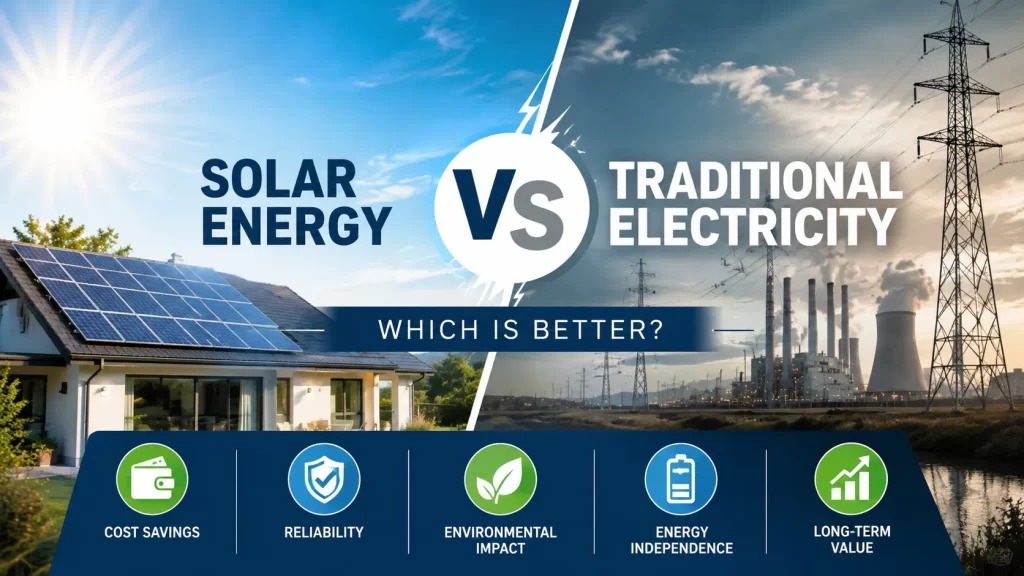
Electricity generation from the power grid is still the most widely used form of electricity generation in the home and office. But solar energy is increasingly appealing due to its benefits of lowering electricity bills, increasing energy independence and reducing carbon emissions.
It is dependent on the amount of electricity you use, where you live, your budget, the amount of sunshine you have and your long term energy strategies. It provides a comparison of solar power and traditional electricity in terms of cost, reliability, environmental impact, maintenance, energy independence and long term value.
What Is Solar Energy?
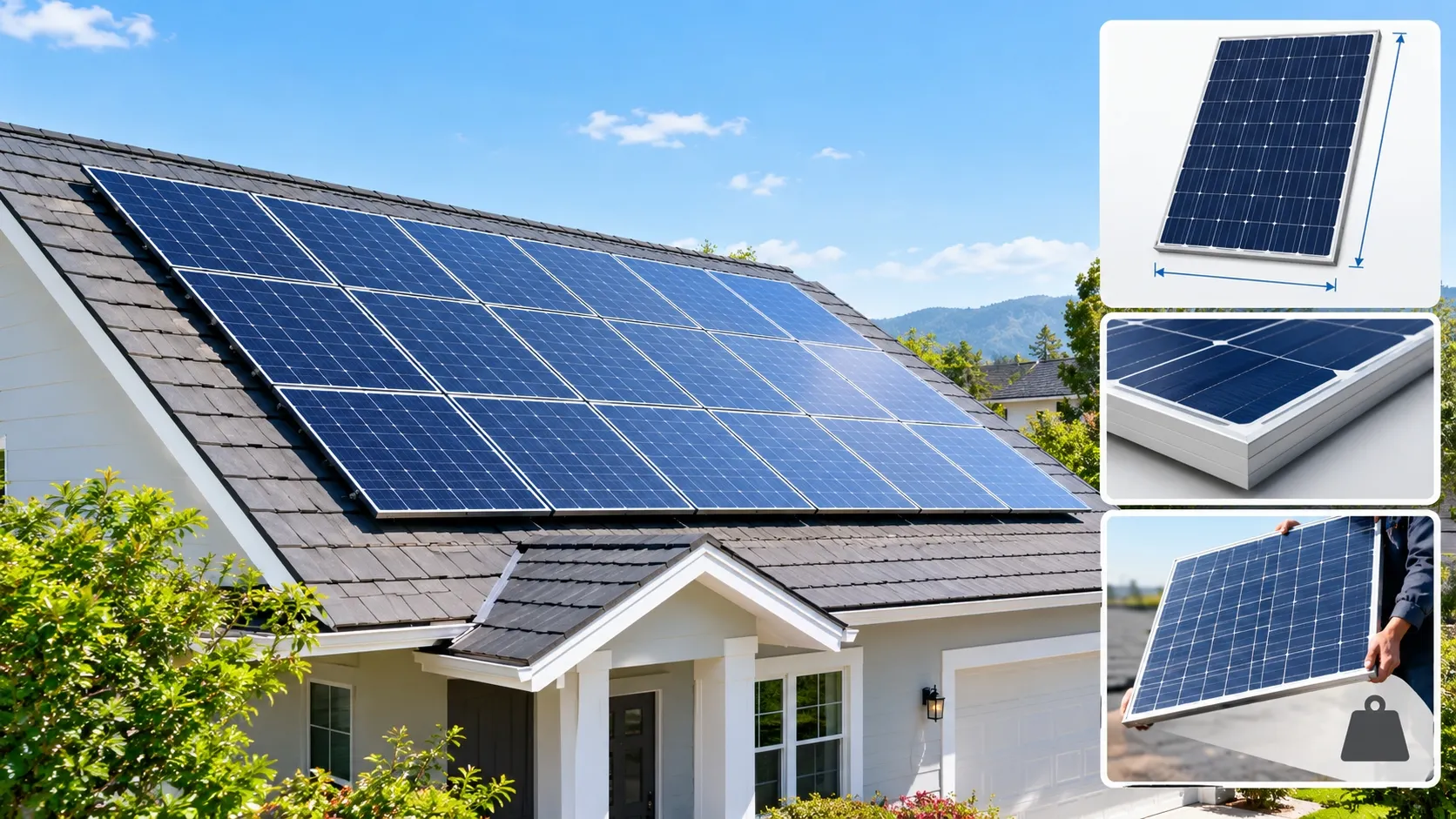
In solar energy, photovoltaic (PV) panels are used to convert sunlight into electricity. Components of a solar power system are solar panels, inverter, mounting hardware, and electrical components.
During the daylight hours the solar panels produce electricity. Depending on the system design, excess electricity can be stored in batteries or sent to the utility grid.
A solar system may be:
- Grid-tied: Connected to the utility grid and designed to reduce electricity purchased from the grid.
- Off-grid: Operates independently from the utility grid, usually with battery storage.
- Hybrid: Combines solar panels, batteries, and grid electricity for greater flexibility and backup capability.
Solar energy is renewable because sunlight is naturally replenished.
What Is Traditional Electricity?
The typical definition of electricity is power provided by the electrical grid by a utility company. Electricity may be produced from any mix of fuels, such as natural gas, coal, nuclear, water, wind and solar.
The biggest benefit for the customer is ease of use. When a property is “plugged in” to the grid, it has an access to electricity whenever it is needed and the property owner does not need to install or maintain an electricity-generating system.
But utility electricity rates are subject to change. Consumers continue to rely on the local power grid and utility infrastructure as well.
Solar Energy vs Traditional Electricity: Cost Comparison
One major consideration for comparing solar energy to traditional electricity is cost.
With traditional electric power, you pay for power while you use it. The amount of electricity used, as well as applicable fixed charges, taxes and other fees, are billed monthly to the utility company.
The initial cost is greater for solar energy. Solar panels, an inverter, and a battery system need to be bought and installed. But, once installed, the system can produce electricity for many years thereafter.
The long-term economic balance may thus be quite distinct.
Traditional Electricity
Advantages:
- Low upfront cost
- No solar installation required
- Simple monthly billing
- Easy to scale electricity consumption
Disadvantages:
- Ongoing electricity bills
- Rates may increase over time
- No direct control over electricity generation
- Continued dependence on the utility
Solar Energy
Advantages:
- Can significantly reduce grid electricity purchases
- Potential long-term savings
- Protection against some future electricity price increases
- Possibility of selling or receiving credits for excess electricity, depending on local regulations
Disadvantages:
- Higher initial investment
- Installation costs
- Potential inverter or battery replacement
- Savings depend on location, electricity rates, system size, and local policies
For many users, solar energy makes the most sense when viewed as a long-term energy investment rather than simply a way to eliminate the monthly electricity bill immediately.
Which Is More Reliable?
Electricity produced with the traditional grid is very convenient, as it does not depend on the time of day or night. But storms, component failures, accidents, extreme weather and other infrastructure issues can disrupt grid electricity.
Solar panels only produce electricity in the presence of sunlight. This also implies that a solar-based solution would not be able to deliver continuous electrical energy during night hours unless used in combination with energy storage or alternative energy generation.
This is where solar batteries come into the picture.
A solar plus battery system can store energy generated during the day-time and utilize it later, when it is needed. Batteries can supply back-up power if there is a grid failure depending on the size of the system and how the household uses it.
The best way to achieve maximum reliability is to have a hybrid solar system with battery storage and grid connection, which would be able to harness the best of both worlds.
Which Is Better for the Environment?
A significant environmental benefit of solar energy is that the electricity is not generated by combustion of fuels while operating the system.
Electricity has a different environmental footprint if electricity is generated in a different way. Fossil fuel power plants can emit GHGs and other pollutants.
Solar panels do have energy and raw materials costs associated with their production, transportation and installation. However, solar energy is, on balance, a low carbon source of electricity throughout its life cycle.
Solar energy is an attractive choice for consumers who wish to lessen their reliance on electricity from fossil fuels.
Solar Energy Provides Greater Energy Independence
One of the most significant differences between energy from the sun and conventional electricity is that the former is independent of electricity.
Standard electricity means that your home is reliant on the power grid. You buy electricity from an outside energy grid.
By using Solar, you can produce power at least for a portion of your home.
For instance, if a homeowner has rooftop solar, they would rather produce their electricity share of the day rather than buying it from the utility. The installation of battery storage further enhances energy independence by utilizing the surplus sun energy later on.
This can be especially helpful in regions where electric rates are high, power outages occur regularly, or solar resources are high.
Maintenance: Solar vs Traditional Electricity
The traditional electricity has almost no maintenance requirements for the user. Utility company typically owns the generation, power transmission and power distribution facilities.
Solar systems do need some maintenance but modern PV systems are designed to last for long.
Typical Solar Maintenance:
- Periodic inspection of solar panels
- Cleaning when dirt or debris significantly affects performance
- Checking electrical connections
- Monitoring system performance
- Replacing components such as the inverter when necessary
Solar panels can continue producing electricity for decades, although their output gradually declines over time.
Is Solar Energy Worth It?
For many homeowners and businesses, solar energy can be worthwhile when several conditions are favorable.
Solar is particularly attractive when:
- Electricity rates are relatively high.
- The property receives sufficient sunlight.
- There is enough roof or land space for solar panels.
- The system can be installed at a reasonable cost.
- Local incentives or favorable electricity policies are available.
- The owner plans to stay at the property for many years.
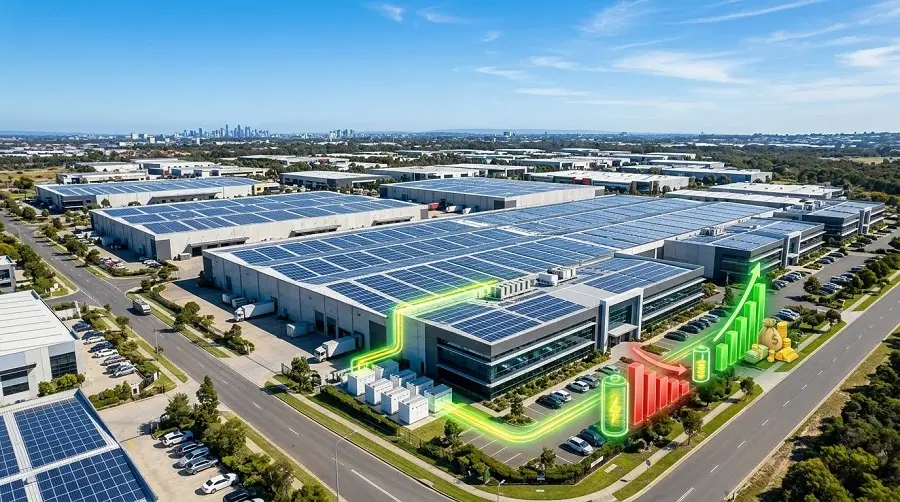
Businesses with large daytime electricity consumption may also benefit because solar panels can generate electricity during the same hours when commercial facilities are operating.
However, solar is not automatically the cheapest solution for every property. Shading, poor roof orientation, low electricity prices, limited installation space, and unfavorable local regulations can reduce the financial benefits.
Solar Energy vs Traditional Electricity: Pros and Cons
| Factor | Solar Energy | Traditional Electricity |
|---|---|---|
| Upfront cost | Higher | Low |
| Monthly electricity cost | Can be reduced | Ongoing |
| Energy source | Renewable sunlight | Mixed energy sources |
| Energy independence | High with batteries | Low |
| Backup capability | High with batteries | Depends on grid |
| Maintenance | Some maintenance required | Minimal for consumers |
| Environmental impact | Generally low-carbon | Depends on generation mix |
| Long-term savings | Potentially significant | Depends on utility rates |
| Availability | Sunlight-dependent | Available 24/7 through grid |
Which Is Better: Solar Energy or Traditional Electricity?
It's not a one-size-fits-all situation.
Traditional electric power is more suitable for those who value simplicity, low upfront costs, and rapid and reliable access to the grid without the need for installation.
Homeowners and businesses seeking long-term energy savings, renewability, and energy independence may find solar energy to be a better option.
The ideal answer for many consumers, however, is to pick a third option: neither of the above. A grid- connected solar system allows for the use of solar power when that power source is available, and continues to provide traditional electricity when solar energy is not.
A combination of battery storage will offer even more flexibility and backup protection.
Final Thoughts
The choice of solar energy vs traditional electricity should not only be based on the upfront cost. Think about how much electricity the building uses, the costs of the electricity, how much sunshine the building gets, how much it costs to install, incentives, how much it requires in terms of maintenance, and what you want to achieve over the long-term.
Electricity is still convenient and available, and although solar is not always the cheapest energy source, it has the potential to be a renewable energy source, provide energy independence and reduce long-term energy costs.
Solar power with grid electricity and battery storage can deliver a combination of affordability, reliability and sustainability that is optimal for many homes and businesses.
Consider the energy use and local electricity market thoroughly before investing in a solar system. If the solar system is sized correctly, a solar system can provide solar electricity and generate a long-term energy resource, and it can also decrease reliance on conventional electricity from the grid.
Share on Social:


In This Article
- 1 What Is Solar Energy?
- 2 What Is Traditional Electricity?
- 3 Solar Energy vs Traditional Electricity: Cost Comparison
- 4 Which Is More Reliable?
- 5 Which Is Better for the Environment?
- 6 Solar Energy Provides Greater Energy Independence
- 7 Maintenance: Solar vs Traditional Electricity
- 8 Is Solar Energy Worth It?
- 9 Solar Energy vs Traditional Electricity: Pros and Cons
- 10 Which Is Better: Solar Energy or Traditional Electricity?
- 11 Final Thoughts
