


On-Grid Solar vs Off-Grid Solar: Which Is Better?
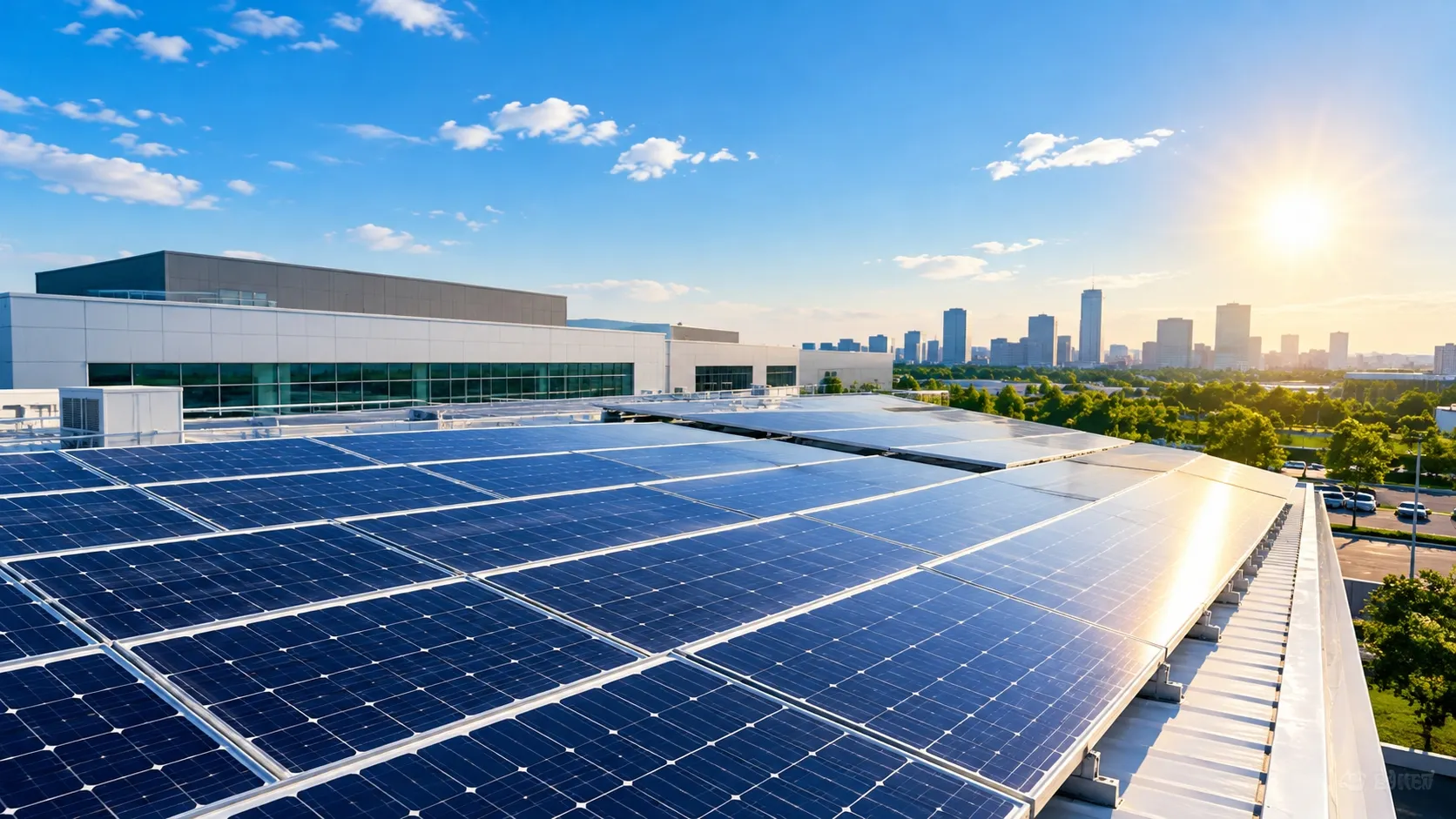
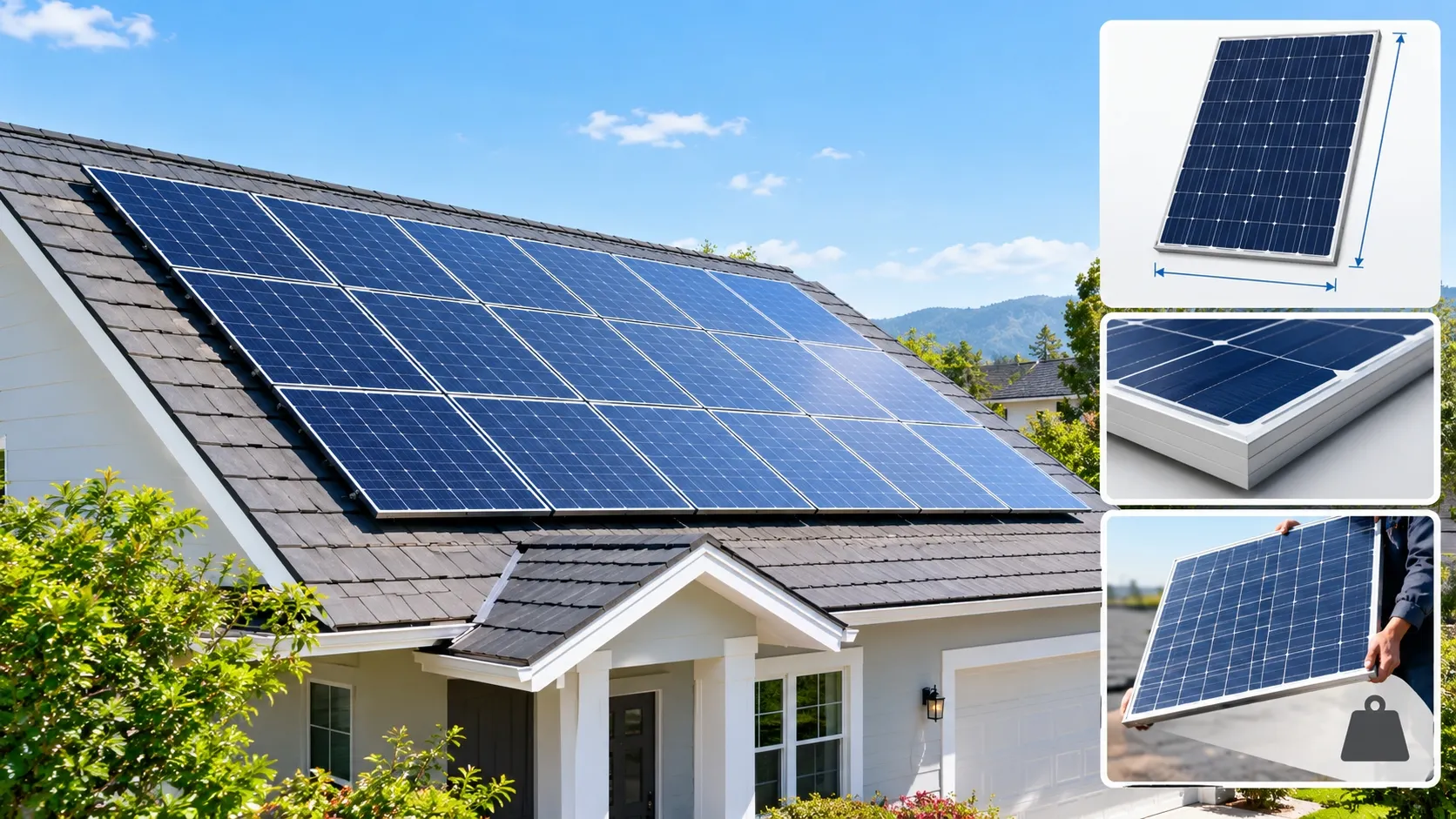
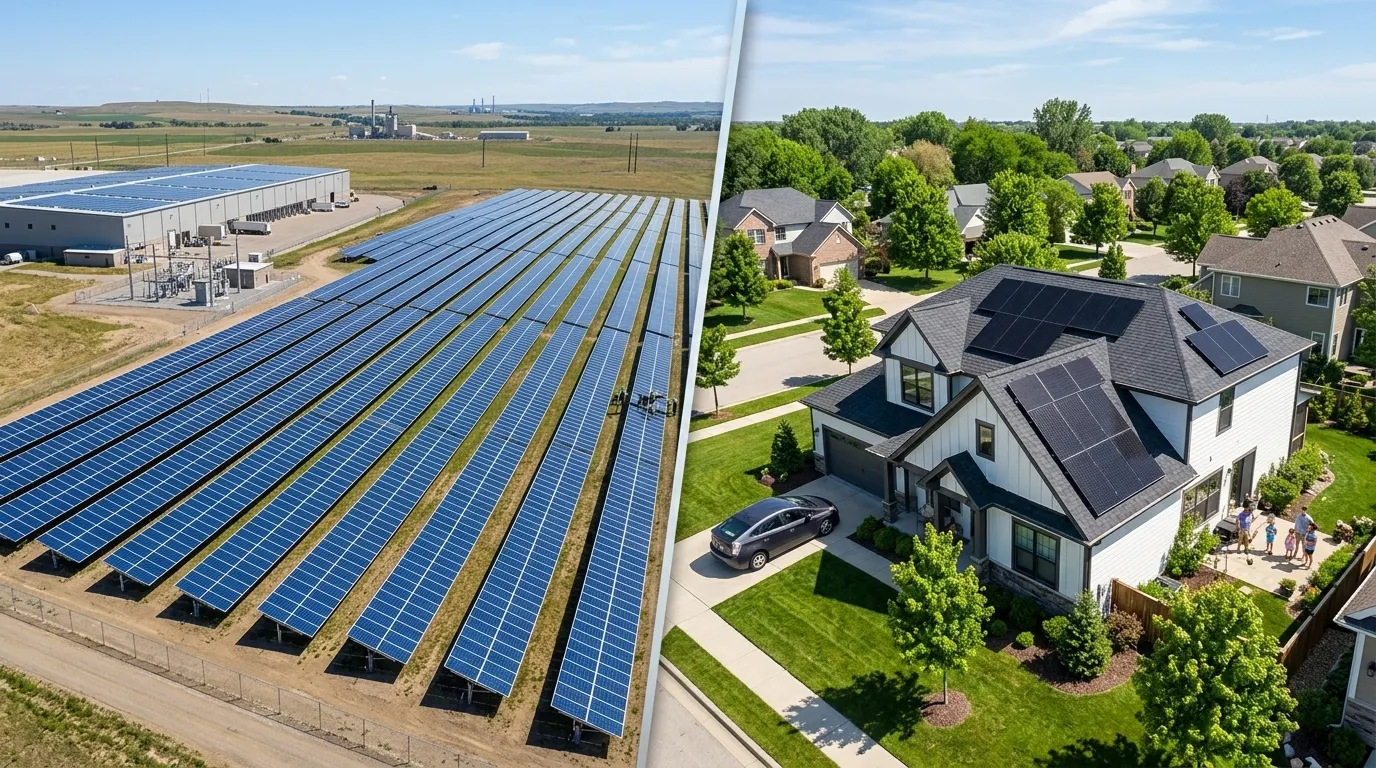
The decision of a solar power system for home, business, and property developers is important. The most frequently mentioned ones are on-grid solar and off-grid solar. Both systems are based on solar panels to produce clean energy, but they operate in rather different ways.
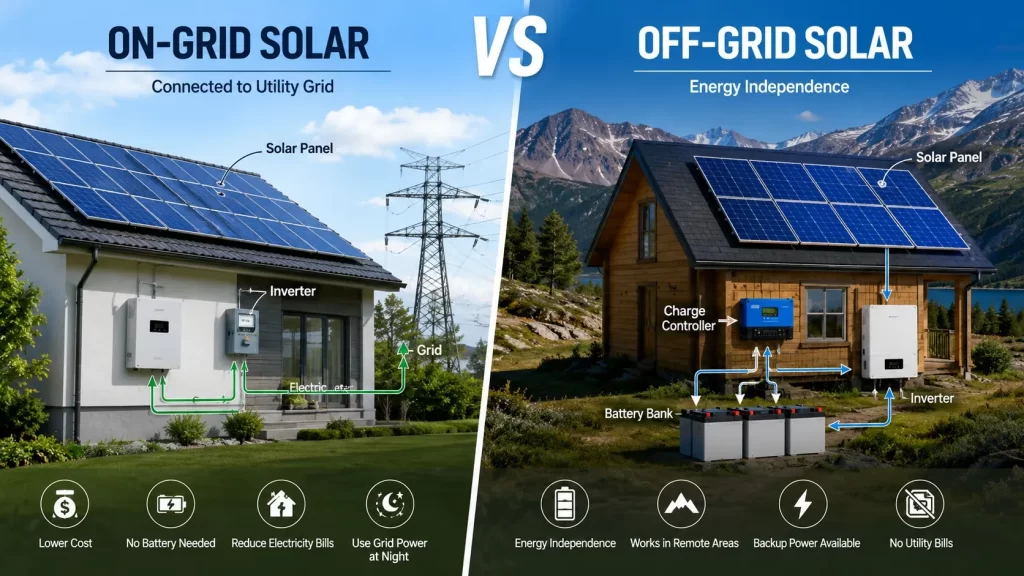
Well then, on-grid Solar is better than off-grid Solar or not? That will depend on your electricity usage, location, budget, reliability expectations and whether or not you can connect to the utility grid.
This guide discusses the difference between on-grid and off-grid solar arrays, how they operate, their pros and cons, their costs, the batteries used, maintenance, and where they are best suited.
What Is On-Grid Solar?
An on-grid solar system or grid tied solar system is the type of solar system that is directly connected to the local electricity grid.
Solar panels produce direct current (DC) power which is transformed into alternating current (AC) power by a solar inverter. The electricity can then be used to run equipment, lights, machines, and other loads on the property.
If the electricity generated by the PV system exceeds the electricity consumed by the property, the resulting surplus can be sold to the grid depending on the local rules and regulations, which may include compensation schemes.
If the quantity of electricity produced by the sun is not enough (at night, on days with low sunlight) the electricity can be provided by a grid.
How On-Grid Solar Works
A typical on-grid solar system includes:
- Solar panels
- Grid-tied solar inverter
- Electrical distribution equipment
- Utility grid connection
- Optional monitoring system
Most on-grid systems will not need batteries. This simplifies them and generally costs less than off-grid systems.
But typical grid-tied solar installations typically are disabled during a power failure. This is a safety precaution to keep electricity from flowing onto power lines when utility crews are working to repair the grid.
What Is Off-Grid Solar?
Off-grid solar system is not connected with the utility grid. Its purpose is to produce, store and deliver electricity without utilizing a power grid.
The typical off-grid system consists of a set of solar panels, batteries, and an appropriate inverter. In the daytime, the solar panels will produce electricity which will be used in that day, and any surplus electricity will be stored in the batteries.
During nights or when not enough sunlight is available, stored energy from the battery is used to power electrical loads.
Main Components of an Off-Grid Solar System
An off-grid solar installation typically includes:
- Solar panels
- Solar charge controller or hybrid inverter
- Battery storage
- Off-grid inverter
- Electrical protection equipment
- Monitoring system
- Optional backup generator
Because the system must produce enough electricity for periods when solar generation is low, battery capacity and system sizing are critical.
On-Grid Solar vs Off-Grid Solar: Key Differences
The biggest difference is the relationship with the utility grid.
| Feature | On-Grid Solar | Off-Grid Solar |
|---|---|---|
| Grid connection | Required | Not required |
| Battery storage | Usually optional | Essential |
| Utility electricity | Available | Not available |
| Backup during grid outage | Usually no | Yes |
| Initial cost | Lower | Higher |
| System complexity | Lower | Higher |
| Energy independence | Limited | High |
| Ideal location | Grid-connected properties | Remote properties |
This comparison shows why there is no universal answer to which system is better.
Advantages of On-Grid Solar
1. Lower Initial Cost
On-grid solar systems generally cost less because they can operate without a large battery bank.
For many grid-connected homes and commercial properties, eliminating batteries significantly reduces the initial investment.
2. Simple System Design
Grid-tied systems have fewer components than fully independent systems. This can make installation, operation, and maintenance easier.
3. Reduced Electricity Bills
The main purpose of an on-grid solar system is often to reduce electricity purchased from the utility company.
By generating electricity during daylight hours, users can reduce their dependence on grid electricity.
4. Efficient Use of Solar Energy
If the system is properly designed, solar generation can be consumed directly by the property. Depending on local utility rules, surplus generation may also be exported to the grid.
5. Suitable for Urban and Commercial Applications
On-grid solar is particularly suitable for:
- Residential buildings
- Offices
- Factories
- Warehouses
- Retail stores
- Schools
- Commercial facilities
If reliable grid electricity is already available, an on-grid system is often the most straightforward choice.
Disadvantages of On-Grid Solar
The biggest limitation is grid dependence.
A standard grid-tied solar system normally cannot continue operating during a utility outage. Therefore, homeowners who need backup power may need to add compatible battery storage and backup functionality.
Another consideration is that the financial benefits of exporting excess electricity depend heavily on local utility policies, electricity rates, and compensation programs.
Advantages of Off-Grid Solar
1. Complete Energy Independence
Off-grid solar can provide electricity in locations without access to utility infrastructure.
This makes it useful for remote homes, cabins, farms, telecommunications sites, and other isolated locations.
2. Backup Power During Grid Outages
Because an off-grid system does not depend on the utility grid, it can continue supplying electricity as long as sufficient solar energy and battery capacity are available.
3. Useful for Remote Locations
Extending utility power lines to remote properties can be expensive or impractical. An appropriately designed off-grid solar system can provide an alternative.
4. Greater Control Over Energy
Users can manage their energy production and storage directly. With a properly sized battery bank and energy-efficient appliances, an off-grid property can operate independently.
Disadvantages of Off-Grid Solar
Higher Upfront Cost
One of the significant extra costs is batteries. An off grid system might also need a more expensive solar panel array, more complicated power electronics, and reserve generation.
More Complex System Sizing
An off-grid system needs to consider how much power is used with the peak loads, the capacity of the batteries, the amount of sunshine, seasonal variations, and days of bad weather.
For instance, a system that is based on the average summer solar generation could fail to deliver sufficient energy during the winter season or when there are long periods of cloudy weather.
Battery Maintenance and Replacement
Batteries have a limited life span. The modern lithium battery technologies can offer long operating life, but still batteries are a crucial part to be monitored and replaced eventually.
Which Is Better for Your Home?
On-grid solar is typically the easier and cheaper solution for most pre-existing properties with existing reliable grid connection.
For those who want to lower their electric bills and do not need to be entirely self-sufficient, an on-grid system might be preferable.
If you live off-grid, however, and have no guarantee of grid access, an off-grid solar system could be a better option.
Electricity usage should also be taken into account. For homes with significant energy needs, their solar panels and battery storage systems may need to be larger to be completely off grid.
Can You Combine Grid-Tied Solar and Batteries?
Yes. The third is a Hybrid Solar system, which is a combination of grid connected, solar generation and battery storage.
An on/off grid hybrid system can give many of the benefits of on-grid solar, coupled with providing a backup for power if the grid fails.
Under normal operating conditions, the solar energy can be used in the property and the batteries are recharged. If the sun is not producing electricity, then the electricity is provided from the grid. In some instances, the battery system can supply power to selected or suitably designed loads during battery outages.
Combined systems are appealing options for homeowners and businesses looking for both solar benefits and energy security.
How to Choose the Right Solar System
Before selecting a system, evaluate these factors:
1. Grid availability: Is reliable utility electricity available at your property?
2. Electricity consumption: How much energy do you use each day and month?
3. Backup requirements: Do you need electricity during grid outages?
4. Budget: Can you justify the additional cost of battery storage?
5. Location: How much sunlight does your property receive throughout the year?
6. Future energy needs: Will you add electric vehicles, air conditioning, machinery, or other high-power equipment?
7. Local regulations: Check utility interconnection requirements, solar incentives, and electricity export policies before installation.
Final Verdict: On-Grid or Off-Grid Solar?
No single solar system is the perfect fit for all.
Grid-connected homes that focus on cost savings from their electric bills and want lower initial expenses are typically better suited to on-grid solar. Simple, effective and well adapted for houses and commercial buildings where a secure supply of utilities is available.
Off-grid solar is ideal for remote areas, power outage-prone regions and energy independence-conscious consumers. But it needs to be sized carefully, with storage and a bigger up-front investment.
If there's a desire for a balance between savings and backup power, a hybrid solar system may be the ideal solution for users looking for this.
Ultimately, it's up to you depending on where you live, how much electricity you use, how much you can afford and the energy goal you're looking for. A solar installation company can assess your site and create a solar system to deliver long-lasting, efficient and cost-effective solar power.
Share on Social:


In This Article
- 1 What Is On-Grid Solar?
- 2 What Is Off-Grid Solar?
- 3 On-Grid Solar vs Off-Grid Solar: Key Differences
- 4 Advantages of On-Grid Solar
- 5 Disadvantages of On-Grid Solar
- 6 Advantages of Off-Grid Solar
- 7 Disadvantages of Off-Grid Solar
- 8 Which Is Better for Your Home?
- 9 Can You Combine Grid-Tied Solar and Batteries?
- 10 How to Choose the Right Solar System
- 11 Final Verdict: On-Grid or Off-Grid Solar?
