


Off Grid Solar Power Systems with 120V/240V Split-Phase Output Explained
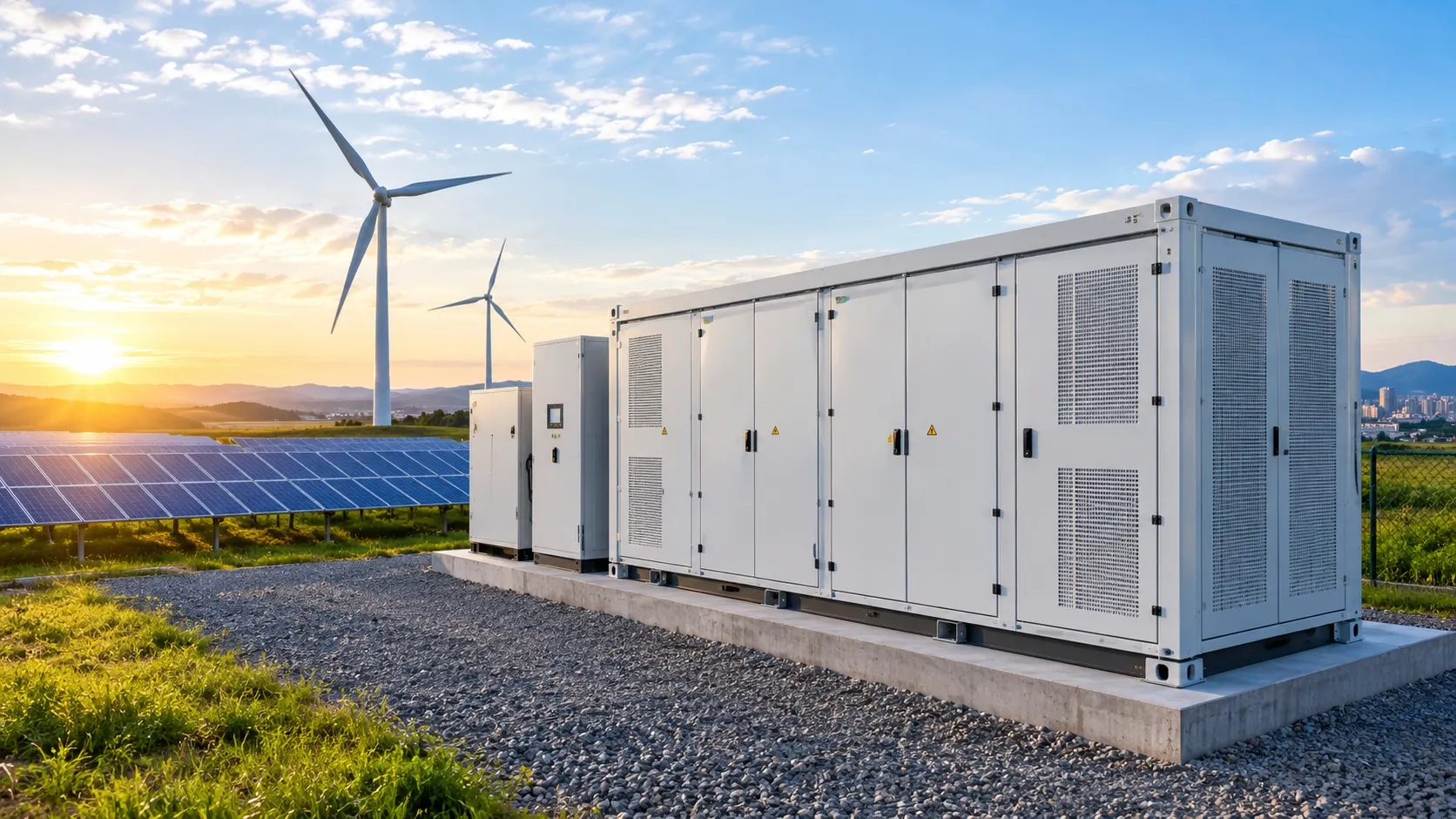
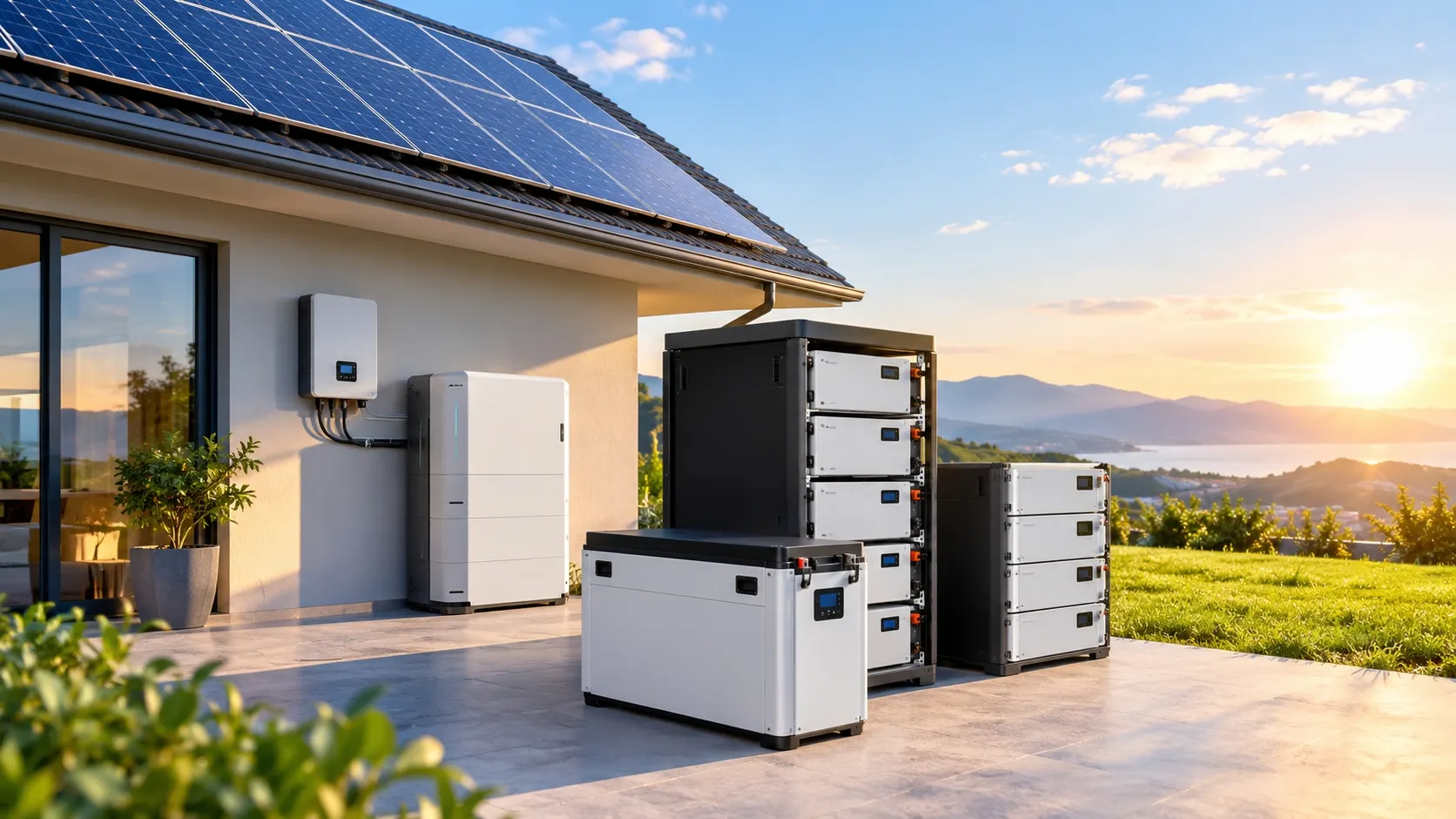
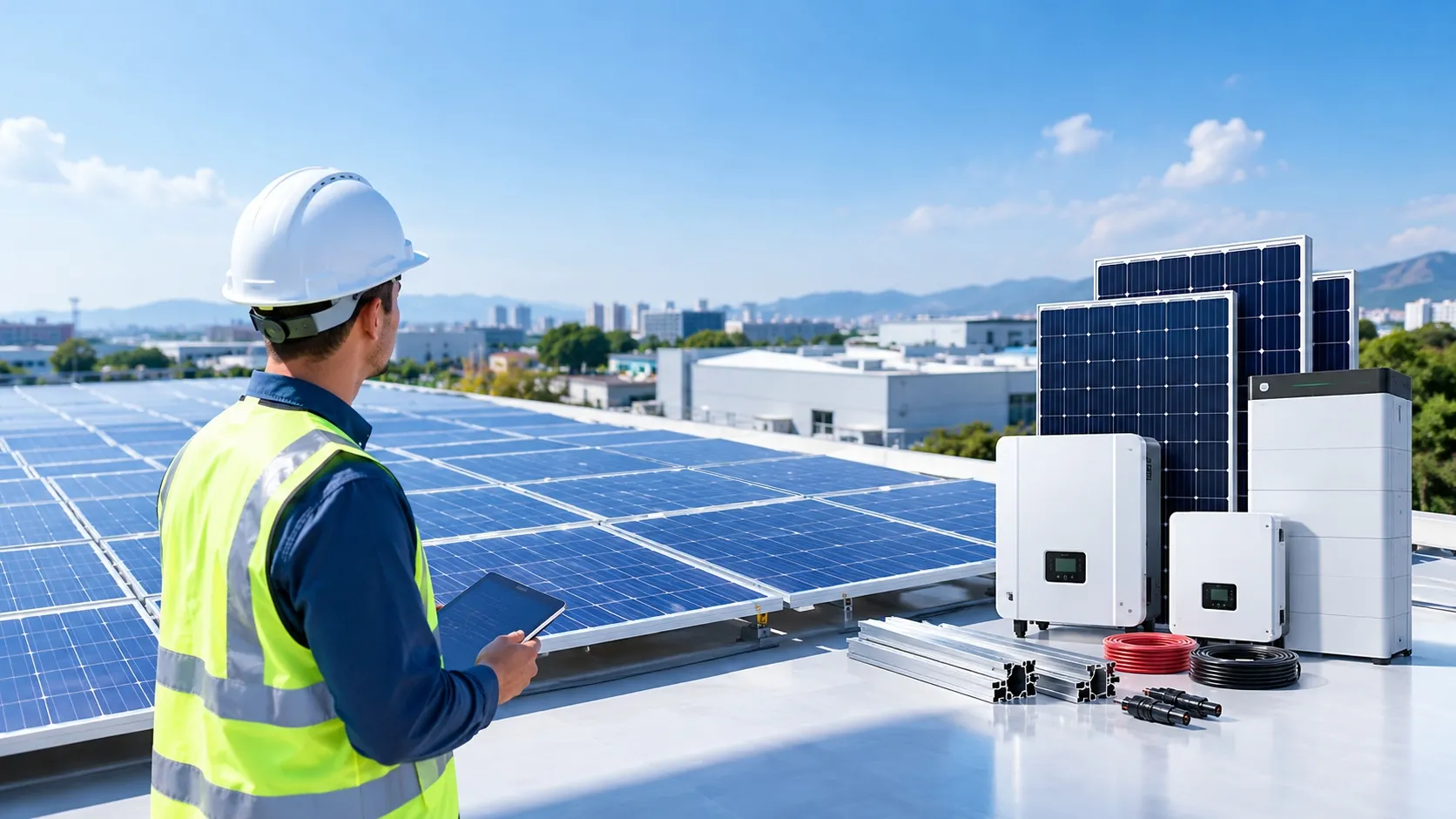
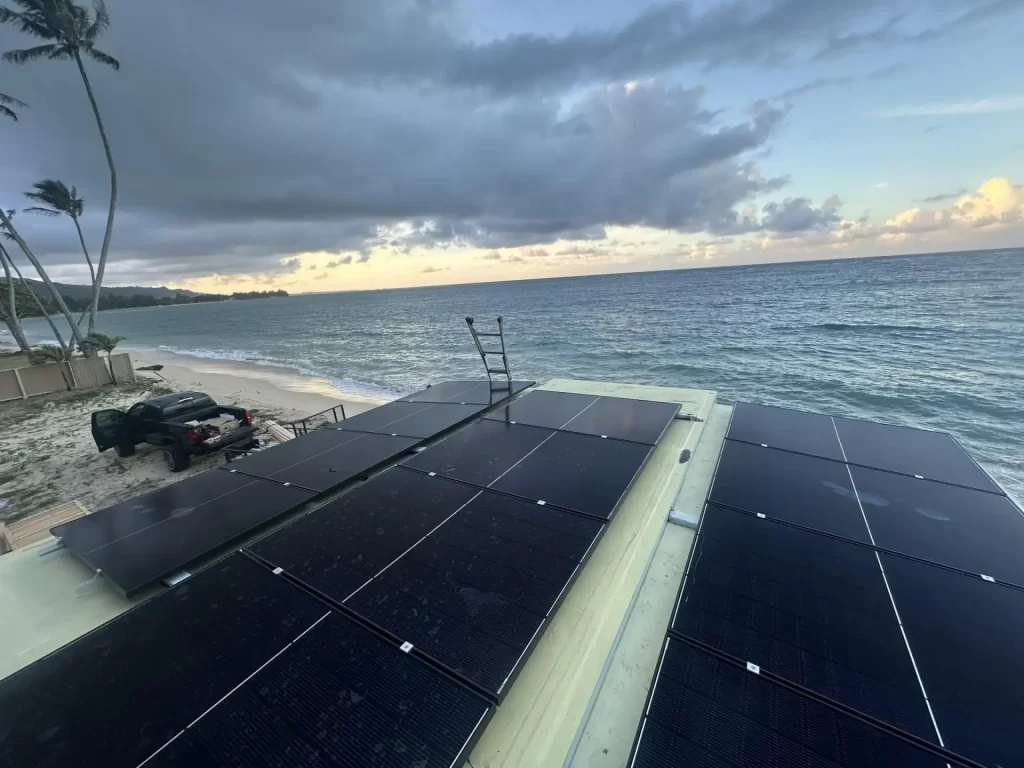
Off Grid Solar Power Systems divided into 120V, 240V split-phase are designed to serve various residential loads from two separate 120V AC lines with a neutral conductor. With standard appliances requiring 120V AC between either line or neutral and larger appliances needing 240V AC between both lines, system operation is more complex. Voltage compatibility is only one of many factors that need to be integrated, including surge capacity of the inverter, the L1/L2 load balance, discharge current of the batteries, solar generation, and system protection.
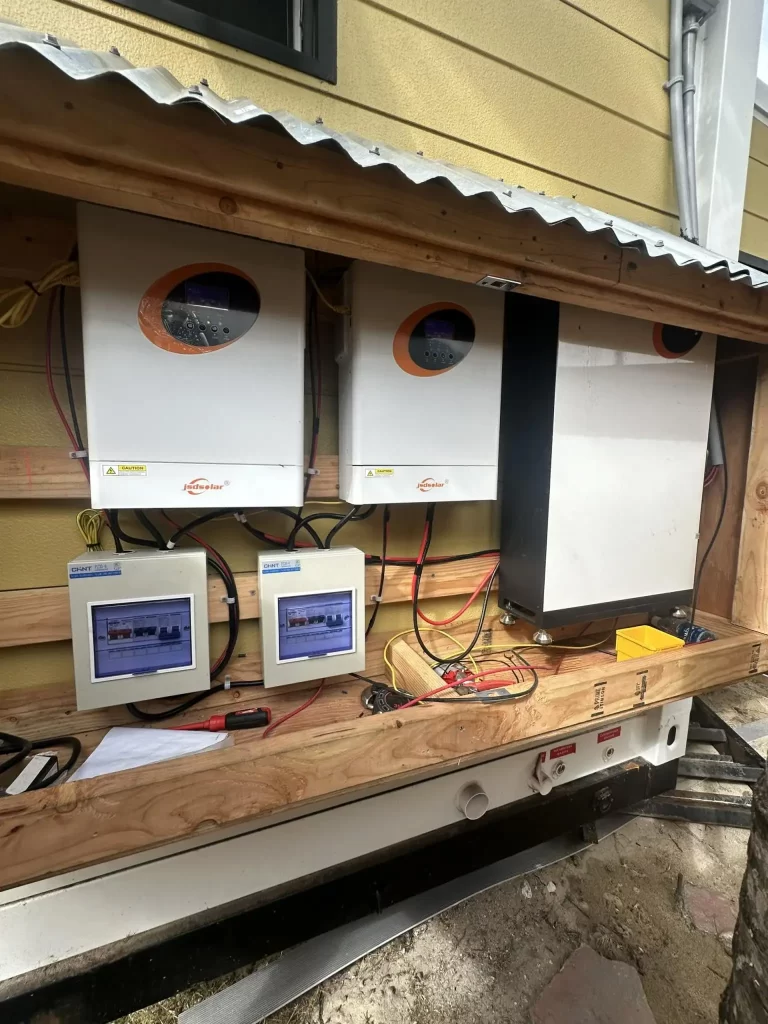
Why Split-Phase Output Matters in Off-Grid Homes
Many North American homes contain both 120V and 240V appliances. Lighting, wall outlets, refrigerators and electronics generally operate at 120V. Well pumps, air conditioners, water heaters, dryers and workshop equipment may require 240V.
A conventional single-output inverter may support basic circuits, but it cannot always supply a complete residential distribution panel. Split-phase Off Grid Solar Power Systems must independently create stable voltage, frequency and phase relationships without relying on the utility grid.
A technically suitable system should answer four questions:
•Can it supply 120V and 240V loads simultaneously?
•How much power is available on each 120V line?
•Can the inverter and battery support motor-starting current?
•Can the system be expanded as household demand increases?
What Is 120V/240V Split-Phase Power?
A split-phase system has two 120V lines, commonly identified as L1 and L2. Their voltage waveforms are approximately 180 degrees apart.
| Connection | Nominal Voltage | Typical Application |
| L1 to Neutral | 120V | Lighting, outlets and small appliances |
| L2 to Neutral | 120V | Additional household branch circuits |
| L1 to L2 | 240V | Pumps, air conditioners and heating loads |
This arrangement allows one electrical panel to distribute both voltage levels. A 240V appliance uses both lines, while a 120V appliance uses one line and neutral.
Split-Phase Is Not Three-Phase Power
These two power structures are designed for different applications.
| Design Factor | Split-Phase Power | Three-Phase Power |
| Typical application | Residential buildings | Commercial and industrial facilities |
| Line arrangement | Two opposing 120V lines | Three lines separated by 120 degrees |
| Common voltage | 120V/240V | 120V/208V or 277V/480V |
| Typical equipment | Home appliances and pumps | Industrial motors and machinery |
A split-phase solar inverter should therefore not be described as a three-phase inverter.
How Split-Phase Off Grid Solar Power Systems Work
The basic power path is:
Solar Array → MPPT Charge Control → Battery Bank → Split-Phase Inverter → Distribution Panel → 120V/240V Loads
Solar Array and MPPT Operation
Solar panels generate DC electricity. The MPPT controller regulates the array operating voltage and converts available solar energy into usable charging power.
Actual production depends on:
•Peak sun hours
•Module temperature
•Roof or ground-mount orientation
•Partial shading
•PV string voltage
•MPPT operating range
•Cable and conversion losses
The solar array must be sized according to daily energy consumption, not simply matched to the inverter's AC rating.
Battery Storage and DC-Bus Stability
In Off Grid Solar Power Systems, the battery performs several functions:
•Supplies energy at night
•Stabilizes the inverter's DC input
•Supports short-duration surge loads
•Buffers rapid changes in solar production
•Maintains supply during cloud cover
•Provides reserve energy during poor weather
LiFePO₄ batteries are widely used in residential systems because of their cycle life, usable depth of discharge and relatively stable voltage profile. However, battery capacity in kilowatt-hours is only one design parameter.
The battery must also provide sufficient continuous and peak discharge current.
For example, a 6kW inverter supplied by a nominal 51.2V battery may require more than 117A before conversion losses are considered:
DC Current ≈ AC Power ÷ Battery Voltage
The actual design current will be higher after accounting for inverter efficiency and surge demand. The battery BMS, cables, busbars, fuses and disconnects must all support this current.
Split-Phase Inverter Control
A suitable inverter must:
•Generate two stable 120V outputs
•Maintain the correct phase relationship
•Provide 240V line-to-line output
•Regulate voltage during load changes
•Maintain 50Hz or 60Hz output as required
•Communicate with the battery BMS
•Coordinate multiple inverter units when connected in parallel
Nominal voltages vary between markets. For North American residential applications, 120V/240V at 60Hz is the principal split-phase format.
What Appliances Can Off Grid Solar Power Systems Run?
System capability depends on operating power, startup current and simultaneous usage.
| Appliance | Typical Voltage | Main Design Issue |
| LED lighting | 120V | Low continuous demand |
| Refrigerator | 120V | Compressor startup |
| Microwave | 120V | Short high-power cycles |
| Well pump | 120V or 240V | High motor-starting current |
| Air conditioner | 120V or 240V | Surge and long runtime |
| Water heater | Usually 240V | High continuous load |
| Washing machine | 120V | Motor and heating cycle |
| Electric dryer | Usually 240V | High total energy demand |
A load assessment should evaluate:
•Continuous running power
•Peak startup power
•Surge duration
•Daily operating hours
•Simultaneous appliances
•Essential and non-essential loads
A 6kW inverter does not mean every appliance totaling 6kW can start or operate together.
Critical Design Challenges
L1 and L2 Load Imbalance
Total inverter capacity is not always available on one 120V line. A system may be rated for 6kW overall but have a lower allowable output per leg.
Excessive imbalance can lead to:
• Inverter overload on one line
• Higher neutral current
• Voltage instability
• Reduced usable system capacity
• Unexpected shutdowns
Residential branch circuits should be distributed between L1 and L2 according to expected demand, not simply circuit quantity.
Motor-Starting Surge
Compressors and pumps may draw several times their normal operating current during startup. Designers must check:
• Inverter surge power
• Surge duration
• Maximum output per phase
• Battery peak discharge current
• BMS overcurrent threshold
• Voltage drop through DC cables
Soft starters, variable-frequency drives or scheduled load operation can reduce startup stress.
Battery Energy vs. Battery Power
A battery may store enough energy for several hours but still be unable to supply a short high-current surge.
| Battery Parameter | What It Determines |
| Capacity in kWh | How long loads can operate |
| Continuous current | Sustained inverter output |
| Peak current | Motor and compressor startup |
| BMS limit | Maximum permitted discharge |
| Cycle life | Long-term usable service |
| Temperature range | Charging and discharge performance |
This distinction is critical when configuring residential Off Grid Solar Power Systems.
Neutral, Grounding and Protection
Neutral-ground bonding varies by inverter architecture and installation method. Parallel inverter systems require particular attention because incorrect bonding can create circulating current or protection faults.
The final installation should include correctly sized:
• DC and AC disconnects
• Overcurrent protection
• Surge protection devices
• Battery fuses
• Grounding conductors
• Distribution breakers
All work should comply with applicable local electrical regulations and be performed by trained personnel.
Sizing 6kW Split-Phase System
1. Determine Daily Energy Need
Daily Energy Need = kW Hours Used by Each Appliance.
2. Determine Simultaneous AC Need
For each load, determine:
• Intermittent
• Continuous
• Delayable
• Non-essential
• High-surge
The inverter should be sized to control the simultaneous load rather than the total building load.
3. Analyze L1, L2 and 240V Loads
This will determine:
• Total L1-to-neutral demand
• Total L2-to-neutral demand
• Total 240V line-to-line demand
This will determine if the system stays within totals and per leg limits.
4. Size the Battery
Battery sizing should account for:
• Nighttime consumption
• Required autonomy
• Usable depth of discharge
• Inverter losses
• Battery temperature
• Maximum discharge current
• Long-term capacity reduction
5. Size the PV Array
PV capacity and inverter capacity are different specifications. A 6kW inverter may operate with a smaller or larger solar array depending on daily demand, charging requirements, climate and the inverter's permitted PV input range.
How JSDSolar Addresses Split-Phase System Challenges
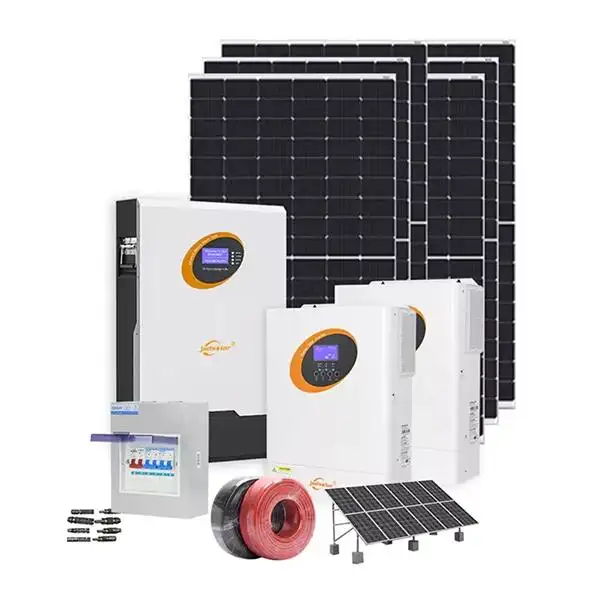
JSDSolar develops Off Grid Solar Power Systems as coordinated power packages rather than collections of unrelated components.
The design process evaluates:
| Project Challenge | Technical Approach |
| Mixed 120V and 240V loads | Split-phase inverter configuration |
| Uneven branch-circuit demand | L1, L2 and 240V load analysis |
| Pump or compressor startup | Inverter surge and battery-current matching |
| Nighttime operation | 48V or 51.2V LiFePO4 storage |
| BMS compatibility | Communication and charging coordination |
| Future load growth | Parallel inverter and battery expansion |
| Installation completeness | Distribution box, PV cables and protection |
| Regional requirements | Voltage and frequency configuration |
Available residential configurations may include 6kW-class AC output, coordinated inverter operation, 200Ah LiFePO4 battery options, high-power monocrystalline modules and roof- or ground-mount structures.
UL-certified battery options may be provided for projects requiring battery-level certification. Battery certification should not be interpreted as certification of the complete solar and energy-storage system.
Is a 6kW System Suitable for Every Home?
A 6kW split-phase system may be suitable for:
• Small or medium off-grid homes
• Rural residences
• Vacation properties
• Farm living areas
• Backup-focused households
• Homes with selected 240V appliances
A larger configuration may be necessary for electric heating, EV charging, multiple air conditioners, electric cooking, large well pumps or several high-power loads operating together.
Conclusion
120V/240V output allows residential Off Grid Solar Power Systems to support both standard household circuits and larger appliances. However, reliable performance depends on proper phase balance, inverter surge capacity, battery discharge current, solar production and electrical protection.
Planning a residence with mixed 120V and 240V loads? Send JSDSolar your planned appliance list with operating schedule and backup requirements for an off-grid solar and battery configuration that is technologically compatible.
FAQs
Q1. Can JSDSolar Off Grid Solar Power Systems provide both 120V and 240V output?
Yes, JSDSolar can build split-phase Off Grid Solar Power Systems that produce 120V from either line to neutral and 240V from both lines. Although this type of configuration will work in most North American houses with standard outlet types and larger residential appliances.
Q2. What information does JSDSolar need before designing a residential system?
JSDSolar analyzes:
• Appliance rated power
• Starting or surge power
• Daily operating hours
• Simultaneous load requirements
• Required backup duration
• Local peak sun hours
• Installation location
• Future expansion plans
We recommend providing a detailed appliance list to avoid undersizing the inverter, batteries and solar array.
Q3. Can a JSDSolar 6kW system run an air conditioner or well pump?
Potentially it could supply both items, but whether it could do so depends on the running watts, starting watts, voltage and how long it runs. Before making a recommendation regarding battery and inverter, JSDSolar evaluates the demands on the system both continuously and in a surge-demand situation.
Q4. How does JSDSolar balance L1 and L2 loads?
JSDSolar assesses the loads on each of the expected 120V circuits and the 240V loads. The goal is to keep one leg of the inverter below the balanced line, thereby minimizing the imbalance in neutral current.
Q5. What battery options are available for JSDSolar Off Grid Solar Power Systems?
Residential configurations can use 48V or 51.2V LiFePO4 battery systems, and have a 200Ah configuration. Final battery capacity is mostly defined by the nightly demand, the desired backup time, the usable depth of discharge and the required discharge current.


In This Article
- 1 Why Split-Phase Output Matters in Off-Grid Homes
- 2 What Is 120V/240V Split-Phase Power?
- 3 Split-Phase Is Not Three-Phase Power
- 4 How Split-Phase Off Grid Solar Power Systems Work
- 5 What Appliances Can Off Grid Solar Power Systems Run?
- 6 Critical Design Challenges
- 7 Sizing 6kW Split-Phase System
- 8 How JSDSolar Addresses Split-Phase System Challenges
- 9 Is a 6kW System Suitable for Every Home?
