


How a Hybrid Solar Panel System Switches Between Solar, Battery and Grid Power
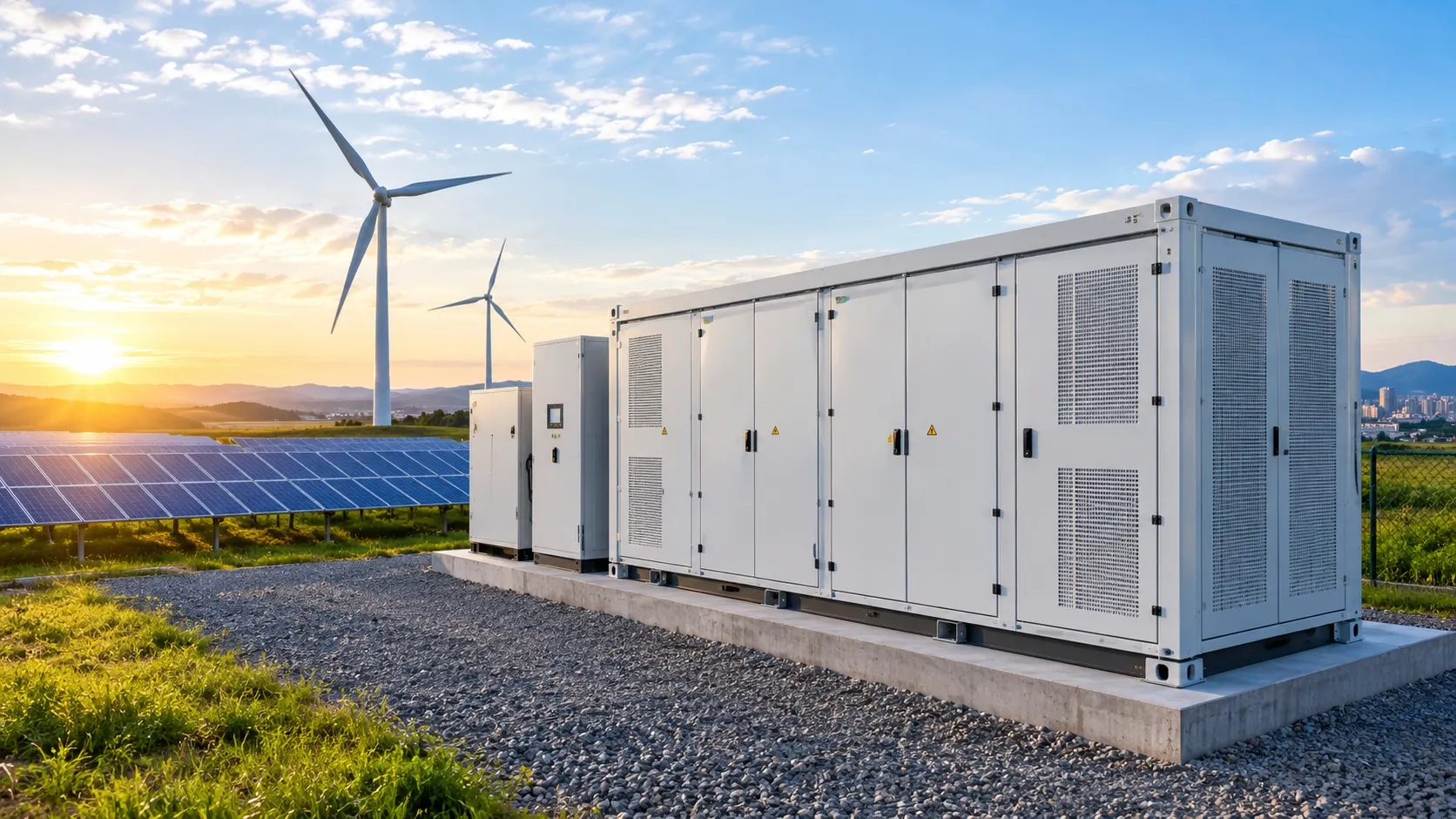
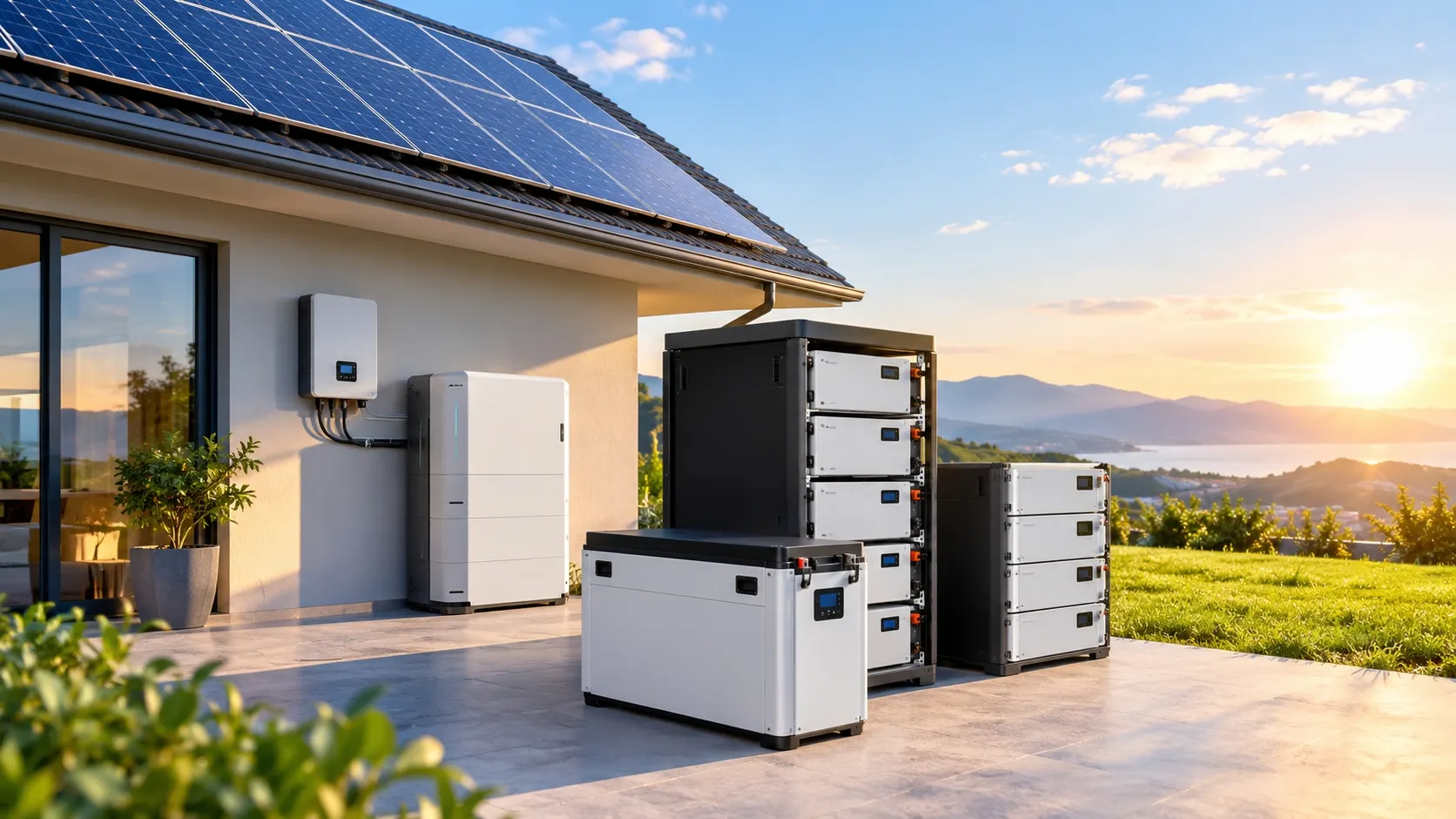
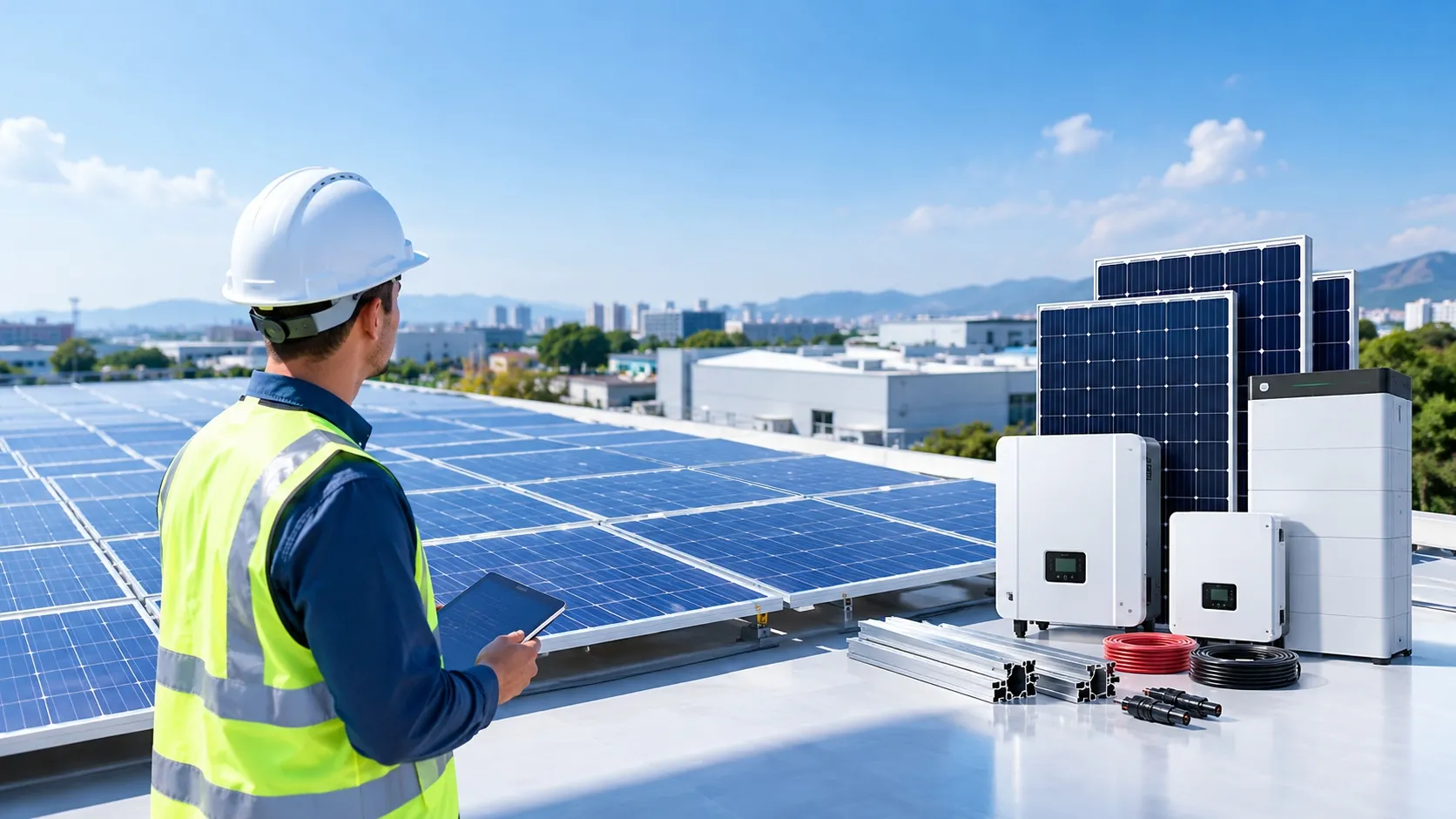
Hybrid Solar Panel Systems use hybrid inverters to continually optimize solar generation, load demand, battery state of charge, and the condition of the utility grid. Typically, during normal operation, solar energy meets the active load first. In this case, excess energy is used to charge the battery, while the battery or the grid provides the energy to meet the load in the selected operating mode, reserve settings, and electricity rate.
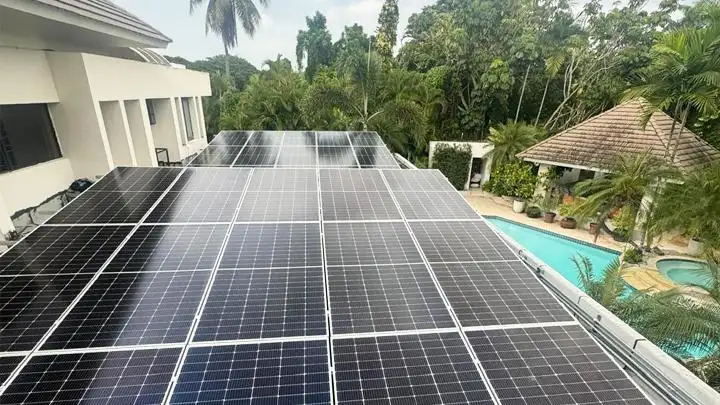
The switching sequence is not a simple on-and-off process. A modern Hybrid Solar Panel System can blend solar, battery and grid power in real time while maintaining voltage, frequency and battery protection limits.
What Is a Hybrid Solar Panel System?
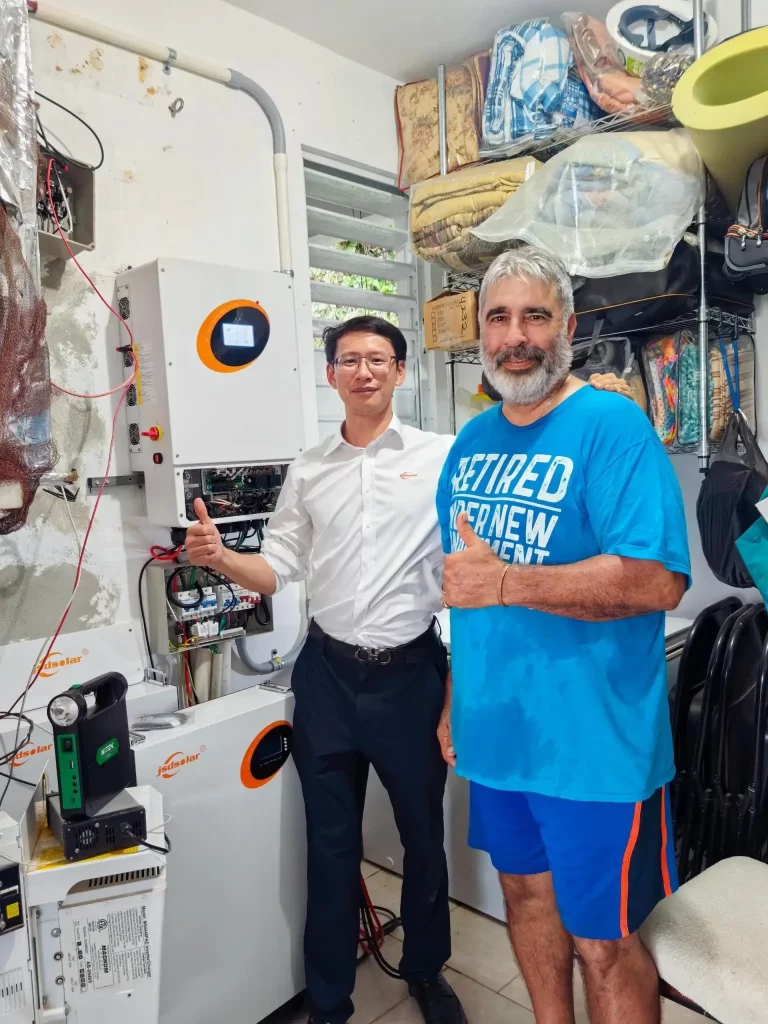
A Hybrid Solar Panel System combines photovoltaic generation, battery storage, grid interaction and intelligent power conversion within one coordinated architecture.
A typical system includes:
• Monocrystalline solar panels
• MPPT solar inputs or an external MPPT controller
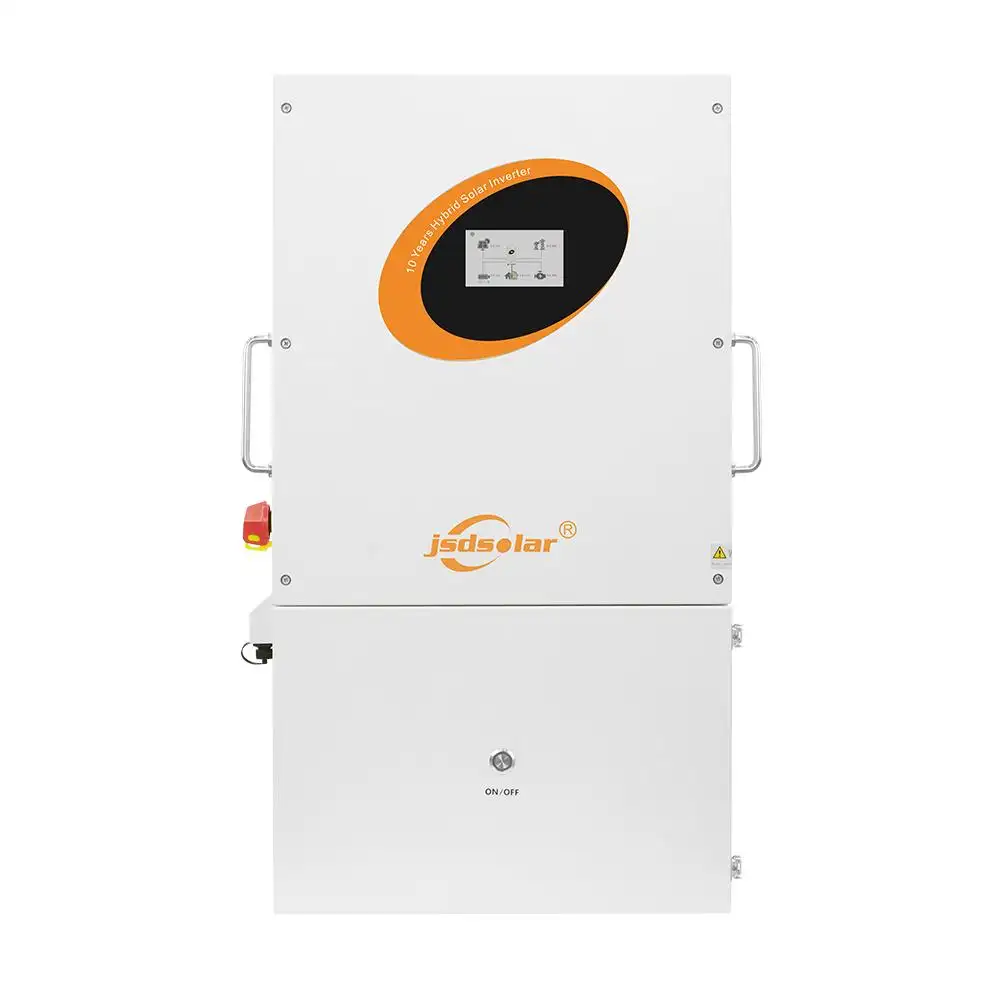
• Hybrid solar inverter
• Lithium battery storage
• Battery Management System, or BMS
• Utility-grid connection
• Backup or critical-load output
• AC and DC protection devices
• Energy monitoring platform
The term "hybrid" describes coordinated energy management—not merely the addition of a battery to a grid-tied solar array.
| System Type | Battery | Grid Connection | Outage Capability |
| Grid-tied solar | Usually no | Yes | Normally shuts down |
| Off-grid solar | Yes | No | Depends entirely on solar and storage |
| Hybrid Solar Panel System | Yes | Yes | Supports selected loads when correctly configured |
During a utility outage, a conventional grid-tied inverter must disconnect to prevent unintentional energization of the grid. A Hybrid Solar Panel System can isolate its backup circuit and create a local supply using the battery and available solar power.
How Power Flows Through the System
Solar panels produce direct current (DC) electricity. The maximum power point tracking (MPPT) controller varies the operating voltage for the PV for optimal extraction of available power under various sunlight and temperature conditions.
The hybrid inverter then converts and distributes energy between the solar array, battery, connected loads and utility grid.
A simplified power balance is:
Solar generation + battery discharge + grid import = load demand + battery charging + grid export + conversion losses
In practice, the inverter performs this calculation continuously.
Typical Daytime Sequence
- Solar power supplies loads directly
- Extra PV power charges the battery
- BMS, inverter, and battery temperature limit charging
- When battery reaches targeted State of Charge (SOC), extra energy is exported or curtailed
- If PV production is less than load demand, the battery or grid makes up the difference
The inverter may use solar, battery and grid power simultaneously. For example, if the property requires 6kW and the solar array is producing 4kW, the remaining 2kW can come from the battery or grid without waiting for solar production to disappear.
Four Main Operating Modes
| Operating Mode | Typical Priority | Primary Objective | Key Setting |
| Solar First | Solar → Battery → Grid | Maximize solar self-consumption | Minimum battery SOC |
| Battery First | Solar/Battery → Grid | Reduce peak-rate electricity use | Discharge schedule |
| Grid Priority | Grid → Solar/Battery reserve | Preserve backup capacity | Reserve SOC |
| Time-of-Use | Changes by tariff period | Shift energy use by price | Charge/discharge timetable |
Solar First
Solar First is commonly selected for homes, villas and farms in high-irradiance regions.
The Hybrid Solar Panel System uses PV energy for current loads, charges the battery with surplus generation and imports grid power only when solar and available battery capacity are insufficient.
This mode can improve solar self-consumption, but battery reserve must remain high enough for expected nighttime or emergency loads.
Battery First
Battery First prioritizes stored energy during programmed periods. It is useful where electricity prices rise during evening peaks or where users want to reduce grid dependence.
Important settings include:
• Minimum allowable SOC
• Maximum discharge current
• Discharge power limit
• Peak-rate operating window
• Required emergency reserve
Excessive cycling or frequent deep discharge can reduce useful battery life.
Grid Priority
Grid Priority keeps the battery at a relatively high SOC for outage protection. The grid supports normal loads while solar energy may charge the battery or offset part of the demand.
This mode is suitable where the grid is generally stable but backup power is still required.
Time-of-Use
Time-of-Use control changes the energy priority according to electricity tariffs. A battery may charge during low-cost periods and discharge when electricity rates are higher.
The strategy must account for local regulations, grid-charging permissions and expected solar production.
Operation Under Different Power Conditions
Strong Daylight
The normal sequence is:
Solar → Loads → Battery → Grid Export
Solar generation initially supplies the needed energy for the appliances. Solar energy also charges the batteries. An inverter can shed the load or export solar energy to the grid once limits on charging are met.
Grid export is dependent on the following:
• Local net-metering regulations
• Utility approval
• Bidirectional metering
• Export-limit settings
• Current-transformer installation
A grid-connected, Hybrid Solar Panel System cannot be stated to have the capability to sell electricity unless local regulations and metering enable this.
Cloudy or Variable Weather
Variable or changing weather conditions means the system can either be:
Solar + Grid → Battery + Load
The real time variation in power is measured by the inverter. The inverter then controls the battery and the grid import in a balanced way. Rapid transitions between the grid and the battery are prevented due to the presence of control hysteresis.
Night Time Operation
Two operational strategies are possible to the Hybrid Solar Panel System during the night:
• Battery serves loads until the minimum state of charge is reached.
• Grid serves loads and battery is kept charged for backup.
The selected operational strategy is based on the nighttime loads, the electricity tariff, expected weather conditions, and backup time.
Grid Outage
During an outage, the system isolates itself from the utility grid and supplies a designated backup panel:
Solar + Battery → Critical Loads
Backup performance depends on more than battery capacity. The inverter must handle both continuous power and short-duration surge demand.
High-starting-current loads include:
• Air conditioners
• Water pumps
• Refrigeration compressors
• Workshop motors
• Large transformers
If total startup demand exceeds inverter capability, loads may trip even when sufficient battery energy remains.
Minimum Battery SOC
The battery SOC is allowed to fall to a particular level, typically a minimum value, at which point discharge is prevented or slowed down. Should a grid power source exist, it takes over the loads.
On the other hand, this value serves two purposes:
• Setting a limit on discharge to protect the battery
• Ensuring energy availability for emergency operation.
In case of a power failure, the loads may be shed at this point, but this may not happen if adequate solar generation is available.
What Causes the Switching Mechanism to Activate?
| Control Input | Technical Function |
| PV voltage and current | Measure available solar |
| Load demand | Require level of output |
| Battery SOC | Storage capacity level |
| BMS data | Analyze charge/discharge, temperature |
| Grid voltage and frequency | Validate grid connection |
| Reserve SOC | Emergency energy |
| Export limit | Prevent uncontrolled energy feed in |
| Time schedule | Regulate charging/discharging |
| User-selected mode | Source prioritization |
The inverter also needs to operate within its MPPT voltage range, battery current limit, AC output limit, and thermal operating range.
Does Switching Interrupt the Power Supply?
The normal balancing of solar, battery, and grid power by the inverter generally does not cause an interruption as the inverter is continually regulating the power.
However, transferring from grid-connected operation to backup output may involve a short transition. Actual transfer time varies by inverter architecture and system configuration.
For ordinary household appliances, this transition may not be noticeable. Servers, medical equipment and sensitive control systems should be evaluated separately and may still require a dedicated UPS.
Common Hybrid Solar Panel System Problems
| Problem | Likely Cause | Engineering Response |
| Battery empties too early | High night load or low reserve SOC | Recalculate usable kWh and backup hours |
| High daytime grid use | PV array undersized or load peaks too high | Review PV capacity and load profile |
| Motors fail during outages | Startup surge exceeds inverter rating | Separate loads or increase surge capability |
| Battery communication alarm | CAN/RS485 protocol mismatch | Verify BMS compatibility and settings |
| Frequent battery-grid cycling | Switching thresholds too close | Adjust SOC and voltage hysteresis |
| Low solar yield | Heat, shade, orientation or wiring loss | Review array layout and system losses |
| No grid export | Utility or metering restriction | Configure zero-export or obtain approval |
Choosing the Right Energy Priority
A Hybrid Solar Panel System has to do more than switch between three sources of power. It has to keep the balance of several factors: solar availability, protection of battery, load demand, grid conditions, and cost.
When doing this planning, there are many important factors that come into play: load analysis, battery sizing, inverter choices, and control configurations. JSDSolar works to coordinate solar, storage, and power management solutions for the residential, farm, and small commercial sectors. Get in touch with JSDSolar to have a Hybrid Solar Panel System designed for your specific voltage, climate, and load profile and backup requirement.
FAQs
Q1. How does a Hybrid Solar Panel System select power?
A hybrid solar panel system accesses solar, battery, and grid power through a hybrid inverter. The inverter analyzes solar and grid availability, load demand, and battery status and selects which power source to use based on the chosen operating mode. Operating modes could be Solar First, Battery First, Grid Priority, or Time-Of-Use, etc.
Q2. Can solar with JSDSolar supply household loads before battery charging?
Yes. In Solar First operating mode, solar energy is used to supply household loads first. If any surplus solar energy is generated, it is used to charge the battery, and if there is any surplus after that, it is either exported or curtailed.
Q3. Does a JSDSolar Hybrid Solar Panel System support loads during a grid outage?
JSDSolar’s hybrid solar panel system, in combination with a specified hybrid inverter, can support specific loads during a grid power outage if there is an adequate battery supply and a designed backup distribution circuit.
Q4. Can solar, battery and grid supply power simultaneously?
Yes. A Hybrid Solar Panel System is capable of using a combination of partial solar energy with battery discharge and/or grid power. The inverter determines how much solar energy is used and the difference of that compared to the load.
Q5. How does JSDSolar determine battery capacity?
JSDSolar analyzes many factors when determining battery capacity, including daily energy use, the demand for critical loads, the desired battery backup time, depth-of-discharge, and photovoltaic solar energy output. Battery capacity is calculated in kilowatt-hours, and not based on the inverter size.


