


LiFePO4 vs Lithium-Ion Battery for Solar Systems
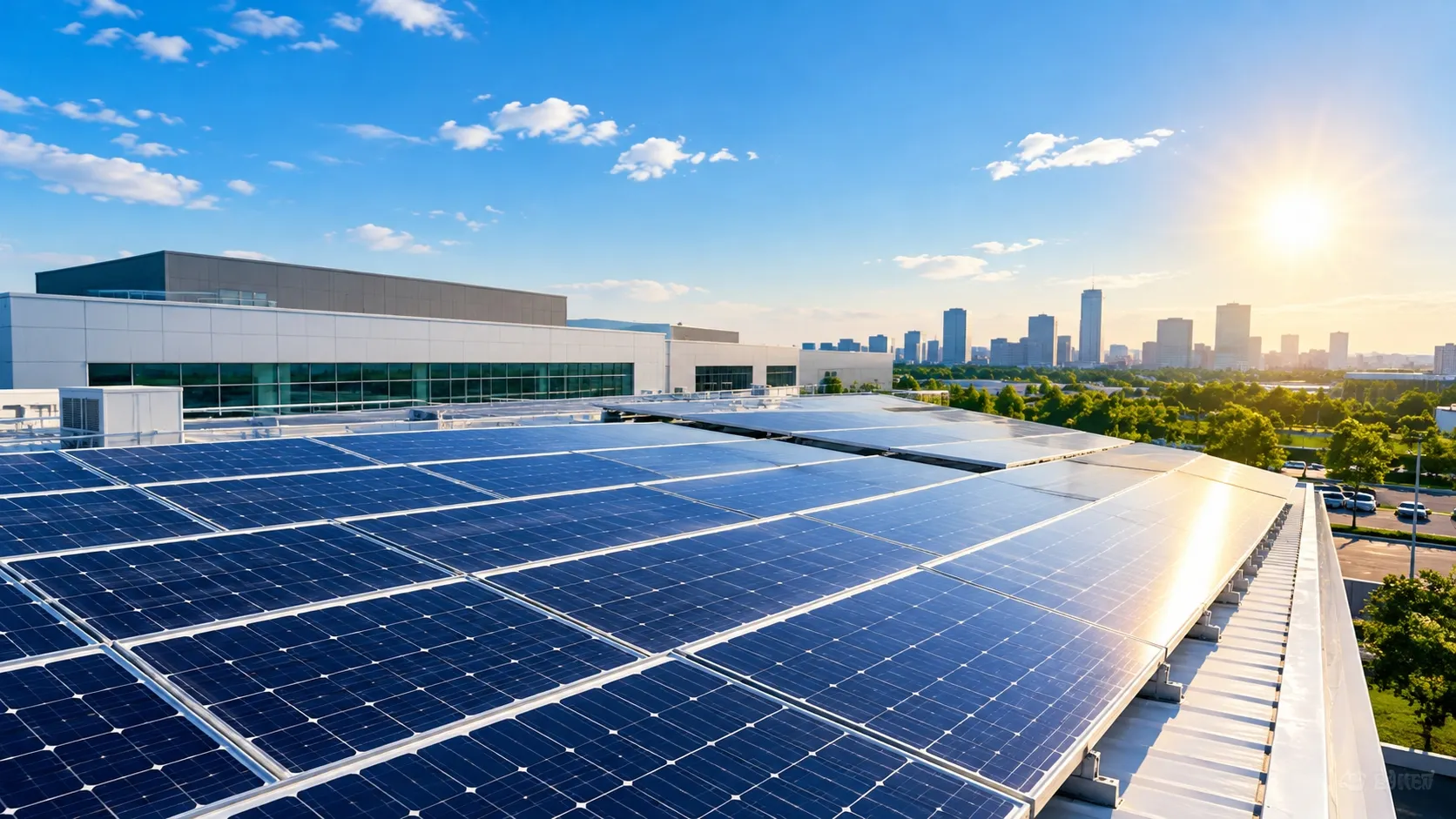
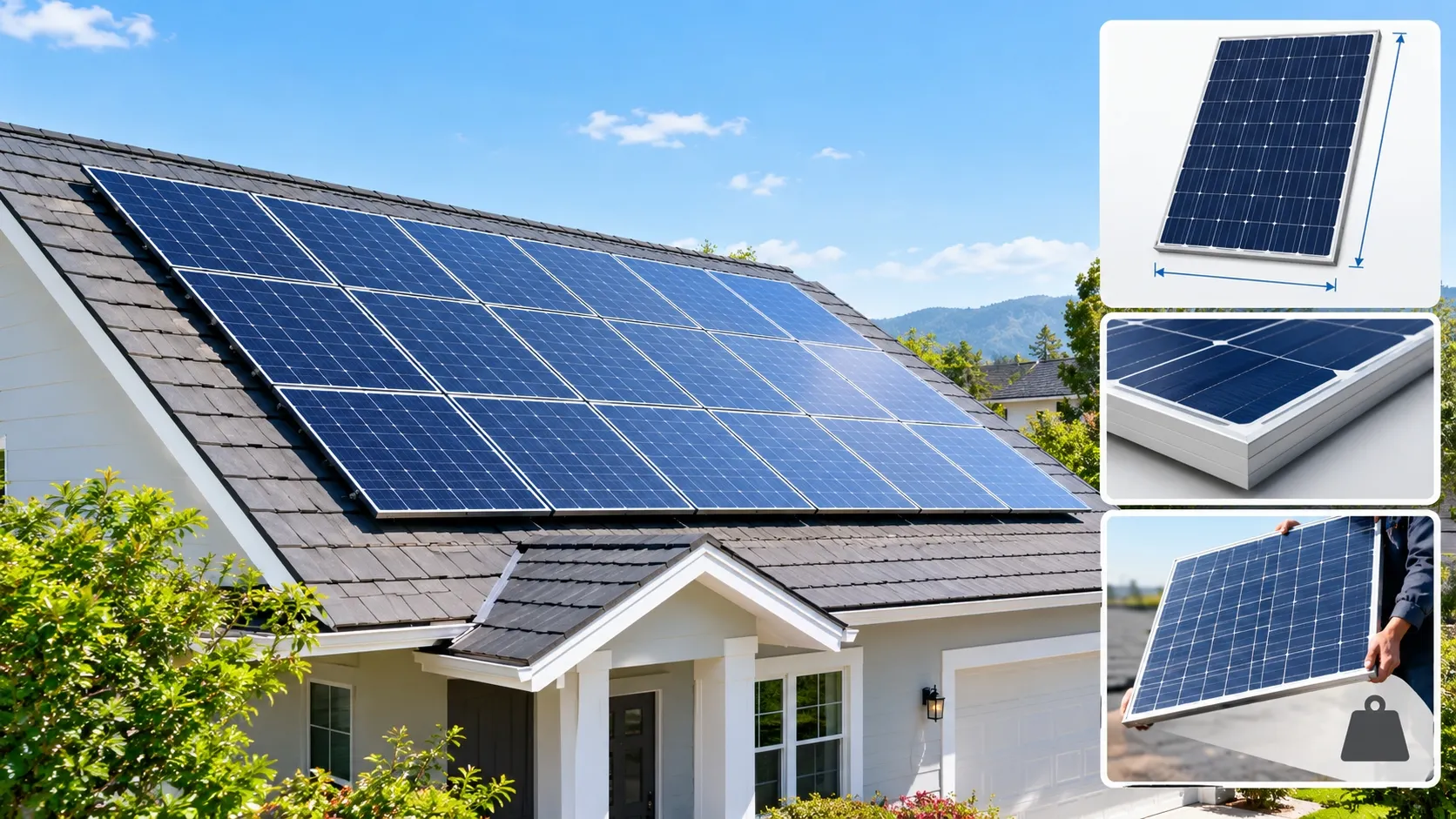
One of the most critical aspects of designing a solar energy system is choosing the right battery. Solar panels produce power in the day and store it for the night, cloudy days or when the power grid fails.
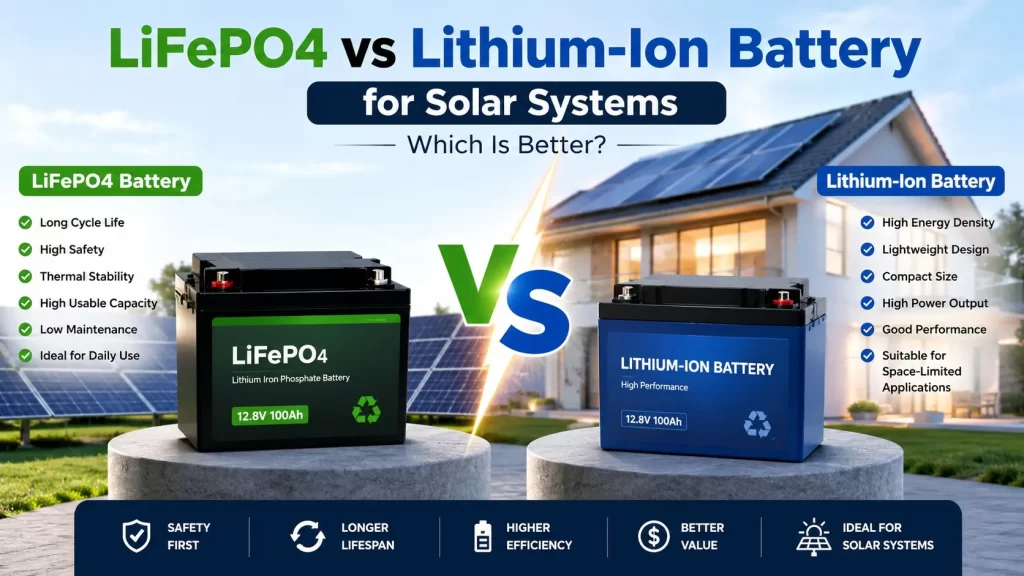
The most common ones include lithium-ion batteries and LiFePO4 batteries. So what's the difference between them and which battery is better for solar systems?
Among the different battery types, LiFePO4 batteries are the most prevalent in residential and commercial solar systems due to their numerous advantages, including their long cycle life, high usable capacity, thermal stability, and safety. Conventional lithium-ion batteries are still applicable for certain applications, however, where compact size and high energy density are the primary concerns.
What Is a LiFePO4 Battery?
LiFePO4 is the name given to lithium iron phosphate. Lithium iron phosphate (LiFePO4) is a type of lithium-ion battery.
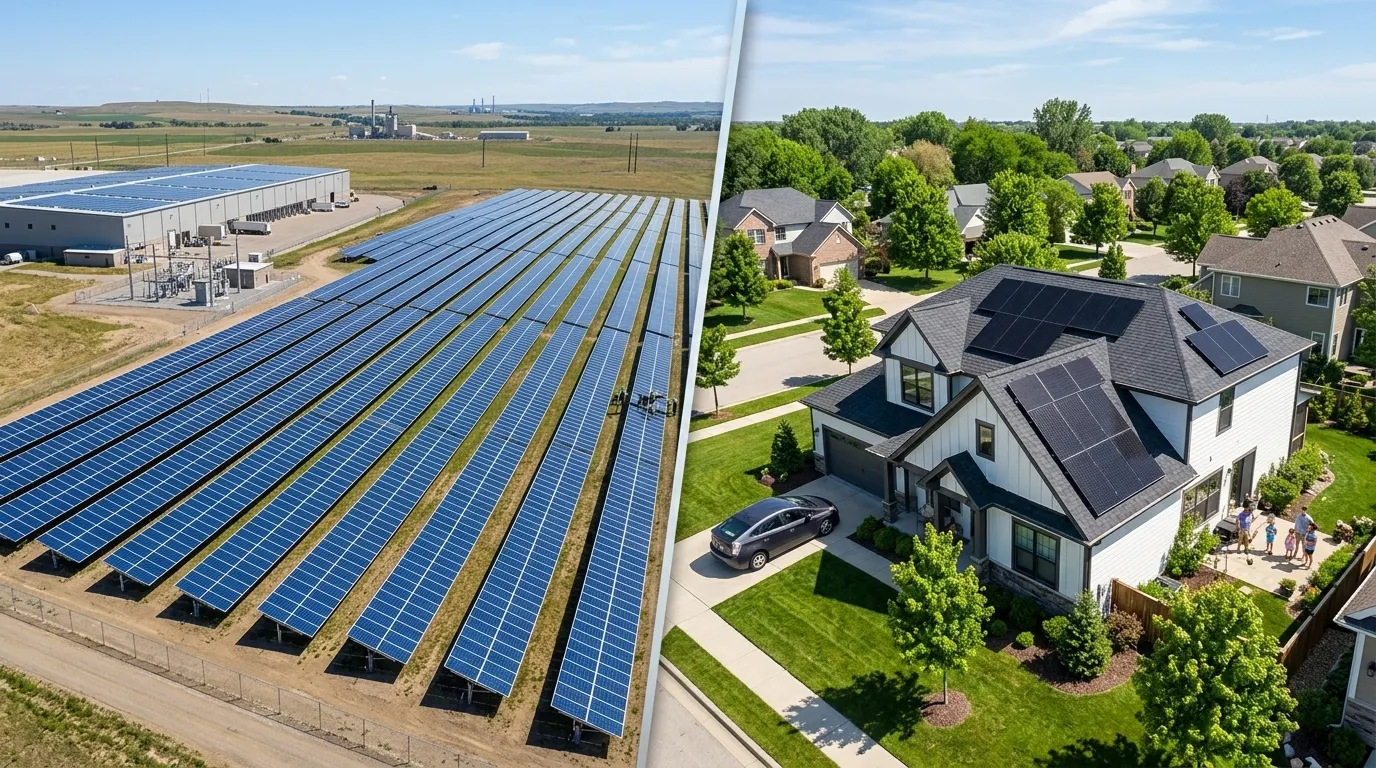
LiFePO4 batteries are adopted for solar energy storage, home energy storage, off-grid power supply, RVs, telecom and commercial energy storage.
Some of their advantages are:
- Long cycle life
- Excellent thermal stability
- High safety
- High usable depth of discharge
- Stable performance
- Low maintenance requirements
For solar applications, these characteristics make LiFePO4 particularly attractive for long-term energy storage.
What Is a Lithium-Ion Battery?
Lithium-ion is a more generic term for lithium batteries which are made with various different battery chemistries, including NMC (nickel manganese cobalt), LCO (lithium cobalt oxide), and LMO (lithium manganese oxide).
Let's take the example of comparing “LiFePO4 vs lithium-ion” – most of the time this is a comparison with other lithium chemistry types like NMC.
The traditional lithium-ion batteries are characterized by high energy density, relatively light weight, and high power performance. They are used in a number of portable electronics, electric vehicles, and smartphones, as well as in some energy storage systems.
But not all lithium-ion chemistry is created equal, however, with respect to safety, life and performance.
LiFePO4 vs Lithium-Ion for Solar: Key Differences
1. Safety
One of the most important factors to consider when choosing solar battery storage for home or businesses is safety.
LiFePO4 has excellent thermal and chemical stability. Lacks resistance to thermal runaway makes it a good choice for stationary energy storage applications.
Other lithium ion chemistry, especially those with a higher energy density, may need more complex battery protection and thermal management systems.
Winner: LiFePO4
2. Cycle Life
The number of charge/discharge cycles a battery can withstand until the capacity reaches a certain percentage is known as battery cycle life.
LiFePO4 batteries generally have much longer cycle life than other lithium ion battery chemistry types. Depending on the type of battery system, operating conditions, depth of discharge and the manufacturer's recommendations, LiFePO4 can deliver thousands of cycles.
This is particularly significant for solar installations where batteries can be charged and discharged nearly every day.
Winner: LiFePO4
3. Usable Capacity
The depth of discharge (DoD) is the amount of energy that can be extracted from a battery before it needs to be recharged.
With proper management, LiFePO4 batteries can typically provide a high DoD without appreciably diminishing their service life.
A 10kWh battery that has 90% usable DoD would be able to deliver about 9kWh.
More usable capacity gives homeowners greater practical energy storage, for a given nominal battery capacity.
Winner: LiFePO4
4. Energy Density
Conventional lithium-ion batteries may be more advantageous in terms of energy density.
Certain lithium-ion chemistries allow for more energy to be stored in a smaller, lighter device. This makes them advantageous in situations where installation space or weight are restricted.
However, weight is not always a decisive factor for stationary energy storage systems, particularly when considering the cost of ownership, safety, and lifespan.
Winner: Lithium-ion
5. Temperature Performance
Solar batteries can be fitted into a utility room, garages, energy storage rooms, or dedicated energy storage rooms outside.
The thermal properties and performance of LiFePO4 batteries are generally good. But, as with all lithium batteries, the charging and operating temperature range should be adhered to.
For monitoring temperature, voltage, current and other operating conditions, it is essential to use a battery management system (BMS).
Winner: LiFePO4
6. Cost and Total Value
The initial price of a battery is important, but it should not be the only factor.
If the battery's usable capacity is less than the true capacity or its lifetime is shorter, it may cost more over time, even if the initial cost is lower. While LiFePO4 batteries might be more expensive than other lithium-ion types, their extended cycle life can result in a lower cost per stored kWh over the battery's lifespan.
When comparing batteries, keep in mind:
- Purchase price
- Usable capacity
- Cycle life
- Warranty
- Efficiency
- Installation costs
- Maintenance
- Replacement frequency
For long-term solar storage, LiFePO4 often provides excellent overall value.
Winner: LiFePO4
LiFePO4 vs Lithium-Ion Battery Comparison
| Feature | LiFePO4 | Other Lithium-Ion Chemistries |
|---|---|---|
| Safety | Excellent | Good to excellent, depending on chemistry |
| Cycle Life | Very high | Moderate to high |
| Energy Density | Moderate | High |
| Thermal Stability | Excellent | Varies by chemistry |
| Solar Storage | Excellent | Suitable |
| Usable DoD | High | Varies |
| Weight | Relatively higher | Often lower |
| Long-Term Value | Excellent | Depends on application |
Which Battery Is Better for Solar Systems?
For most residential solar systems, LiFePO4 is the better choice.
If your priority is long-term energy storage, safety, daily cycling, and predictable performance, LiFePO4 offers a strong combination of benefits.
It is particularly suitable for:
- Home solar battery storage
- Off-grid solar systems
- Backup power systems
- RV and marine applications
- Commercial energy storage
- Solar street lighting
- Telecom backup systems
Conventional lithium-ion batteries may be more appropriate when high energy density, low weight, or limited installation space is the primary requirement.
How to Choose a LiFePO4 Solar Battery
If you decide to use LiFePO4 for your solar system, don't choose a battery based only on capacity.
Consider the following factors:
Battery Capacity
Calculate your daily energy consumption and determine how many hours of backup you need.
Power Rating
Capacity is measured in kWh, while power is measured in kW. Make sure the battery can provide enough continuous and peak power for your appliances.
Depth of Discharge
A higher usable DoD can provide more practical energy without requiring a larger battery bank.
Battery Management System
Choose a battery with a reliable BMS that provides protection against overcharging, over-discharging, overheating, and excessive current.
Inverter Compatibility
The battery must be compatible with your solar inverter or energy management system. Check voltage, communication protocols, charging parameters, and manufacturer compatibility requirements.
Warranty and Cycle Life
Compare the manufacturer's warranty, expected cycle life, and operating conditions rather than focusing only on the purchase price.
Frequently Asked Questions
Is LiFePO4 safer than lithium-ion for solar?
LiFePO4 is a lithium-ion chemistry that has an excellent thermal and chemical stability. As a chemistry it is considered safer for stationary energy storage with the correct design, installation, and management.
How long do LiFePO4 solar batteries last?
Service life is determined by factors including the temperature, charging conditions, depth of discharge, cycling frequency and battery quality. Good quality LiFePO4 batteries can last thousands of cycles under good operating conditions.
Can LiFePO4 replace lead-acid solar batteries?
Yes. LiFePO4 is popular as an alternative to lead acid batteries as it can provide a longer cycle life, greater usable capacity, require less maintenance, and be more energy efficient.
Is lithium-ion better than LiFePO4?
LiFePO4 is a specific kind of lithium-ion battery. LiFePO4 is widely used for solar energy storage due to its safety, cycle life, and reliability which are more critical than high energy density for this application.
Final Verdict
There is no definitive answer for solar use when it comes to choosing between LiFePO4 vs lithium ion batteries. There are different types of lithium batteries that have different performance specifications.
For most residential, off-grid and commercial solar energy storage applications, LiFePO4 is a great solution. It exhibits a long cycle life, high safety, high thermal stability, high usable capacity and low maintenance, which are suitable for solar power generation charging and discharging daily.
When buying, consider battery capacity, power output, DoD, cycle life, BMS protection, inverter compatibility, warranty, and TCO. The best choice of battery for the entire system, rather than the lowest upfront cost, can provide improved long-term solar energy performance.
Share on Social:


