


Home Solar Panel DC/AC Ratio Explained: How to Match PV Panels, Inverter and Battery
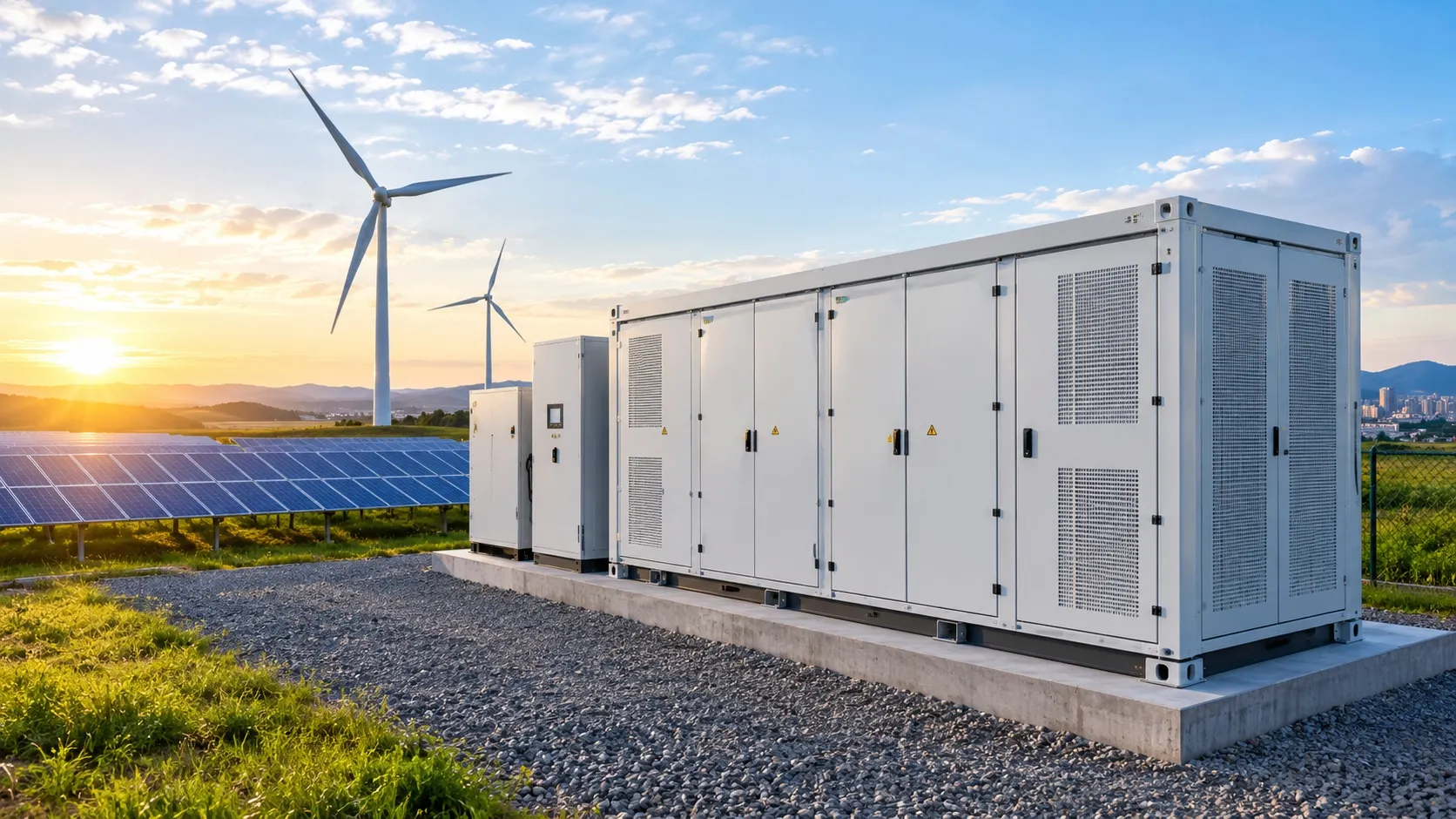
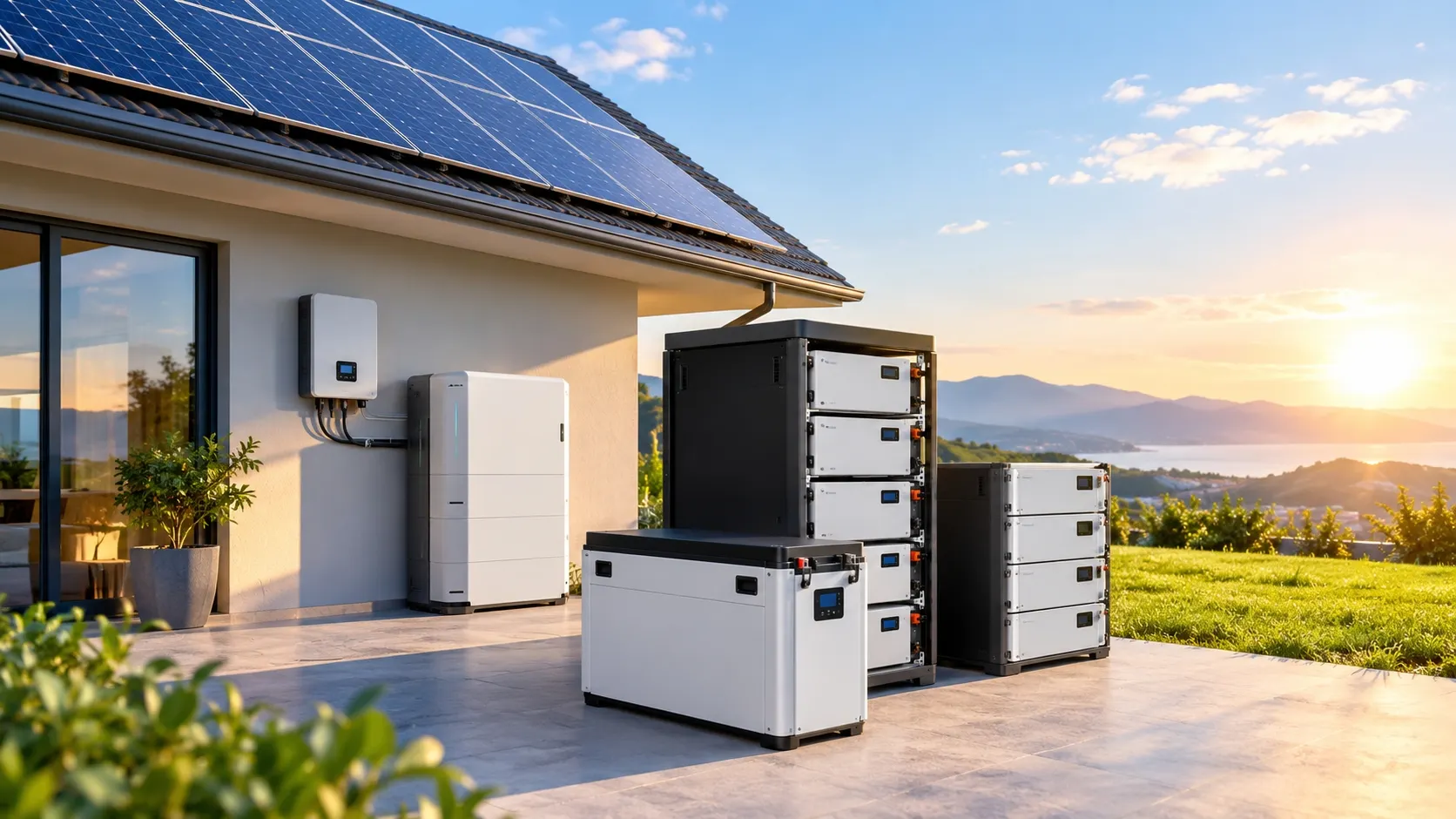

A Home Solar Panel system should not be sized by matching panel wattage and inverter wattage one-to-one. In real residential projects, the PV array operates under changing irradiance, temperature, shading and load conditions, while the inverter has fixed voltage, current and AC-output limits.
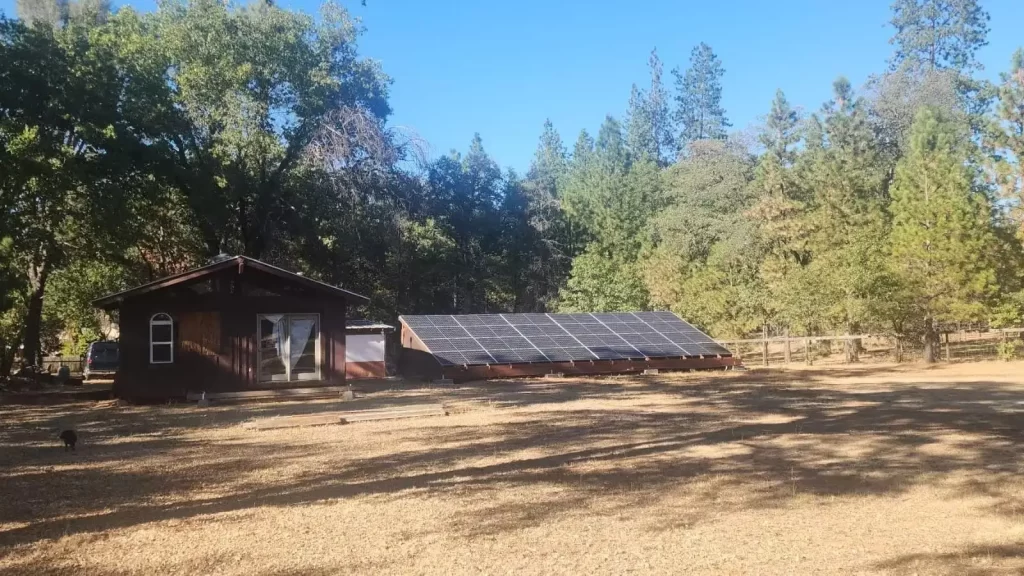
This is why DC/AC ratio is one of the most important parameters in Home Solar Panel system design.
DC/AC Ratio = Installed PV Capacity (kWDC) ÷ Inverter Rated AC Output (kWAC)
For example:
• 10kWDC + 10kWAC inverter = 1.00
• 12kWDC + 10kWAC inverter = 1.20
• 14kWDC + 10kWAC inverter = 1.40
A higher ratio can increase annual energy capture, but excessive oversizing can increase clipping and electrical loading. The engineering objective is not to maximize the ratio—it is to maximize useful annual kWh within inverter, battery and grid limits.
A "10kW Home Solar Panel System" Can Describe Different Ratings
The term "10kW solar system" is often ambiguous. Buyers should separate three ratings:
| Rating | What It Represents |
| PV Array Capacity | Combined STC rating of installed Home Solar Panel modules |
| Nominal AC Output | Continuous rated output of the inverter |
| Maximum PV Input | Maximum PV capacity the inverter is designed to accept |
These values are related but not interchangeable.
For example, JSDSolar's current residential configuration lists 12 × 580W monocrystalline Home Solar Panel modules, equal to 6.96kWDC, together with a 10kW nominal AC inverter and up to 15kW maximum PV input.
The numbers describe three different parts of the design:
• 6.96kWDC: Listed installed module capacity
• 10kWAC: Inverter nominal AC output
• 15kW: Stated maximum PV input capability
Maximum PV input should therefore never be used automatically as the installed DC capacity when calculating DC/AC ratio.
Why Home Solar Panel Capacity Can Exceed Inverter Capacity
A Home Solar Panel reaches its nameplate wattage under Standard Test Conditions, including 1,000W/m² irradiance and 25°C cell temperature.
A rooftop rarely remains at these conditions.
Actual PV output is reduced or shifted by:
• High cell temperature;
• Morning and afternoon irradiance;
• Roof azimuth and tilt;
• Partial shading;
• Module mismatch;
• Cable losses;
• Soiling.
During hot weather, cell temperature can rise substantially above 25°C. Because PV power normally decreases as cell temperature increases, a 10kWDC array may spend much of the day below 10kW.
Adding DC capacity can therefore keep the inverter operating at a higher percentage of its rated output for more hours.
This is the engineering basis for Home Solar Panel DC oversizing.
Compare DC/AC Ratios by Annual Energy, Not Peak Wattage
The best ratio depends on the project.
| DC/AC Ratio | Energy Behavior | Engineering Trade-Off |
| 1.0 | Lower clipping probability | More unused inverter capacity during weaker irradiance |
| 1.1–1.2 | Broader inverter utilization | Moderate peak clipping may occur |
| 1.3–1.4 | More low-irradiance energy capture | Higher clipping risk |
| Above 1.4 | Can suit selected designs | Requires detailed electrical and yield modeling |
A well-designed Home Solar Panel system may intentionally accept some clipping.
The correct comparison is:
Additional annual energy captured
versus
Energy lost to clipping + additional module cost
Eliminating every watt of clipping can require a larger inverter that produces little additional annual energy.
Roof Orientation Changes Clipping Behavior
Two Home Solar Panel systems with the same DC/AC ratio can behave differently.
South-Facing Roof
• A south-facing array in the Northern Hemisphere typically produces a more concentrated midday peak.
• That can increase the probability of reaching the inverter's AC limit.
East-West Roof
• An east-west configuration spreads output across morning and afternoon hours.
• Peak DC power may be lower even when total installed kWDC is unchanged.
• This can sometimes support a different DC/AC design strategy.
Hot Climate
• High irradiance does not always mean maximum DC output. High cell temperatures reduce module voltage and power.
Cold, Clear Climate
Low module temperature can increase voltage and improve instantaneous output. Cold conditions therefore require particular attention to string Voc.
DC/AC Ratio Cannot Replace Electrical Compatibility Checks
A Home Solar Panel array can have an acceptable power ratio and still be incompatible with the inverter.
Four criteria are specified.
1. Voc: Open-circuit voltage of a module increases under cooling.
The design must fulfill:
Cold-corrected String Voc < Inverter Maximum DC Voltage
Using only the module's 25°C Voc can underestimate winter voltage.
2. Vmp: Voltage at maximum power point
In realistic temperatures, the operating voltage of the string should be within the inverter's MPPT window.
Too few modules may produce insufficient operating voltage; too many may push the string beyond limits.
3. Imp: Operating Current
Modern high-power Home Solar Panel modules can deliver relatively high current.
Parallel strings can therefore exceed the current capability of an MPPT even if total PV wattage remains acceptable.
4. Isc: Short-Circuit Current
Isc is important for inverter input limits, conductors and DC protection.
Therefore:
"Maximum 15kW PV input" does not mean every 15kW combination of modules and strings is electrically valid.
Battery Storage Changes the Energy Path
A conventional grid-connected Home Solar Panel system primarily follows:
PV → Inverter → Home/Grid
A hybrid system can add:
• PV → Battery
• Battery → Home
This changes the value of additional PV capacity because excess solar energy may sometimes charge the battery instead of immediately passing through the AC output path.
However, battery storage does not automatically eliminate clipping.
PV utilization still depends on:
• Battery state of charge;
• Maximum charge current;
• Allowable charging power;
• BMS limits;
• Inverter topology;
• EMS strategy;
• PV input capability.
For this reason, Home Solar Panel sizing and battery sizing should be calculated together.
JSDSolar Uses System-Level Sizing Rather Than Panel-Only Selection
From JSDSolar's perspective, residential solar design involves the complete energy chain:
Home Solar Panel → MPPT → Inverter → Household Load → Battery → Backup Load
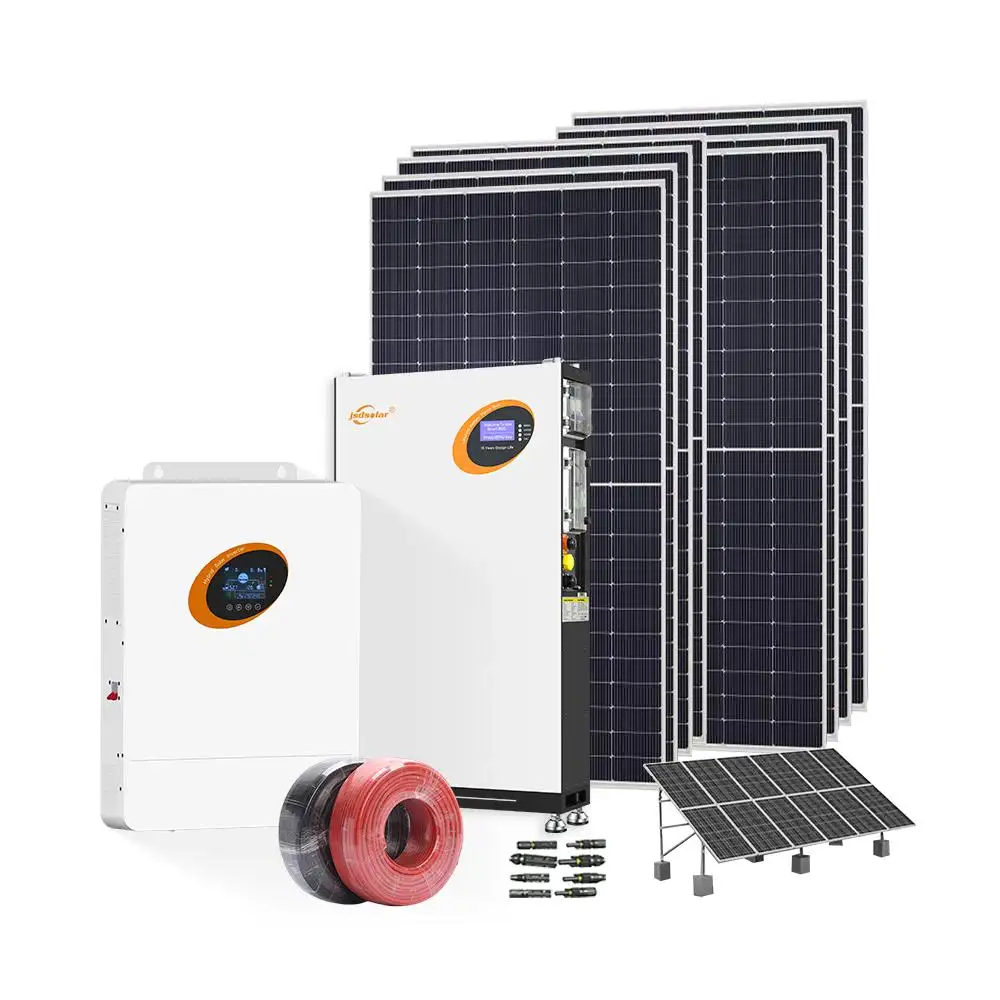
The current JSDSolar 10kW-class package combines:
• 12 × 580W monocrystalline panels;
• 48V 200Ah lithium battery;
• 10kW nominal AC inverter;
• Up to 15kW PV input;
• 500V maximum PV input voltage;
• Mounting components;
• PV cables and distribution equipment;
• Expandable system architecture.
The important design advantage is not simply a higher component rating. It is the ability to coordinate generation, conversion, storage and future expansion within one Home Solar Panel system.
If additional modules are installed later, the system should be rechecked for:
• String Voc at minimum temperature;
• MPPT voltage range;
• MPPT current;
• String quantity;
• Cable sizing;
• DC protection;
• Expected clipping;
• Battery charging capability.
Standards Verify Safety, Not the "Best" DC/AC Ratio
There is no universal IEC rule requiring every Home Solar Panel system to use a ratio such as 1.2.
Relevant PV and inverter standards address areas such as:
• Array wiring;
• Overcurrent protection;
• Isolation;
• Earthing;
• Inverter safety;
• Module qualification;
• Grid interface requirements.
The final DC/AC ratio remains an engineering decision based on the specific roof, climate, electrical architecture and energy objective.
Choose Home Solar Panel DC/AC Ratio From the Whole System
A professional Home Solar Panel design should answer five questions before selecting a ratio:
• How many annual kWh will the additional DC capacity produce?
• How much energy will be lost through clipping?
• Do Voc, Vmp, Imp and Isc remain inside inverter limits?
• Can the battery absorb additional daytime PV energy?
• Is future Home Solar Panel expansion required?
The correct DC/AC ratio is therefore not simply 1.0, 1.2 or 1.4.
It is the ratio that produces the highest useful annual energy while respecting inverter voltage, MPPT current, battery charging, grid and installation limits.
For residential projects that combine solar generation with backup storage, the JSDSolar 10kW solar system with 48V 200Ah battery provides a useful reference for evaluating Home Solar Panel capacity, inverter headroom, battery storage and future expansion as one coordinated energy system.
FAQs
Q1. What Home Solar Panel configuration does JSDSolar offer for residential applications?
JSDSolar provides integrated residential solar configurations combining Home Solar Panel modules, hybrid inverters, lithium battery storage, mounting hardware, PV cables, and distribution components. Its current 10kW-class package lists 12 × 580W monocrystalline panels with a 48V 200Ah lithium battery.
Q2. What is the DC capacity of the listed JSDSolar Home Solar Panel array?
The listed configuration uses 12 × 580W panels, providing approximately 6.96kWDC of installed PV module capacity. This should be distinguished from the inverter's 10kW nominal AC output.
Q3. Does JSDSolar's 10kW inverter support more than 10kW of Home Solar Panel capacity?
The referenced JSDSolar configuration lists a maximum PV input of up to 15kW. However, adding more Home Solar Panel capacity also requires checking string voltage, MPPT current, module specifications, and inverter input limits.
Q4. Can the JSDSolar Home Solar Panel system be expanded later?
The system is designed with expansion capability. Before adding additional modules, installers should recalculate Voc, Vmp, Imp, Isc, string quantity, MPPT loading, cable sizing, and expected inverter clipping.
Q5. Why does JSDSolar combine Home Solar Panel modules with battery storage?
Battery storage allows daytime solar generation to support later household consumption or backup loads. A combined design helps coordinate PV generation, inverter capacity, battery charging, and residential energy demand.


In This Article
- 1 A "10kW Home Solar Panel System" Can Describe Different Ratings
- 2 Why Home Solar Panel Capacity Can Exceed Inverter Capacity
- 3 Compare DC/AC Ratios by Annual Energy, Not Peak Wattage
- 4 Roof Orientation Changes Clipping Behavior
- 5 DC/AC Ratio Cannot Replace Electrical Compatibility Checks
- 6 Battery Storage Changes the Energy Path
- 7 JSDSolar Uses System-Level Sizing Rather Than Panel-Only Selection
- 8 Standards Verify Safety, Not the "Best" DC/AC Ratio
- 9 Choose Home Solar Panel DC/AC Ratio From the Whole System
