


Commercial Off Grid Solar System With Fast Transfer Switching for Critical Business Loads
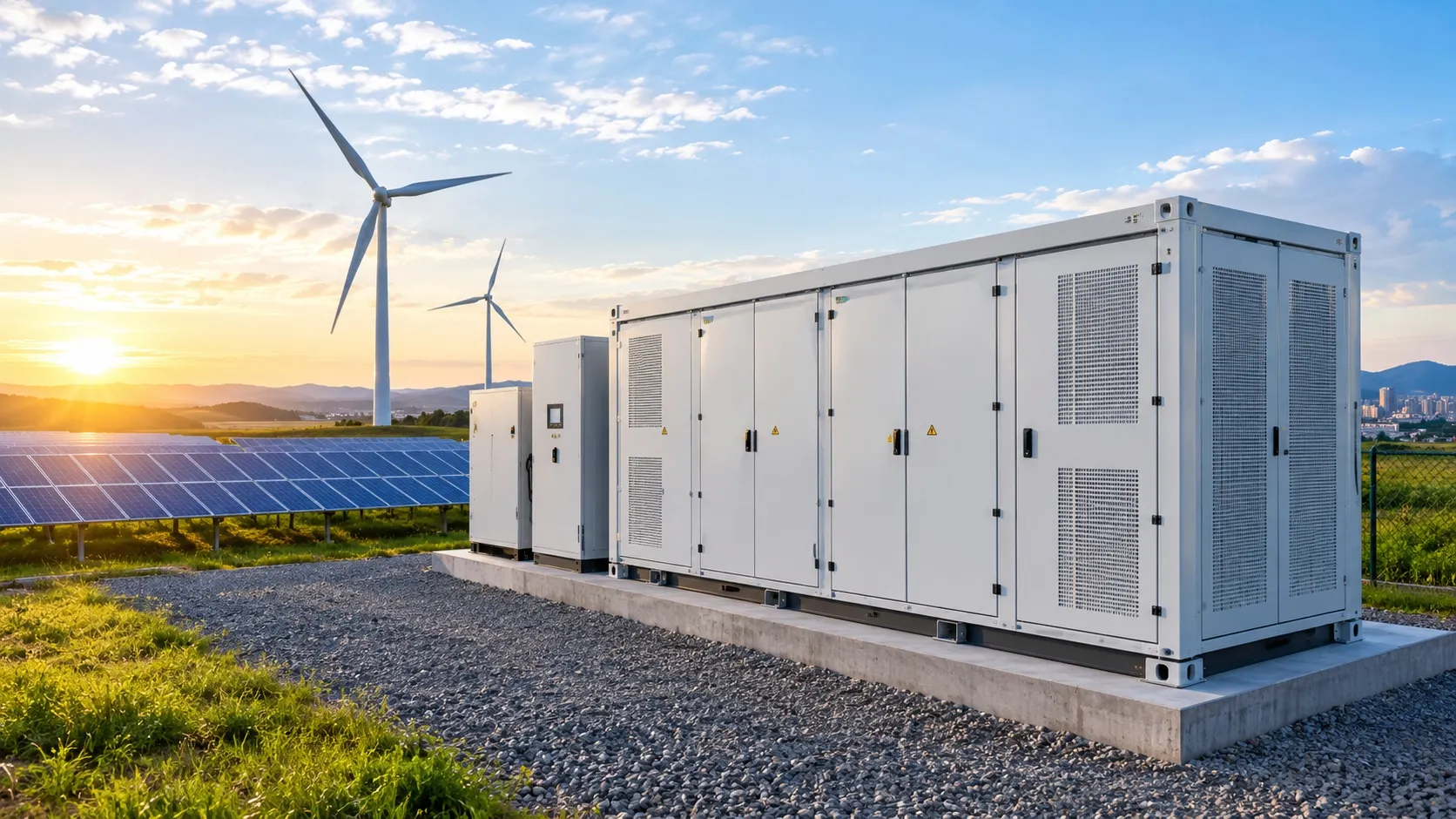
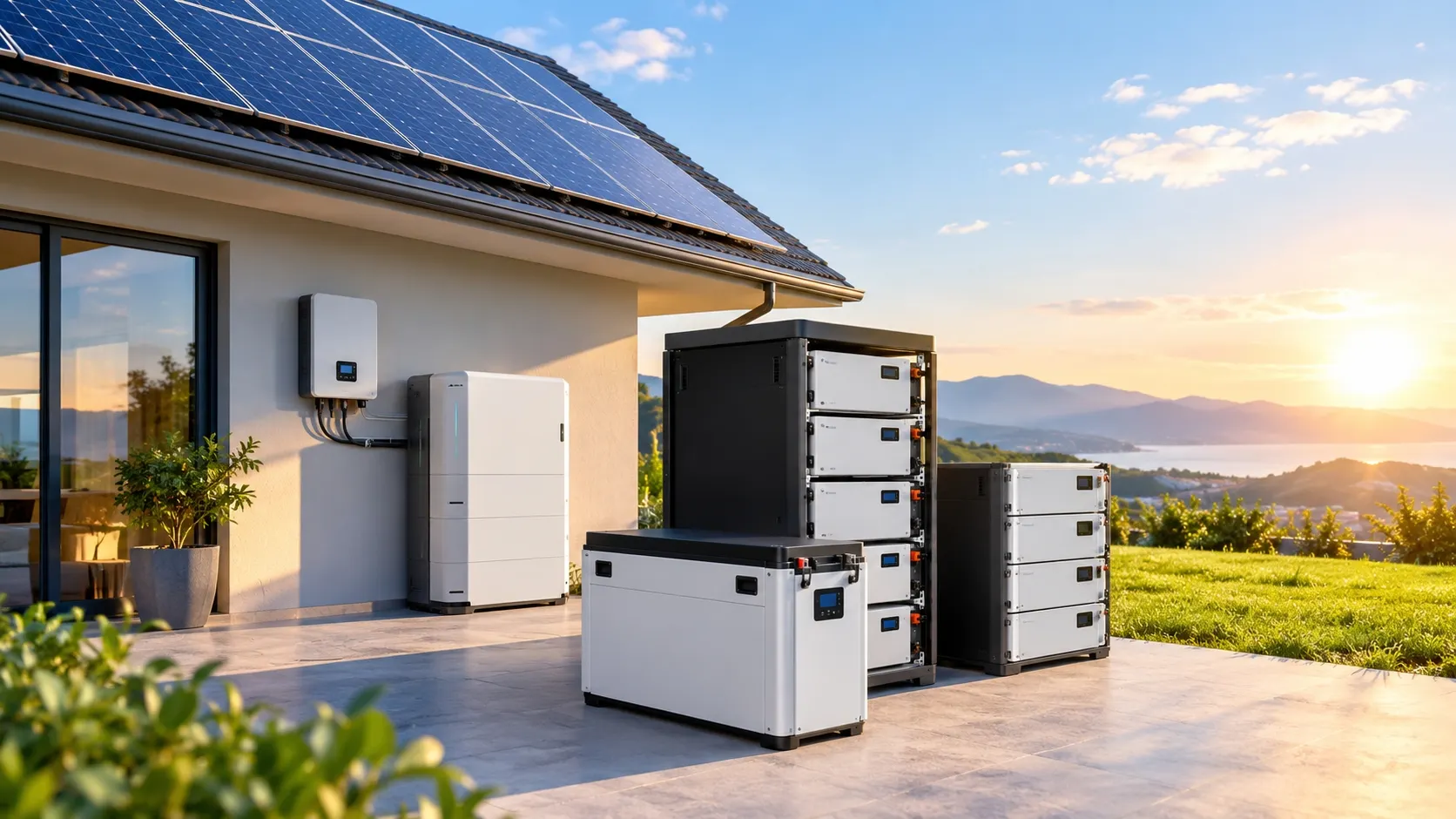

For factories, data rooms, hotels, telecom sites, warehouses and commercial buildings, power continuity is not only about how long an outage lasts. A voltage interruption lasting only a few milliseconds may reset PLCs, interrupt network equipment, stop automated production or trigger process alarms.
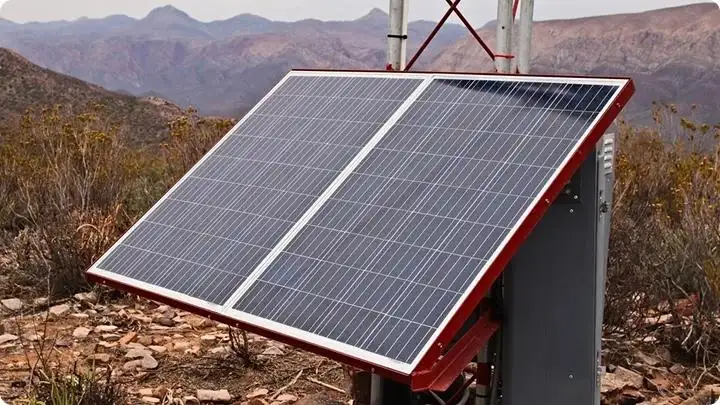
For this reason, a Commercial Off Grid Solar System serving critical business loads must be designed around more than battery capacity. Transfer time, inverter power, short-term overload capability, battery discharge power, state of charge, load priority and backup duration must be evaluated together.
From the JSDSolar system-design perspective, a practical commercial solution begins with the load profile, not with selecting the largest battery available.
Critical Loads Must Be Identified Before System Sizing
Not every commercial load requires the same level of backup protection.
| Load Type | Main Electrical Risk | Backup Priority |
| PLC and automation controls | Restart or production interruption | Very High |
| Servers and network equipment | Data or communication loss | Very High |
| Security and access control | Temporary system failure | High |
| Refrigeration controls | Temperature/process risk | High |
| Motors and compressors | High starting current | Engineering Review |
| HVAC and electric heating | High continuous energy demand | Usually Lower |
A Commercial Off Grid Solar System is normally more efficient when critical and non-critical circuits are separated.
Instead of backing up an entire 100kW facility, for example, a project may identify only 25–40kW of loads that actually need uninterrupted operation. This reduces inverter oversizing and extends available battery runtime.
Fast Transfer Switching Is A System-Level Function
When the grid fails, several events must occur in sequence:
•Detect abnormal grid voltage or frequency;
•Electrically isolate the grid;
•Establish inverter-supported AC output;
•Draw energy from the battery;
•Stabilize voltage and frequency;
•Continue supplying the critical-load bus.
The switching process must occur within the tolerance window of the connected equipment.
A Deye-based 50kW configuration used in this type of Commercial Off Grid Solar System can achieve sub-10ms on-grid/off-grid switching under specified configurations. However, <10ms does not mean zero interruption.
The real requirement is:
Transfer Time < Load Ride-Through Capability
If an industrial controller can tolerate only 8ms of voltage interruption, a 10ms system may still cause a reset. Transfer performance therefore needs to be matched to actual equipment rather than judged from a single datasheet number.
STS, ATS And UPS Serve Different Applications
Fast switching is often misunderstood during commercial solar procurement.
| Technology | Main Function | Switching Behavior | Typical Use |
| STS | Transfers between available AC sources | Millisecond-class | Sensitive commercial loads |
| ATS | Changes between grid and backup supply | Generally slower | Generator backup |
| Online UPS | Continuously conditions and supplies power | No conventional transfer gap | Servers and highly sensitive loads |
An STS-equipped Commercial Off Grid Solar System should not automatically be treated as a UPS.
UPS systems are designed around continuous power conditioning, while STS-based hybrid systems focus on fast source transfer and energy management. In some data-center or high-criticality applications, an online UPS may still be installed downstream of the solar-storage system.
50kW Inverter Sizing Must Include Starting Current
Commercial systems cannot be sized only by adding average running loads.
Consider a facility with:
•22kW continuous production load
•8kW server and control load
•12kW compressor
•5kW pump
The normal operating demand may remain below 50kW, but simultaneous motor starting can temporarily push demand much higher.
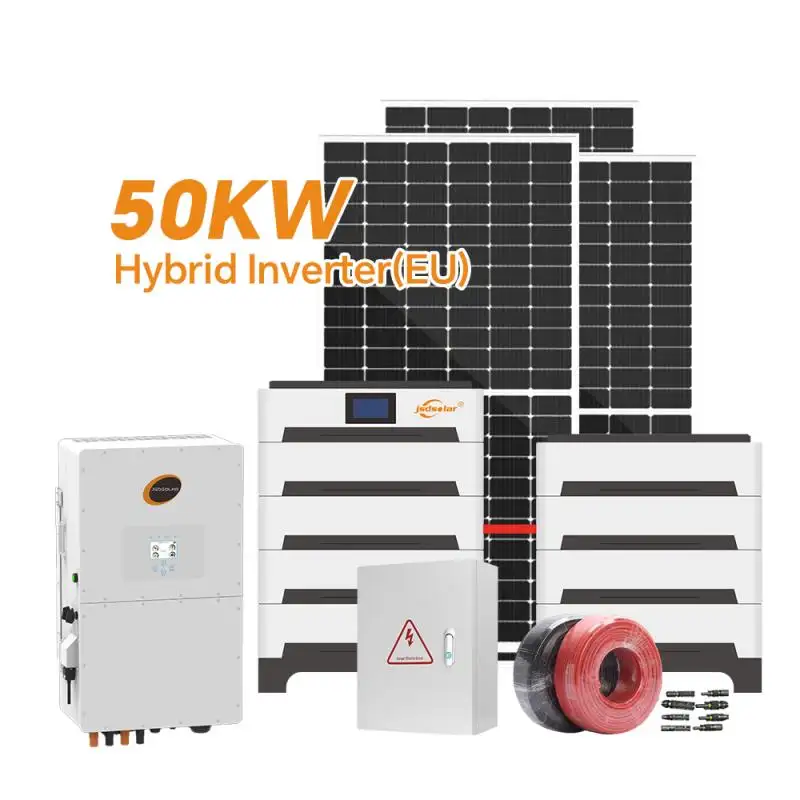
The 50kW Deye platform used by JSDSolar provides approximately:
•50kW rated AC output;
•Up to 1.5× off-grid peak power for 10 seconds;
•About 75kW short-duration peak capability;
•Three-phase 380/400V operation;
•Up to 200A AC passthrough capability;
•Low output current distortion under nominal conditions.
This peak capability is especially important for motors, compressors, pumps and industrial machinery.
A professional Commercial Off Grid Solar System calculation should therefore include:
Continuous Load + Simultaneous Starting Load + Surge Margin + Future Expansion
Battery kWh And Inverter kW Solve Different Problems
One of the most common commercial storage mistakes is confusing power with energy.
kW determines how much load the system can supply at one moment.
kWh determines how long that load can be supported.
A simplified estimate is:
Backup Time = Usable Battery Energy ÷ Critical Load
For a nominal 160kWh battery:
| Critical Load | Theoretical Runtime |
| 10kW | 16 h |
| 20kW | 8 h |
| 30kW | 5.3 h |
| 40kW | 4 h |
| 50kW | 3.2 h |
These figures are theoretical. Actual Commercial Off Grid Solar System runtime must account for:
•Reserved minimum SOC;
•Allowable battery DoD;
•Inverter conversion losses;
•Battery efficiency;
•Temperature derating;
•Battery aging;
•Auxiliary loads.
This is why 51kWh, 64kWh, 140kWh, 160kWh, 180kWh and 200kWh configurations should be selected by required autonomy rather than simply choosing the largest capacity.
Battery Power Is As Important As Battery Capacity
A large battery does not automatically guarantee sufficient discharge power.
During grid failure, the battery must deliver enough instantaneous DC power to support:
•Normal critical load;
•Motor starting current;
•Temporary overload;
•Inverter conversion losses.
The JSDSolar three-phase platform supports a 160–800V high-voltage battery architecture, two battery inputs and up to 50+50A charge/discharge current, together with CAN/RS485 communication between the inverter and BMS.
Higher DC voltage helps reduce current for a given power level, which can reduce conductor losses and improve system efficiency in larger commercial installations.
Critical And Non-Critical Loads Should Use Different Control Logic
A well-designed Commercial Off Grid Solar System normally prioritizes loads in tiers.
Tier 1 — Must Remain Online
•PLC systems;
•Servers;
•Communication equipment;
•Security systems;
•Emergency lighting;
•Essential refrigeration controls.
Tier 2 — Can Be Temporarily Shed
•HVAC;
•EV charging;
•Water heating;
•Secondary machinery;
•Non-essential office loads.
JSDSolar's three-phase system supports dual-output and load-management functions that can be used to prevent non-critical loads from exhausting battery reserves during prolonged outages.
Long Outages Require More Than Battery Storage
For short interruptions, battery storage may be sufficient.
For extended outages, however, continuously increasing battery capacity may not be the most economical solution.
A Commercial Off Grid Solar System can instead coordinate:
PV + Battery + Grid + Generator
During normal operation, solar generation supports loads and charges the battery. During a grid failure, the battery provides immediate support. If the outage lasts longer and battery SOC falls below a defined threshold, a generator can be introduced for extended resilience.
This hybrid architecture is particularly suitable for remote commercial sites, factories and facilities where multi-hour or multi-day outages are possible.
Fast Switching Must Be Verified During Commissioning
A supplier statement such as "fast transfer" is not sufficient for a critical-load project.
Commissioning should test grid failure at several operating conditions:
•25% rated load;
•50% rated load;
•75% rated load;
•Near-full load;
•Low battery SOC;
•Motor starting condition.
Engineers should record:
•Transfer time;
•Minimum voltage during transfer;
•Frequency deviation;
•Recovery time;
•Whether PLCs or servers restart;
•Inverter and BMS alarms.
For projects with strict continuity requirements, an oscilloscope or power-quality analyzer should be used rather than relying only on inverter event logs.
Verify Certifications By Component And Model
A complete Commercial Off Grid Solar System may contain an inverter, battery modules, BMS, STS, protection devices and generator interface. Compliance should therefore be checked at component and system level.
Typical documents may include:
•IEC/EN 62109 for inverter safety
•IEC 61727 / IEC 62116 for PV grid-interface functions
•EN 50549 or regional grid requirements
•IEC 62310 for static transfer systems
•IEC 62619 for industrial lithium battery safety
•EMC compliance documentation
The important purchasing point is to verify that certificates apply to the exact model and configuration being supplied.
How JSDSolar Approaches Commercial Off Grid Solar System Selection
The correct system is not defined by one specification such as "50kW" or "160kWh."
A commercial project should be selected from the complete operating requirement:
•Critical-load kW;
•Starting and surge power;
•Required transfer time;
•Required backup duration;
•Three-phase voltage;
•Battery SOC reserve;
•PV generation capacity;
•Generator requirement;
•Future expansion;
•Commissioning criteria.
JSDSolar's three-phase 30–50kW energy-storage platform combines high-voltage battery support, integrated fast switching, generator compatibility, multiple storage capacities and load-priority management for commercial applications.
For businesses planning a Commercial Off Grid Solar System, the most effective starting point is to provide JSDSolar with the actual load list, peak demand and required backup hours. These values make it possible to match inverter power, battery capacity and switching performance to the real operating risk rather than oversizing the system based on assumptions.
FAQs
Q1. What Commercial Off Grid Solar System solutions does JSDSolar provide?
JSDSolar provides commercial solar and battery storage solutions designed around three-phase loads, hybrid inverter control, high-voltage battery storage, PV generation and backup power requirements. System configuration should be selected according to actual load power, required runtime and site conditions.
Q2. Can JSDSolar configure a 50kW Commercial Off Grid Solar System?
Yes. JSDSolar offers three-phase commercial energy storage configurations using 30kW, 40kW and 50kW hybrid inverter platforms. A 50kW Commercial Off Grid Solar System can be matched with different battery capacities according to backup duration and load requirements.
Q3. What battery capacities are available for JSDSolar commercial systems?
Depending on the project configuration, JSDSolar can provide commercial storage options including approximately 51kWh, 64kWh, 140kWh, 160kWh, 180kWh and 200kWh. The correct capacity should be selected based on usable energy, SOC reserve and required backup hours.
Q4. Does the JSDSolar Commercial Off Grid Solar System support fast transfer switching?
The three-phase system supports integrated fast transfer functions for switching between operating modes. For critical loads, the exact transfer requirement should be confirmed against the selected inverter configuration and the ride-through tolerance of the connected equipment.
Q5. Can the system support critical factory or commercial loads?
Yes, provided the system is correctly sized. JSDSolar recommends evaluating continuous load, motor starting current, short-term surge demand, three-phase balance and required backup duration before selecting inverter and battery capacity.


In This Article
- 1 Critical Loads Must Be Identified Before System Sizing
- 2 Fast Transfer Switching Is A System-Level Function
- 3 STS, ATS And UPS Serve Different Applications
- 4 50kW Inverter Sizing Must Include Starting Current
- 5 Battery kWh And Inverter kW Solve Different Problems
- 6 Battery Power Is As Important As Battery Capacity
- 7 Critical And Non-Critical Loads Should Use Different Control Logic
- 8 Long Outages Require More Than Battery Storage
- 9 Fast Switching Must Be Verified During Commissioning
- 10 Verify Certifications By Component And Model
- 11 How JSDSolar Approaches Commercial Off Grid Solar System Selection
