


Best Solar Inverters Manufacturer

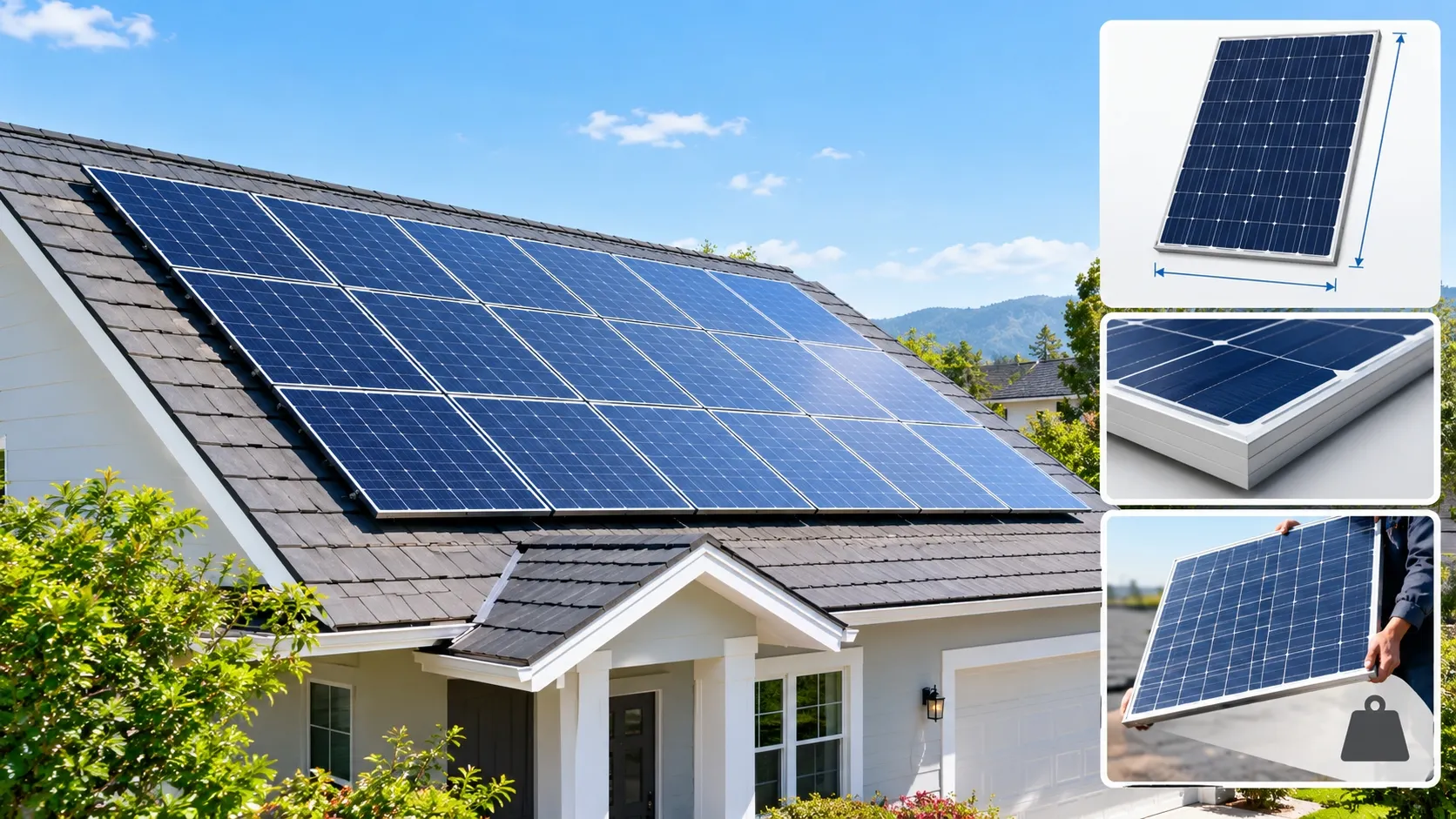
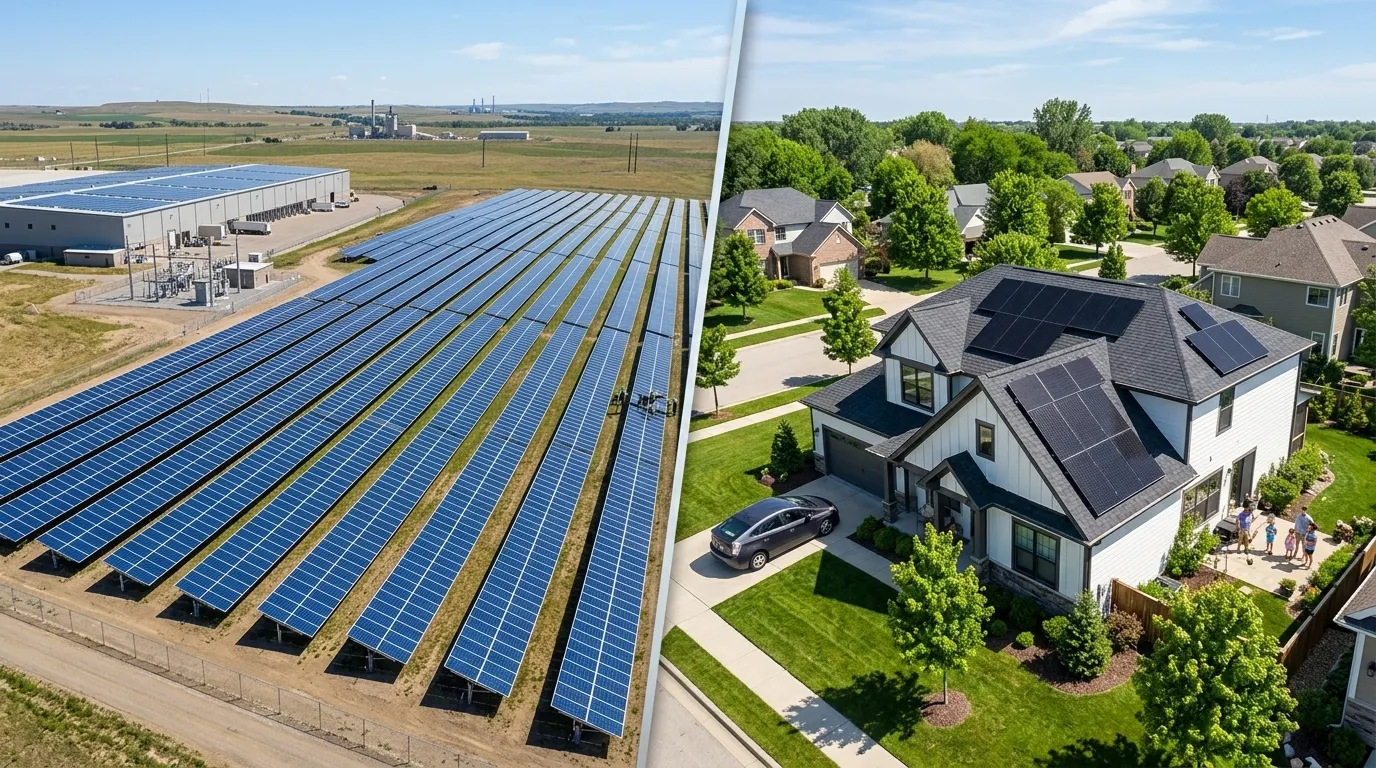
With the increasing popularity of solar energy around the globe, it is equally vital to select a solar inverter manufacturer as it is to pick high-quality solar panels and batteries. The solar inverter is the key element that transforms the direct current (DC) produced by solar panels into alternating current (AC) that is applied to the home, business or industrial building.
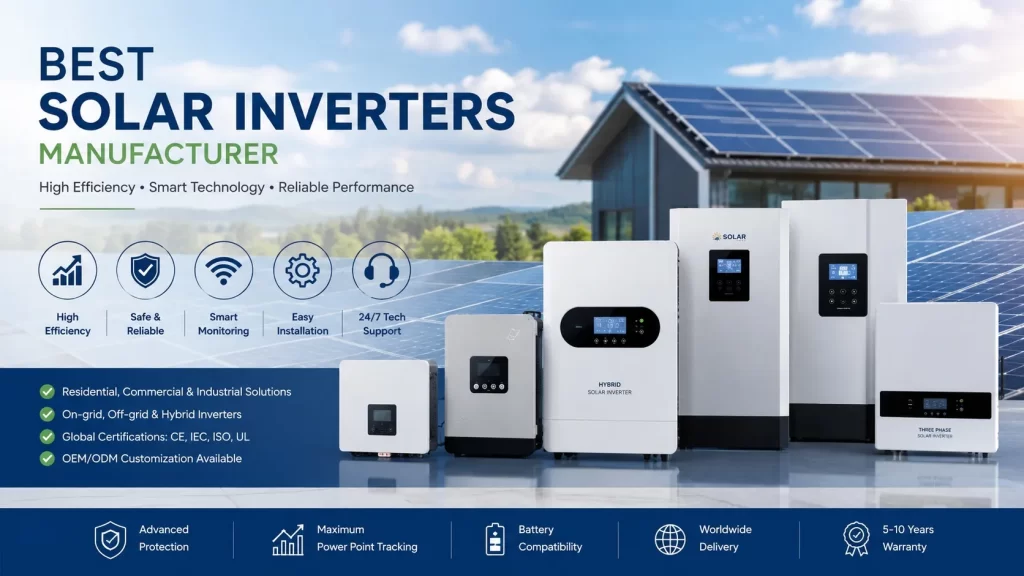
Buyers shouldn't make their choice of the best solar inverter manufacturer based on the cost of the equipment. Product efficiency, reliability, safety, certification, technical support, customization, warranties, and supplier's long-term ability are all important.
This guide will focus on the competitive factors of a solar inverter manufacturer as well as how buyers can choose the right solar inverter manufacturer for their residential, commercial, and industrial solar projects.
What Is a Solar Inverter?
A solar inverter is an electronic unit that converts the DC electricity produced by photovoltaic (PV) panels into AC electricity. The inverter is an important component in a solar power setup as most electrical appliances and commercial power systems are governed by AC power.
The modern solar inverters can do much more than just convert DC electricity to AC electricity. Advanced models can feature:
- Maximum Power Point Tracking (MPPT)
- Real-time system monitoring
- Grid connection management
- Battery energy management
- Remote diagnostics
- Intelligent load management
- Overvoltage and overcurrent protection
- Anti-islanding protection
- Communication interfaces
Depending on the application, there are several types of inverters available to the buyer: grid-tied, off-grid, hybrid, microinverter, and three-phase commercial inverter.
Why Choosing the Right Solar Inverter Manufacturer Matters
The efficiency, reliability and safety of a solar power system are directly impacted by the inverter. If the inverter is not well designed or matched to the inverter, the high quality solar panels cannot develop their full potential.
A good manufacturer usually puts effort into post-sale service, product testing, quality control and product development. This will help to minimise system downtime and maximise ROI over the long term.
Distributors, installers, EPC companies and solar project developers may also benefit from a professional manufacturer, as they will have easier access to technical documentation, product customization, spare parts, training.
Key Features of the Best Solar Inverters Manufacturer
1. High Conversion Efficiency
Inverter efficiency is one of the first specifications to consider when comparing quotes from buyers. More efficient – less energy loss during DC to AC conversion.
Manufacturers are typically the first to create an inverter that has a high conversion efficiency and advanced MPPT (Maximum Power Point Tracking). When multiple solar panels are oriented differently, shaded or installed at different angles, multiple MPPT channels can help ensure optimal production.
Even if the efficiency is increased a little for a large solar installation, it can still generate a lot more electricity over the life of the system.
2. Reliable Product Quality
Solar inverters are likely to be installed in outdoor environments for a long period of time, sometimes in extreme conditions like high temperature, high humidity, dust, and voltage fluctuation.
The most reliable solar inverter manufacturers thus utilize premium electronic components, tough enclosures, cutting edge cooling systems, and rigid manufacturing procedures.
Purchasers should inquire with manufacturers on:
- Component quality
- Production standards
- Factory quality-control procedures
- Product testing
- Environmental protection ratings
- Operating temperature range
- Expected service life
A robust design can reduce maintenance costs and improve overall system reliability.
3. Comprehensive Certifications
Another criterion for assessing a solar inverter supplier is certifications.
Solar Inverters can be required to meet the international or regional standards depending upon the target market. To check if the manufacturer's products are certified for use in the country or project, buyers should check for the necessary certifications.
Common certifications may be CE, IEC, UL, and other grid connection or safety certifications and requirements.
But the selection of suppliers should not be based on certification. It is also essential that buyers confirm that the certificates are valid for the specific inverter models that they are buying.
4. Wide Product Range
Ideally an excellent solar inverter manufacturer ought to offer solutions for various applications.
Residential customers can benefit from small, single-phase hybrid inverters, whereas commercial and industrial projects might need a larger capacity, three-phase hybrid inverter.
A wide range of products can be part of a comprehensive product portfolio:
- Residential solar inverters
- Hybrid solar inverters
- Off-grid inverters
- Grid-tied inverters
- Three-phase inverters
- Commercial solar inverters
- Battery inverters
- Energy storage solutions
Having a wide product offering increases the ease with which distributors and EPC companies can acquire a variety of products from a single supplier.
Solar Inverters for Residential Applications
Residential solar systems usually need an easy to install, dependable and compact equipment. Hybrid Inverters are gaining popularity because they allow integration of solar panels, batteries, the electrical grid and household loads.
What matters most for homeowners is the capacity of the inverter, compatibility of the batteries, monitoring functions, backup power, noise level, installation needs and warranty.
In a typical example, a house powered by 10 kW PV would require an inverter system capable of optimizing the use of both the PV output and the household electricity use.
Solar Inverters for Commercial and Industrial Projects
Solar PV systems for commercial and industrial applications typically demand more power capacity, sophisticated monitoring and robust grid-management skills.
For large projects, several 3-phase inverters can be installed with a centralized monitoring system. The inverter system must be able to accommodate variable loads and deliver constant power.
Buyers should look for important features such as scalability, operating temperature range, protection functions, communication interface, remote monitoring, maintenance, and technical support when choosing an industrial solar inverter manufacturer.
Hybrid Solar Inverters and Energy Storage
Solar energy and storage are increasingly a key component of the renewable energy market.
Hybrid solar inverters are capable of handling electricity from various sources such as PV panels, batteries, the grid, and electrical loads.
Stored energy can be used as solar generation is reduced, when electricity usage peaks, or when the grid fails.
This is especially beneficial for those looking to enhance energy efficiency and autonomy in their homes and businesses.
Customization and OEM/ODM Capabilities
Customization can be a significant benefit for solar distributors and international brands.
A seasoned solar inverter manufacturer could provide OEM and ODM solutions that includes customized branding, packaging, communication interfaces, features of software, product appearance and system configuration.
When choosing an OEM supplier, buyers should consider the engineering capacity, production capacity, quality control process, minimum order quantity, lead time and long-term project support capability of the manufacturer.
After-Sales Service and Technical Support
Even the best solar inverter can need technical help for installation or in operation.
A professional manufacturer needs to be able to supply product manuals, installation instructions, troubleshooting information, firmware updates, warranty support and technical consultation.
Multilingual support and responsive communication can be the difference for international customers.
A good after-sales service is essential for a supplier to assist the installers in problem solving and reduce downtime of their systems.
How to Compare Solar Inverter Manufacturers
When comparing potential suppliers, buyers can use a structured evaluation process.
Consider the following factors:
| Evaluation Factor | What to Check |
|---|---|
| Efficiency | Maximum and weighted efficiency |
| Product Range | Residential, commercial, hybrid, off-grid |
| Certifications | Applicable regional and international standards |
| Quality | Components, testing, manufacturing controls |
| Safety | Protection and grid-management functions |
| Warranty | Warranty period and coverage |
| Monitoring | App, web platform, remote monitoring |
| Customization | OEM/ODM and engineering support |
| Production | Capacity and delivery capability |
| Service | Technical support and after-sales response |
This is easier to do than identifying a supplier based on the 'cheap' option.
What Makes the Best Solar Inverters Manufacturer?
That said, the top solar inverter manufacturer isn't always the cheapest inverter. The right manufacturer should have reliable technology, be high efficiency, have robust quality control, have full certification, be competitively priced, have production capacity, have customization capability, and have excellent technical support.
Supplier stability is especially critical for solar installers, distributors, EPC contractors and project developers. By helping to manage risks, minimize downtime, and establish a more stable solar energy enterprise, a manufacturer able to supply products throughout their life cycle can be very useful.
Conclusion
Solar inverters are an integral part of any modern PV and energy storage system. The choice of manufacturer can have a direct impact on the energy efficiency, reliability of the system, installation costs, maintenance needs, and long-term performance of the project.
When you consider residential solar inverters, commercial solar inverters, hybrid solar inverters, or industrial energy storage solutions, consider manufacturer product performance, certifications, quality, customization, production capacity, warranties and after-sales service.
Adopting a long-term strategy will help buyers identify a trustworthy solar inverter manufacturer who can deliver solar inverter solutions that meet the short-term demands of their projects and the long-term goals of their renewable energy initiatives.
Share on Social:


In This Article
- 1 What Is a Solar Inverter?
- 2 Why Choosing the Right Solar Inverter Manufacturer Matters
- 3 Key Features of the Best Solar Inverters Manufacturer
- 4 Solar Inverters for Residential Applications
- 5 Solar Inverters for Commercial and Industrial Projects
- 6 Hybrid Solar Inverters and Energy Storage
- 7 Customization and OEM/ODM Capabilities
- 8 After-Sales Service and Technical Support
- 9 How to Compare Solar Inverter Manufacturers
- 10 What Makes the Best Solar Inverters Manufacturer?
- 11 Conclusion
