


Best Lithium Batteries Manufacturer

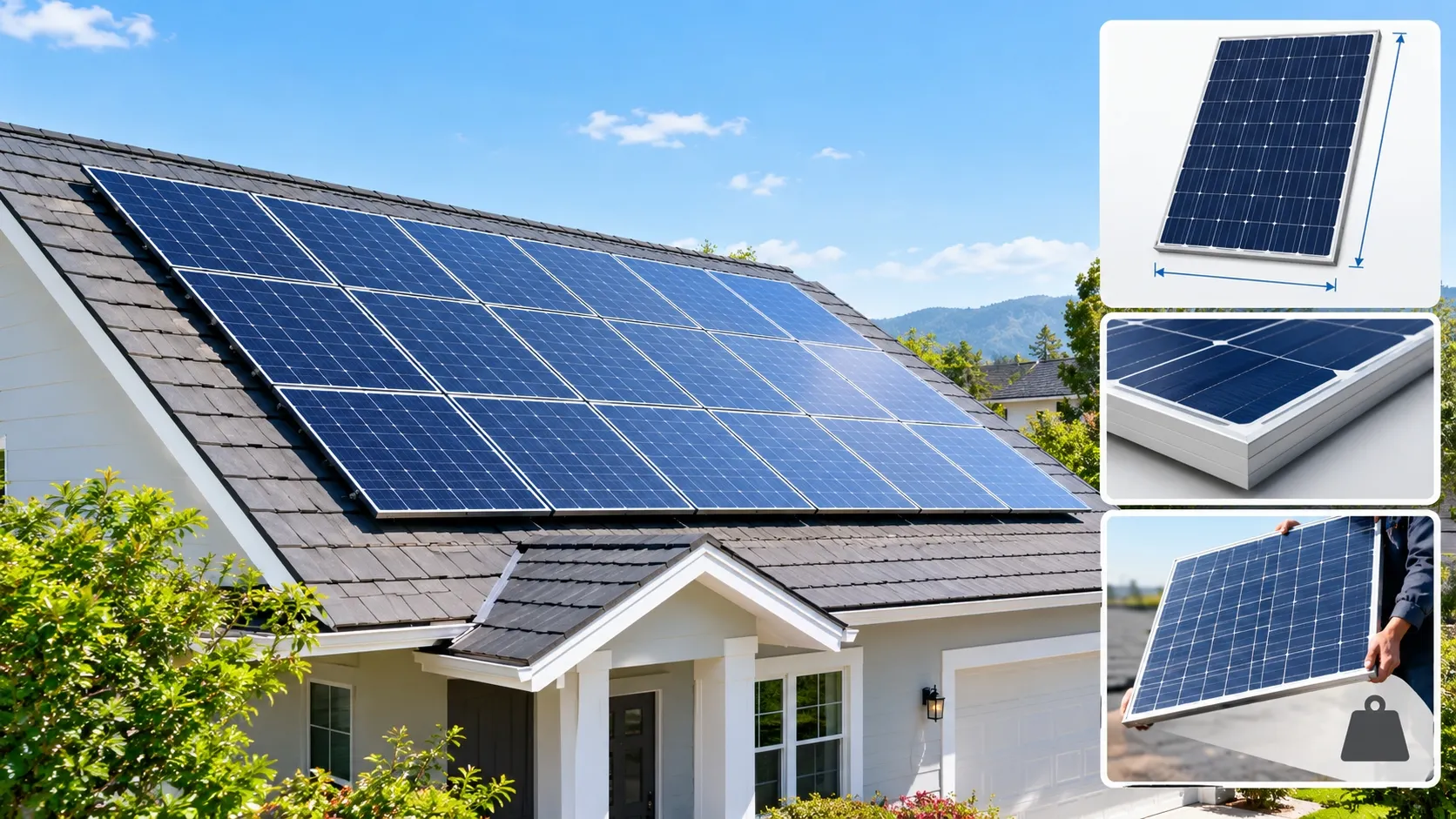
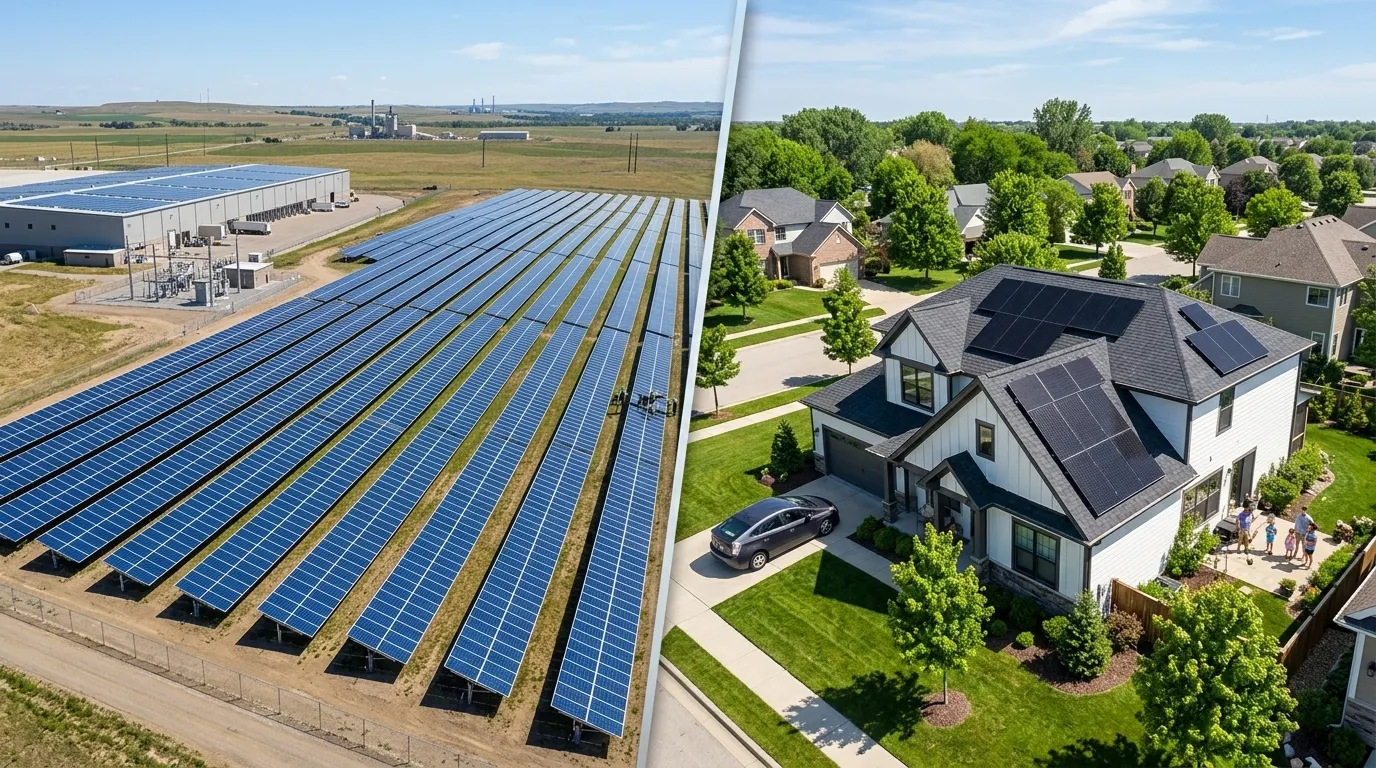
As consumers strive to lower their electricity bills, enhance energy resilience, and embrace sustainable, eco-friendly energy sources, solar power is emerging as an increasingly viable option for homeowners. With the demand on the rise, the selection of the best residential solar manufacturer is a critical choice for both homeowners and solar installers, distributors, and renewable energy companies.
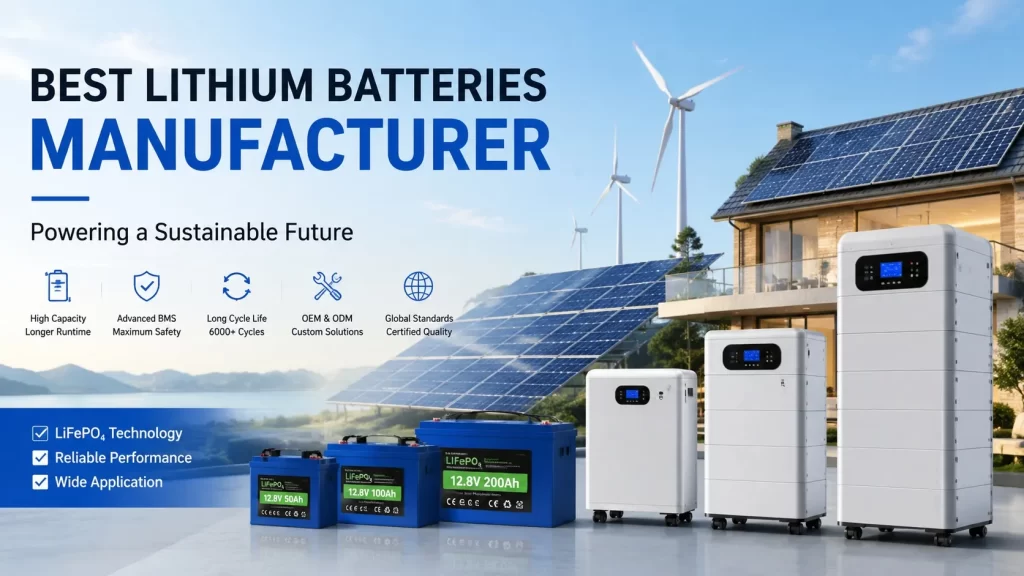
A good solar manufacturer is not only in charge of the manufacture of photovoltaic panels, but also provides customers with high-quality solar products. The best company has the latest technology, high manufacturing standards, product reliability, certifications, warranty service, and professional service to provide solar power solutions you can rely on for your home.
What Is a Residential Solar Manufacturer?
Residential solar manufacturers design and manufacture solar energy products used in homes and small residential properties. Such products can consist of solar panels, photovoltaic modules, solar inverters, mounting systems, energy storage batteries and others for residential solar systems.
Established residential solar manufacturers hold key aspects of the production process, as opposed to general suppliers of solar products. This can lead to improved quality control, consistency, technical support and customization.
When choosing a solar manufacturer, solar homeowners and installers can be assured that the solar system will work for years to come.
Why Choosing the Best Residential Solar Manufacturer Matters
Solar panels are an investment of the future. A PV system on a residence can have a lifespan of many years, so the quality of the products should be taken into account in addition to cost.
The leading residential solar manufacturers are concerned with a number of critical areas:
1. High-Quality Solar Technology
The technology of solar power keeps developing. Contemporary panel systems offer improved efficiency, improved temperature performance and improved energy output than older systems.
When considering a manufacturer, consider the use of state-of-the-art PV cell technology and designs that maximize the power generation from a limited roof surface area.
In homes with smaller roofs or higher electricity use, it can be particularly valuable to use higher efficiency modules.
2. Strict Manufacturing Quality Control
Quality manufacturing is directly impacting solar panel performance and durability. A professional manufacturers is required to take control of production process, to make many quality inspections and to test the product before shipping out.
Cell consistency, module construction, electrical performance, mechanical strength and resistance to environmental conditions are important quality factors.
Quality control ensures consistent product quality and helps mitigate the chances of early product failure and poor system performance.
3. Product Certifications and Compliance
A reliable solar company for homes should provide products that meet industry standards and market needs.
Certifications and testing can include electrical safety, mechanical performance, fire resistance, environmental durability, and grid compatibility, depending on the target market.
Another key consideration for international buyers is that the manufacturer's products comply with the regulations in the country of destination.
Key Factors When Choosing a Residential Solar Manufacturer
When choosing a manufacturer it's not just about the price of the panel. Take the total worth of the supplier into account.
Manufacturing Experience
Work experience is a valuable source of production ability and expertise. Some manufacturers have a wide range of experience in manufacturing solar PV products and can handle large orders, quality control, and product development.
But experience should not be the sole deciding factor when choosing technology or production, rather it should be considered in conjunction with current technology and production capabilities.
Solar Panel Efficiency
Efficiency is the percentage of which a solar panel is efficient in converting sunlight to electricity. More efficient modules are able to produce a greater amount of power on the same roof surface.
If it's a residential project, comparing module efficiency, rated power, temperature coefficient and expected energy output can be helpful in determining the long term value.
Product Reliability
The solar panels are subjected to the sun, the rain, the wind, humidity, temperature fluctuations and much more during their lifespan.
The top solar manufacturers for homes thus create products which are meant for long durability in outside conditions. To help achieve improved durability under demanding conditions, attention should be given to module construction and appropriate testing.
Warranty and After-Sales Support
Another factor to consider is warranty coverage. A manufacturer needs to give a clear indication of warranties, product performance, warranty procedures, and technical support.
If a product related problem arises within an installer's or homeowner's home, good after-sales service can make a difference.
Production Capacity
When it comes to solar energy, generation is important for solar installers, distributors, and big residential undertakings.
A manufacturer who has enough manufacturing capacity can do provide more consistent supply and project delays can be reduced. Buyers should take into account the production lead time, minimum order quantity, packaging, logistics and Stock Keeping Units of the supplier.
Residential Solar Manufacturing for Different Applications
Residential solar systems do not have to be installed in one particular home. Manufacturers can provide products which would work for villas, apartment buildings, suburban houses, off-grid homes, and other residential buildings.
A limited roof space can be especially beneficial when considering high efficiency solar modules. Where electricity is not stable in the grid, solar panels and battery storage can offer increased energy resilience.
The whole system design is particularly critical for off-grid applications. Solar generation, battery capacity, the performance of the inverter and the demand for electricity in the household must coordinate.
Solar Panels and Energy Storage
Storage and PV generation are becoming more common on contemporary residential PV solutions.
Solar panels convert energy from sunlight to generate electricity during the day. Any electricity that is not needed at the time can be stored in a battery for later use when the sun isn't generating electricity.
This can be used to boost the amount of solar energy consumed locally and the use of grid electricity.
So, residential solar manufacturers may also need to consider whether the manufacturer has compatible inverters, batteries, monitoring systems, or complete energy solutions.
OEM and Custom Residential Solar Solutions
Another possible benefit for solar distributors and installation companies is customization.
A skilled manufacturer can provide OEM/Private Label services, tailor packaging, product specifications, branding and system configurations.
With custom manufacturing, companies can create solar products that stand out in the crowd without compromising on quality or professional standards.
For B2B buyers, it is important to have a technical discussion before putting in huge orders, as well as matters of order quantities or delivery schedules, certifications, packaging, and long-term cooperation.
How to Compare Residential Solar Manufacturers
A practical comparison should consider the following factors:
- Manufacturing experience and production capability
- Solar module efficiency and power output
- Product testing and quality control
- Relevant certifications and compliance
- Warranty and performance guarantees
- Production capacity and delivery times
- Technical and after-sales support
- OEM and customization capabilities
- Pricing and total project value
- Reputation among installers and distributors
The lowest price does not always represent the lowest total cost. A slightly higher-quality product may provide better reliability, longer service life, and stronger long-term performance.
Questions to Ask Before Ordering
Before selecting a residential solar manufacturer, buyers should ask several practical questions:
What solar technologies do you manufacture?
Understanding the manufacturer's product portfolio helps determine whether its technology matches the project.
What certifications are available?
Ask for documentation relevant to the target market and application.
What quality-control procedures are used?
A professional manufacturer should be able to explain its testing and inspection processes.
What warranty support is provided?
Review both product warranty and performance warranty terms carefully.
Can you provide OEM or customized products?
This is particularly important for distributors and solar companies developing their own brands.
What is your production capacity and lead time?
Reliable supply is essential for large residential solar projects.
The Future of Residential Solar Manufacturing
The residential energy sector continues to strive for greater efficiency, intelligent energy management, system integration and flexible designs.
PV panels and batteries will soon be married, along with smart inverters, monitoring systems and home energy management systems, to create future residential solar solutions.
Businesses that invest in research, automation, product testing and sustainable manufacturing will be more likely to adjust to market needs.
Conclusion
Selecting the best residential solar manufacturer is a crucial decision when it comes to developing a dependable and efficient home solar system. The right manufacturer should not only provide competitive pricing, but also offer additional value-added features and benefits. The value of solar investments can be enhanced over time through technology, manufacturing quality, certifications, reliability, warranty protection, supply capability, and technical support.
The ability of a homeowner, installer, distiller or renewable energy company to make better purchasing decisions can be achieved by using total product value, rather than price alone, to assess manufacturers.
A reliable residential solar manufacturer can be more than just a product provider: it can be a long-term partner for providing efficient, reliable, and sustainable solar energy solutions to homes all over the world.
Share on Social:


In This Article
- 1 What Is a Residential Solar Manufacturer?
- 2 Why Choosing the Best Residential Solar Manufacturer Matters
- 3 Key Factors When Choosing a Residential Solar Manufacturer
- 4 Residential Solar Manufacturing for Different Applications
- 5 Solar Panels and Energy Storage
- 6 OEM and Custom Residential Solar Solutions
- 7 How to Compare Residential Solar Manufacturers
- 8 Questions to Ask Before Ordering
- 9 The Future of Residential Solar Manufacturing
- 10 Conclusion
