


Best Residential Solar Manufacturer

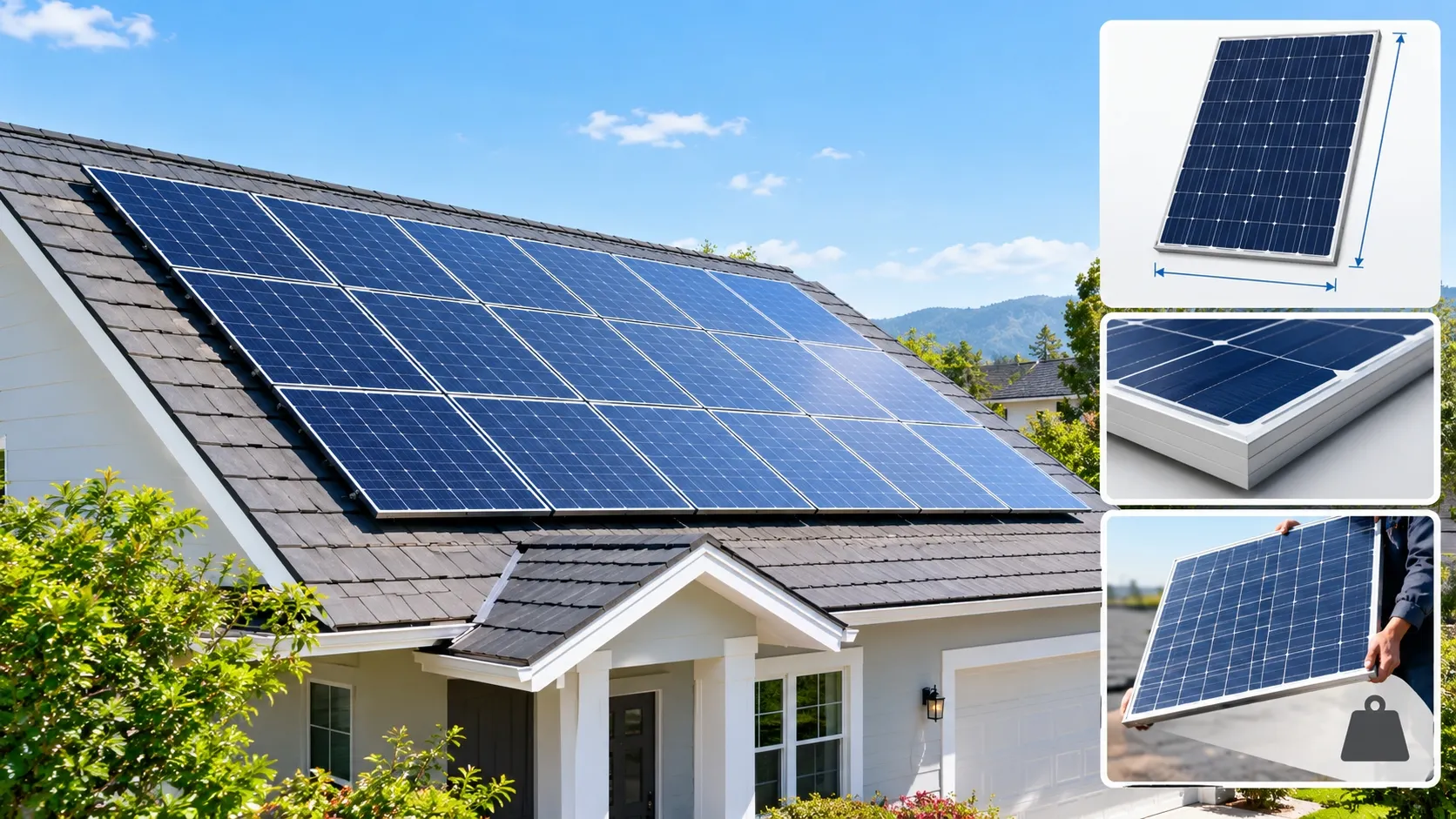
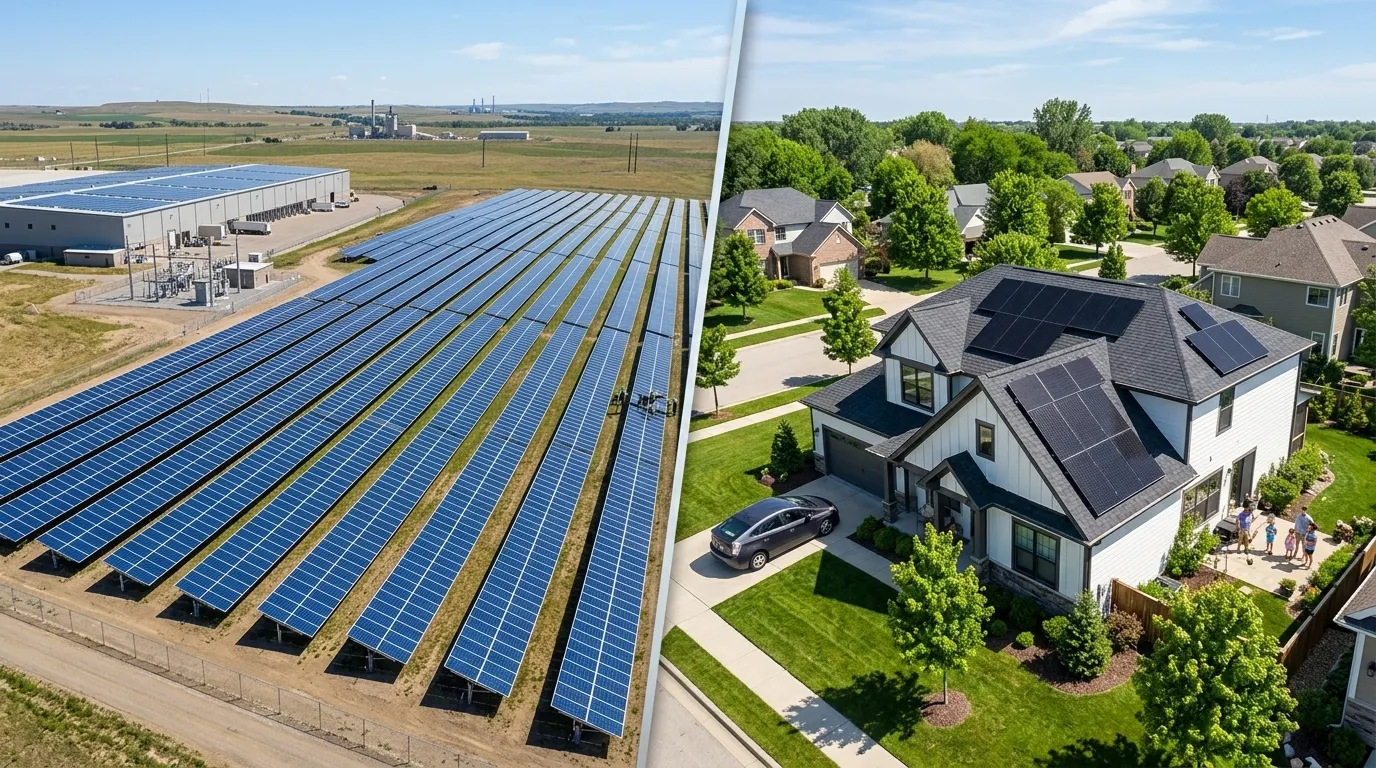
As energy costs rise and reliance on fossil fuels continues to grow, residential solar power is gaining momentum as a viable option for homeowners seeking ways to cut their electricity bills, become more self-sufficient, and switch to cleaner sources of power. The selection of the top residential solar manufacturer is crucial for homeowners, solar installers, distributors, and renewable energy companies as demand for solar power keeps increasing.
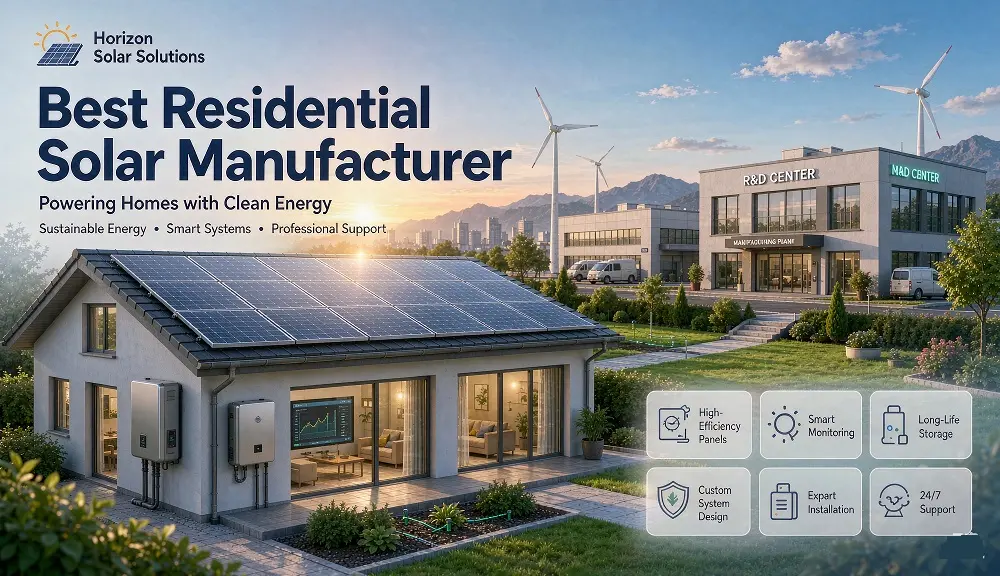
A solar manufacturer that is reliable does more than make photovoltaic panels. The right company will integrate cutting-edge technology, manufacturing uniformity, reliability, certifications, warranty service, and professional service to provide reliable solar solutions for home use.
What Is a Residential Solar Manufacturer?
Residential Solar Manufacturers: These are makers of solar energy products that are used in residential and small residential buildings. Examples of these products could encompass solar panels, photovoltaic modules, solar inverters, mounting systems, energy storage batteries, and other parts of residential solar systems.
Residential solar manufacturers are commonly more established in the industry and usually have control over parts of the manufacturing process, as opposed to the general retail solar supplier. This can offer enhanced control, consistency of product, technical assistance, and customization.
Owners and solar installers can benefit from using a trusted manufacturer who will help support a reliable solar system performance for many years.
Why Choosing the Best Residential Solar Manufacturer Matters
Solar panels have a long lifespan. The quality of the PV system should be a factor in addition to the upfront cost of the system, as it will last for decades.
The top house solar manufacturers pay attention to a number of crucial areas:
1. High-Quality Solar Technology
Solar energy is still a very dynamic technology. Modern residential panels offer greater efficiencies, temperature performance and energy output than previous technologies.
Assess the manufacturer based on the advanced PV cell technologies and designs capable of capturing the maximum amount of electricity from a given roof space.
This can be particularly useful for smaller roofs or homes that require more electricity.
2. Strict Manufacturing Quality Control
The quality of the manufacturing process is crucial to the performance and durability of solar panels. A professional manufacturer should have controlled production processes, and carry out several quality checks before shipping out.
Factors such as cell consistency, module construction, electrical performance, mechanical strength, and resistance to environmental conditions are important to consider for quality factors.
Quality control ensures the reliability of product quality and lowers the chances of failure before use and performance variability across systems.
3. Product Certifications and Compliance
A reputable residential solar producer ought to provide solar solutions that meet industry standards and market needs.
Certifications and testing can address various aspects such as electrical safety, mechanical performance, fire resistance, environmental durability, and grid compatibility, depending on the specific target market.
When purchasing products from abroad it is also essential to ensure the manufacturer's products comply with the regulations of the country where they are being sold.
Key Factors When Choosing a Residential Solar Manufacturer
Choosing a manufacturer shouldn't be as simple as comparing the cost of the panel. Take into account the full worth of the supplier.
Manufacturing Experience
Experience can be a significant factor in the measure of the production capacity and technical knowledge. Companies already familiar with the production of PVs may be better equipped to handle large orders, product development, and quality control.
But experience should not be the sole basis for selection; current technology and production should also be considered.
Solar Panel Efficiency
Efficiency is a measure of how much electricity a solar panel generates from sunlight. The higher efficient modules can produce more power with the same roof space.
In the case of residential projects, the efficiency, rated power, temperature coefficient, and the energy output that you can expect from the modules can determine better value over time.
Product Reliability
Throughout the life of the panels, they are subjected to various environmental factors such as sun exposure, rain, wind, humidity, temperature fluctuations, etc.
The best residential solar manufacturers then create products that are able to perform in the outdoors for extended periods of time. It is possible to enhance durability under challenging conditions through a combination of strong module construction and proper testing.
Warranty and After-Sales Support
Another factor to take into account is warranty coverage. The manufacturer should make clear statements of warranties, performance guarantees, warranty procedure, and technical support.
If issues occur with the product, they can make a big difference if the installer or homeowner has access to good after-sales service.
Production Capacity
For PV installers, distributors and big residential jobs, production capacity is important.
A manufacturer that has the manufacturing capacity will be better able to help with the consistency of supply and potentially to minimize project delays. When choosing a supplier, buyers should take into account production lead times, minimum quantities, packaging, logistics and inventory availability.
Residential Solar Manufacturing for Different Applications
It is not just a home with a single story.It's not a home that is one story. Manufacturers can supply products for villas, apartments, suburban houses, off grid houses and other residential buildings.
High-efficiency solar modules might be especially beneficial for houses with restricted roof area. Solar panels and batteries can offer higher energy resilience for properties where the electricity is not stable.
The whole system design becomes more critical for off-grid applications. All of these components: solar generation, battery capacity, inverter performance and household electricity demand need to coordinate.
Solar Panels and Energy Storage
The modern residential solutions are increasingly paired with PV generation and storages.
Solar panels work during the day to produce electricity using the light from the sun. If there is more electricity generated than needed, it can be stored in a battery and utilized during periods of reduced solar generation.
This can be useful to homeowners looking to boost their use of solar energy and cut down on their consumption of grid electricity.
Hence, buyers can also consider the manufacturer's compatibility with inverters, batteries, monitoring systems, or the entire energy system when selecting a residential solar manufacturer.
OEM and Custom Residential Solar Solutions
Another benefit to customization can be important to solar distributors and installation companies.
An experienced manufacturer can provide OEM/Private Label Services, Custom Packaging, Product Specification, Branding & System Configuration.
The professional quality requirements of businesses can be met with the help of custom manufacturing and products can be differentiated.
When placing large orders, it is helpful for B2B buyers to consult with the seller on technical specifications, order volume, delivery dates, certifications, packaging, and terms of cooperation.
How to Compare Residential Solar Manufacturers
A practical comparison should consider the following factors:
- Manufacturing experience and production capability
- Solar module efficiency and power output
- Product testing and quality control
- Relevant certifications and compliance
- Warranty and performance guarantees
- Production capacity and delivery times
- Technical and after-sales support
- OEM and customization capabilities
- Pricing and total project value
- Reputation among installers and distributors
The lowest price does not always represent the lowest total cost. A slightly higher-quality product may provide better reliability, longer service life, and stronger long-term performance.
Questions to Ask Before Ordering
Before selecting a residential solar manufacturer, buyers should ask several practical questions:
What solar technologies do you manufacture?
Understanding the manufacturer's product portfolio helps determine whether its technology matches the project.
What certifications are available?
Ask for documentation relevant to the target market and application.
What quality-control procedures are used?
A professional manufacturer should be able to explain its testing and inspection processes.
What warranty support is provided?
Review both product warranty and performance warranty terms carefully.
Can you provide OEM or customized products?
This is particularly important for distributors and solar companies developing their own brands.
What is your production capacity and lead time?
Reliable supply is essential for large residential solar projects.
The Future of Residential Solar Manufacturing
As the residential solar industry progresses, efficiency is improving, energy management is becoming more intelligent, energy storage is coming on board, and system designs are becoming more flexible.
The photovoltaic panels, batteries, smart inverters, monitoring systems and home energy management systems will all become part of future residential solar solutions.
Those whose businesses are still investing in research and development, automation, product testing and sustainable production will be favorably placed to adapt to evolving market needs.
Conclusion
Selecting the right residential solar company is just one of the key measures to take into account whenever setting up a solar system at home. The right manufacturer should be more than competitive price. The value of solar investments, however, extends beyond just technology, manufacturing quality, certifications, product reliability, warranties, supply capability and technical support.
In the homeowner, installers, distributors and renewable energy businesses, the consideration of total value of product instead of price alone can result in better purchasing decisions.
A reliable residential solar company can be more than just a supplier of solar products; it can be a long-term partner in providing efficient, reliable and sustainable solar energy solutions to homes all over the world.
Share on Social:


- PREV: Null
- NEXT: Best Solar Inverters Manufacturer
In This Article
- 1 What Is a Residential Solar Manufacturer?
- 2 Why Choosing the Best Residential Solar Manufacturer Matters
- 3 Key Factors When Choosing a Residential Solar Manufacturer
- 4 Residential Solar Manufacturing for Different Applications
- 5 Solar Panels and Energy Storage
- 6 OEM and Custom Residential Solar Solutions
- 7 How to Compare Residential Solar Manufacturers
- 8 Questions to Ask Before Ordering
- 9 The Future of Residential Solar Manufacturing
- 10 Conclusion
