


String Inverter vs Microinverter for Residential Solar
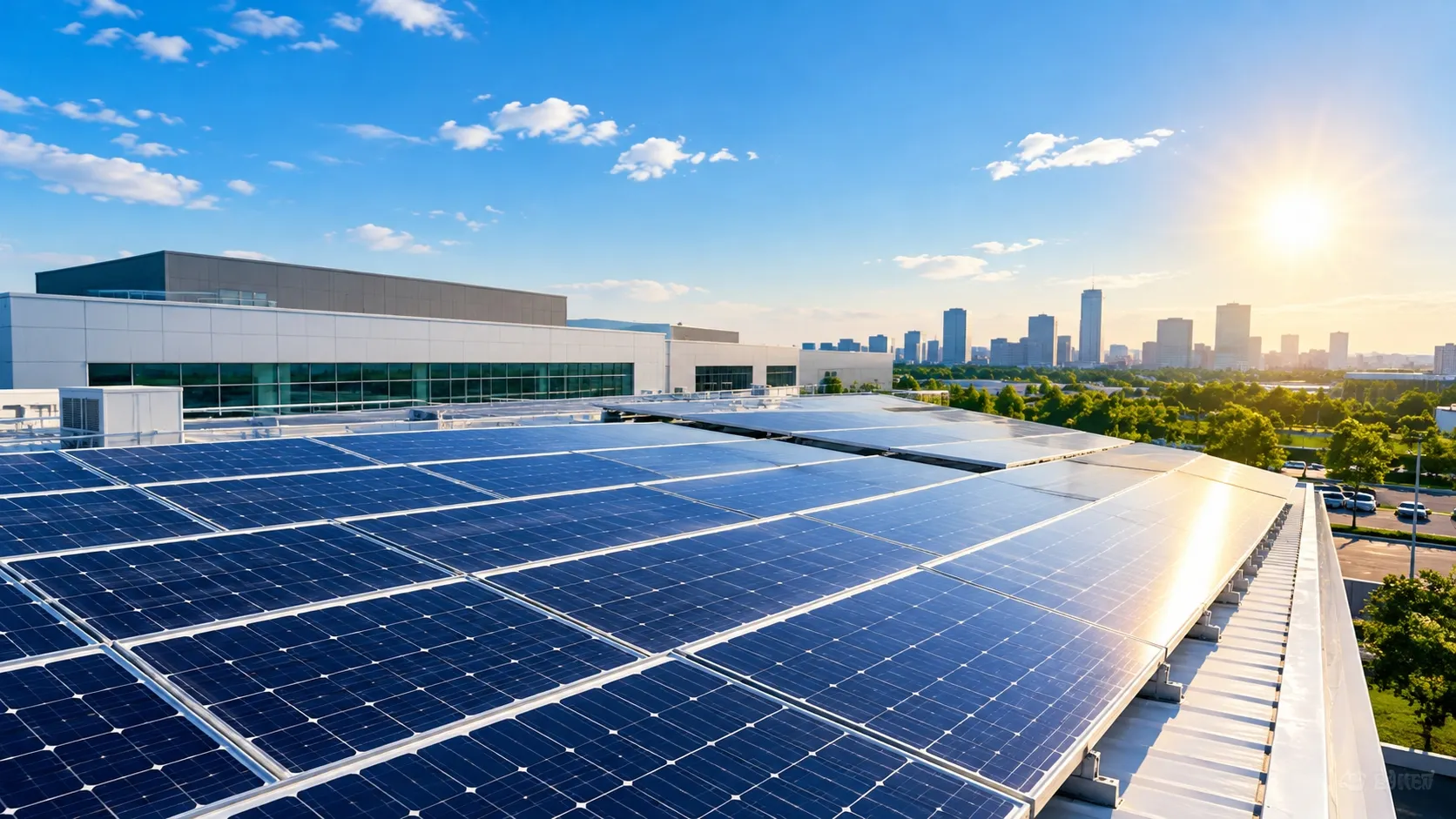
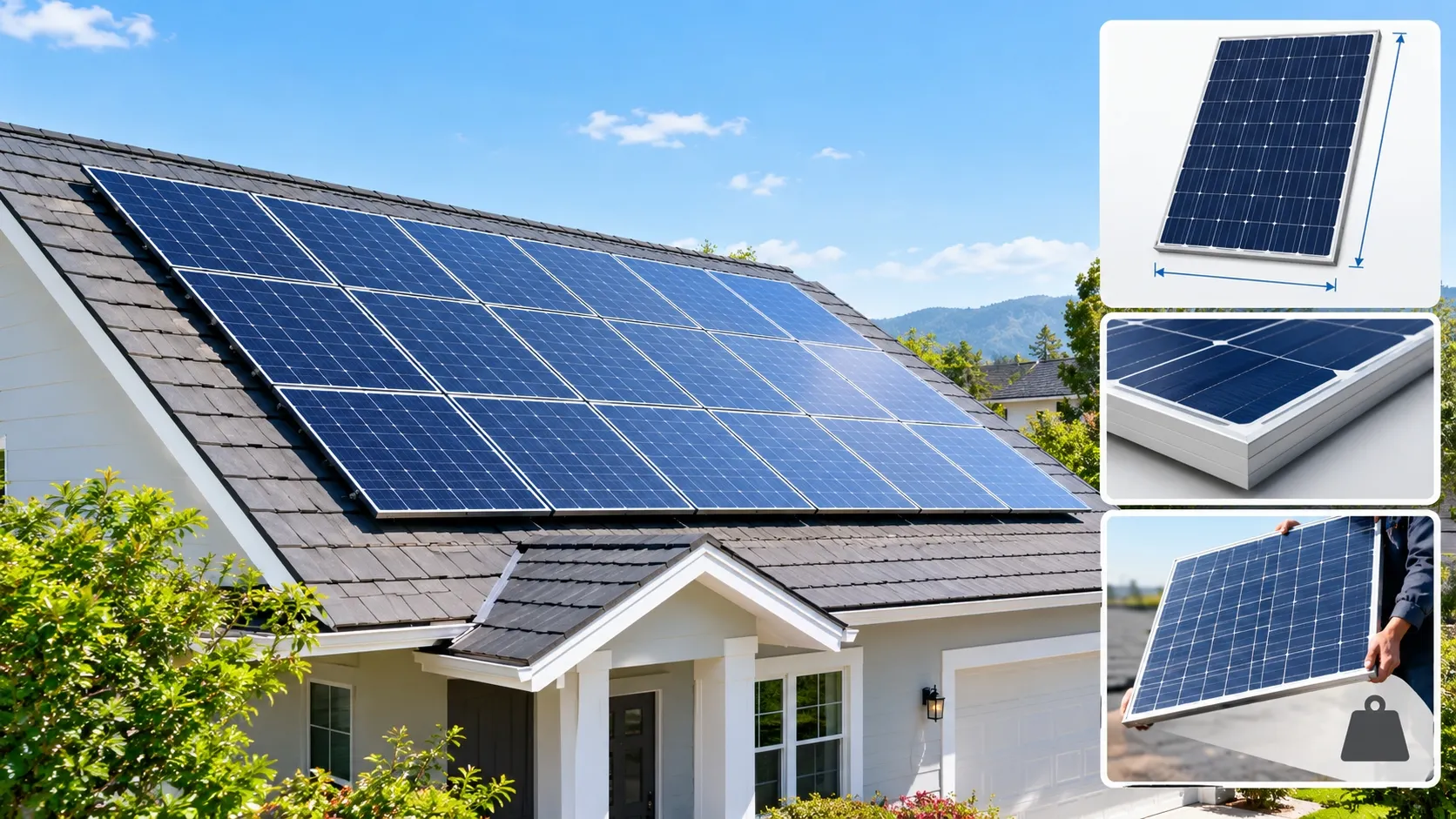
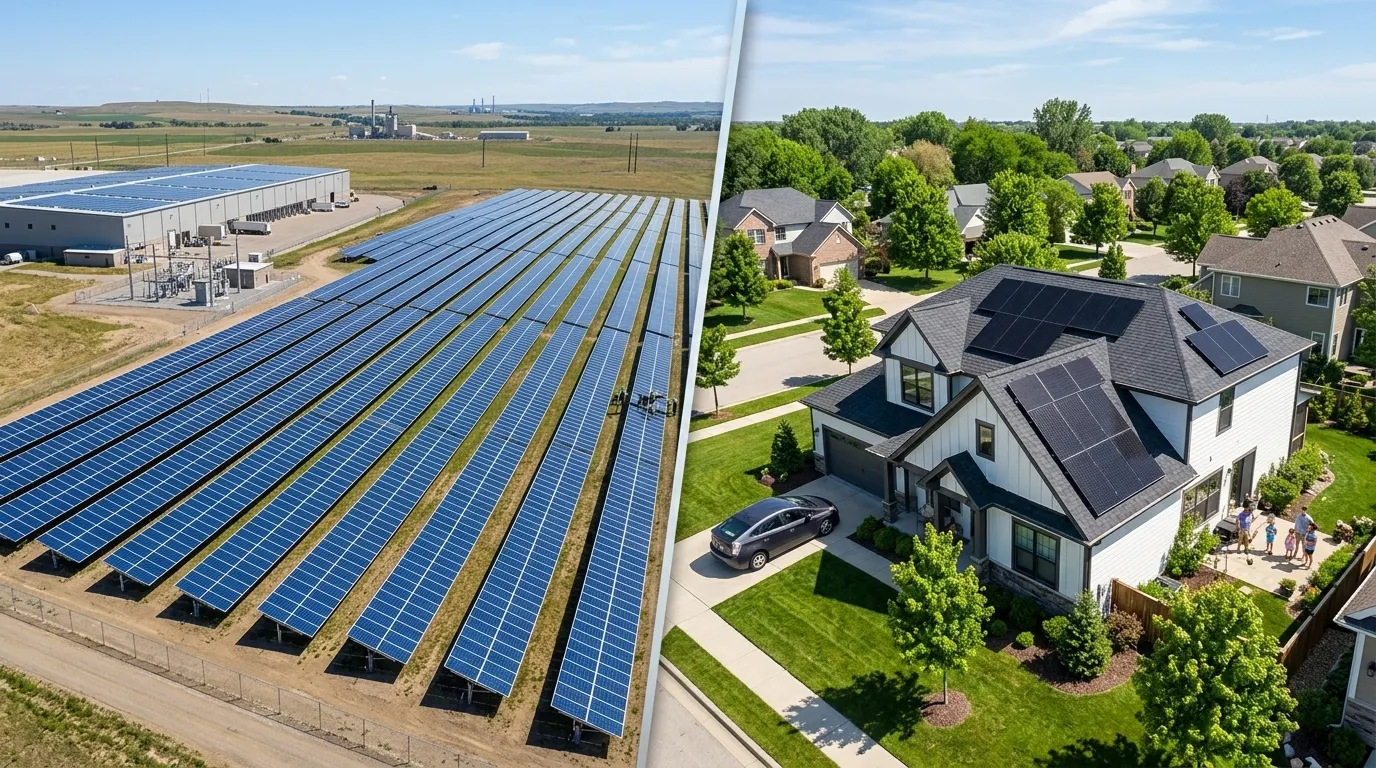
One of the most critical purchases that you'll make for your home solar power installation is the inverter. Most household appliances require AC electricity, while solar panels produce DC electricity. The inverter transforms the power into a useful form for the system and has a huge impact on the efficiency, reliability, system monitoring, and performance of the system over its lifetime.
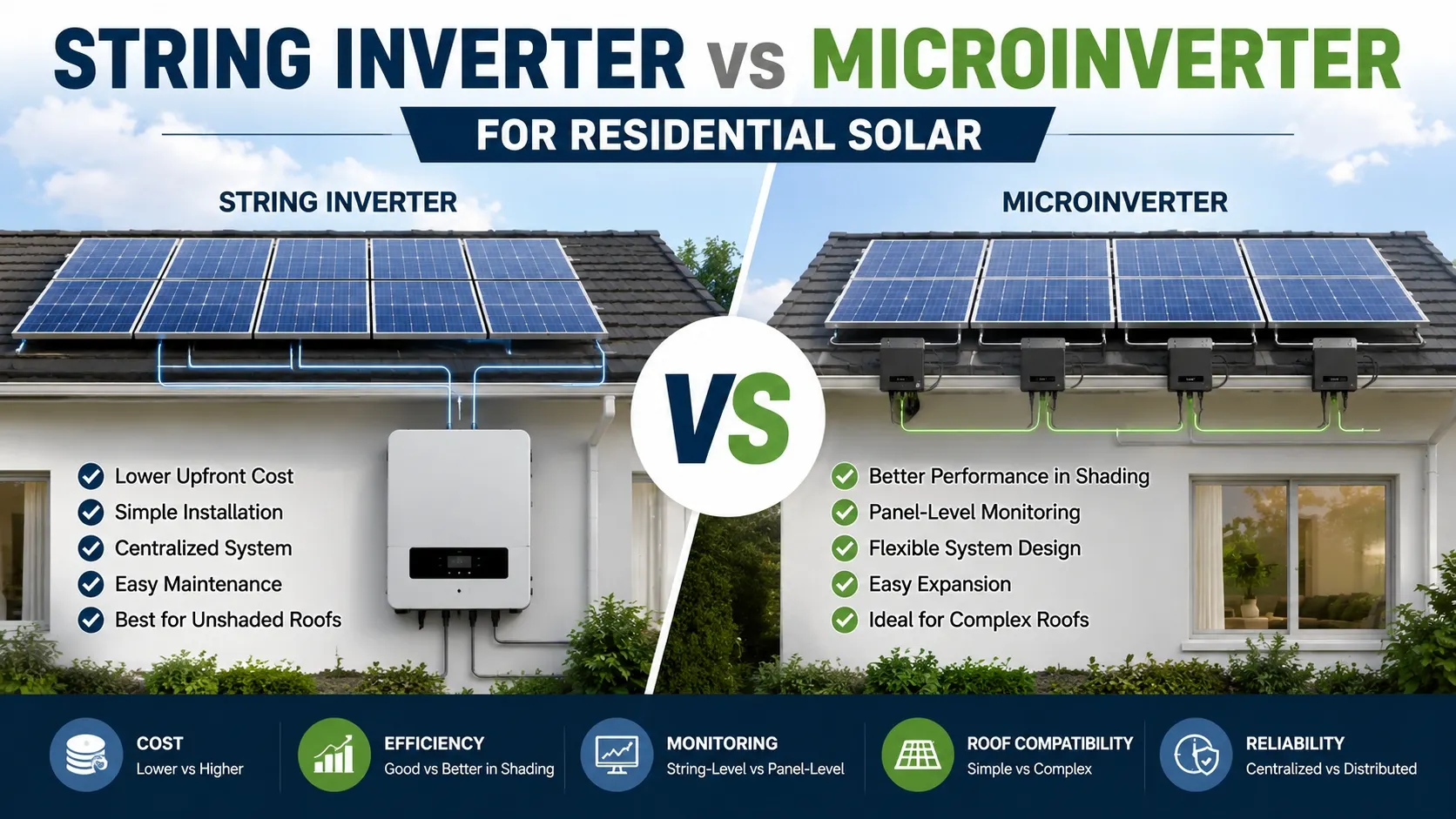
When considering a string vs microinverter for residential solar systems, the decision will depend on roof design, shading, budget, system size, and future expansion plans.
This guide will discuss the major differences between string inverter and microinverter to decide which type of solar inverter is suitable for your home.
What Is a String Inverter?
String inverter is a central type inverter, which is connected with a string, or group, of solar panels. The panels are wired in series, and the total DC power is delivered to the inverter which turns it into AC power.
String inverters are one of the most widely used solutions for residential solar systems, as they are relatively simple and inexpensive.
Advantages of String Inverters
Lower upfront cost: A single string inverter can serve multiple solar panels, reducing the amount of inverter equipment required.
Simple installation: With fewer electronic components installed on the roof, installation and maintenance can be relatively straightforward.
Easy maintenance: The inverter is usually installed in an accessible location, such as a garage, utility room, or exterior wall.
High efficiency: Modern string inverters can achieve high conversion efficiency under suitable operating conditions.
Limitations of String Inverters
The main disadvantage is that solar panels in the same string can affect one another. If one panel experiences significant shading, dirt, or performance loss, the output of the entire string may be reduced.
This makes string inverters particularly suitable for homes with unshaded roofs and panels facing the same direction.
What Is a Microinverter?
A microinverter is a small inverter installed directly behind or near each solar panel. Instead of sending DC electricity from multiple panels to one centralized inverter, each panel converts its own electricity from DC to AC.
This panel-level architecture provides more independent control over solar production.
Advantages of Microinverters
Better performance under partial shading: If one panel is shaded, other panels can continue producing electricity independently.
Panel-level monitoring: Homeowners can monitor the performance of individual solar panels, making it easier to identify problems.
Flexible system design: Microinverters work well with roofs that have multiple orientations, different roof angles, or complex layouts.
Easy future expansion: Some microinverter systems can make it easier to add additional panels later, depending on system design and electrical requirements.
Limitations of Microinverters
The biggest disadvantage is generally the higher upfront equipment cost. Since each panel requires its own microinverter, there are more electronic components installed on the roof.
Roof-level components can also be more difficult to access if maintenance or replacement is required.
String Inverter vs Microinverter: Key Differences
| Feature | String Inverter | Microinverter |
|---|---|---|
| Installation | Centralized | Panel-level |
| Upfront Cost | Usually lower | Usually higher |
| Shading Performance | More affected | Better |
| Panel Monitoring | Usually system/string level | Panel level |
| Roof Design | Best for simple roofs | Excellent for complex roofs |
| Maintenance | Centralized and accessible | Components distributed across roof |
| Expansion | Depends on inverter capacity | Often flexible |
| Best For | Unshaded, simple roofs | Shaded or complex roofs |
Which Is More Efficient: String Inverter or Microinverter?
The answer depends on the installation environment.
On a simple roof where all solar panels receive similar sunlight, a high-quality string inverter can provide excellent performance. The centralized design can minimize equipment costs while maintaining high conversion efficiency.
However, residential roofs often have chimneys, trees, neighboring buildings, dormers, or multiple roof orientations. In these situations, microinverters can provide an advantage because each panel operates more independently.
Therefore, microinverters are often a better choice for partially shaded or complex residential solar systems, while string inverters can be highly effective for simple, unshaded installations.
String Inverter vs Microinverter: Cost Comparison
Cost is another major factor for homeowners.
A string inverter system generally requires fewer inverter units, which can reduce initial equipment and installation costs. For a larger residential solar system with a simple roof, this can make string inverters an attractive option.
Microinverter systems typically have a higher initial cost because each solar panel requires its own inverter. However, the additional investment may be worthwhile when the system has significant shading, multiple roof orientations, or a strong need for panel-level monitoring.
Instead of focusing only on the initial purchase price, homeowners should consider total system value over the expected solar system lifetime.
Which Inverter Is Better for Shaded Roofs?
If your home has significant partial shading, microinverters are generally the stronger choice.
With a traditional string inverter, panels connected in the same string can be affected when one or more panels produce less electricity. Microinverters reduce this dependency by allowing each panel to operate independently.
For example, if a tree shades two panels in the morning, the remaining panels can continue operating without being directly limited by those shaded modules.
However, professional system design is still important. The actual impact of shading depends on panel layout, inverter technology, module-level electronics, and the duration and location of the shade.
Which Is Better for a New Residential Solar System?
There is no universal winner between string inverters and microinverters.
Choose a string inverter if:
- Your roof has little or no shading.
- Most panels face the same direction.
- You want to minimize upfront costs.
- Your roof layout is relatively simple.
- You prefer centralized equipment that is easier to access.
Choose microinverters if:
- Your roof has partial shading.
- Panels face multiple directions.
- Your roof has several roof planes.
- You want panel-level monitoring.
- You prioritize independent panel performance.
- You may want greater flexibility for future expansion.
String Inverter vs Microinverter: Which Should You Choose?
So many homeowners have to decide on the roof – and that's not just about picking the "better" tech.
For a residential solar system application that gets consistent sunlight and has a fairly simple roof structure, a string inverter may be the most cost effective option. Delivers a centralized installation, ease of maintenance and affordable system costs.
A microinverter may be more suitable for homes that are shaded, have an irregular roof and/or several panel orientations. Its panel-level design can enhance system flexibility and offer in-depth monitoring.
The ideal home solar inverter is one that is consistent with the attributes of the house. Prior to buying, consider the following: roof orientation, shading, electricity usage, system size, local ordinances, installation expenses, and long-term energy objectives.
Frequently Asked Questions
Are microinverters better than string inverters?
Not necessarily. Microinverters can be better for shaded or complex roofs, while string inverters can offer excellent performance and lower costs on simple, unshaded roofs.
Do microinverters produce more electricity?
They can produce more total energy in certain installations, particularly when individual panels experience different levels of sunlight or partial shading. On an unshaded roof with uniform conditions, the difference may be smaller.
Which inverter lasts longer?
Both technologies can provide long-term service when properly designed and installed. Actual lifespan depends on product quality, operating conditions, installation, and maintenance.
Are microinverters worth the extra cost?
They can justify the extra cost if your roof has shading, multiple orientations, and/or if you need panel-level monitoring. It may be more cost effective to install a string inverter with a simple roof.
Final Takeaway
There is no clear winner between string inverter and micro inverter in residential solar systems. The low upfront cost and concentrated design of string inverters make them an attractive option for simple, unshaded roofs. Microinverters provide increased PV panel-level independence, which can be especially beneficial in shady and complex residential applications.
It should be determined by your roof, solar system design, budget and long-term energy needs. Your solar installer will be able to assess all of these factors and then work out the best inverter architecture for your house.
Share on Social:


In This Article
- 1 What Is a String Inverter?
- 2 What Is a Microinverter?
- 3 String Inverter vs Microinverter: Key Differences
- 4 Which Is More Efficient: String Inverter or Microinverter?
- 5 String Inverter vs Microinverter: Cost Comparison
- 6 Which Inverter Is Better for Shaded Roofs?
- 7 Which Is Better for a New Residential Solar System?
- 8 String Inverter vs Microinverter: Which Should You Choose?
- 9 Frequently Asked Questions
- 10 Final Takeaway
