


Solar Energy vs Diesel Generator: Cost and Benefits
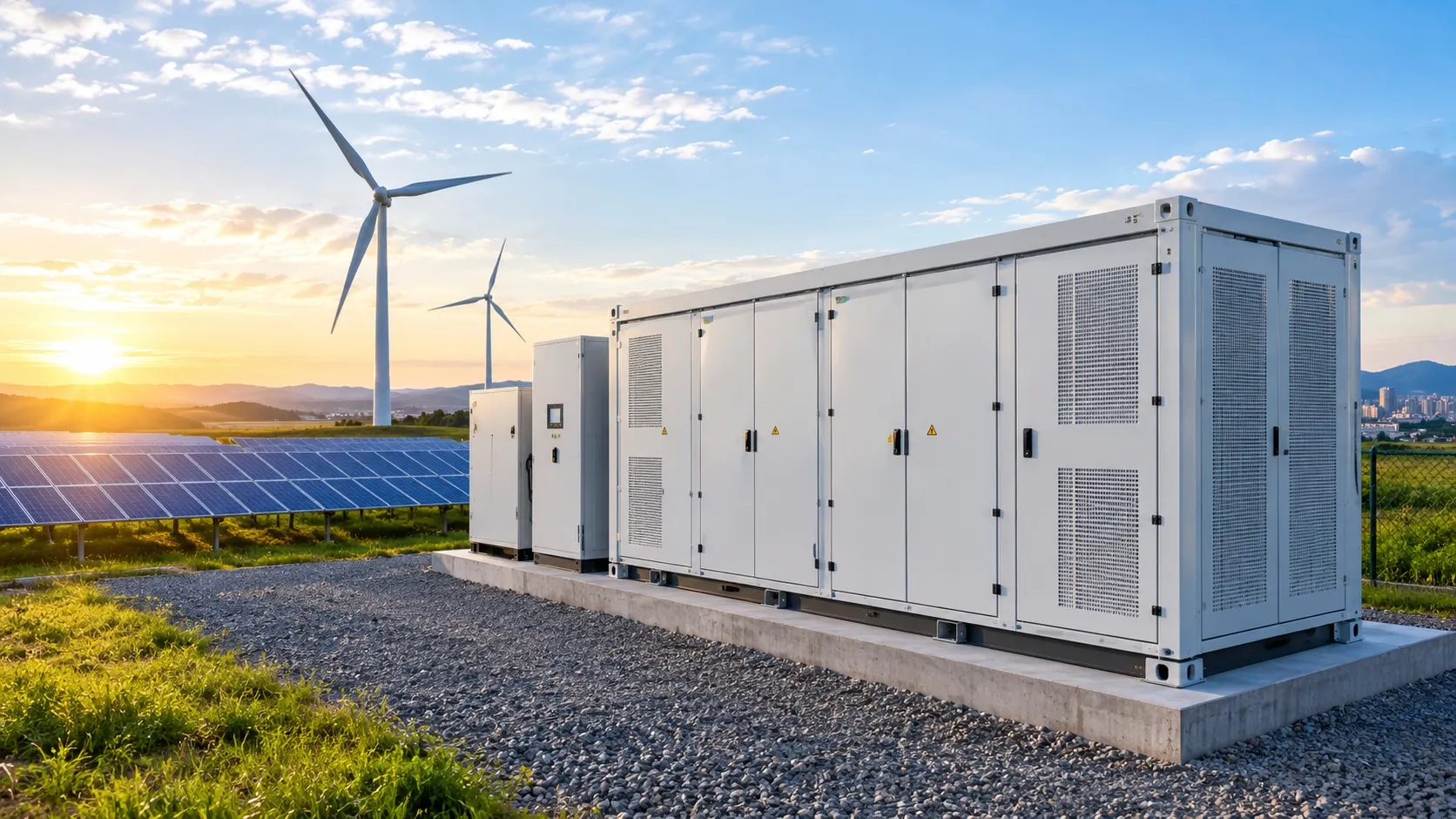
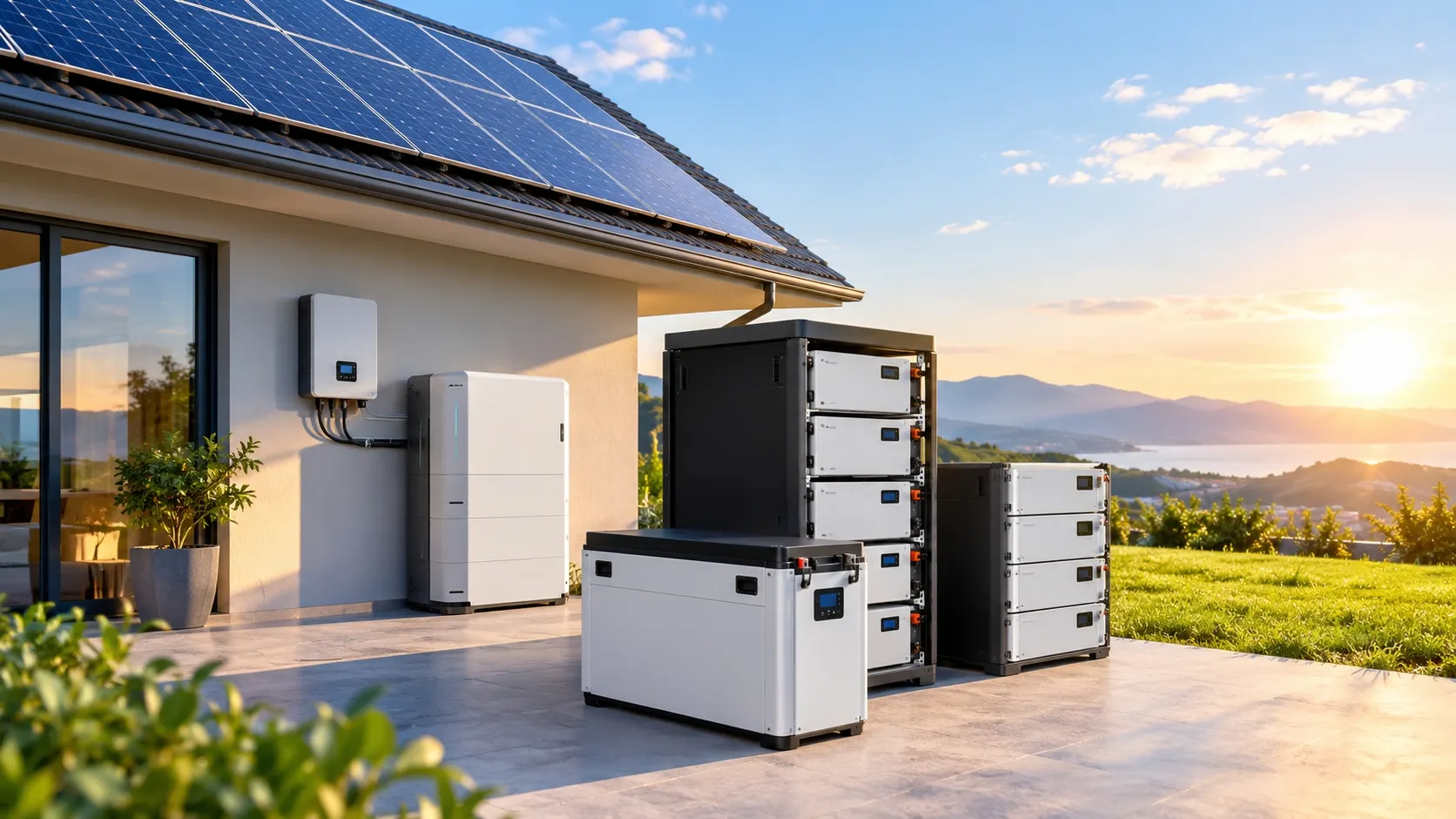
When a business, home or factory requires dependable electricity, one of the two options is to install a solar energy system or a diesel generator. Both technologies have the potential to generate power on their own, but they differ in several aspects: operating cost, environmental impact, maintenance needs, and the value they offer.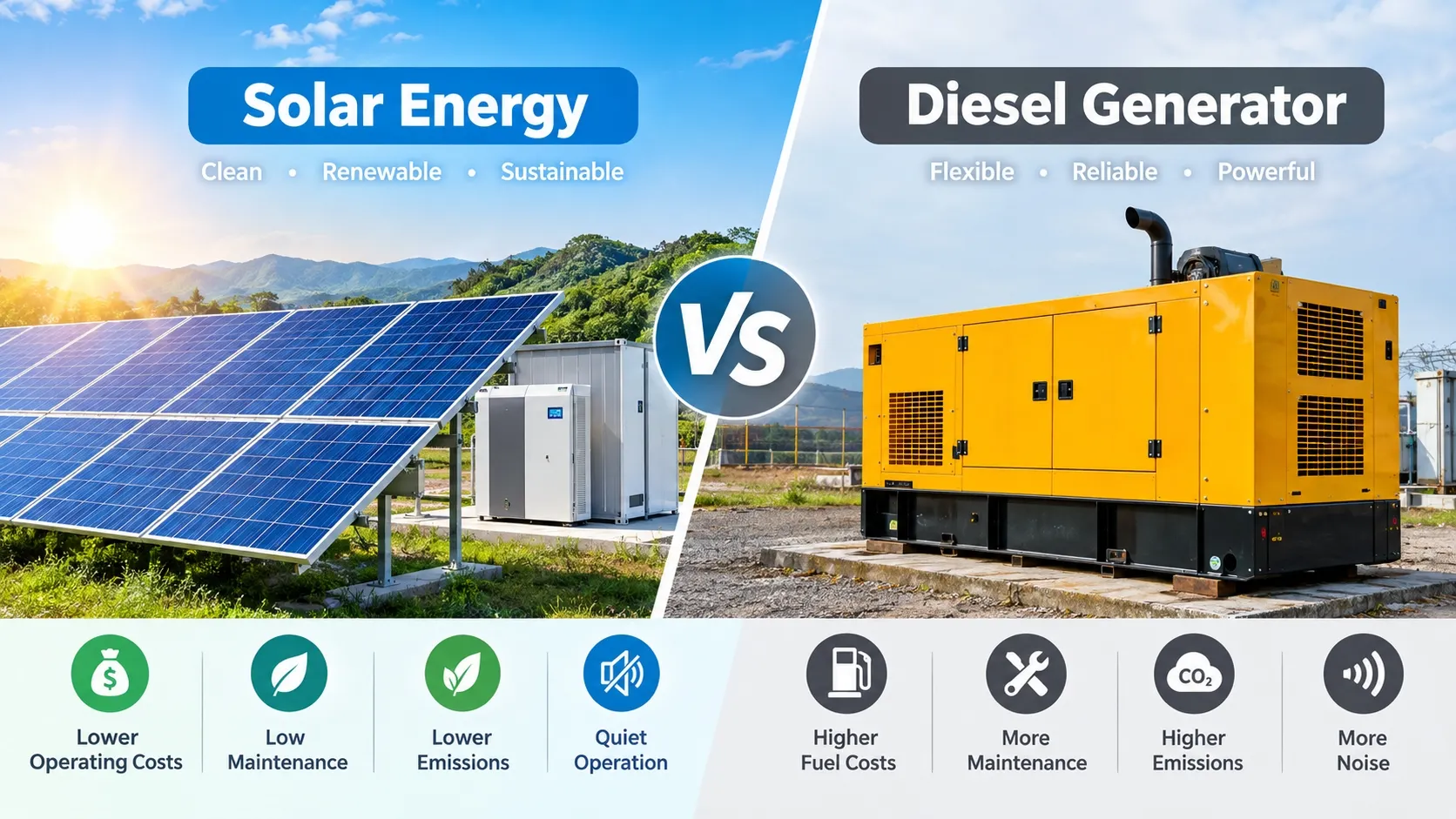
With energy costs rising and falling and the search for alternative power sources for businesses, the topic of solar power vs diesel generator is gaining more traction than ever. Whereas, a diesel generator has been the conventional solution for back-up power and off-grid systems, solar power plus battery storage is becoming a viable alternative for many applications.
This article will provide a comparison of the costs and benefits of solar energy versus diesel generators so you can select the proper power solution for your home, business, industrial facility or remote project.
What Is Solar Energy?
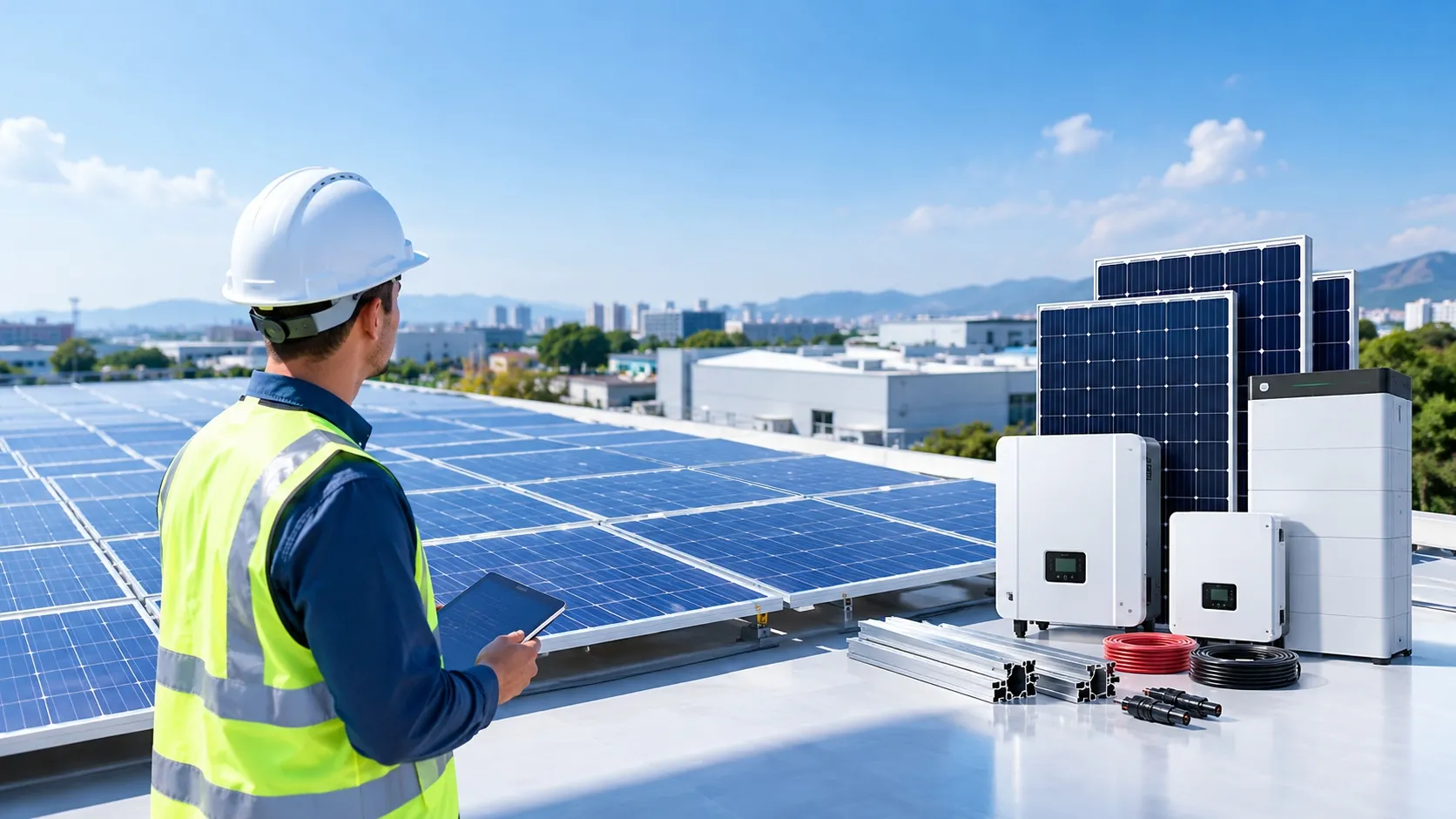
PV is a technology that generates electricity from sunlight. A typical solar power system could consist of:
- Solar panels
- Solar inverters
- Mounting structures
- Energy storage batteries
- Charge controllers
- Monitoring systems
The solar electricity can be used in the grid connected system, off-grid system, or hybrid system. Solar can provide electricity at night or when the sun is not shining, when combined with batteries.
Solar power is a sustainable source of energy that can be used for businesses and homes to cut down on their reliance on conventional electricity and fossil fuels.
What Is a Diesel Generator?
A diesel generator produces electricity by using a diesel engine to drive an electrical generator. Diesel generators are widely used for:
- Emergency backup power
- Construction sites
- Remote industrial facilities
- Telecommunications stations
- Hospitals
- Data centers
- Mining operations
- Off-grid locations
Diesel generators are popular because they can provide electricity whenever fuel is available. They can also deliver large amounts of power quickly, making them suitable for applications with high and unpredictable electricity demand.
However, diesel generators require continuous fuel purchases and regular maintenance, which can increase their long-term operating costs.
Solar Energy vs Diesel Generator: Initial Cost
One of the biggest differences between solar energy and diesel generators is the initial investment.
Solar Energy Initial Cost
A solar energy system usually requires a higher upfront investment. The total cost depends on several factors, including:
- System capacity
- Number of solar panels
- Type of inverter
- Battery storage capacity
- Installation requirements
- Location
- Energy consumption
Adding solar batteries increases the initial investment, especially for off-grid or backup power systems.
However, once the system is installed, sunlight is free. This creates an important long-term financial advantage.
Diesel Generator Initial Cost
A diesel generator often has a lower initial purchase cost compared with a complete solar and battery system of similar power capacity.
Businesses can purchase and install a generator relatively quickly. This makes diesel generators attractive for emergency situations, temporary projects, and locations where immediate power is required.
However, the purchase price is only part of the total cost. Fuel, maintenance, repairs, and replacement components can significantly increase the lifetime cost of a diesel generator.
Operating Cost Comparison
Solar Energy Operating Costs
Solar energy has extremely low operating costs after installation.
Solar panels generate electricity from sunlight without requiring fuel. The main ongoing expenses may include:
- Occasional cleaning
- System inspections
- Inverter replacement after many years
- Battery maintenance or replacement, depending on battery technology
Modern solar panels are designed to operate for decades, making solar energy an attractive long-term investment.
For facilities with high daytime electricity consumption, solar power can significantly reduce energy bills and improve energy independence.
Diesel Generator Operating Costs
Diesel generators require fuel every time they operate. Fuel costs can become one of the largest expenses, especially for generators that run for many hours each day.
Operating costs can include:
- Diesel fuel
- Engine oil
- Filters
- Maintenance
- Repairs
- Replacement parts
- Transportation of fuel to remote locations
Diesel prices can also fluctuate depending on global energy markets and local supply conditions. This makes long-term energy budgeting more difficult.
For continuous power generation, a diesel generator can become expensive over time.
Maintenance Requirements
Maintenance is another important factor when comparing solar energy vs diesel generators.
Solar System Maintenance
Solar power systems generally have fewer moving parts. Solar panels themselves require relatively little maintenance.
Regular maintenance may include:
- Cleaning panels when necessary
- Checking electrical connections
- Monitoring system performance
- Inspecting mounting equipment
Lithium battery storage systems also require less routine maintenance than many traditional energy storage technologies.
Because solar systems have fewer mechanical components, maintenance costs are generally lower than those of diesel generators.
Diesel Generator Maintenance
Diesel generators contain mechanical engines that require regular servicing.
Typical maintenance tasks include:
- Oil changes
- Filter replacement
- Fuel system inspections
- Engine maintenance
- Cooling system checks
- Battery inspection
- Load testing
Generators that operate frequently may require more intensive maintenance schedules.
If maintenance is neglected, generator reliability can decrease, leading to unexpected downtime and expensive repairs.
Environmental Benefits
Environmental impact is one of the most significant advantages of solar energy.
Solar Energy Benefits
Solar panels generate electricity without burning fossil fuels during operation.
This helps reduce:
- Carbon emissions
- Air pollution
- Fuel consumption
- Noise pollution
Solar energy can help companies improve their sustainability strategies and reduce their environmental footprint.
For businesses working toward ESG goals or sustainability targets, solar energy can support long-term environmental initiatives.
Diesel Generator Environmental Impact
Diesel generators burn fossil fuel to produce electricity.
Their operation can produce:
- Carbon dioxide
- Nitrogen oxides
- Particulate emissions
- Noise
In densely populated areas, noise and air pollution can create additional challenges.
Businesses may also face stricter environmental regulations as governments continue to encourage cleaner energy technologies.
Reliability and Power Availability
Reliability is essential for critical applications.
Solar Energy Reliability
Solar energy production depends on sunlight. Electricity generation is highest during sunny daytime hours and lower during cloudy conditions.
However, modern energy storage systems can significantly improve reliability.
A solar battery storage system can store excess electricity generated during the day and supply power when solar production decreases.
Hybrid solar systems can also combine multiple energy sources, such as:
- Solar panels
- Battery storage
- Grid electricity
- Backup generators
This combination can provide greater energy security.
Diesel Generator Reliability
Diesel generators can operate day or night and are not dependent on weather conditions.
As long as sufficient fuel is available and the generator is properly maintained, it can provide electricity when needed.
This makes diesel generators useful for emergency backup power and high-power industrial applications.
However, reliability depends on fuel availability and mechanical condition.
Noise Comparison
Solar energy systems operate quietly.
Solar panels have no engines or moving mechanical components that create significant noise. This makes solar power suitable for:
- Residential areas
- Hotels
- Schools
- Offices
- Resorts
- Hospitals
Diesel generators can produce significant noise during operation.
Although soundproof generator enclosures can reduce noise levels, they may increase equipment costs.
For locations where quiet operation is important, solar energy and battery storage offer a major advantage.
Long-Term Cost Benefits
The biggest advantage of solar energy often appears over the long term.
Although the initial investment may be higher, solar systems can provide electricity for many years with relatively low operating expenses.
Diesel generators may have a lower upfront cost, but continuous fuel purchases and maintenance can create high lifetime expenses.
For facilities with regular electricity demand, solar power can provide better long-term value.
The financial benefits become especially attractive when electricity or diesel fuel prices increase.
When Is Solar Energy the Better Choice?
Solar energy may be the better option when:
- Long-term operating costs are important
- Daytime electricity consumption is high
- Environmental sustainability is a priority
- Quiet operation is required
- Fuel transportation is expensive
- The project has long-term energy requirements
- Battery storage is available
Solar systems are particularly effective for homes, commercial buildings, factories, farms, and remote facilities with predictable energy consumption.
When Is a Diesel Generator the Better Choice?
A diesel generator may be more suitable when:
- Immediate power is required
- Electricity demand is temporary
- Very high power output is needed
- Backup power is required for emergencies
- The project operates in a location with limited solar exposure
- Fuel logistics are practical
Diesel generators remain an important solution for emergency and industrial power applications.
The Best Solution: Solar + Battery + Diesel Generator
Many times, it is not about selecting one kind of energy, solar or diesel generator, but about finding a balance.
A hybrid system may include both a solar PV system with a lithium battery storage system and a diesel generator.
During the day, using the solar panels, electricity is made and charged to batteries. The batteries can be used during the night or times of reduced solar generation.
The diesel generator will only be used if extra backup power is required.
This strategy can aid in minimizing the following:
- Diesel consumption
- Fuel costs
- Generator operating hours
- Maintenance requirements
- Carbon emissions
Hybrid energy systems are becoming increasingly popular for remote facilities, telecommunications sites, commercial operations, and industrial projects.
Conclusion
The balance of solar energy vs diesel generator cost and benefits will depend on the power needs, geographic location, budget, and long-term energy goals.
Fuel costs and maintenance expenses over time may make diesel generators costly and when set up initially, they are relatively easy and flexible to use and provision.
The initial cost of solar power, particularly with battery storage, is higher. It does have lower operating costs, quieter running, less impact on the environment, and is more valuable for the long run, though.
A hybrid system—solar panels, battery energy storage, and diesel backup power—can deliver the most reliable and cost-effective solution for many businesses and remote power applications.
With the development of renewable energy technology, solar energy and energy storage are playing an ever greater role in alternative electricity generation to the use of diesel. By adopting modern solar and battery technologies, businesses can lower energy expenses, increase energy resilience, and contribute to a more sustainable energy future.
Share on Social:


In This Article
- 1 What Is Solar Energy?
- 2 What Is a Diesel Generator?
- 3 Solar Energy vs Diesel Generator: Initial Cost
- 4 Operating Cost Comparison
- 5 Maintenance Requirements
- 6 Environmental Benefits
- 7 Reliability and Power Availability
- 8 Noise Comparison
- 9 Long-Term Cost Benefits
- 10 When Is Solar Energy the Better Choice?
- 11 When Is a Diesel Generator the Better Choice?
- 12 The Best Solution: Solar + Battery + Diesel Generator
- 13 Conclusion
