


Home Solar System vs Commercial Solar System
Solar power is one of the most vital solutions to help lower electricity bills and create a more sustainable energy future. In the modern-day, homeowners, businesses, factories, warehouses, farms, and commercial establishments in many parts of the globe are using solar power.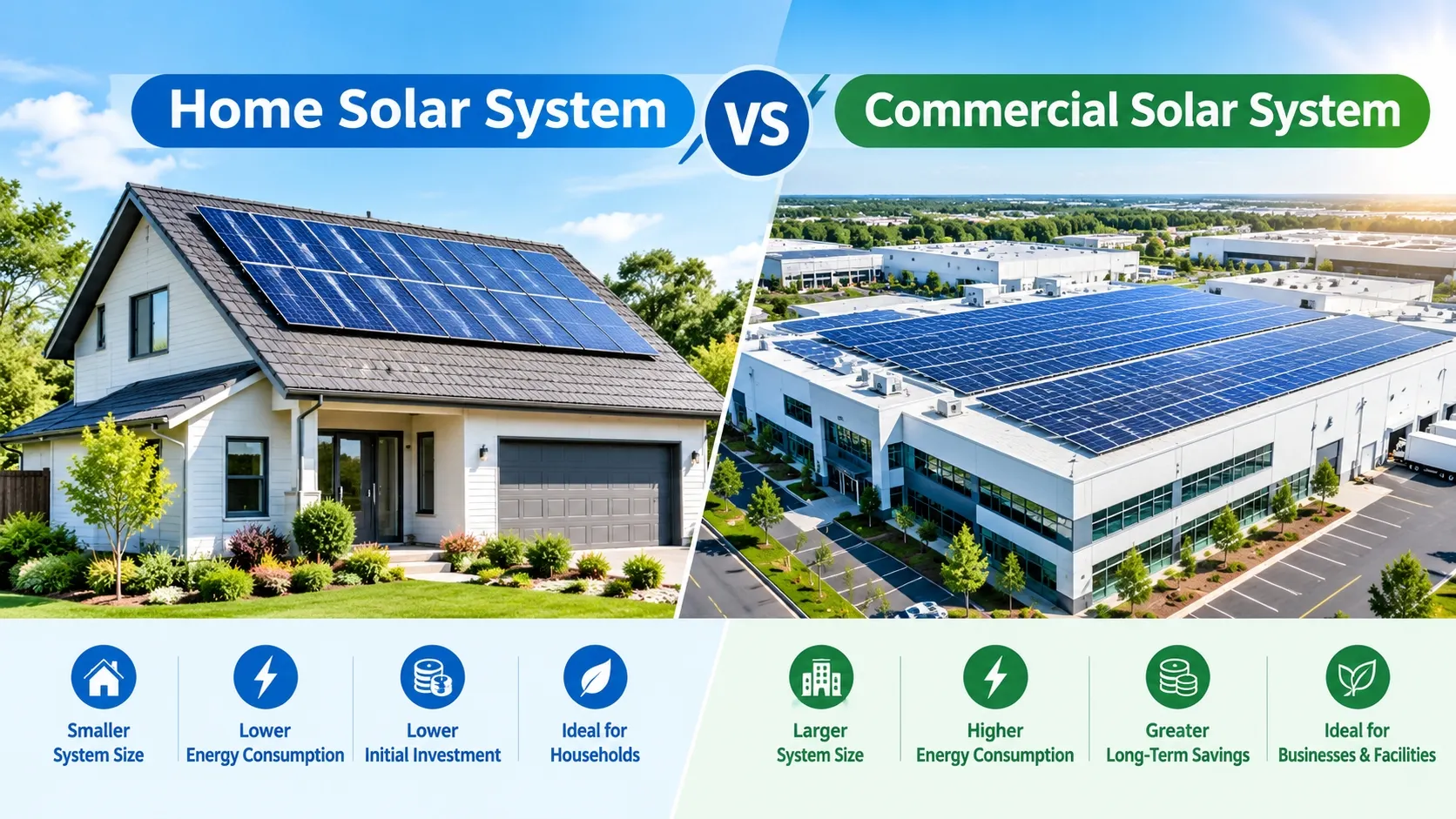
But not every solar power system is meant to be used for the identical reason. There may be many variations between a residential solar system and a commercial solar system when it comes to their size, energy usage, equipment needs, installation methods, solar installation costs, and solar project return on investment.
When you're thinking about making your home or business go solar, it can be helpful to know the differences between a home solar system vs commercial solar system so you can make the right decision.
This guide provides an overview of the residential and commercial solar systems, their primary differences, and the possibility of an ideal solar solution for your energy needs.
What Is a Home Solar System?
Residential solar system is also known as a home solar system as it produces electricity for individual homes and residential properties.
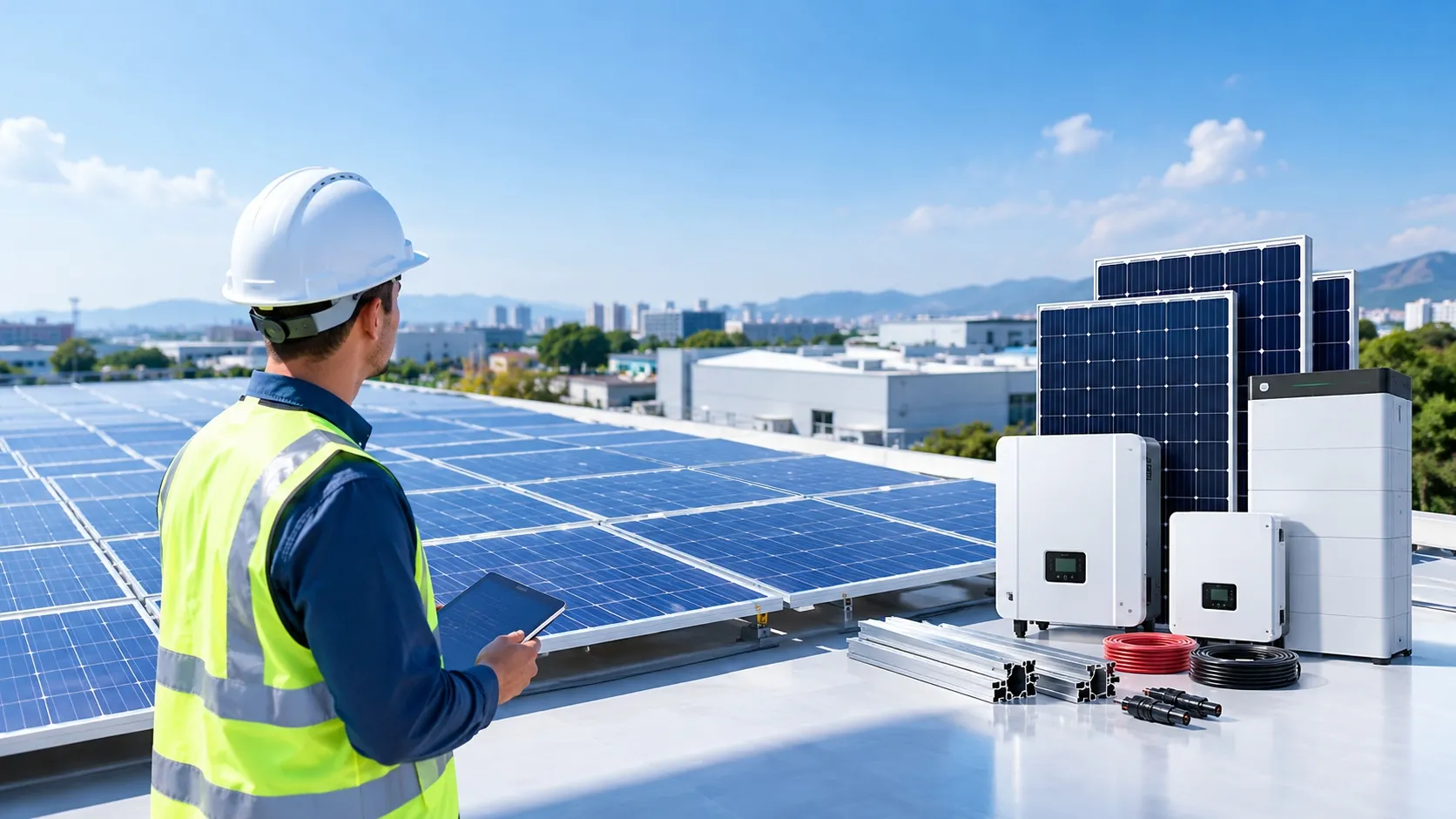
The typical residential solar system consists of:
- Solar panels
- Solar inverter
- Mounting structures
- Electrical wiring and protection equipment
- Monitoring systems
- Optional solar battery storage
The solar panels are typically mounted on the roof of the house, but in some cases, they can be placed on the ground if there is enough space.
The solar panels can produce electricity which can be used for household appliances like lighting, fridge, A/C, TV, washing machine, and electrical equipment.
Depending on the local regulations and the system design, the following can be used:
- Grid-tied solar systems
- Off-grid solar systems
- Hybrid solar systems with battery storage
A home solar system is generally designed based on the household's electricity consumption, available installation space, and local sunlight conditions.
What Is a Commercial Solar System?
A commercial solar system is designed for businesses, organizations, and larger facilities with higher electricity consumption.
Commercial solar installations can be used for:
- Office buildings
- Factories
- Warehouses
- Retail stores
- Hotels
- Schools
- Hospitals
- Farms
- Shopping centers
- Industrial facilities
Compared with residential systems, commercial solar systems are usually much larger and more complex.
A commercial installation may include hundreds or thousands of solar panels, depending on the electricity demand of the facility.
Commercial solar panels can be installed on:
- Large rooftops
- Factory buildings
- Warehouse roofs
- Parking structures
- Ground-mounted solar fields
Many businesses install commercial solar systems primarily to reduce operating expenses and protect themselves from rising electricity prices.
Home Solar System vs Commercial Solar System: System Size
One of the biggest differences between residential and commercial solar systems is system capacity.
A typical home solar system may range from a few kilowatts to several dozen kilowatts, depending on household energy consumption.
For example, a family with moderate electricity usage may install a solar system designed to offset most or all of its annual electricity demand.
A commercial solar system, on the other hand, may range from tens of kilowatts to several megawatts.
A small office building may require a relatively modest commercial installation, while a factory or industrial facility may need a much larger solar power system.
Residential Solar System
Residential systems are typically designed to support:
- Daily household electricity use
- Personal energy independence
- Lower utility bills
- Backup power when combined with batteries
Commercial Solar System
Commercial systems are typically designed to support:
- Large-scale electricity consumption
- Business operations
- Manufacturing equipment
- Lighting systems
- HVAC systems
- Long-term operating cost reduction
Because businesses generally consume more electricity than individual households, commercial solar systems require larger equipment and more advanced engineering.
Differences in Energy Consumption
Another important difference between a home solar system and a commercial solar system is the electricity consumption pattern.
Homes often experience their highest electricity demand during mornings and evenings when residents are using appliances, cooking, heating, cooling, and charging electronic devices.
Commercial facilities may have completely different energy usage patterns.
For example, offices and factories often consume the most electricity during daytime working hours. This can make solar energy particularly attractive because solar panels produce the most electricity during daylight hours.
A commercial solar system can therefore directly offset electricity used by equipment and operations while the business is active.
Understanding the energy consumption profile is essential when designing both residential and commercial solar systems.
Solar Panel Installation Differences
Residential solar panels are often installed on sloped roofs. Homeowners usually need to consider roof orientation, shading, roof condition, and available installation space.
Commercial solar installations are often installed on much larger flat rooftops or open land.
Commercial projects may use specialized mounting systems designed for:
- Flat roofs
- Large industrial buildings
- Ground-mounted installations
- Carports and parking areas
Because commercial buildings often have larger available roof areas, businesses may be able to install significantly more solar panels than residential property owners.
However, commercial installations also require more detailed structural analysis and engineering.
The building must be able to safely support the solar equipment and mounting system.
Home Solar System vs Commercial Solar System Cost
The total cost of a solar system depends on many factors, including system size, equipment selection, installation complexity, labor costs, and local regulations.
A residential solar system generally requires a lower total investment because the system is smaller.
However, the cost per watt may sometimes be higher than a large commercial project.
Commercial solar systems require a much larger initial investment because they use more equipment and involve more complex engineering and installation work.
Despite the higher upfront cost, larger commercial projects may benefit from economies of scale.
Businesses can often reduce their energy costs significantly over the long term, especially when electricity consumption is high.
When evaluating solar costs, buyers should consider more than the initial installation price.
Important factors include:
- Electricity savings
- System lifetime
- Maintenance requirements
- Energy price increases
- Available incentives
- Return on investment
Solar Battery Storage for Homes and Businesses
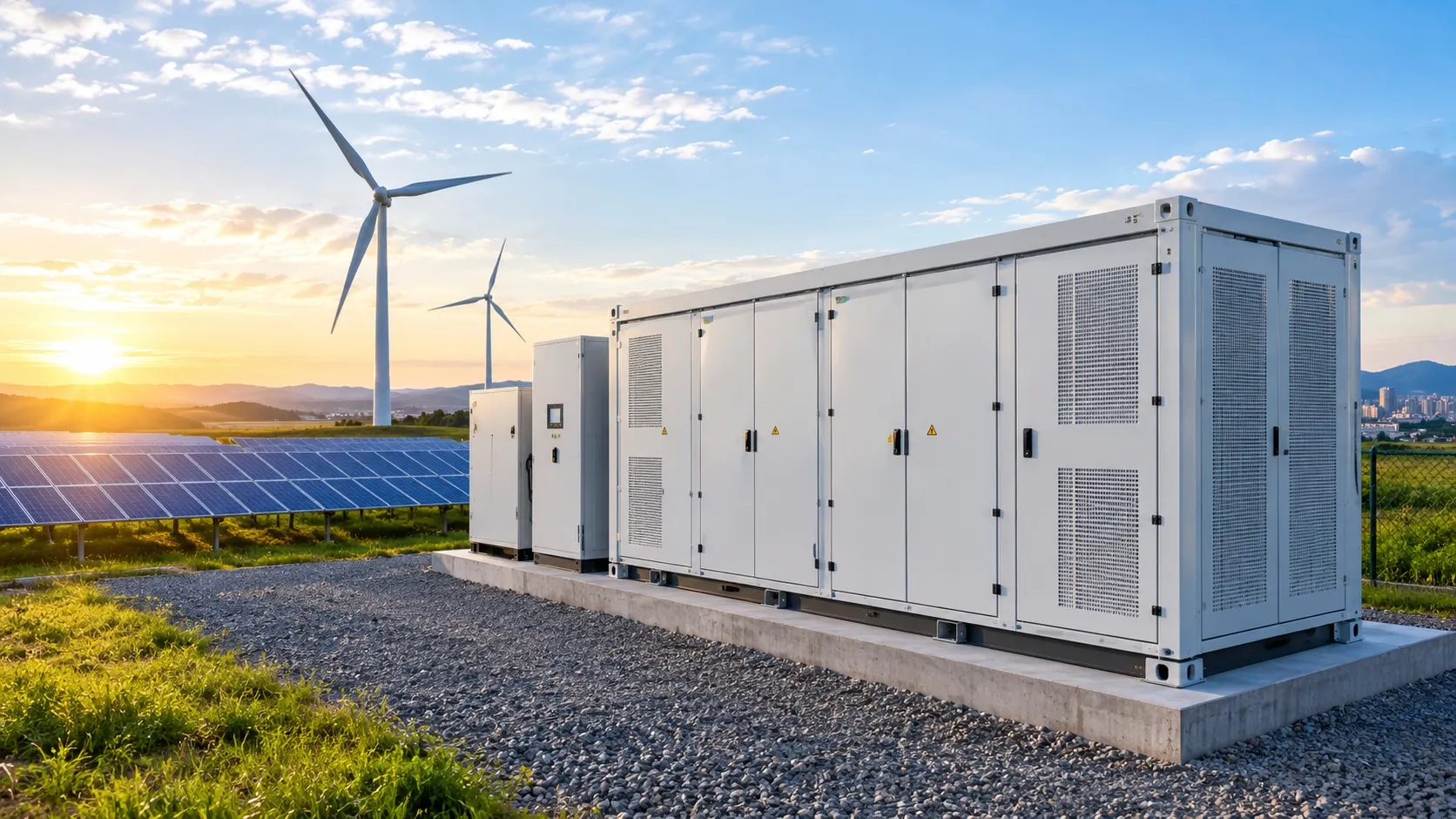
Solar battery storage can be used with both residential and commercial solar systems.
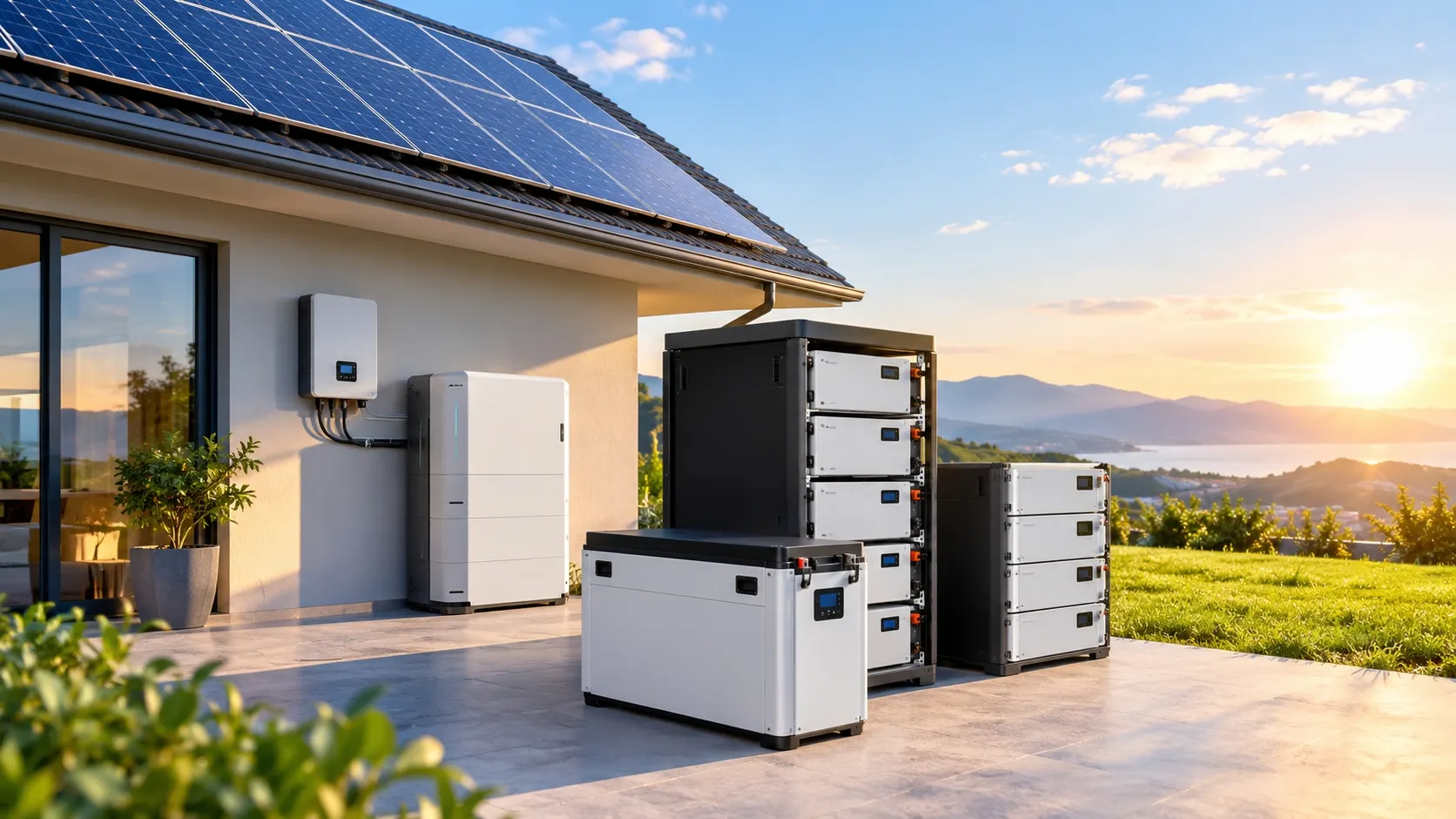
For homeowners, a solar battery can store excess electricity generated during the day for use at night.
Residential battery storage can also provide backup power during grid outages, depending on the system configuration.
Commercial battery energy storage systems can provide additional benefits for businesses.
A commercial battery system may help companies:
- Store excess solar energy
- Reduce peak electricity demand
- Improve energy management
- Provide backup power
- Increase energy independence
However, commercial battery storage systems are usually larger and require more advanced energy management systems.
Businesses should carefully analyze their energy usage before selecting a battery storage solution.
Installation and Engineering Requirements
Residential solar projects are generally simpler than commercial projects.
A home solar installation usually involves evaluating the roof, calculating household energy consumption, selecting equipment, and connecting the system to the electrical infrastructure.
Commercial solar projects often require more extensive planning.
The process may include:
- Detailed site assessments
- Structural engineering
- Electrical system analysis
- Energy consumption studies
- System design
- Utility coordination
- Safety planning
Large commercial installations may also require specialized project management and professional engineering services.
For this reason, choosing an experienced solar system supplier or installer is particularly important for commercial projects.
Return on Investment
Both residential and commercial solar systems can provide long-term financial benefits.
For homeowners, the primary benefit is usually reducing monthly electricity bills.
A properly designed residential solar system can help homeowners generate their own electricity and reduce dependence on the utility grid.
For businesses, the financial benefits can be even more significant because commercial facilities often have higher electricity expenses.
Reducing energy costs can improve a company's overall operating efficiency.
Commercial solar can also support sustainability goals and demonstrate a company's commitment to clean energy.
The actual return on investment will depend on:
- Local electricity prices
- Solar resource availability
- System size
- Installation costs
- Energy consumption
- Financing options
- Government policies and incentives
Which Solar System Is Right for You?
The best solar system depends on your specific application.
A home solar system is the right choice for homeowners who want to reduce household electricity costs, increase energy independence, or add battery backup power.
A commercial solar system is better suited for businesses and organizations with large electricity consumption and sufficient installation space.
Before choosing a solar solution, it is important to analyze:
- Your current electricity consumption
- Your available roof or land space
- Local sunlight conditions
- Your budget
- Your long-term energy goals
- Whether battery storage is needed
A professional solar assessment can help determine the appropriate system capacity and configuration.
Final Thoughts
The most significant differences between a home solar system and a commercial solar system are the size of the system, energy demand, the installation process, investment amount, and the design of the project.
Solar systems are installed for residential use and are smaller in size with smaller rooftop systems. Commercial solar systems are designed to power larger facilities, higher electricity demand, more complex operating needs.
Either choice can offer significant long-term advantages in terms of savings on the electric bill, increased energy independence, and less impact on the environment.
From homeowners seeking residential solar panels to those planning a large commercial solar installation, the selection of the appropriate system design is crucial.
With knowledge of your energy needs and the expertise of a trusted provider of solar solutions, you can design a solar energy system that provides a long-lasting value and reliable performance.
Share on Social:


In This Article
- 1 What Is a Home Solar System?
- 2 What Is a Commercial Solar System?
- 3 Home Solar System vs Commercial Solar System: System Size
- 4 Differences in Energy Consumption
- 5 Solar Panel Installation Differences
- 6 Home Solar System vs Commercial Solar System Cost
- 7 Solar Battery Storage for Homes and Businesses
- 8 Installation and Engineering Requirements
- 9 Return on Investment
- 10 Which Solar System Is Right for You?
- 11 Final Thoughts
