


Commercial Solar Panel Cleaning: A Complete Maintenance Guide
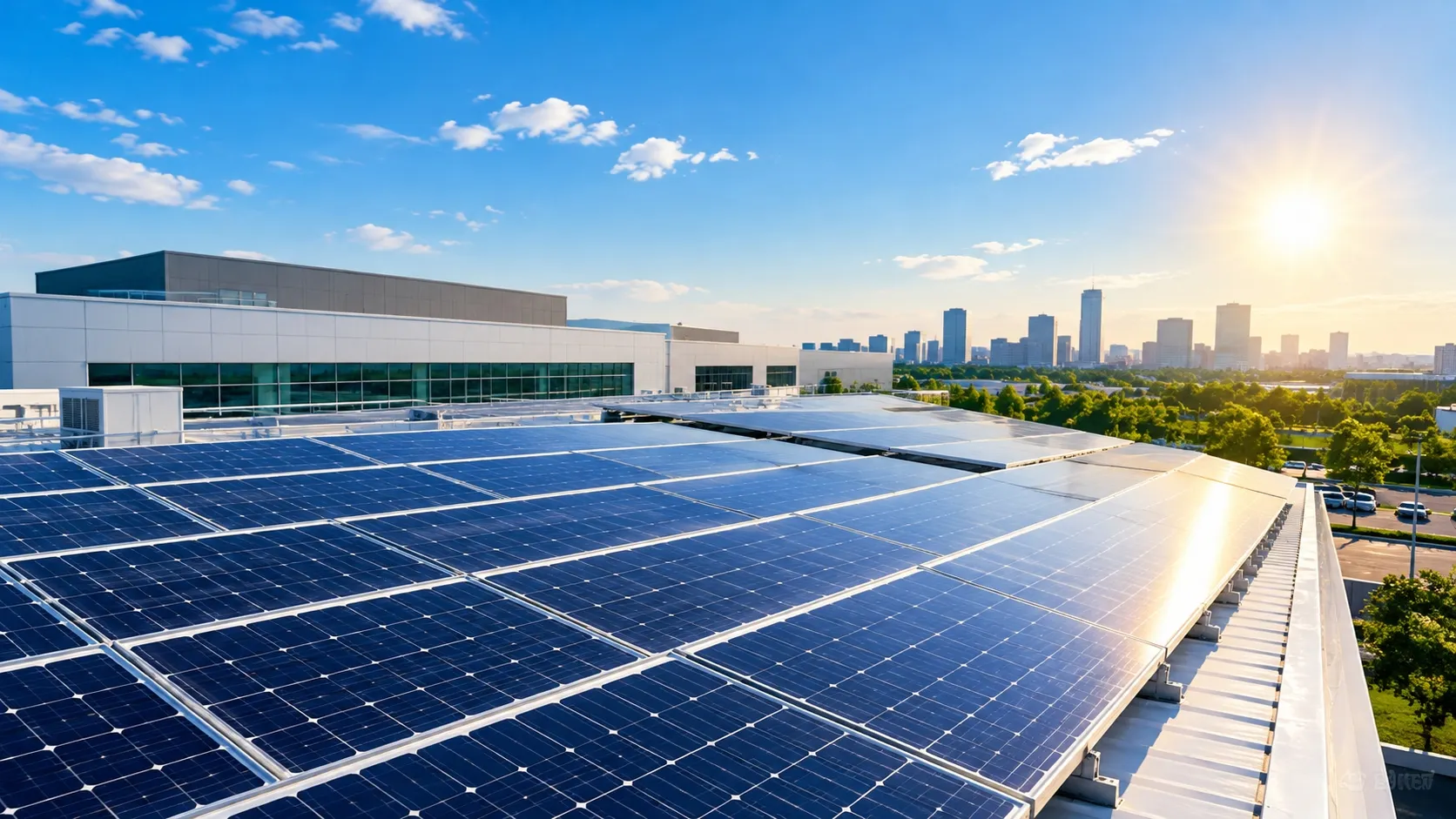
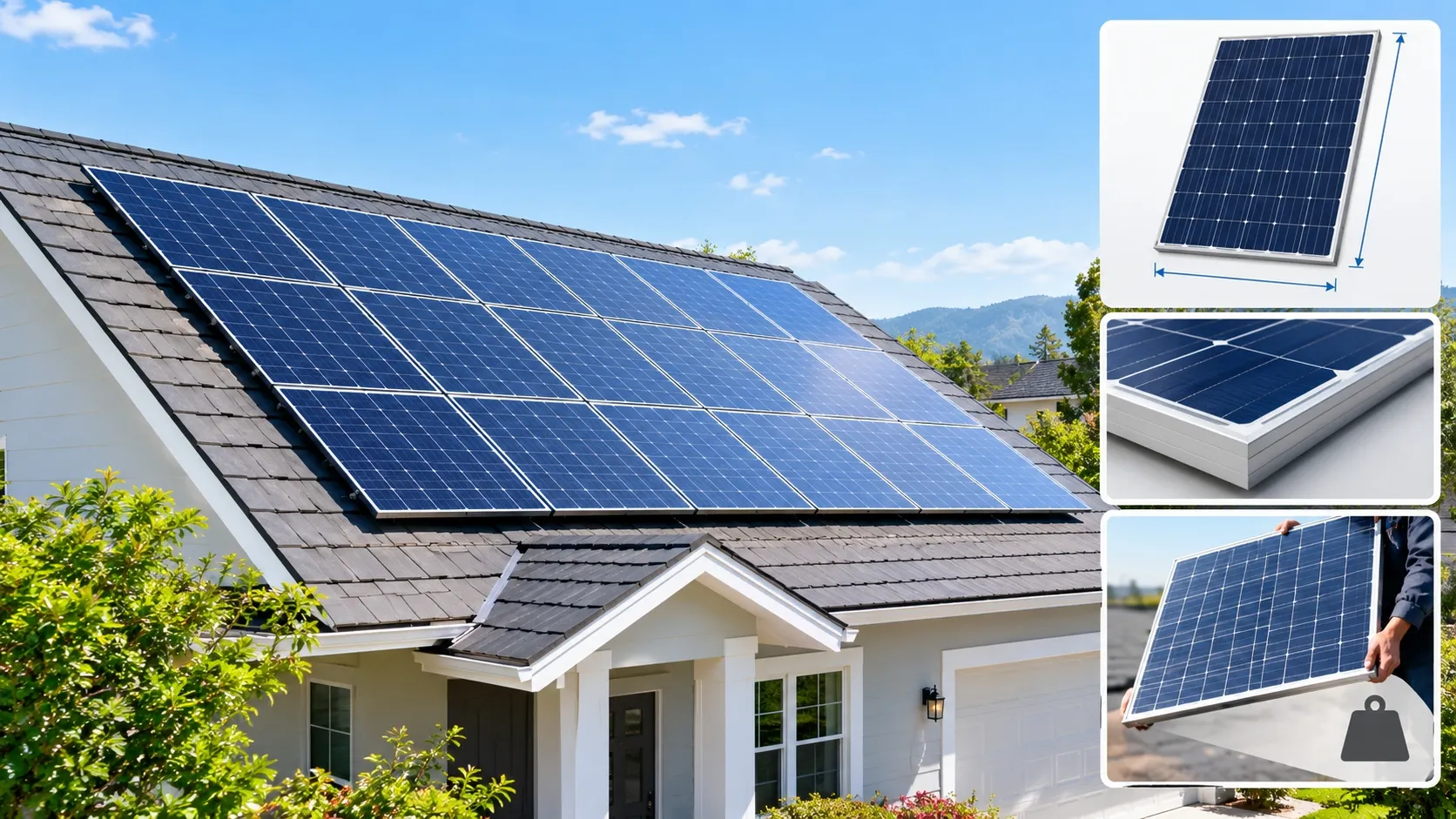
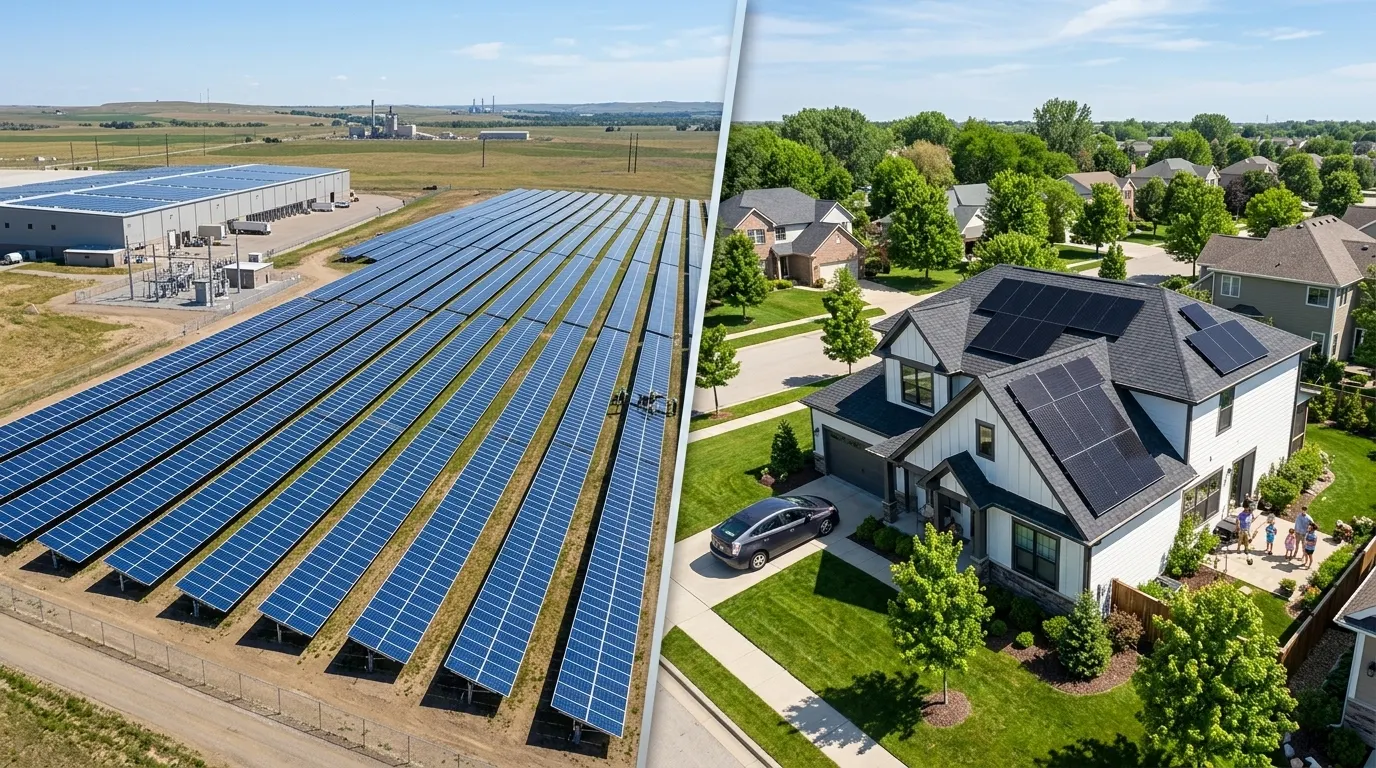
Although commercial solar panels are meant to produce clean energy for many years, their efficiency is not solely reliant on the quality of the equipment and sunlight. Photovoltaic (PV) modules can accumulate dust, pollen, bird droppings, dirt, industrial pollution, ash and other debris over time. This accumulation, referred to as solar panel soiling, can decrease the quantity of sunlight reaching the solar cells and drop energy generation.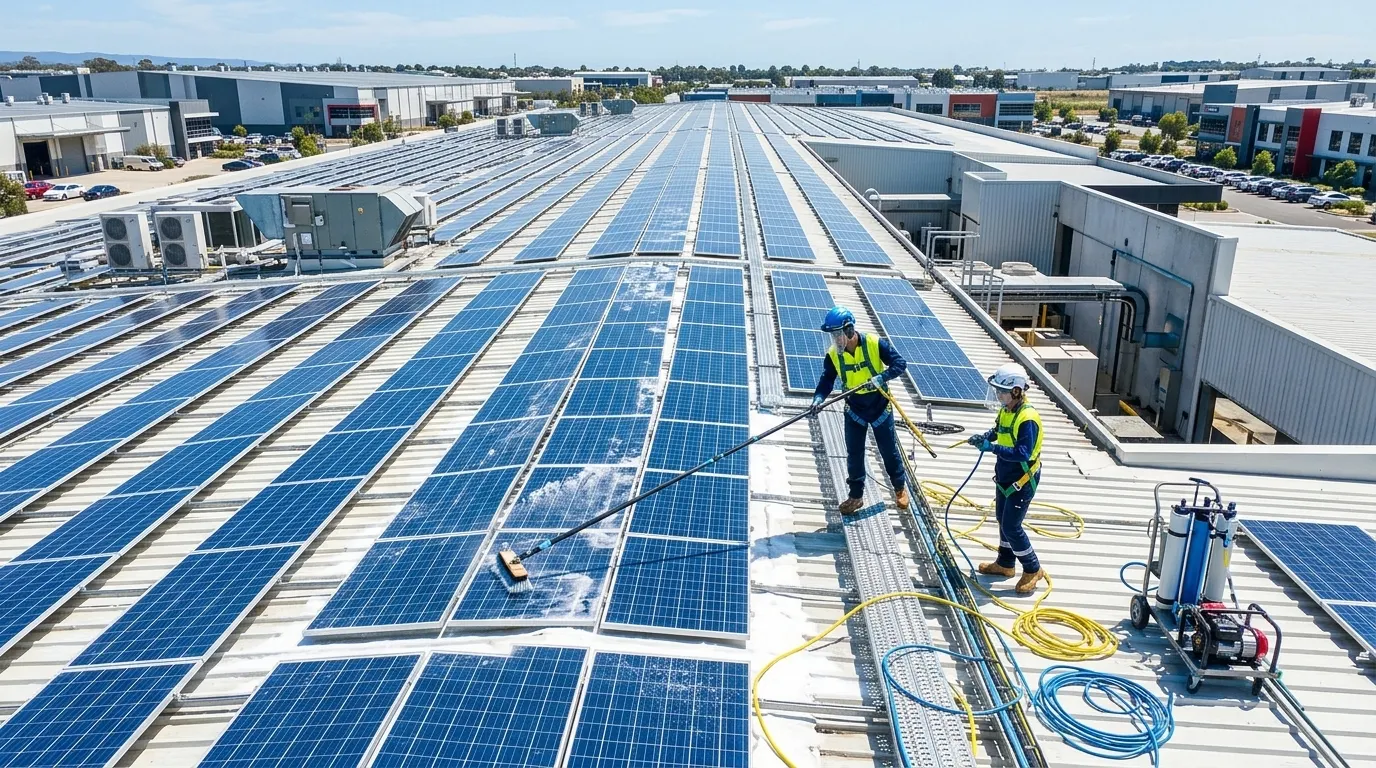
If you run a business, a warehouse, a retail store, an office, a factory or any other commercial property, this is probably a crucial part of solar system maintenance that you should consider performing on a regular basis. With a well planned cleaning strategy, production of energy can be protected, potential issues identified early and the long-term performance of a commercial solar investment enhanced.
Why Do Commercial Solar Panels Need Cleaning?
Every day, solar panels are subjected to the elements of the outside world. Rain will help to wash away some loose dust, but not necessarily heavier or sticky dust.
The causes for soiling of solar panels are:
- Dust and airborne dirt
- Pollen and plant debris
- Bird droppings
- Leaves and organic matter
- Industrial pollution and soot
- Road dust and vehicle emissions
- Sand and fine particles
- Wildfire ash
- Mineral deposits from water
Commercial buildings frequently have big, fairly level roofs. They could be invisible from street level and the property owner may not realize the amount of dirt on the roof.
The issue isn't just cosmetic. The contamination on the glass will diminish the amount of sunlight reaching the PV cells and hence, electricity generation. The value of the cleaning has been demonstrated to be very dependent on the local soiling conditions, the power cost, the size of the system and the cleaning cost.
How Much Can Dirty Solar Panels Affect Energy Production?
Soiling effects depend on the individual commercial solar installations.
Losses can be small in a building that is located in a relatively clean environment, where there is frequent rain. By comparison, a warehouse in close proximity to a busy highway, construction site, agricultural or industrial activity or a desert area could accumulate contamination at a much greater rate.
The nature of the contamination also has an influence. Fine dust can form a fairly even layer over the whole panel while bird droppings or leaves can form areas of shade.
A small decrease in the annual production of a large commercial solar array can be significant lost electricity. Hence many professional operators now see solar panel cleaning as a part of the overall solar operations and maintenance (O&M) and not just a cosmetic service.
How Do You Know When Commercial Solar Panels Need Cleaning?
There is no one set cleaning schedule that is applicable to all commercial solar installations.
One solution is to use visual inspections and solar production monitoring.
In inspecting the roof, check for:
- Visible dust or grime on panel glass
- Bird droppings
- Leaves or organic debris
- Mud or residue after rainfall
- Heavy deposits around panel frames
- Unusual differences between panel sections
- Unexpected declines in energy production
Production monitoring can provide an even better indication. When the amount of electricity produced is less than expected based on historical and/or weather data, the system may need additional attention.
Panels can be visually inspected on an about 6 month time scale for many commercial properties and cleaning can be scheduled from every 6 months to annual depending on environmental conditions. If your area is heavily polluted, dusty or on the coast or is an industrial area, you might need more regular service.
How Often Should Commercial Solar Panels Be Cleaned?
The ideal commercial solar panel cleaning frequency depends on several factors:
1. Local Climate
Dry and dusty climates generally produce more frequent soiling than areas with regular rainfall.
2. Roof Location
A building near a highway, construction project, factory, farm, or industrial zone may experience faster contamination.
3. Panel Tilt
Panels with steeper angles may naturally shed some dirt and rainwater more effectively than low-slope rooftop systems.
4. Bird Activity
Bird droppings can create concentrated areas of shading and may require spot cleaning even when the rest of the array looks relatively clean.
5. Solar Production
Instead of cleaning strictly according to a calendar, some operators use system performance data to determine when cleaning is economically worthwhile.
In other words, the best maintenance plan is condition-based rather than one-size-fits-all.
What Is the Best Way to Clean Commercial Solar Panels?
The appropriate cleaning method depends on the size of the installation, roof design, level of contamination, accessibility, and safety requirements.
For smaller installations, trained technicians may use soft brushes, appropriate cleaning equipment, and purified water.
For large commercial solar arrays, professional cleaning companies may use specialized equipment or robotic systems. Robotic cleaning can improve consistency and reduce the amount of manual labor required across large numbers of panels. Some systems can operate with dry brushes, while others use purified or deionized water for more stubborn contamination.
The goal should always be to remove contamination without damaging the panel glass, coatings, wiring, mounting system, or other components.
Should You Use a Pressure Washer on Solar Panels?
No. High-pressure washing is generally not recommended for commercial solar panels.
Excessive water pressure can potentially damage seals, glass, electrical components, or other sensitive parts of the PV system. Abrasive cleaning materials and aggressive chemicals can also damage surface coatings or scratch the glass.
A safer approach typically involves:
- Inspecting the solar array.
- Identifying the type of contamination.
- Using appropriate soft cleaning equipment.
- Applying suitable water or cleaning methods.
- Rinsing away residue.
- Checking the panels and surrounding equipment after cleaning.
For large commercial installations, professional technicians should follow site-specific safety and equipment requirements.
Does Rain Clean Commercial Solar Panels?
Rain can help remove loose dust and surface debris, but it should not be considered a complete substitute for professional cleaning.
Light rainfall may rinse away some particles. However, rain can also turn accumulated dust into mud or leave mineral deposits behind when water evaporates.
Bird droppings, oily residue, industrial pollution, and other sticky contaminants may remain even after several rainfall events.
Therefore, businesses should evaluate actual solar system performance and panel condition, rather than assuming that rainfall automatically keeps the array clean.
Is Commercial Solar Panel Cleaning Worth the Cost?
For many commercial solar installations, cleaning can make financial sense when the value of recovered electricity exceeds the cost of the service.
The calculation is relatively straightforward:
Cleaning ROI = Value of recovered electricity − Cleaning cost
However, the calculation should consider more than the number of panels.
Important factors include:
- Total system capacity
- Electricity rates
- Current system production
- Local soiling conditions
- Cleaning frequency
- Labor and equipment costs
- Roof accessibility
- Expected production recovery
Research on photovoltaic cleaning economics shows that the optimal cleaning schedule can vary according to electricity prices, cleaning costs, seasonal soiling, and site conditions.
For this reason, commercial property owners should evaluate cleaning based on measurable system performance instead of simply following a fixed schedule.
Professional vs. In-House Solar Panel Cleaning
Some businesses consider assigning solar panel cleaning to their maintenance staff. While this may appear inexpensive, commercial rooftop work involves safety, equipment, access, and electrical considerations.
Professional solar maintenance providers can bring:
- Specialized cleaning equipment
- Trained technicians
- Rooftop safety procedures
- Production monitoring
- Large-scale cleaning capabilities
- Preventive maintenance experience
- Inspection and reporting
For large arrays, specialized robotic cleaning systems may also reduce labor requirements and provide more consistent cleaning across hundreds or thousands of modules.
Most importantly, cleaning should not accidentally disturb mounting structures, cables, connectors, or other components.
Commercial Solar Panel Cleaning as Part of O&M
Cleaning should ideally be incorporated into a broader commercial solar operations and maintenance strategy.
A comprehensive maintenance program may include:
- Solar panel cleaning
- Visual inspections
- Inverter inspections
- Electrical testing
- Performance monitoring
- Vegetation and debris management
- Mounting system inspections
- Damage detection
- Preventive repairs
This approach helps property owners identify problems before they become expensive failures.
For example, a cleaning visit can also reveal cracked modules, damaged cables, loose components, excessive bird activity, or unusual soiling patterns.
Frequently Asked Questions
How often should commercial solar panels be cleaned?
Many commercial systems are cleaned approximately every six months to one year, but the ideal schedule depends on climate, roof conditions, pollution, dust, bird activity, and production data.
Can rain replace solar panel cleaning?
Not always. Rain can remove loose dirt but may not remove bird droppings, industrial residue, mineral deposits, or heavily accumulated dust.
Can I pressure wash commercial solar panels?
Pressure washing is generally not recommended because excessive pressure can damage glass, seals, coatings, or electrical components.
What is the best water for cleaning solar panels?
Purified or deionized water is commonly used for professional cleaning because it can reduce mineral spotting and residue.
Is solar panel cleaning necessary for commercial buildings?
It depends on site conditions. Commercial properties in dusty, polluted, agricultural, coastal, or industrial environments may benefit significantly from regular cleaning.
How can I determine whether cleaning is worth it?
Compare the cost of cleaning with the value of the energy production that can potentially be recovered. Solar monitoring data can help determine when cleaning is economically justified.
Final Thoughts
Maintenance of solar system performance and maximizing the return on a commercial PV investment is critical and includes commercial solar panel cleaning. Solar cells can lose some of the sunlight that they need to make energy in a couple of ways: dirt, dust, pollen, bird droppings, and other things can cover a solar cell and block some sunlight; over time, the amount of sunlight reaching the solar cells decreases.
It is not always the best idea to clean all panels on a set schedule. Instead, property owners should take into account local environmental conditions, the appearance of the panels, the history of production, the cost of electricity and the maintenance costs.
Large commercial solar arrays are better served by professional cleaning and monitoring than by an in-house approach, which can be hazardous and unreliable. Incorporating cleaning into a broader O&M program is the best way to safeguard the long-term return and protect solar asset and ensure reliable energy production for businesses.
Share on Social:


In This Article
- 1 Why Do Commercial Solar Panels Need Cleaning?
- 2 How Much Can Dirty Solar Panels Affect Energy Production?
- 3 How Do You Know When Commercial Solar Panels Need Cleaning?
- 4 How Often Should Commercial Solar Panels Be Cleaned?
- 5 What Is the Best Way to Clean Commercial Solar Panels?
- 6 Should You Use a Pressure Washer on Solar Panels?
- 7 Does Rain Clean Commercial Solar Panels?
- 8 Is Commercial Solar Panel Cleaning Worth the Cost?
- 9 Professional vs. In-House Solar Panel Cleaning
- 10 Commercial Solar Panel Cleaning as Part of O&M
-
11
Frequently Asked Questions
- 11.1 How often should commercial solar panels be cleaned?
- 11.2 Can rain replace solar panel cleaning?
- 11.3 Can I pressure wash commercial solar panels?
- 11.4 What is the best water for cleaning solar panels?
- 11.5 Is solar panel cleaning necessary for commercial buildings?
- 11.6 How can I determine whether cleaning is worth it?
- 12 Final Thoughts
