


Commercial Solar Panel Maintenance Guide
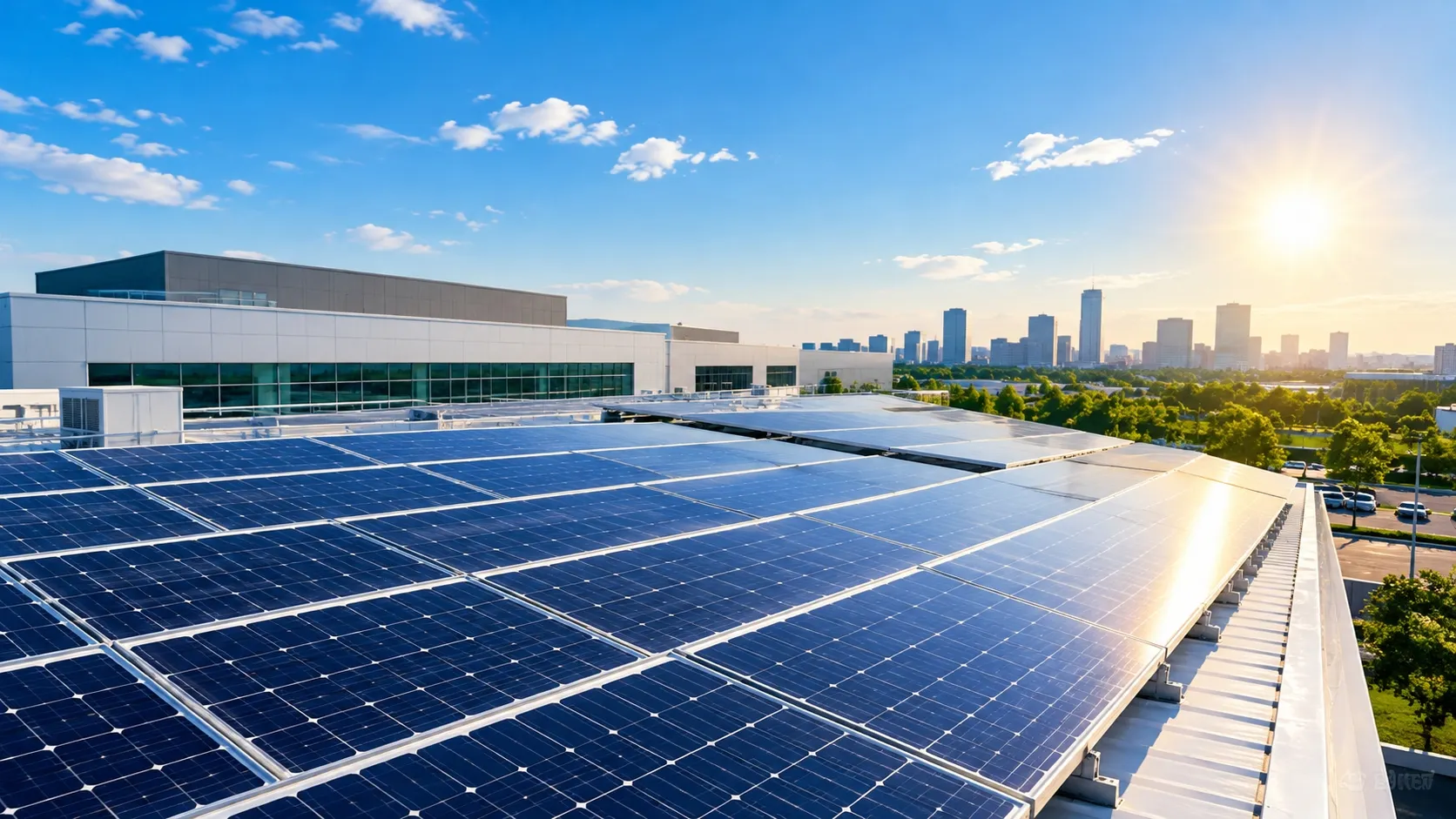
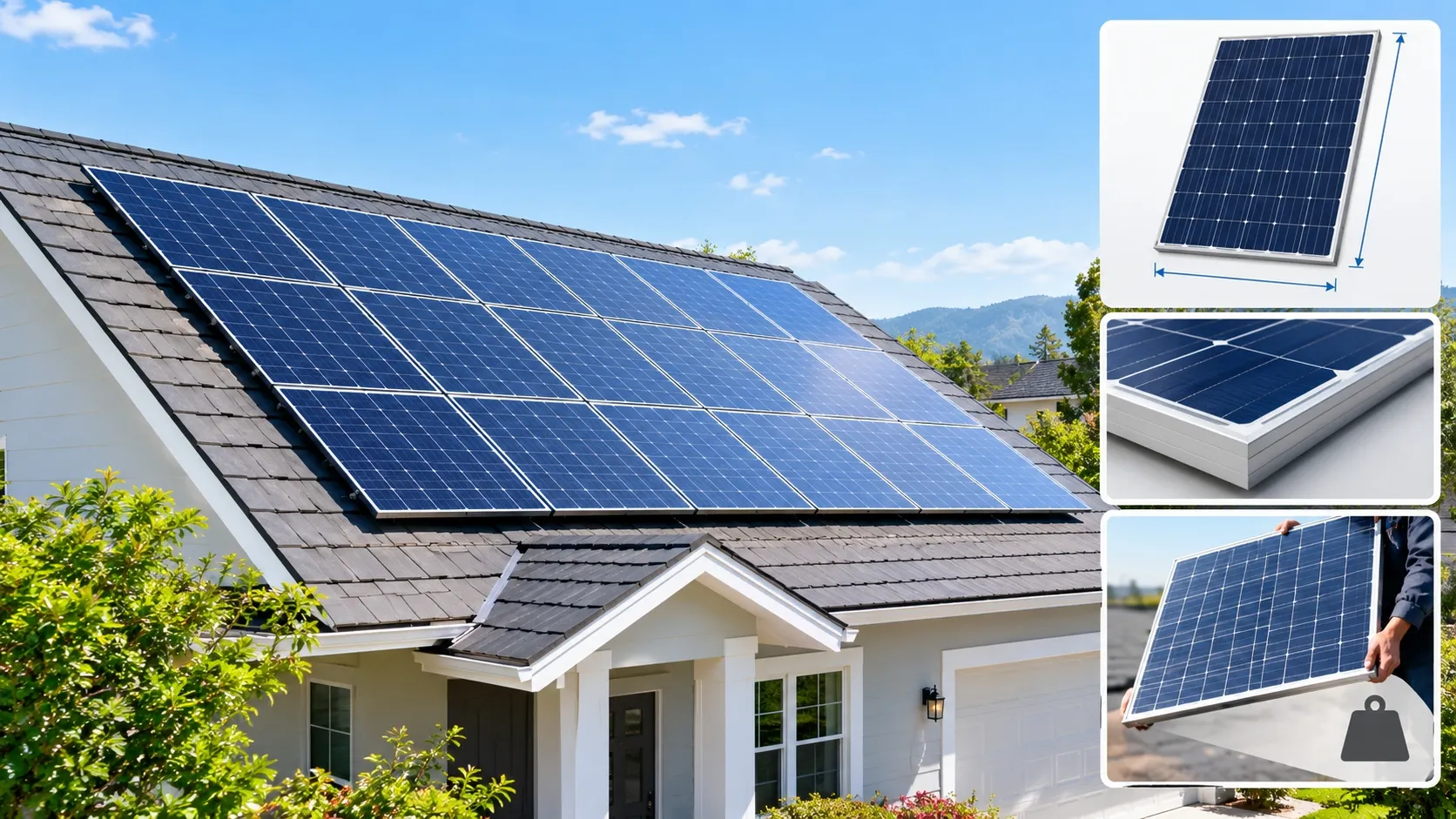
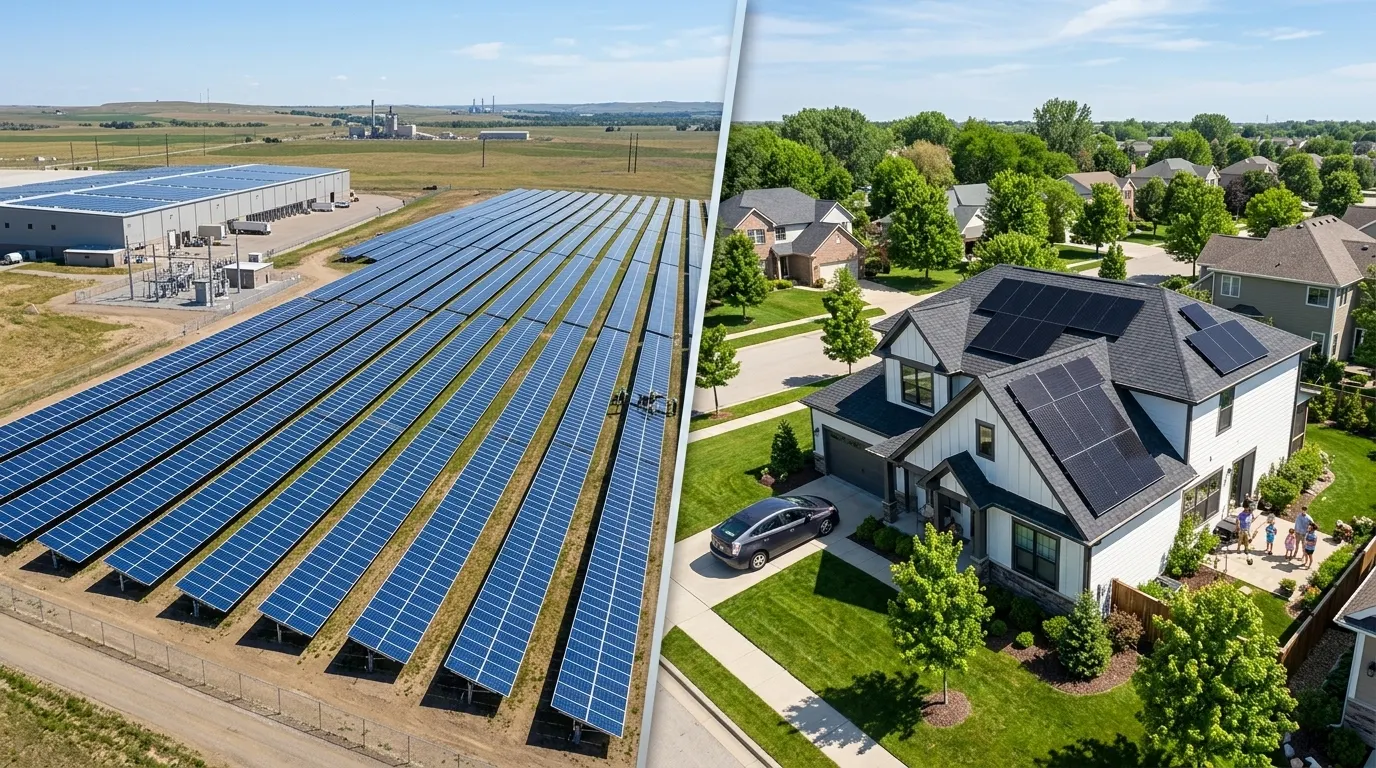
Businesses can use commercial solar energy systems to lower electricity bills, optimize energy usage, and achieve long-term sustainability objectives. But that is only the initial step in installing solar panels. To maintain a photovoltaic (PV) system efficiently, ensure minimal downtime and safeguard the system's return on investment, regular commercial solar panel maintenance is essential.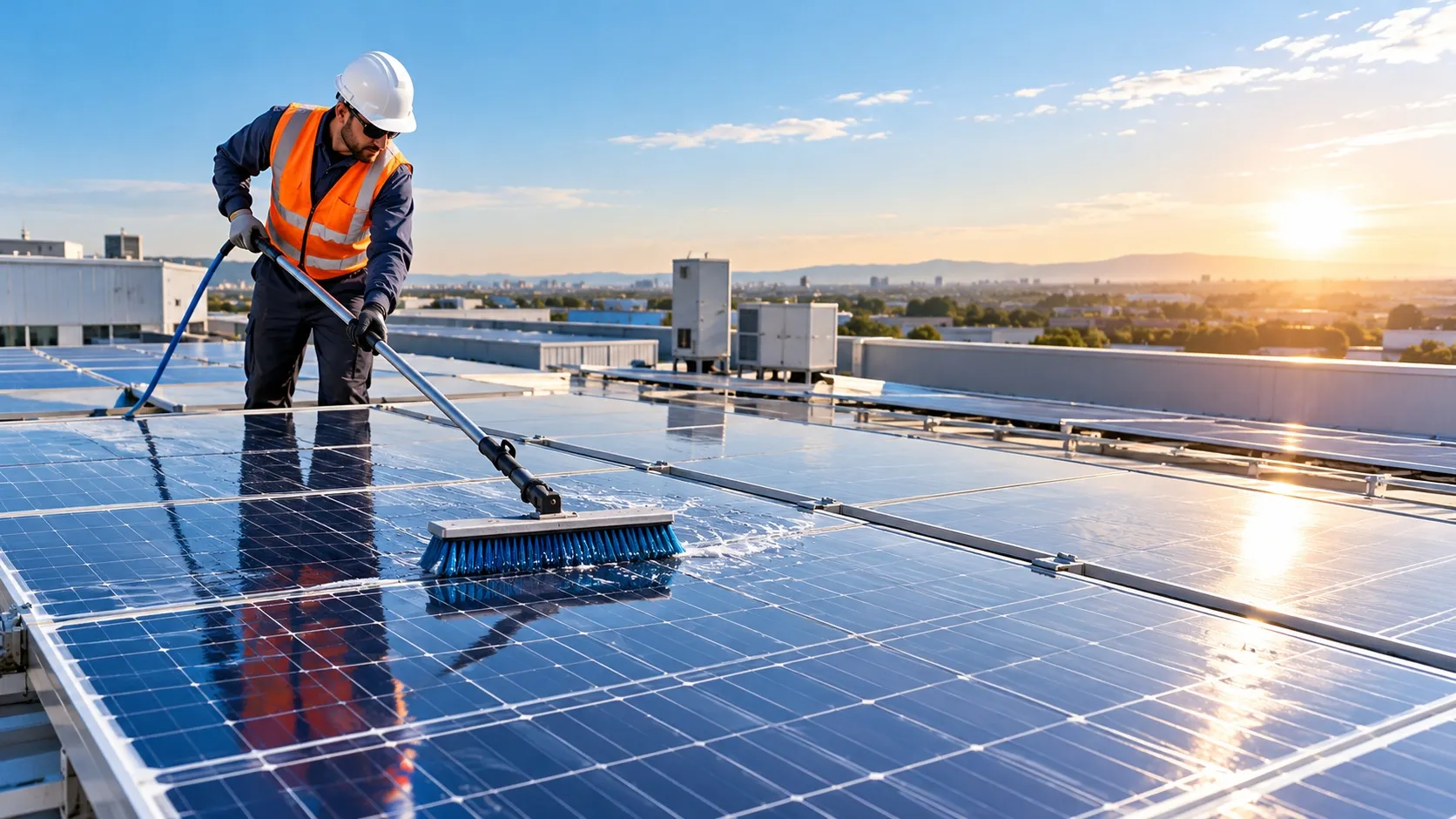
From a warehouse, manufacturing plant, office building, retail store or industrial building, a program of planned solar maintenance can help minimize energy loss before it becomes an issue. This guide outlines the critical maintenance activities, suggested service intervals, typical performance problems and value of professional solar operations and maintenance (O&M).
Why Is Commercial Solar Panel Maintenance Important?
Although the commercial solar panels are made to last long, they are always subjected to the environmental conditions that can have a negative impact on their performance. Over time, dust, pollen, bird droppings, very high or very low temperatures, or severe weather can cause the loss of energy production or damage the system.
Regular maintenance can help businesses:
-
Improve energy production: Remove excessive dirt and identify performance issues that reduce electricity generation.
-
Reduce operating costs: Detect minor faults before they develop into expensive repairs.
-
Protect equipment warranties: Follow manufacturer maintenance requirements and retain service documentation.
-
Extend system service life: Monitor components and address deterioration in a timely manner.
-
Maintain predictable energy savings: Identify production losses before they significantly affect electricity expenses.
For commercial properties with large rooftop or ground-mounted solar arrays, even a modest decline in system performance can affect long-term financial returns. Preventive maintenance provides a practical way to protect the value of a solar investment.
Essential Commercial Solar Panel Maintenance Tasks
An effective maintenance program covers the solar modules, mounting structures, electrical equipment, inverters, and monitoring systems. The specific requirements depend on the installation design, operating environment, and equipment manufacturer's recommendations.
1. Inspect Solar Panels and Mounting Structures
Visual inspections are used to detect physical damage and/or potential maintenance problems. Technicians should look for cracked modules, damaged frames, missing mounts, corrosion and indications of water intrusion as applicable.
Even though they are commercial, rooftop solar systems must be given consideration to roof conditions, drainage, cable placement, mounting points, etc. Additional check for structural stability and vegetation growth may be required for ground mounted installation.
When used by trained personnel, thermal imaging can be used to detect irregular temperature variations that might point to faulty cells, electrical connection problems, or other component problems.
Early detection of these conditions can prevent unnecessary losses in production and help ensure safe system operation.
2. Clean Solar Panels When Necessary
One of the most apparent maintenance practices is solar panel cleaning. Industrial dust, industrial residue, pollen and bird droppings can interfere with the sunlight's ability to reach photovoltaic cells, which may decrease electricity production.
Cleaning should not be done on a fixed schedule, but according to the actual conditions of the site. A commercial solar unit in a dusty industrial location could need to be cleaned more often than a solar system in an area where rain is common and air pollution is minimal.
Professional cleaning should conform to the instructions of the panel manufacturer and use appropriate equipment, water quality and cleaning techniques. Overuse of abrasive materials, harsh chemicals, or pressure can affect the surface of panel.
Another factor that needs to be taken into consideration is whether cleaning provides a measurable production benefit to the business. Data on monitoring and site inspections can be used to determine the economic justification for cleaning.
3. Maintain Solar Inverters
Solar inverters are used to convert direct current (DC) electricity that is produced by the solar panels into alternating current (AC) electricity that can be used in commercial electrical systems.
Inverters have electronic components and are used in different environments, so they must be paid special attention when being maintained.
Common inverter maintenance tasks are to inspect for faults, check operating temperatures, inspect ventilation/cooling systems, and ensure that equipment is running within the manufacturer's specifications.
Also, the performance of the inverter should be checked using the system monitoring platform. If the alarms are continually active, the shutdown occurred unexpectedly or the efficiency changed, it means that professional troubleshooting is required.
The life of the inverter depends on the model, working conditions and maintenance records. An allowance should be made in the business plan for the possibility of servicing or replacement during the life of the solar system.
4. Monitor Solar Energy Production
Solar monitoring is needed to permit the detection of issues that can't be seen during a visual examination.
A monitoring platform will be able to monitor the electricity generated, the state of the inverter, the availability of the system and other performance metrics. Some monitoring may also give string-level data or module-level data, depending on the equipment that has been installed.
The facility manager should evaluate whether the production meets expectations based on normal equipment degradation, weather and seasonal changes in sunlight.
When production unexpectedly decreases, technicians can check for possible production problems: shading, soiling, failure of the inverter, damaged wiring, or communication failures.
Regular monitoring enables businesses to react to abnormal conditions rather than being caught off guard by measuring electricity bills to find performance losses.
5. Inspect Electrical Connections and Safety Equipment
Electrical inspections are a key component of commercial solar O&M in which qualified technicians should perform inspections on wiring, connectors, grounding/bonding, protective devices, and other electrical components as per code and manufacturer specifications.
Over time, electrical deterioration may be caused by moisture, temperature changes, mechanical stress, and aging.
Inspections for abnormal resistance, overheating or other hazards could be detected with thermal inspections and through appropriate electrical testing. All suspected electrical faults should be judged by competent staff.
If a staff member is not trained, they should refrain from opening up energised equipment, disconnecting solar wiring and attempting to repair the inverter.
How Often Should Commercial Solar Panels Be Maintained?
There is no single maintenance schedule suitable for every commercial solar installation. System size, location, equipment design, environmental exposure, and warranty requirements all influence the appropriate service frequency.
The following schedule provides a general starting point:
| Maintenance activity | Suggested frequency |
|---|---|
| Remote performance monitoring | Continuous or daily review, where supported |
| Visual inspection | At least annually; more often when conditions require |
| Professional system inspection | Annually or according to the O&M plan |
| Solar panel cleaning | As needed based on soiling and performance |
| Inverter and electrical checks | According to manufacturer guidance and inspection findings |
| Post-storm inspection | After severe weather when damage is suspected |
Facilities in dusty, coastal, high-pollution, or extreme-weather environments may require more frequent inspections. Larger systems and installations with demanding uptime requirements may also benefit from more comprehensive O&M agreements.
The best approach is to establish a site-specific maintenance plan and adjust it based on operating data and inspection results.
Common Problems Found During Solar Maintenance
Understanding common solar system problems helps facility managers recognize when professional service may be necessary.
Excessive dirt accumulation: Soiling can reduce sunlight reaching the modules and affect energy production.
Shading from nearby objects: New construction, growing trees, or equipment installed near an array may reduce sunlight exposure.
Inverter faults: Electronic failures, overheating, or configuration problems can reduce system output or cause shutdowns.
Damaged solar modules: Impact, severe weather, or material deterioration may affect module safety and performance.
Electrical connection problems: Loose or deteriorated connections may create operational and safety risks.
Monitoring communication failures: Data interruptions can prevent facility managers from recognizing production problems promptly.
A structured maintenance program helps identify these issues, determine their underlying causes, and prioritize corrective action according to safety and financial impact.
What Are the Benefits of Professional Solar O&M Services?
Professional solar operations and maintenance services combine preventive inspections, system monitoring, troubleshooting, and corrective maintenance.
For commercial property owners, outsourcing these activities can reduce the burden on internal facility teams while providing access to technicians with relevant electrical and solar expertise.
A qualified O&M provider can help establish maintenance schedules, review production trends, coordinate repairs, document service activities, and support warranty-related investigations.
When evaluating a provider, businesses should consider commercial solar experience, technician qualifications, safety procedures, monitoring capabilities, response times, service coverage, and the scope of the maintenance agreement.
It is also important to clarify whether cleaning, thermographic inspections, emergency repairs, replacement components, and monitoring services are included or charged separately.
How Much Does Commercial Solar Panel Maintenance Cost?
Commercial solar maintenance costs vary according to system capacity, installation type, site accessibility, environmental conditions, and service requirements.
A simple inspection may cost less than a comprehensive O&M agreement covering remote monitoring, preventive maintenance, thermography, electrical testing, and corrective repairs.
Cleaning expenses also vary depending on array size, roof access, water availability, and the amount of accumulated dirt.
To evaluate maintenance costs effectively, businesses should compare service scope rather than price alone. A lower-cost contract may exclude important inspections or emergency response services.
The financial value of maintenance should be assessed against potential production losses, repair expenses, equipment protection, and the expected remaining operating life of the system.
Frequently Asked Questions
How long do commercial solar panels last?
Many commercial solar panels are designed to operate for 25 years or longer. Actual performance and service life depend on product quality, environmental exposure, installation practices, and maintenance. Inverters and other components may require servicing or replacement sooner.
Do commercial solar panels need regular cleaning?
Yes, when accumulated dirt and debris materially affect performance. Cleaning frequency depends on local weather, airborne dust, pollution, bird activity, and the array's design. Monitoring and inspections can help determine when cleaning is worthwhile.
Can businesses maintain solar panels themselves?
Facility staff can review monitoring dashboards and report visible issues from safe locations. However, rooftop access, electrical testing, inverter servicing, and repairs should be handled by appropriately trained and qualified professionals.
What is included in commercial solar maintenance?
Typical services include module and structural inspections, inverter checks, performance monitoring, electrical inspections, targeted cleaning, fault diagnosis, and corrective maintenance. The exact scope depends on the service agreement and system requirements.
Is professional solar maintenance worth the investment?
For many commercial installations, preventive maintenance can help reduce avoidable energy losses, identify faults early, and support long-term system reliability. The financial benefit depends on site conditions, service costs, system performance, and the value of the electricity generated.
Conclusion
Commercial solar panel maintenance is an important component of ensuring that a solar energy system is reliable and cost-effective. By conducting regular inspections and taking the necessary steps to clean, service the inverter, perform electrical safety checks, and monitor performance, businesses can keep their systems running smoothly and avoid incurring these costs.Through regular inspections, proper cleaning, inverter servicing, electrical safety checks, and continuous performance monitoring, businesses can prevent problems from happening that lead to longer downtimes and unnecessary expenses.
Through a custom maintenance plan, based on installation specifics, and the use of a qualified solar O&M provider, facility managers can ensure equipment health, give them better visibility into operations and enable long-term energy savings.
In businesses that use commercial rooftop or ground-mounted solar installations, proactive maintenance is more than just an extra operating cost. It is first and foremost a viable approach to keeping the systems performant and safeguarding the worth of a long-term energy investment.
Share on Social:


In This Article
- 1 Why Is Commercial Solar Panel Maintenance Important?
- 2 Essential Commercial Solar Panel Maintenance Tasks
- 3 How Often Should Commercial Solar Panels Be Maintained?
- 4 Common Problems Found During Solar Maintenance
- 5 What Are the Benefits of Professional Solar O&M Services?
- 6 How Much Does Commercial Solar Panel Maintenance Cost?
- 7 Frequently Asked Questions
- 8 Conclusion
