


Commercial Solar Panel Installation: Costs & Complete Guide
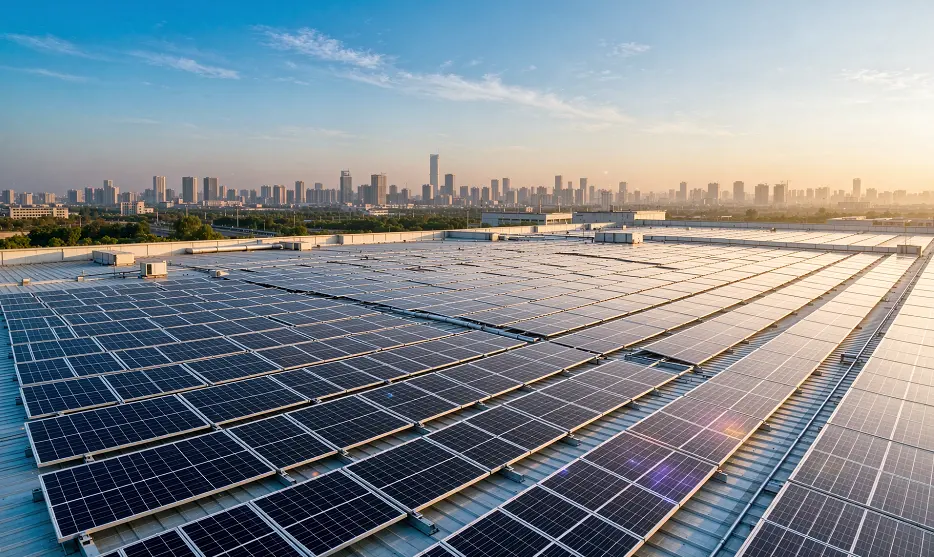
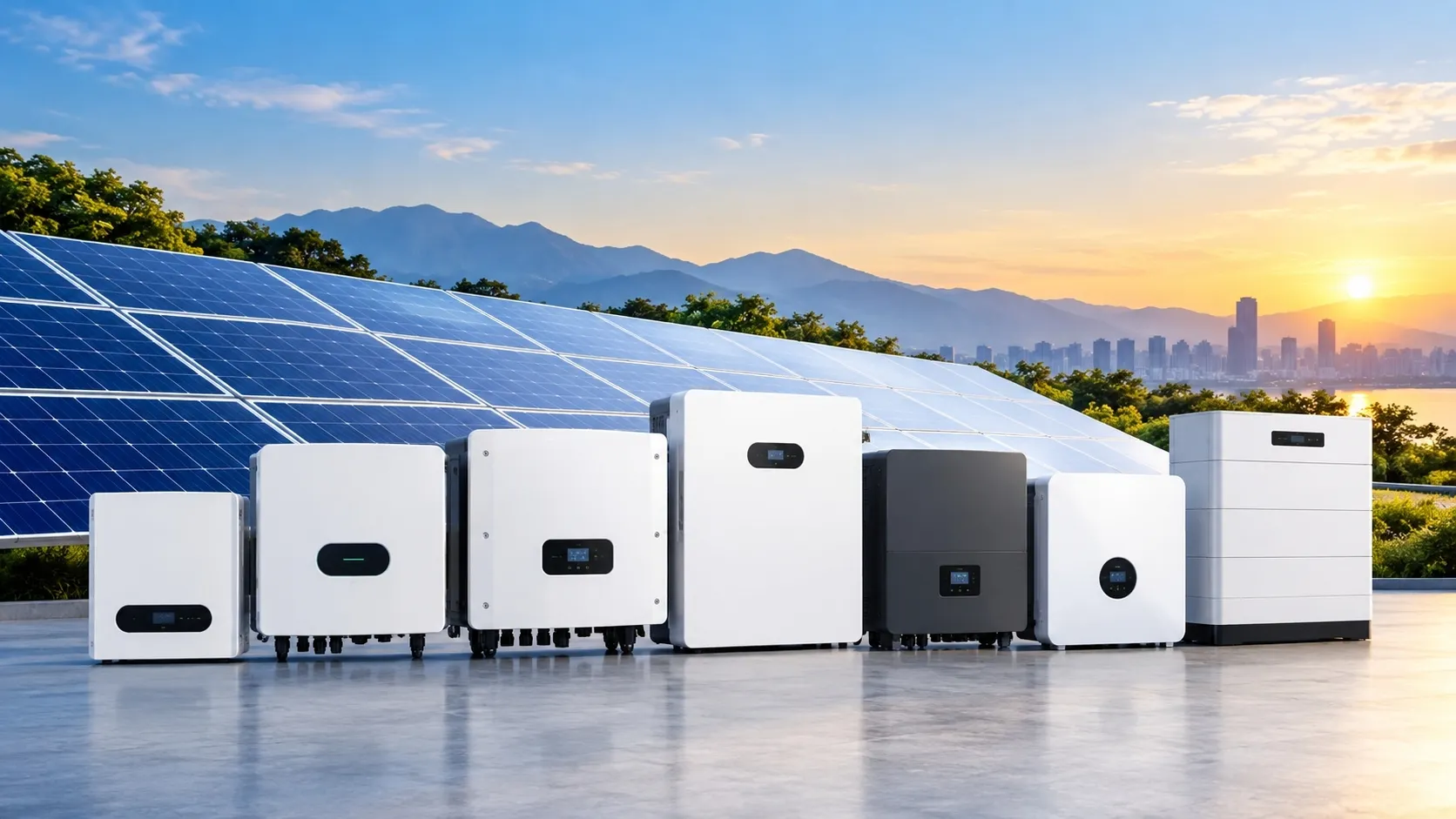
Businesses can install solar panels commercially, use sunlight to produce energy, lower the energy usage from the grid, and have better long term energy management with commercial solar panel systems. Solar PV (PV) systems can be installed in various commercial applications, including warehouses, factories, offices, retail buildings, schools, and parking facilities.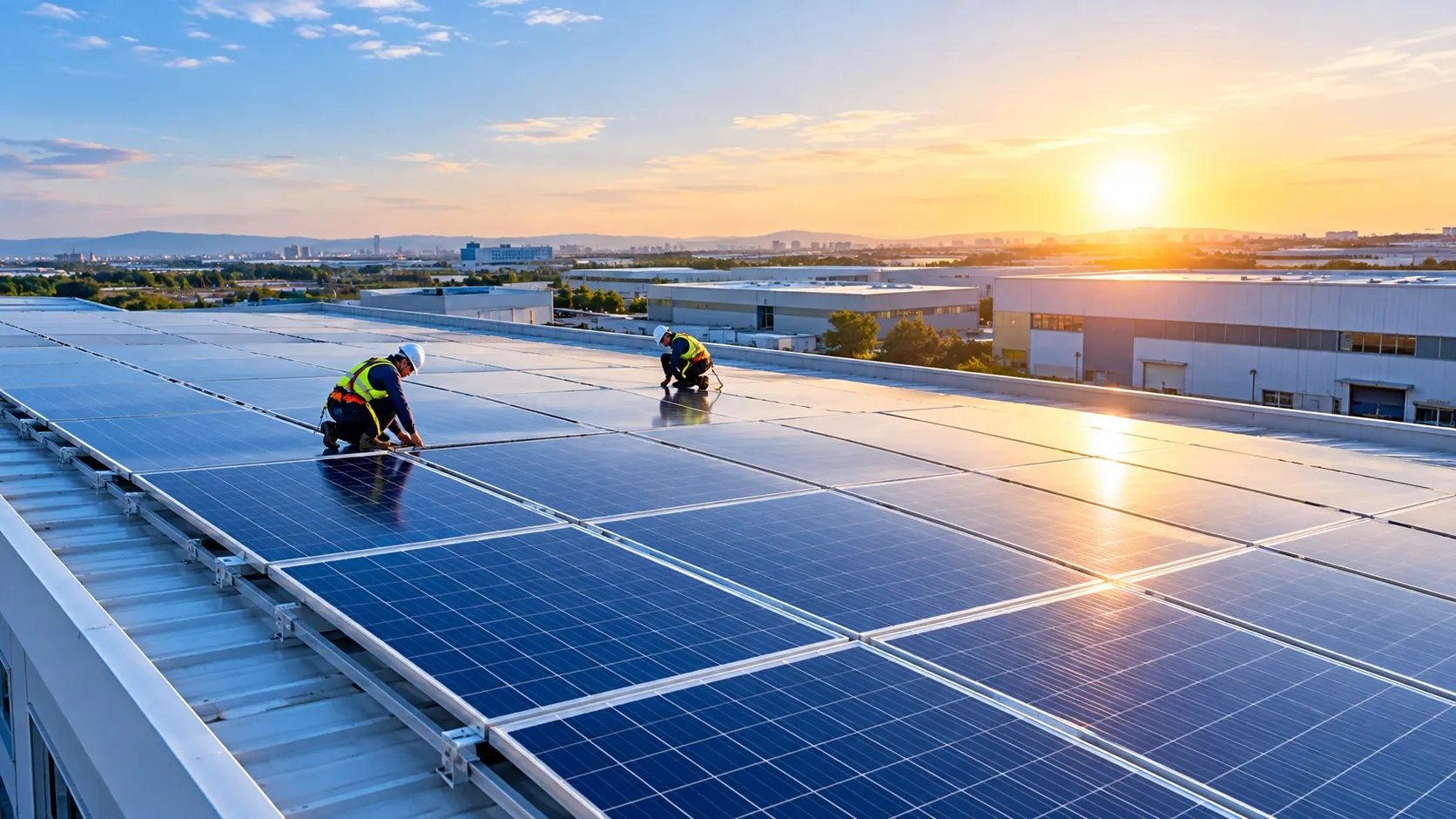
Commercial solar projects are generally more complex in their electrical, structural, permitting, utility interconnection and financial considerations than residential solar projects. For a successful project, a decision on solar panels is not enough. The system needs to be appropriately sized, designed, permitted, installed, inspected and to be interconnected with the utility grid.
This guide helps explain how commercial solar installation works, where commercial solar panels can be installed, and what factors influence project costs, as well as what businesses should consider prior to embarking on a solar project.
What Is Commercial Solar Panel Installation?
Commercial solar panel installation involves the installation of a PV system for a business or other non-residential building.
Typical commercial Solar system consists of:
- Solar panels
- Inverters
- Mounting and racking systems
- DC and AC electrical equipment
- Monitoring equipment
- Safety and disconnect devices
- Utility interconnection equipment
- Optional battery energy storage
Solar panels generate direct current (DC) electricity from the sunlight. The inverter then changes the direct current (DC) electricity into alternating current (AC) electricity that can be used by the buildings electrical loads.
Depending on project design and local utility rules, any excess electricity generated by the solar system during that time could be sent back to the electricity grid or stored in batteries. Interconnection need and compensation for exported electric power is different among utility territories.
How Does a Commercial Solar System Work?
The fundamental process is very simple.
The solar panels produce electricity during daylight hours. That electricity is then stepped down by the inverter to usable AC power that provides the building's electrical equipment.
For instance, a manufacturing plant can be operated with solar power:
- Production machinery
- HVAC systems
- Lighting
- Computers and office equipment
- Refrigeration
- Pumps and compressors
- Electric vehicle charging stations
The building can still take electricity from the grid if the amount of solar power is lower than the buildings electricity usage. When there is more electricity produced than needed, the electricity can be exported or stored.
There is an alternative: battery storage. A battery doesn't necessarily need to be exporting surplus solar generation, it could store energy for other times of day, such during evening operating hours, or when electricity demand is high.
Where Can Commercial Solar Panels Be Installed?
Commercial solar panels are not restricted to the conventional rooftops. Installation site will be determined by available space, solar exposure, structural conditions, electrical infrastructure and the project economics.
1. Commercial Rooftops
For businesses, one of the most frequent rooftop solar solutions is the rooftop solar panel.
Roof areas of hundreds or thousands of panels are common for large warehouses, factories, distribution centres, offices, and retail buildings.
The flat roof option can be used as well. Solar modules can be mounted at an appropriate angle in a way that allows for maintained access and pathways for maintenance.
All roofs should be assessed prior to installation for structure, age, condition, waterproofing, and service life.
2. Ground-Mounted Solar
Ground mounted solar arrays can be installed on businesses with enough land.
Ground-mounted systems offer more flexibility in orientation and layout of the panels. These can be especially helpful if the building roof is too small, the building structure is poor, or too dark.
3. Solar Carports
Solar carports transform parking lots into productive space for generating energy.
Solar carports can serve two purposes, generate electricity and cover parking. They can also be tied in with EV charging stations.
4. Parking Garage Solar
Large parking structures might provide for more installations, especially when there is a limited area for rooftop or ground parking.
How Much Does Commercial Solar Installation Cost?
The price of solar power is very different across different projects. The cost can vary depending on a variety of factors such as system size, equipment selection, labor, site conditions, structural changes, electrical upgrades, permitting, battery storage and local incentives.
As of the writing of this article, the data referenced on this guide indicates a commercial installation cost of about $1.46 per watt, on average, according to SolarReviews. This is meant to be a general guideline and not a quote for a particular project.
A simple calculation might be, for instance:
100 kW × $1.46/W = approximately $146,000
A 500 kW system at the same benchmark would be approximately:
500 kW × $1.46/W = approximately $730,000
Actual project pricing can be substantially different.
Major Factors Affecting Commercial Solar Cost
System Size
Larger systems require more modules, inverters, racking, wiring, labor, and engineering. However, larger projects can sometimes achieve lower costs per watt because certain development and soft costs are distributed across more capacity.
Installation Location
A straightforward warehouse roof may be easier to install than a complex roof with multiple elevations, obstructions, or structural limitations.
Ground-mounted systems require additional land preparation and structural work.
Electrical Upgrades
Some commercial projects require new switchgear, transformers, service upgrades, protection equipment, or other electrical improvements.
Battery Storage
Adding commercial battery storage increases the initial investment but may provide additional energy-management capabilities, including load shifting and backup power.
Permitting and Interconnection
Commercial projects often require building and electrical permits as well as utility interconnection approval. The exact process varies by jurisdiction and utility.
What Is the Commercial Solar Installation Process?
A typical commercial solar project follows several major stages.
Step 1: Analyze Electricity Usage
The first step is understanding how much electricity the business consumes and when it consumes it.
Installers typically review historical utility bills and, where available, interval electricity data. This information helps determine the appropriate solar system size.
Step 2: Conduct a Site Assessment
The installer evaluates the roof, land, shading, electrical infrastructure, structural conditions, and available installation area.
For rooftop projects, structural analysis is particularly important because the building must safely support the solar equipment and associated loads.
Step 3: Design the Solar System
Engineers determine:
- Solar panel quantity
- Module layout
- Inverter configuration
- String design
- Mounting system
- Cable routing
- Electrical protection
- Monitoring system
- Battery capacity, if applicable
Commercial solar design should also account for future maintenance access and system expansion.
Step 4: Apply for Permits and Utility Interconnection
The project may require local building and electrical permits, structural review, fire-safety review, and utility approval.
Utility interconnection is a separate but critical part of the process. Depending on system size and local rules, the utility may evaluate transformer capacity, voltage, protection, export conditions, and other grid impacts.
Step 5: Install the System
Once approvals are obtained, installation can begin.
Workers install the mounting system, solar modules, inverters, wiring, disconnects, monitoring equipment, and other required components.
Commercial installations require appropriate electrical safety procedures and compliance with applicable building and electrical codes.
Step 6: Inspection and Commissioning
After construction, the system must typically undergo inspections and testing.
The utility may require final documentation and approval before the system can operate in parallel with the grid. In many jurisdictions, this final authorization is referred to as Permission to Operate (PTO).
What Are the Benefits of Commercial Solar?
Lower Electricity Costs
One of the primary reasons businesses install solar is to reduce electricity purchased from the utility.
A properly designed system can offset a significant portion of a facility's electricity consumption.
Better Energy Cost Planning
Solar can help businesses produce part of their own electricity instead of relying entirely on utility purchases.
This can provide greater visibility into long-term energy costs, although actual savings depend on electricity rates, system production, financing, and utility rules.
Tax Incentives and Financial Benefits
Depending on current federal, state, local, and utility programs, commercial solar projects may qualify for financial incentives.
Businesses may also have access to depreciation benefits or other tax treatment. Because incentive rules can change, businesses should confirm eligibility with qualified tax and financial professionals before making investment decisions.
Sustainability Goals
Solar energy can reduce reliance on electricity generated from fossil fuels and may support corporate sustainability initiatives.
For companies with environmental reporting requirements or renewable-energy targets, commercial solar can become part of a broader energy strategy.
What Are the Challenges of Commercial Solar?
Commercial solar also has important limitations.
The initial investment can be substantial, especially when a project requires battery storage, structural reinforcement, electrical upgrades, or extensive utility work.
Space can also be a constraint. A facility may have insufficient roof area to generate all of its electricity from solar.
In addition, commercial solar projects can involve multiple approval processes. Permitting and utility interconnection requirements vary by location and can affect both project schedules and costs.
Is Commercial Solar Worth It for a Business?
There is no single answer for every commercial property.
The financial performance of a solar project depends on factors such as:
- Annual electricity consumption
- Electricity rates
- Solar resource
- Available installation area
- System size
- Equipment costs
- Financing structure
- Utility compensation for exported electricity
- Available incentives
- Maintenance requirements
- Expected system operating life
A business should therefore evaluate the project using a site-specific solar design and financial model rather than relying only on a general cost-per-watt estimate.
How to Choose a Commercial Solar Installer
Choosing the right installer is an important part of the project.
Businesses should evaluate a contractor's experience with commercial PV systems, engineering capabilities, equipment quality, installation practices, warranties, monitoring solutions, and knowledge of local permitting and utility requirements.
Ask potential installers for a detailed proposal showing:
- Proposed system capacity
- Estimated annual energy production
- Solar panel and inverter specifications
- Mounting approach
- Installation scope
- Permitting responsibilities
- Utility interconnection responsibilities
- Warranty coverage
- Estimated project schedule
- Financial assumptions
A transparent proposal makes it easier to compare different commercial solar projects on a consistent basis.
Final Thoughts
Installing solar panels is not just about the installation, it's about investing in energy for the long-term. The optimal size and equipment are achieved by matching the size and equipment needs with the building's electrical load, roof or land characteristics, utility needs, and financial goals.
Before deciding on solar, the first step is to examine electricity use and have a professional site evaluation. Engineering and permitting, utility interconnection, installation, inspection, and commissioning can be coordinated to a complete commercial solar project from there.
When combined with energy management and renewable energy targets, with appropriate planning, commercial solar can be an integral part of a company's energy strategy, providing energy generation, energy management and the prospect of energy operating-cost savings.
Share on Social:


- NEXT: Best Commercial Solar Panels
- NEXT: Null
In This Article
- 1 What Is Commercial Solar Panel Installation?
- 2 How Does a Commercial Solar System Work?
- 3 Where Can Commercial Solar Panels Be Installed?
- 4 How Much Does Commercial Solar Installation Cost?
- 5 What Is the Commercial Solar Installation Process?
- 6 What Are the Benefits of Commercial Solar?
- 7 What Are the Challenges of Commercial Solar?
- 8 Is Commercial Solar Worth It for a Business?
- 9 How to Choose a Commercial Solar Installer
- 10 Final Thoughts
