


Best Commercial Solar Panels
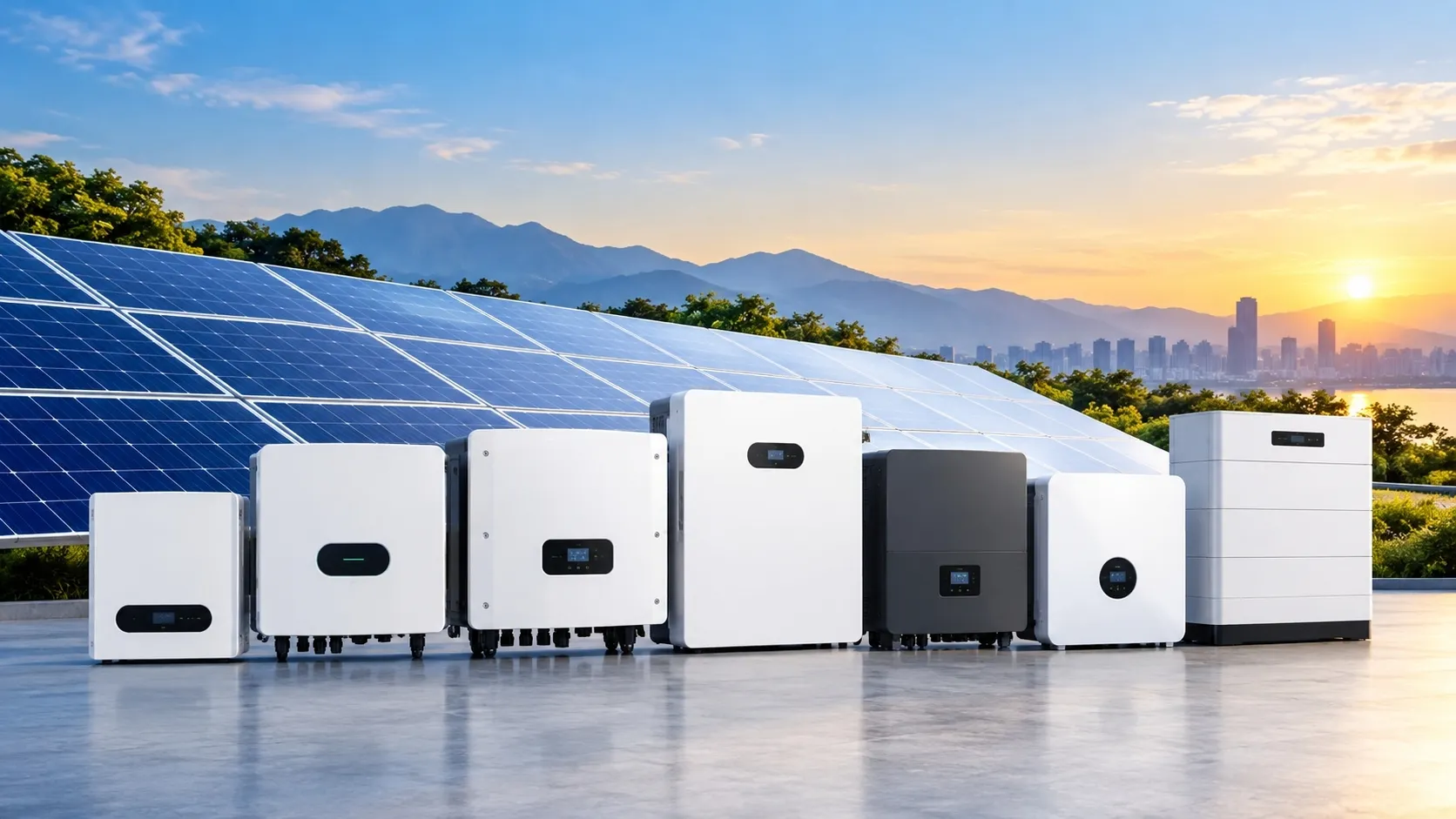
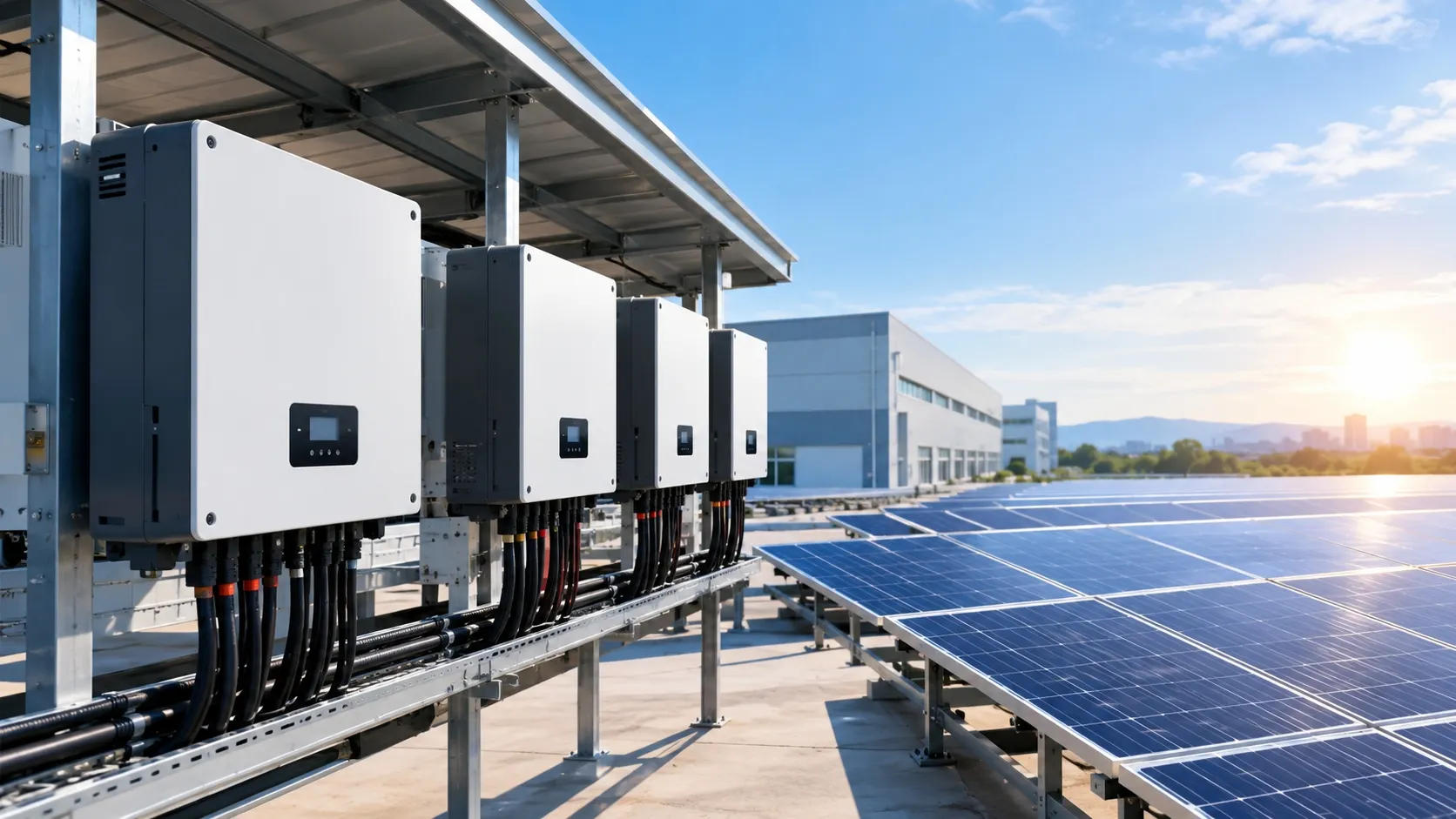
When it comes to designing a commercial solar energy system, one of the most crucial things to consider is the selection of solar panels. Businesses can expect solar panels to provide a steady, cost-effective power supply for years, and they can also help to lower energy costs and enhance energy independence.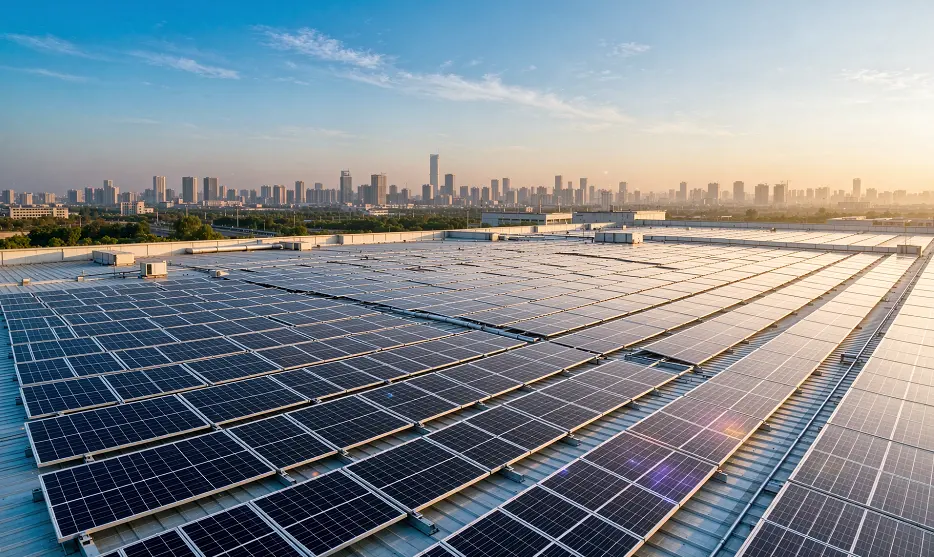
So what's the best commercial solar panels 2026? The answer is not only panel efficiency or the cost of buying a panel. Durability, warranties, temperature performance, degradation rates, roof space, installation conditions, financing and manufacturer's long track record also are important factors to consider.
This guide provides information on assessing commercial solar panels and considerations for businesses before investing in a solar energy system.
What Are Commercial Solar Panels?
Commercial solar panels are PV (photovoltaic) modules used for commercial and industrial applications, such as businesses, warehouses, factories, offices, farms, retail stores, schools, and other commercial buildings.
The technologies used in commercial and residential solar panels are often the same. Usually the only distinction is the extent and scope of the solar installation. For commercial projects, there will be a need for more panels, higher system capacity, commercial grade inverters, custom mounting systems, and a more complex electrical design.
Solar system can be installed in a commercial rooftop or a ground mount or parking canopy. Commercial projects can be from relatively small one to hundreds of kilowatts or several megawatts, according to the electricity consumption and space available.
What Makes a Solar Panel Good for Commercial Applications?
Not all commercial solar panels are the same.Different commercial solar panels are not created equal.
Rather, companies need to assess the total panel value in its life.
Important factors include:
- Solar panel efficiency
- Power output
- Product warranty
- Performance warranty
- Annual degradation rate
- Temperature coefficient
- Durability
- Manufacturer reputation
- Availability and supply chain
- Total installed cost
- Compatibility with the solar system
- Potential tax incentives
A panel that costs slightly more upfront may provide better long-term value if it produces more electricity, degrades more slowly, or has stronger warranty protection.
Commercial Solar Panel Efficiency
The efficiency of solar panels refers to the amount of energy that can be extracted from the sun by sunlight.
The modern-day commercial solar panels normally have efficiency levels of 19% to 23% according to technology and product generation.
When roof space is limited higher efficiency can be especially beneficial. Also, in the event that a business has a big electrical consumption but not adequate roof space, high efficiency modules can be utilized to create more power in the same space.
But efficiency is not the only factor to take into account.
If a panel is not as efficient but has a lower cost, is hardy, has good temperature characteristics and is readily available for years to come, it could be a better overall investment.
Monofacial vs. Bifacial Solar Panels
Another important consideration is whether to use monofacial or bifacial solar modules.
Monofacial Solar Panels
Monofacial panels generate electricity primarily from sunlight reaching the front surface of the module.
They are commonly used for:
- Commercial rooftops
- Warehouses
- Office buildings
- Retail properties
- Manufacturing facilities
For many rooftop applications, monofacial modules remain a practical choice because the rear side of the panel receives relatively little reflected sunlight.
Bifacial Solar Panels
Bifacial solar panels can generate electricity from both the front and rear sides of the module.
They can be especially useful for ground-mounted commercial systems or installations where sunlight can reflect from surfaces underneath the panels.
For example, light-colored roofing materials, gravel, concrete, or specially designed reflective surfaces may increase the amount of light reaching the rear side of a bifacial module.
The actual energy gain depends on system design, mounting height, ground conditions, surface reflectivity, and local sunlight conditions.
Solar Panel Warranty and Long-Term Reliability
Commercial solar installations are long-term investments. A typical project may be expected to operate for 25 years or longer.
Therefore, warranty coverage should be carefully reviewed before selecting a manufacturer.
There are generally two important types of solar panel warranties.
Product Warranty
A product warranty covers manufacturing defects and certain equipment problems.
Depending on the manufacturer and product, commercial solar panels may offer product warranties ranging from approximately 12 to 25 years.
Performance Warranty
A performance warranty guarantees that the panel will maintain a specified level of power output over time.
Many modern modules provide performance warranties lasting 25 to 30 years.
Businesses should also examine the panel's annual degradation rate. Lower degradation means the module is expected to retain more of its original electricity-generating capacity over the long term.
Temperature Coefficient Matters
Solar panels do not perform exactly the same way under all weather conditions.
As panel temperatures increase, electrical output generally decreases. This makes the temperature coefficient an important specification for commercial solar projects, particularly in hot climates.
When comparing modules, look for a favorable power temperature coefficient.
For businesses located in regions with high summer temperatures, a panel with good temperature performance may produce more electricity over its lifetime than a panel with a similar rated power but poorer heat performance.
Cost vs. Long-Term Value
Solar panel price is an important consideration, but focusing only on the initial purchase price can lead to poor decisions.
Instead, businesses should evaluate the total value of the solar module throughout its operating life.
Consider:
- Initial panel cost
- Installation cost
- Expected annual electricity production
- Panel degradation
- Maintenance requirements
- Warranty protection
- Available incentives
- Expected system lifespan
For example, a lower-cost module may reduce the initial project budget, while a premium module may offer higher efficiency or longer warranty coverage.
The right choice depends on the project's financial model and site conditions.
Manufacturer Reputation and Supply Availability
A solar panel warranty is only valuable if the manufacturer can support it in the future.
Commercial buyers should therefore research the manufacturer's history, financial stability, product availability, technical support, and warranty terms.
Supply chain reliability is also important.
A panel may have excellent specifications, but if it becomes difficult to source during construction, the project could experience delays. Businesses should work with installers and suppliers that can provide realistic lead times and suitable replacement options.
How to Choose the Best Commercial Solar Panels
There is no single solar panel that is ideal for every business.
Instead, the right panel depends on the project's location, roof size, electricity consumption, budget, financing structure, and long-term energy objectives.
Here is a practical evaluation process:
Step 1: Analyze Your Electricity Usage
Review at least 12 months of electricity bills.
Determine your annual electricity consumption, peak demand, seasonal usage, and utility rates.
This information helps determine the appropriate solar system size.
Step 2: Evaluate Available Space
Inspect the roof, ground area, or parking structure where the solar system will be installed.
Consider:
- Roof orientation
- Roof pitch
- Shading
- Structural capacity
- Available installation area
- Local weather conditions
Limited space may make high-efficiency solar panels more valuable.
Step 3: Compare Panel Specifications
Compare efficiency, wattage, temperature coefficient, degradation rate, warranty coverage, and dimensions.
Avoid selecting a module based solely on its maximum wattage.
Step 4: Calculate Lifetime Energy Production
Estimate how much electricity the panels are likely to generate over their operating life.
A useful comparison should consider both initial cost and expected energy production.
Step 5: Review Incentives and Project Economics
Depending on location and project structure, businesses may have access to tax credits, depreciation benefits, grants, rebates, or other incentives.
These financial factors can significantly affect the overall return on investment.
Always confirm current incentive eligibility with qualified tax and energy professionals because programs and requirements can change.
How Long Do Commercial Solar Panels Last?
Most modern commercial solar panels are designed to operate for approximately 25 to 30 years, and many systems can continue producing electricity beyond their original warranty period.
However, solar panels do not suddenly stop working after 25 years.
Instead, their electricity production gradually declines over time. This is why degradation rate and long-term performance warranties are important when comparing products.
Proper installation, regular inspection, cleaning when necessary, and professional maintenance can also help maintain system performance.
Are Commercial Solar Panels Worth the Investment?
For many businesses, commercial solar can reduce electricity expenses and provide more predictable energy costs over the long term.
The financial results depend on several factors, including:
- Electricity prices
- Solar resource
- System size
- Installation cost
- Financing
- Incentives
- Energy consumption patterns
- Utility regulations
- Operation and maintenance costs
Businesses should evaluate solar using a complete financial model rather than relying on panel price alone.
A professional solar assessment can estimate annual energy production, expected savings, payback period, and long-term return on investment.
Frequently Asked Questions
What are the best commercial solar panels in 2026?
The best commercial solar panels depend on the project's requirements. Businesses should compare efficiency, durability, warranties, degradation, temperature performance, price, availability, and manufacturer support rather than choosing based on a single specification.
What efficiency should commercial solar panels have?
Modern commercial modules commonly offer efficiency in the approximately 19% to 23% range. Higher efficiency can be especially useful when installation space is limited.
Are bifacial solar panels better for commercial projects?
Bifacial panels can provide additional energy when suitable sunlight reaches the rear side of the module. They can be particularly useful for ground-mounted systems and installations with reflective surfaces.
How long do commercial solar panels last?
Most commercial solar panels are designed and warranted for approximately 25 to 30 years, although they may continue generating electricity beyond that period.
Should businesses choose the cheapest solar panels?
Not necessarily. The lowest upfront price does not always provide the lowest lifetime cost. Businesses should compare total system economics, expected energy production, warranty coverage, degradation, and maintenance requirements.
What size commercial solar system does a business need?
System size depends on electricity consumption, available installation space, utility requirements, and financial objectives. A professional solar assessment can determine an appropriate system capacity.
Final Thoughts
When it comes to commercial solar panels, a long-term thinking approach is required. Value of a solar investment is determined by its efficiency, cost, warranty, durability, temperature performance, degradation, and reliability based on the manufacturer.
Rather than asking "Which solar panel is best?," businesses should question themselves, "Which solar panel offers the best overall value for my project?
When businesses compare and contrast the specifications of the different panels with site conditions and the energy production over the years, they can create a solar power system that performs well and continuously saves energy.
When an organization is considering a new solar installation, working with a more seasoned commercial solar professional can help make equipment selection, designing a system, financial analysis, permitting and installation easier.
Share on Social:


- NEXT: Top 10 Solar Inverter Manufacturers in the World 2026
- NEXT: Null
In This Article
- 1 What Are Commercial Solar Panels?
- 2 What Makes a Solar Panel Good for Commercial Applications?
- 3 Commercial Solar Panel Efficiency
- 4 Monofacial vs. Bifacial Solar Panels
- 5 Solar Panel Warranty and Long-Term Reliability
- 6 Temperature Coefficient Matters
- 7 Cost vs. Long-Term Value
- 8 Manufacturer Reputation and Supply Availability
- 9 How to Choose the Best Commercial Solar Panels
- 10 How Long Do Commercial Solar Panels Last?
- 11 Are Commercial Solar Panels Worth the Investment?
-
12
Frequently Asked Questions
- 12.1 What are the best commercial solar panels in 2026?
- 12.2 What efficiency should commercial solar panels have?
- 12.3 Are bifacial solar panels better for commercial projects?
- 12.4 How long do commercial solar panels last?
- 12.5 Should businesses choose the cheapest solar panels?
- 12.6 What size commercial solar system does a business need?
- 13 Final Thoughts
