


How Commercial Rooftop Solar Panels Work
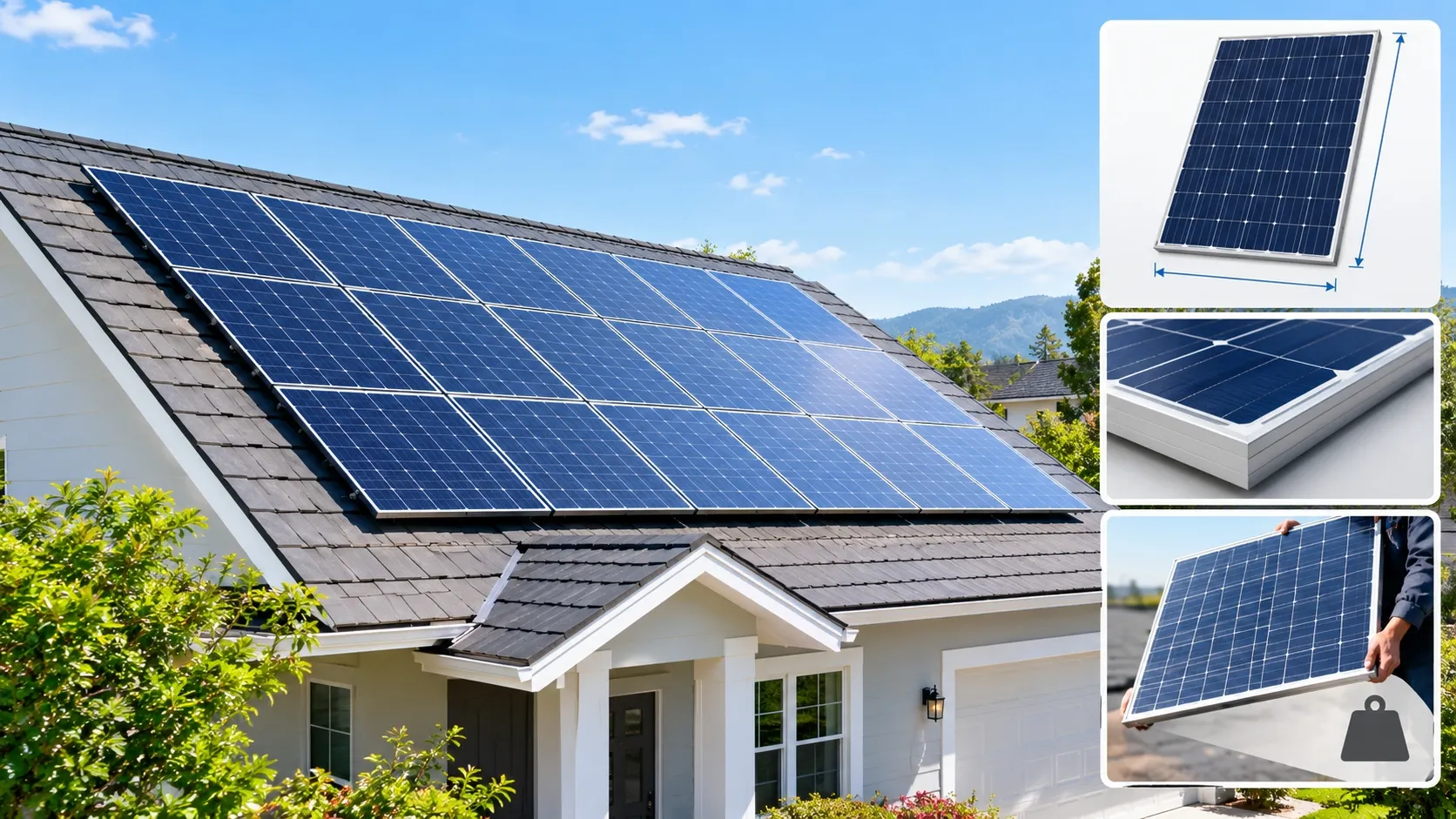
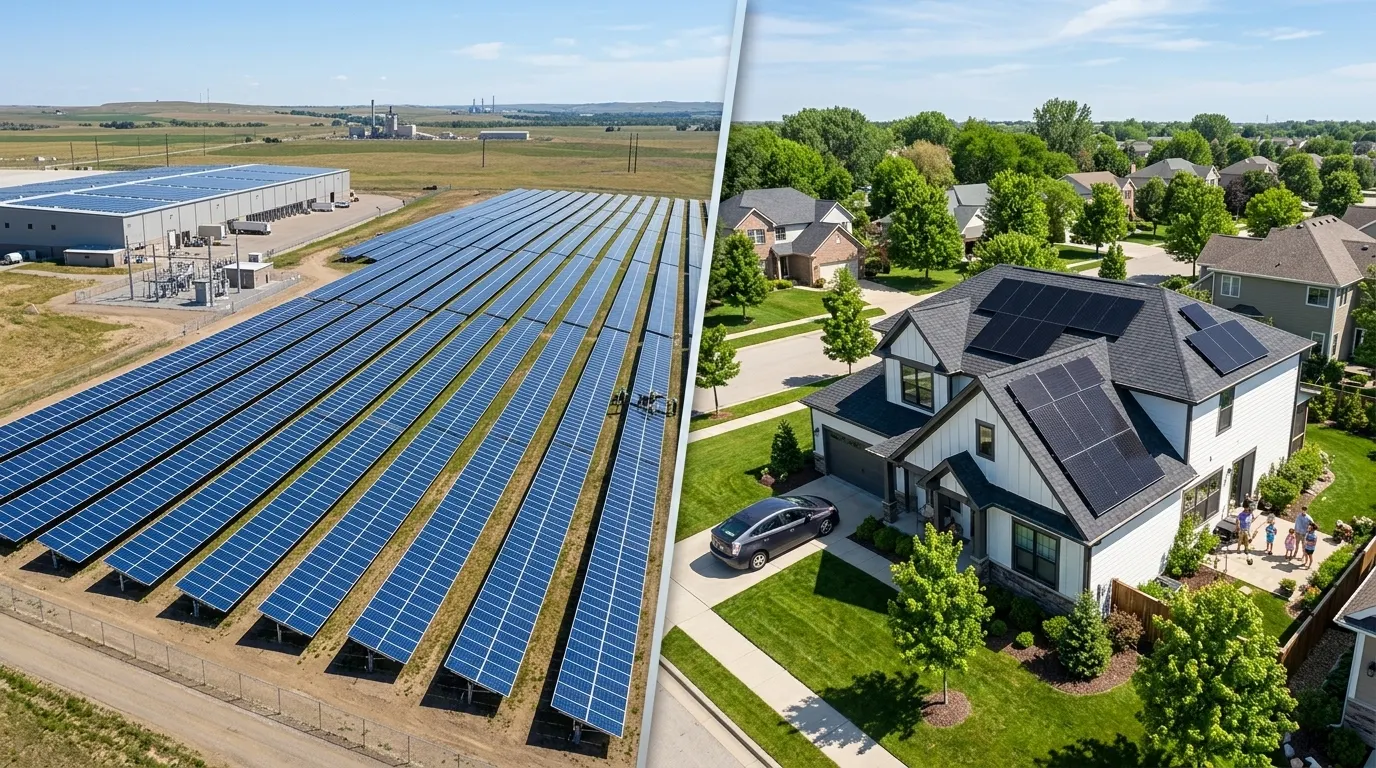
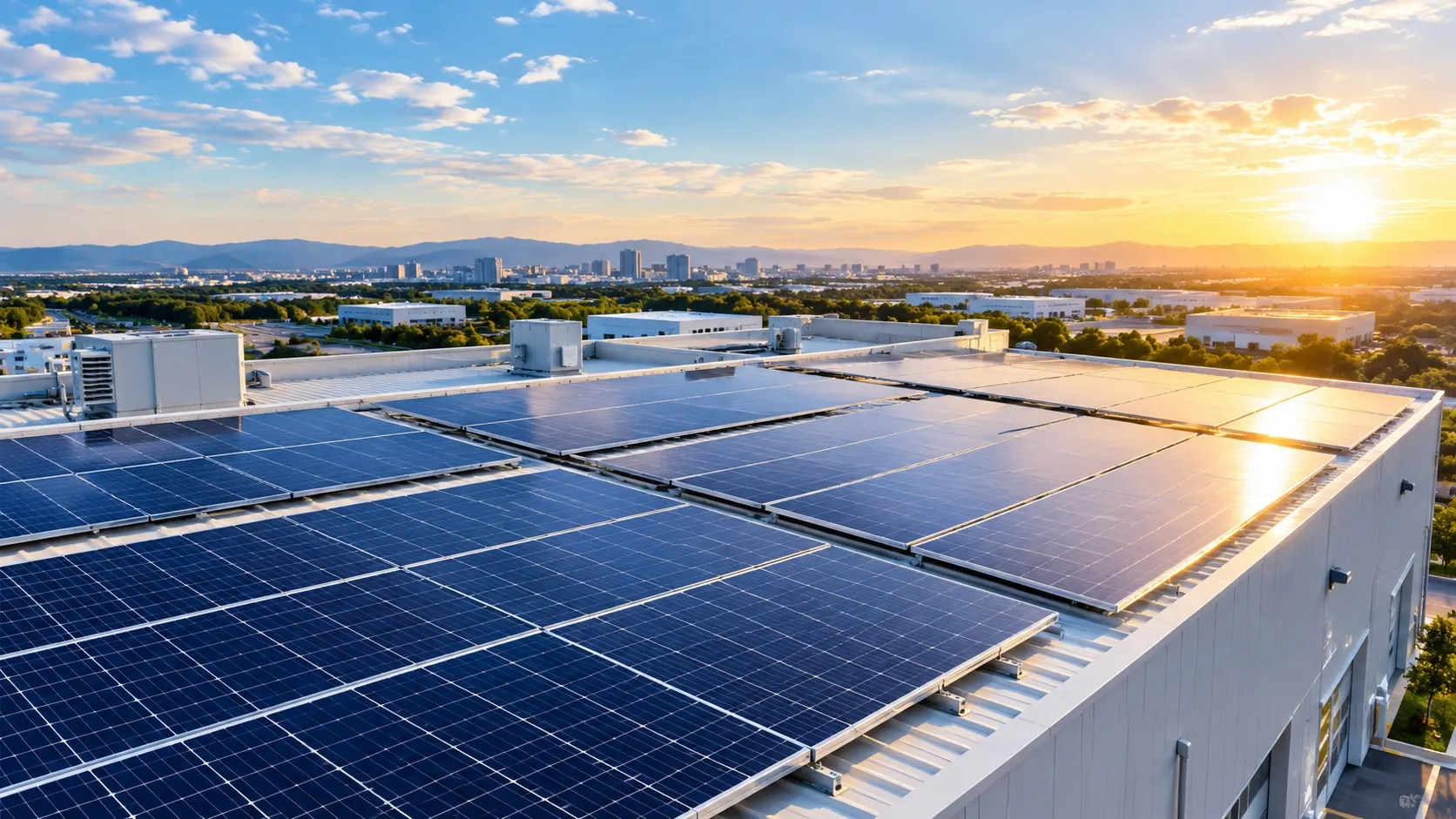
The use of commercial rooftop solar panels in the field is increasingly becoming a feasible solution for businesses to save electricity costs, boost energy efficiency, and produce clean energy at the job site. Commercial buildings, such as the ones listed above, can tap into unused roof top space for generating electricity, which helps lessen reliance on traditional grid energy sources.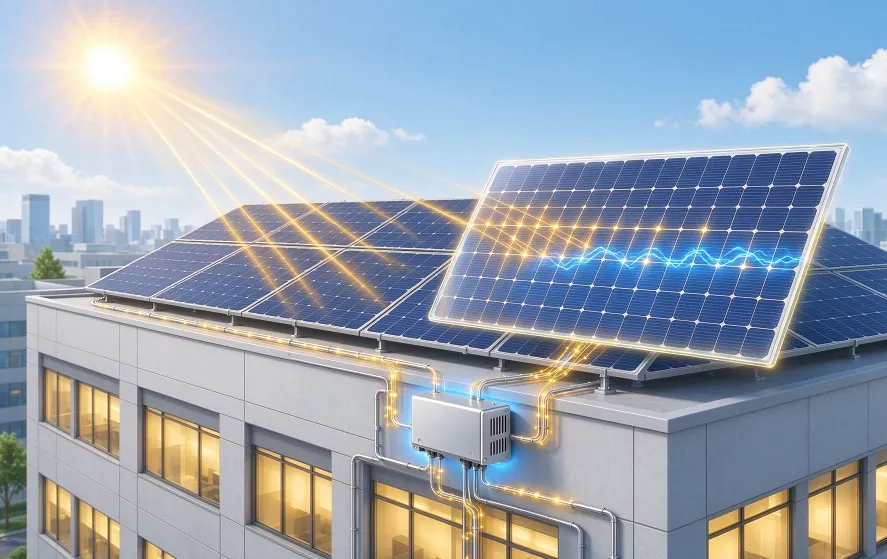
But how does a commercial rooftop solar system actually work?
Solar panels are basically known as devices that convert solar energy into direct current (DC) electricity. The DC electricity is then fed into an inverter to convert it to alternating current (AC) electricity, which can be used by the building electrical equipment. If the system is designed, the surplus electricity can be stored in batteries or sent to the electric grid.
This guide provides an overview of commercial rooftop solar, the key components, advantages and installation process, and factors to consider before investing.
What Is a Commercial Rooftop Solar System?
A commercial rooftop solar system is a solar power system that is installed on the roof of a commercial or business building. The business produces electricity from the sun and uses a portion of the electricity from the utility.
One reason commercial solar systems are larger than residential solar systems is that businesses typically have a more consistent electricity demand and demand more. Multiple solar modules can be installed on large rooftops too.
Typical applications include:
- Manufacturing facilities
- Warehouses and logistics centers
- Office buildings
- Retail stores and shopping centers
- Hotels and restaurants
- Hospitals and healthcare facilities
- Schools and universities
- Agricultural and industrial buildings
The system can be an on-grid, off-grid or hybrid solar system based on the energy needs, grid availability and desired level of back-up power of the property.
How Do Commercial Rooftop Solar Panels Work?
The operating process is relatively straightforward.
1. Solar Panels Capture Sunlight
The first thing that happens is that the sun's rays strike the PV cells within the solar panels. Usually constructed of semiconductor materials like silicon.
When light is absorbed by the cells it produces an electrical current, or direct current (DC).
Several factors affect the amount of electricity generated, such as:
- Solar panel efficiency
- Available roof area
- Sunlight intensity
- Panel orientation and tilt
- Shading
- Weather conditions
- System design and equipment quality
Monocrystalline panels can be more efficient in commercial applications where space on the roof may be limited and therefore may be attractive.
2. The Inverter Converts DC to AC
Alternating current (AC) is typically used in commercial buildings and direct current (DC) is generated by solar panels.
That's where a solar inverter comes into play.
This inverter changes the direct current electricity generated by the solar panels to alternating current electricity that is suitable for the building's electrical equipment, such as lights, computers, air-conditioning systems, machinery, pumps and other equipment.
Modern commercial inverters can also offer protection functions, performance data and even system monitoring.
3. Solar Electricity Powers the Building
After electricity is transformed to usable AC power it can be routed through the building's electrical system.
When it's sunny, electricity generated by the sun can directly power electricity use from the grid.
For instance, a factory with machines running during the day could use a lot of electricity, while at the same time producing electricity from the roof-mounted solar PV system. The building's solar generation is prioritized first and reduces their reliance on electricity from the utility.
This is one of the key benefits of commercial rooftop solar: it provides an opportunity to match commercial electricity demand during the day.
4. Excess Energy Can Be Stored or Exported
Depending on the system configuration and local legislation, there are a number of different options available should the solar system produce more electricity than is required by the building.
Surplus electric power can be:
- Stored in a battery system
- Exported to the electrical grid
- Used for additional on-site loads
- Managed through an energy management system
Businesses that require power after dark, wish to have back-up power, or would like to better control when stored solar energy is used find battery storage to be particularly beneficial.
Main Components of a Commercial Rooftop Solar System
A complete commercial rooftop solar installation usually includes several key components.
Solar Panels
Solar panels are responsible for converting sunlight into DC electricity. Panel efficiency, power output, degradation rate, warranty, and temperature performance are important considerations when selecting commercial modules.
Solar Inverters
The inverter converts DC electricity into AC electricity. Commercial systems may use centralized, string, or other inverter configurations depending on system size and design requirements.
Mounting Structure
Mounting structures securely attach the solar panels to the rooftop while maintaining the appropriate orientation and tilt. The structure must be selected according to roof type, wind conditions, structural requirements, and local regulations.
Battery Energy Storage
Batteries store excess solar electricity for later use. They can help businesses increase solar self-consumption, reduce reliance on the grid during certain periods, and provide backup power when properly designed.
Monitoring System
Solar monitoring allows businesses and system operators to track energy production, system performance, faults, and historical data. Monitoring can make it easier to identify performance problems and schedule maintenance.
Electrical Protection and Balance-of-System Equipment
Commercial solar installations also require cables, disconnects, protection devices, distribution equipment, meters, and other electrical components. Proper engineering and installation are essential for system safety and long-term reliability.
What Are the Benefits of Commercial Rooftop Solar?
Lower Electricity Costs
The primary reason many businesses invest in rooftop solar is to reduce electricity expenses. Generating electricity on-site can reduce the amount of power purchased from the grid.
The actual savings depend on system size, electricity tariffs, solar generation, operating hours, and local policies.
Better Energy Cost Predictability
Electricity prices can change over time. Producing a portion of electricity internally can give businesses greater control over their long-term energy costs.
Better Use of Existing Roof Space
A commercial roof is often an underutilized asset. Installing solar panels turns available rooftop space into a productive energy-generating resource without requiring additional land.
Reduced Carbon Footprint
Solar power generates electricity without directly burning fossil fuels during operation. Businesses can therefore reduce the carbon intensity associated with their electricity consumption.
Improved Sustainability Credentials
Commercial customers, investors, employees, and supply-chain partners increasingly pay attention to environmental performance. Investing in renewable energy can support broader corporate sustainability objectives.
Long-Term Performance
Quality solar panels are designed for long-term operation, with many manufacturers offering warranties covering decades of performance. Proper system design, installation, monitoring, and maintenance can help maximize the useful life of the installation.
How Long Does a Commercial Rooftop Solar System Last?
A commercial solar system is designed as a long-term energy asset. Solar panels commonly have expected operating lives of around 25 years or more, although actual performance depends on the equipment, environment, installation quality, and maintenance.
The inverter and other electrical components may have different service lives and could require replacement or upgrades during the overall project lifetime.
For this reason, businesses should evaluate more than the initial installation price. Equipment quality, warranty coverage, maintenance requirements, energy yield, and long-term support should all be considered.
What Should Businesses Consider Before Installation?
Before installing commercial rooftop solar, a professional site assessment should evaluate:
- Available roof area
- Roof condition and remaining life
- Structural load capacity
- Electricity consumption patterns
- Peak demand
- Solar irradiation
- Shading
- Electrical infrastructure
- Grid connection requirements
- Battery storage requirements
- Local regulations and approvals
The system needs to be sized based on the business's real electricity usage pattern and not by installing as many panels as possible.
Is Commercial Rooftop Solar Worth It?
In the long term, commercial rooftop solar can be a viable solution for energy sustainability and lower electricity expenses for many businesses. However, the returns on the investment differ from project to project.
The overall system cost, the annual energy generation that can be anticipated, the price of the electricity, incentives available, financing terms, maintenance costs, and the electricity system life are worth taking into consideration for businesses.
A professional feasibility study can offer a realistic calculation of energy savings, payback and ROI.
Conclusion
Commercial rooftop solar is the process of harnessing sunlight and transforming it into electricity which can be utilized to power the business operations. The solar panels produce direct current (DC) electricity, which is then converted to alternating current (AC) electricity by the power inverter, and then used by the building's electrical equipment. Excess energy can either be stored in battery banks or sent back to the grid, again depending on the system design.
Commercial solar can offer several benefits to businesses that have ideal rooftop space and have a high daytime energy use, such as reduced energy bills, increased energy independence, making efficient use of existing property and minimised environmental impacts.
The best way to do this is to begin with a professional site assessment and energy analysis. A correctly sized and designed commercial roof top solar power system may turn into a long haul energy asset that is helpful with financial performance and sustainability goals.
Share on Social:


In This Article
- 1 But how does a commercial rooftop solar system actually work?
- 2 What Is a Commercial Rooftop Solar System?
- 3 How Do Commercial Rooftop Solar Panels Work?
- 4 Main Components of a Commercial Rooftop Solar System
- 5 What Are the Benefits of Commercial Rooftop Solar?
- 6 How Long Does a Commercial Rooftop Solar System Last?
- 7 What Should Businesses Consider Before Installation?
- 8 Is Commercial Rooftop Solar Worth It?
- 9 Conclusion
