


Commercial Solar System Design
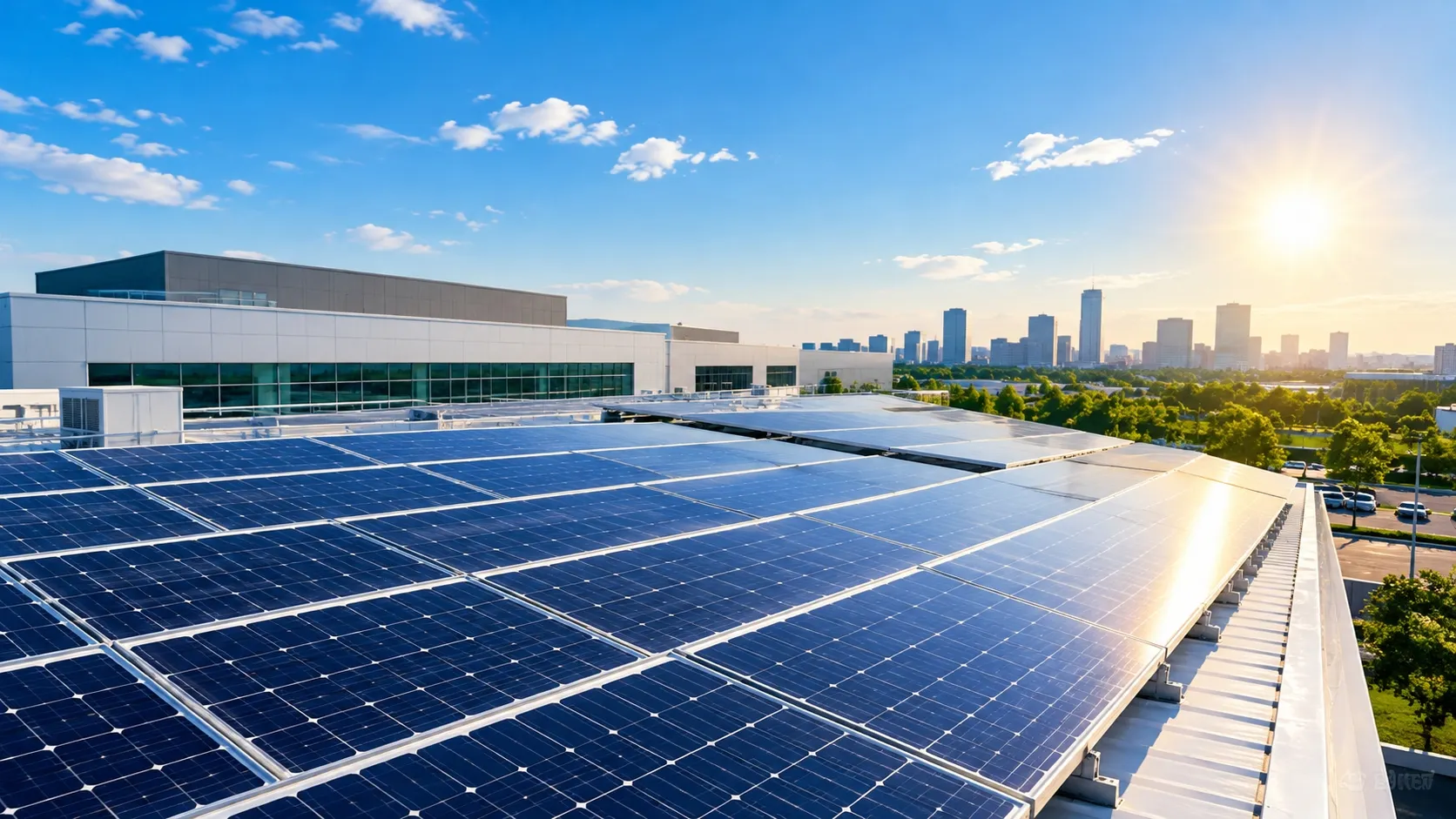
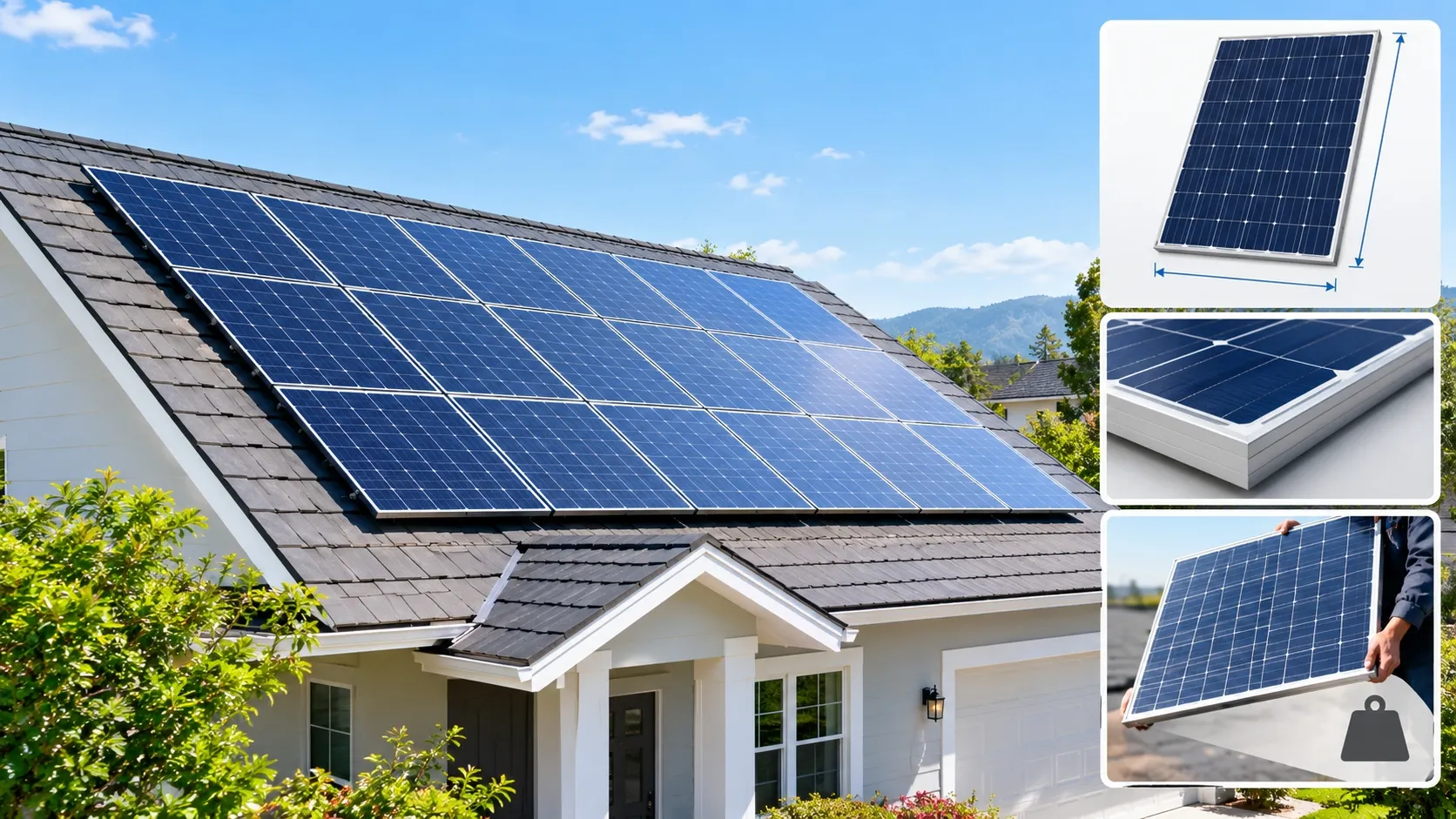
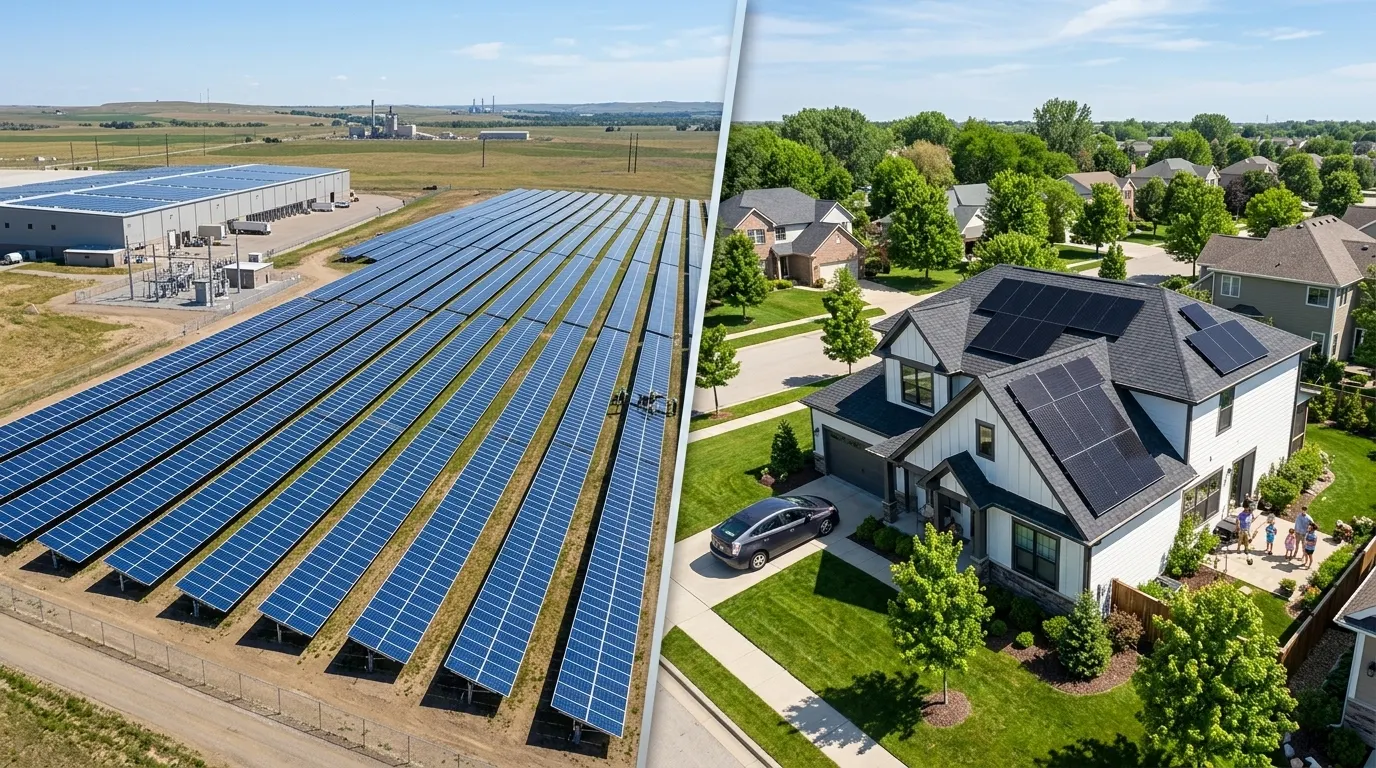
The key to a successful commercial solar project is a well-designed system. Commercial Solar System Design can help businesses leverage available rooftops or ground space to generate sustainable, renewable electricity, lower their power bills, and boost energy efficiency, all while contributing to their sustainability objectives.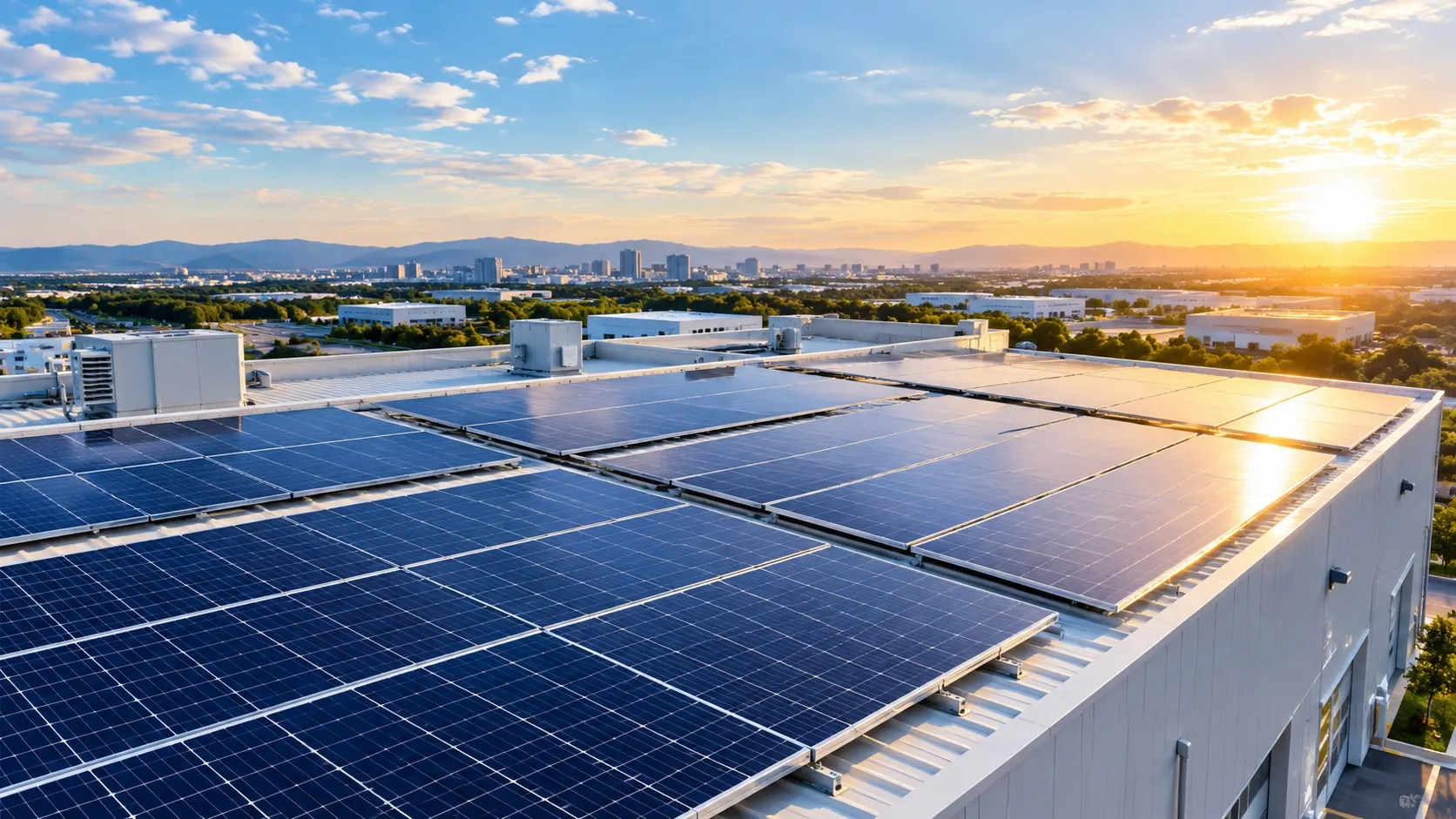
The solar power system installed at commercial buildings needs to have to serve higher electricity demands, complex electrical structures, structural requirements, utility interconnection rules, and long-term financial goals, compared to solar power systems at residential buildings. The choice of solar panel placement, inverter selection, and other design elements can have a significant impact on the system's performance, installation costs, and return on investment (ROI).
This guide provides an explanation of how to design a commercial solar power system, assess the suitability of a site, select the key components, estimate energy supply and understand permitting requirements. Regardless of whether you're running a warehouse, manufacturing plant, office complex, retail store, or industrial building, these are all key concepts to keep in mind when making decisions about your solar investment.
1. What Is Commercial Solar System Design?
Commercial Solar System Design is the engineering and design approach to creating a PV system for a commercial or non-residential property. It incorporates energy analysis, site evaluation, electrical engineering, equipment selection, financial modeling and regulatory compliance.
A full commercial solar design will usually consist of:
-
Energy consumption analysis: Reviewing electricity bills, demand patterns, and operating schedules.
-
Site assessment: Evaluating available roof space, ground area, shading, and environmental conditions.
-
System sizing: Determining the appropriate solar capacity for the property's energy requirements.
-
Equipment selection: Choosing solar modules, inverters, mounting structures, wiring, and monitoring systems.
-
Electrical engineering: Planning circuits, protection equipment, grounding, and grid connections.
-
Financial analysis: Estimating installation costs, energy savings, financing options, and payback periods.
-
Permitting and interconnection: Preparing engineering documents and obtaining required approvals.
The objective is not simply to install as many solar panels as possible. Instead, an effective design balances energy generation, available space, capital investment, operational requirements, and long-term financial performance.
2. Evaluate the Site Before Designing the System
A comprehensive site assessment is the foundation of commercial solar system design. Identifying potential constraints early can reduce redesign costs, installation delays, and unexpected expenses.
Assess Roof or Ground Conditions
Commercial solar installations commonly use existing rooftops, ground-mounted arrays, and solar carports.
Rooftop systems can make use of otherwise underutilized space, making them attractive for warehouses, factories, and commercial buildings. However, engineers must evaluate roof age, structural capacity, waterproofing, wind uplift, and available installation area.
Ground-mounted systems offer greater flexibility in panel orientation and spacing. They may be suitable for businesses with available land, although grading, drainage, soil conditions, access roads, and underground utilities must also be considered.
Solar carports provide another option by generating electricity while shading parking areas.
Analyze Shading and Solar Exposure
Shading from nearby buildings, trees, rooftop equipment, chimneys, and other obstructions can reduce energy production. Designers should assess how shadows change throughout the day and across different seasons.
A professional solar feasibility study may use satellite imagery, on-site measurements, and specialized modeling software to evaluate solar exposure and estimate annual production.
Review Structural and Environmental Requirements
The mounting system must accommodate the combined loads imposed by solar modules, mounting hardware, wind, snow, and other site-specific conditions.
A structural engineer may need to verify the roof or foundation before installation. If a roof replacement is approaching, completing that work before installing solar panels can help avoid the additional cost of removing and reinstalling the array later.
3. Analyze Electricity Consumption and Determine System Size
One of the most important steps in commercial solar system design is matching solar generation to a business's actual electricity demand.
Review Historical Electricity Usage
Start by collecting 12 months or more of utility bills. For facilities with significant seasonal variation, additional interval-meter data can provide a more accurate picture of consumption.
Key information includes:
-
Monthly and annual electricity consumption in kilowatt-hours (kWh).
-
Peak demand and demand charges.
-
Electricity prices and time-of-use rates.
-
Daytime versus nighttime consumption.
-
Seasonal operating patterns and planned facility expansions.
For example, a manufacturing plant that operates primarily during daylight hours may consume a large portion of its solar generation directly. A facility that runs overnight may need a different system configuration or battery storage to maximize the value of its solar investment.
Calculate the Appropriate Solar Capacity
A preliminary estimate of system capacity can be developed using the following formula:
Annual yield represents the estimated electricity production per installed kilowatt and varies according to geographic location, shading, system orientation, equipment, and other losses.
For example, if a business wants to generate 300,000 kWh annually and its estimated solar yield is 1,200 kWh per installed kW per year, the preliminary system size would be approximately 250 kW.
This is only an initial estimate. The final design should account for available space, hourly consumption, utility export limits, equipment specifications, and the economics of self-consumption.
Important: A system that offsets 100% of annual electricity consumption does not necessarily eliminate every utility bill. Fixed service charges, demand charges, nighttime consumption, and local compensation rules can still affect total costs.
4. Select the Right Solar Panels and Inverters
Equipment selection influences system efficiency, reliability, maintenance requirements, and overall project economics.
Solar panels
Monocrystalline photovoltaic modules are widely used in commercial projects because of their power density and broad availability. Compare module efficiency, temperature performance, degradation rates, product warranties, certifications, and supplier reliability. Higher-efficiency modules can be particularly valuable when usable roof space is limited.
Solar inverters
Inverters convert the direct current (DC) generated by solar panels into alternating current (AC) used by commercial electrical systems. String inverters are common in commercial installations because they offer flexible system configurations and straightforward maintenance. Central inverters may suit certain larger projects, while module-level power electronics can help address specific shading or monitoring requirements.
Mounting structures and electrical equipment
Racking, connectors, cables, combiner boxes, disconnects, grounding, and surge protection must be compatible with the overall system. Select mounting hardware according to roof type, structural requirements, environmental exposure, and applicable building codes.
Rather than choosing components based solely on the lowest purchase price, businesses should evaluate lifetime performance, warranty coverage, replacement costs, and service availability. Equipment compatibility and professional engineering review are essential for a dependable installation.
5. Choose the Best Commercial Solar System Configuration
The optimal configuration depends on the property's physical conditions, energy demand, and operational goals.
|
System type |
Best suited for |
Main consideration |
|---|---|---|
|
Rooftop solar |
Warehouses, factories, offices, and retail buildings |
Roof strength and usable space |
|
Ground-mounted solar |
Businesses with available land |
Land preparation and site infrastructure |
|
Solar carports |
Commercial parking lots and campuses |
Structural cost and parking layout |
|
Solar plus battery storage |
Facilities seeking load management or backup capability |
Battery cost, usable capacity, and operating strategy |
Battery storage can help businesses shift solar energy to later hours, manage selected demand peaks, or support designated critical loads during outages when the system is appropriately designed.
However, batteries are not automatically cost-effective for every commercial property. Their value depends on electricity tariffs, demand charges, outage requirements, operating schedules, and available incentives.
6. Estimate Commercial Solar Costs and Financial Returns
Commercial solar should be evaluated as a long-term business investment rather than simply an equipment purchase.
Calculate Installation Costs
The total project budget may include:
-
Solar modules and inverters.
-
Mounting systems and electrical balance-of-system equipment.
-
Structural reinforcement or roof improvements.
-
Engineering, permitting, and utility interconnection.
-
Labor, construction equipment, and commissioning.
-
Monitoring, maintenance, insurance, and future equipment replacement.
Project size, roof complexity, electrical upgrades, local labor rates, and grid connection requirements can all affect the final price.
Evaluate ROI and Payback Period
A basic payback estimate is calculated as:
Annual net savings should account for avoided electricity purchases, export credits where applicable, operating expenses, and other relevant cash flows.
For a more complete assessment, businesses can also compare net present value (NPV), internal rate of return (IRR), and lifetime cash flows under different electricity-price and production scenarios.
Financing options may include cash purchases, commercial loans, equipment leases, and power purchase agreements (PPAs). The best structure depends on the company's cash flow, tax position, risk tolerance, and ownership preferences.
In the United States, federal, state, and local incentives may affect project economics. Eligibility and availability depend on the specific project, applicable law, ownership structure, and current program requirements. Businesses should verify incentives with qualified tax and energy professionals rather than assume a particular credit will apply.
7. Complete Electrical Engineering, Permitting, and Grid Interconnection
A commercial solar system must satisfy applicable electrical, structural, fire-safety, and utility requirements before it can be installed and operated.
Develop Detailed Engineering Plans
A construction-ready design typically includes site layouts, solar array placement, electrical single-line diagrams, inverter specifications, circuit calculations, conductor sizing, grounding details, and equipment schedules.
Engineers must verify that the proposed system is compatible with the building's electrical service and existing distribution equipment. Larger installations may require transformer upgrades, switchgear modifications, or additional utility studies.
In the United States, applicable National Electrical Code (NEC) provisions, local building codes, fire codes, and utility requirements should be reviewed for each project.
Obtain Permits and Utility Approval
Commercial solar projects commonly require approval from the local authority having jurisdiction and the electric utility. Depending on the location and system size, additional environmental, structural, or fire-department reviews may apply.
Utility interconnection can be a significant source of project delays. Application requirements, engineering studies, equipment restrictions, and approval timelines vary by utility and project complexity.
Businesses should begin interconnection planning early and coordinate the engineering schedule with permitting and procurement. Installation and energization should proceed only when the required approvals and safety conditions are satisfied.
8. Use Solar Design Software to Improve Accuracy
Professional solar design software helps engineers evaluate layouts, simulate energy generation, and identify potential design problems before construction.
Commonly used tools include HelioScope for photovoltaic layout and performance modeling and PVsyst for detailed energy-yield simulations. The appropriate software depends on project complexity and the engineering team's workflow.
These tools can support:
-
Three-dimensional site and shading analysis.
-
Solar module placement and string configuration.
-
Inverter sizing and electrical design.
-
Annual energy production estimates.
-
System-loss analysis and performance modeling.
-
Comparison of alternative system layouts.
Software results are only as reliable as their underlying assumptions. Accurate weather data, site measurements, equipment specifications, shading inputs, and loss assumptions are essential.
For larger projects, designers may also evaluate conservative production scenarios and document key uncertainties to support financing and investment decisions.
9. Common Commercial Solar Design Mistakes to Avoid
Even a project with high solar potential can underperform if important design decisions are overlooked.
Mistake 1: Sizing the system using annual consumption alone. A yearly electricity total does not reveal when energy is consumed. Analyze hourly or interval load data to understand self-consumption and export opportunities.
Mistake 2: Ignoring roof condition and structural limitations. An unsuitable roof can require expensive reinforcement or replacement. Complete structural assessments before finalizing the design.
Mistake 3: Overlooking utility restrictions. A technically feasible system may still face export limits or electrical infrastructure constraints. Investigate interconnection requirements early.
Mistake 4: Choosing equipment based only on upfront cost. Inexpensive equipment may create higher maintenance expenses or reduce long-term reliability. Compare total lifecycle costs and warranty support.
Mistake 5: Overestimating financial returns. Savings projections should reflect realistic production, electricity tariffs, maintenance costs, financing terms, and incentive eligibility.
Mistake 6: Neglecting monitoring and maintenance. Performance monitoring can help identify inverter faults, production losses, and equipment problems. Plan for inspections, cleaning where necessary, and timely repairs.
10. Frequently Asked Questions About Commercial Solar System Design
How long does commercial solar system design take?
Design duration varies according to project size, site complexity, engineering requirements, and approval procedures. Preliminary assessments may take days or weeks, while detailed engineering and permitting can take several additional weeks or months. Utility interconnection and construction schedules can extend the overall timeline.
What size commercial solar system does my business need?
The required capacity depends on annual electricity consumption, daytime load, available installation area, local solar resources, utility restrictions, and financial objectives. A professional assessment should combine electricity-bill analysis with production modeling and site-specific engineering.
Can commercial solar panels eliminate electricity bills?
They can substantially reduce electricity expenses, but eliminating the entire bill is not guaranteed. Fixed charges, demand charges, nighttime consumption, and export-credit policies can leave a remaining balance.
Is battery storage necessary for a commercial solar system?
No. Many grid-connected commercial systems operate without batteries. Storage becomes worth evaluating when a business needs backup power, wants to shift energy use, or can benefit from demand-charge management. Its financial value must be assessed for the individual site.
How long do commercial solar systems last?
Solar modules commonly carry performance warranties extending 25 years or longer, although actual product warranties vary. Inverters, batteries, and other electrical components may have different service lives and replacement requirements. Regular maintenance and monitoring help protect long-term performance.
Conclusion: Build a Commercial Solar System Around Your Business Needs
Designing a solar system for a commercial building involves a complex process that requires teamwork among energy analysts, site assessors, equipment engineers, electrical engineers, financial planners, and regulators. The best projects start with a good understanding of the way the business utilizes electricity and then create a system based upon their actual usage.
Evaluating structural needs, optimizing system capacity, choosing reliable equipment and meeting utility needs early in the design process can minimize implementation risks and enhance the long-term return on the investment in solar energy.
From rooftop solar for a warehouse to ground mounted solar for an industrial site to solar-plus-storage for a building with critical energy needs, proper engineering and financial modeling is crucial.
Looking to commercial solar for your business? Begin with an energy-use assessment and site feasibility study to determine what system configuration is most appropriate to your operating costs, energy objectives and long-term business plan.
Share on Social:


In This Article
- 1 1. What Is Commercial Solar System Design?
- 2 2. Evaluate the Site Before Designing the System
- 3 3. Analyze Electricity Consumption and Determine System Size
- 4 4. Select the Right Solar Panels and Inverters
- 5 5. Choose the Best Commercial Solar System Configuration
- 6 6. Estimate Commercial Solar Costs and Financial Returns
- 7 7. Complete Electrical Engineering, Permitting, and Grid Interconnection
- 8 8. Use Solar Design Software to Improve Accuracy
- 9 9. Common Commercial Solar Design Mistakes to Avoid
- 10 10. Frequently Asked Questions About Commercial Solar System Design
- 11 Conclusion: Build a Commercial Solar System Around Your Business Needs
