


Commercial Solar Panels Cost
One of the initial questions on the mind of businesses thinking about solar is simple: How much do commercial solar panels cost?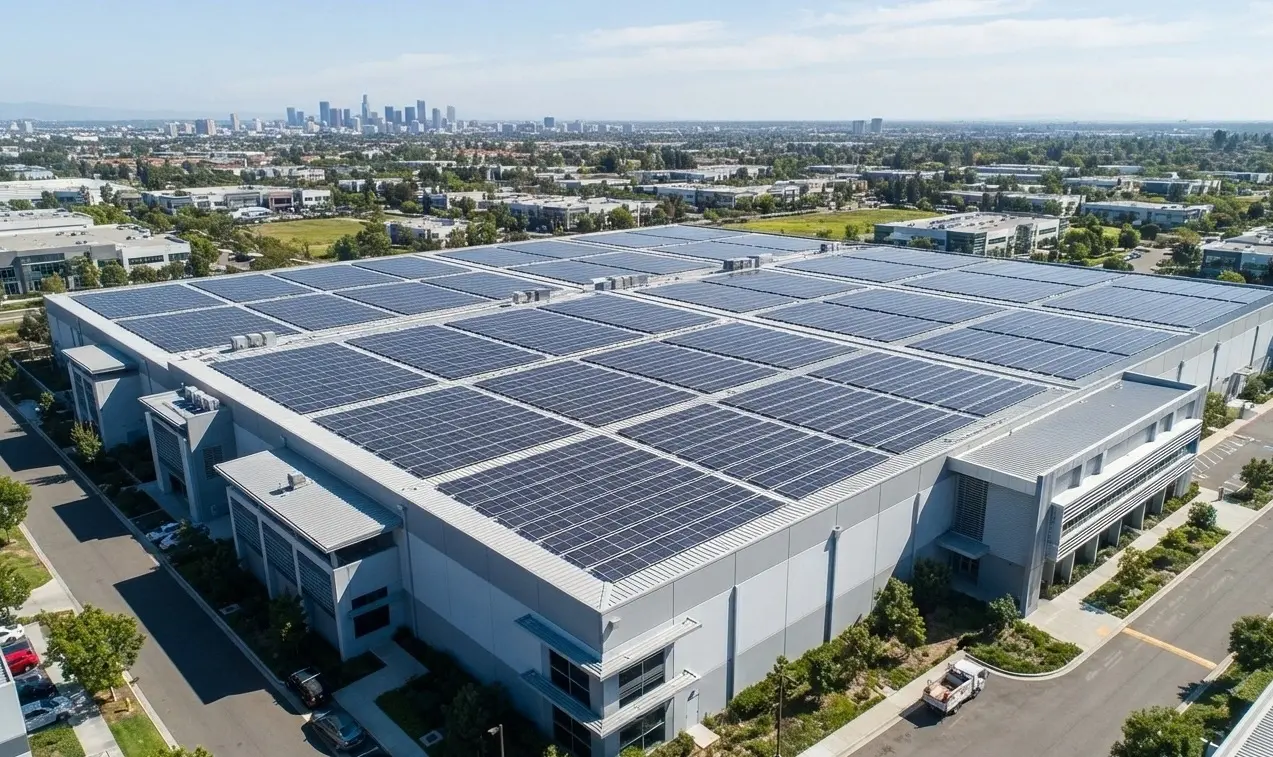
There are far more factors to consider than just the cost of the solar panels. Commercial solar project costs encompass equipment, engineering, installation, electrical, permitting, financing, maintenance and, if applicable, battery storage. The total investment can also be heavily influenced by size and design of the system, building properties, electricity costs and incentives in the region.
By grasping these considerations, business owners, facility managers and commercial property developers can more easily evaluate solar offers and decide if a solar energy system is a part of their long-term energy plans.
What Is a Commercial Solar Energy System?
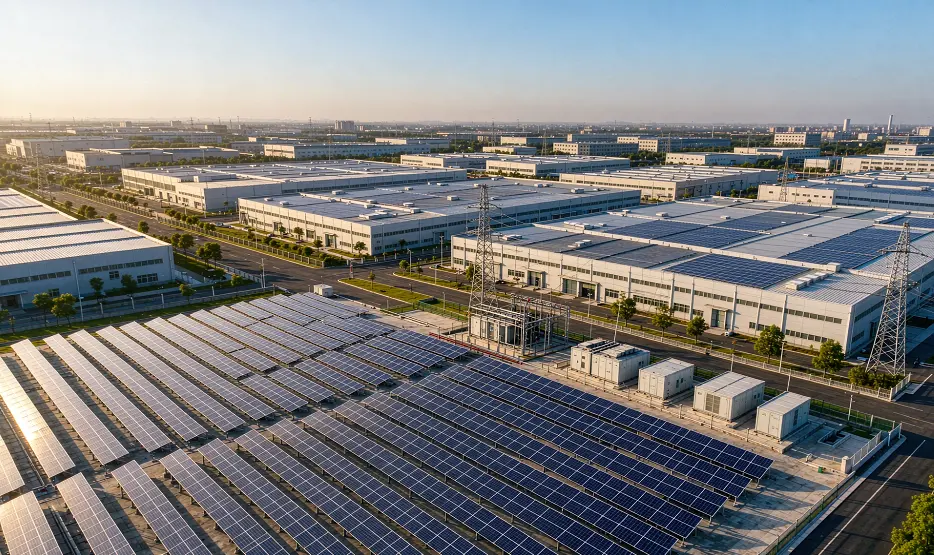
A commercial solar system provides energy to companies and other non-residential buildings. Common uses include distribution centers, schools, restaurants, agriculture buildings, offices, retail stores, manufacturing facilities and warehouses.
A typical commercial solar installation has the following elements:
- Solar photovoltaic (PV) panels
- Inverters
- Mounting and racking systems
- Electrical wiring and protection equipment
- Monitoring systems
- Engineering and system design
- Permitting and inspections
- Installation labor
- Utility interconnection
- Optional battery energy storage
Unlike residential systems, commercial solar installations can range from relatively small rooftop arrays to large systems covering thousands of square feet.
How Much Do Commercial Solar Panels Cost?
The price of any commercial solar project depends on the specific project.
The price of solar panels is usually measured by the cost per watt. The actual installation and project cost is dependent on the size of the system, equipment selection, complexity of installation, roof surface conditions, local electrical system requirements, and local requirements.
For larger systems, other costs such as engineering, permitting, mobilisation and fixed project costs are spread over a larger installed capacity which can sometimes result in a lower cost per watt.
Therefore, companies should not just rely on the overall contract costs to compare commercial solar options.
Comparisons should include:
- Total system capacity
- Installed cost per watt
- Estimated annual electricity production
- Equipment specifications
- Warranty terms
- Expected system degradation
- Operations and maintenance requirements
- Financing costs
- Incentives and tax benefits
- Estimated lifetime energy savings
What Determines Commercial Solar Installation Cost?
Several factors influence the total cost of a commercial solar project.
1. System Size
The main cost contributors include system size.
The electricity usage of the business will affect how much PV capacity is needed, as well as the building size.The size of the PV system will depend on the amount of electricity used in the business, as well as the size of the building. Based on historical electricity use, utility rates, operating schedules, available roof/ground space and the quantity of electricity the business desires to offset, the size of the system should be determined.
More panels, racking, wiring, inverters, and manpower are needed for a large system. But larger scale commercial projects can have economies of scale too.
2. Solar Panel and Inverter Selection
Solar modules are just one element of a commercial solar system.
Inverter technology, mounting equipment, monitoring systems, electrical components and optional battery storage are all factors a business needs to take into account.
More efficient panels could be more expensive up front, but can generate more power out of a smaller roof. This may be especially significant when installation space is limited, as in a commercial building.
The quality of equipment is also a factor since commercial solar systems are designed to be operated for long periods of time. The warranty, degradation rates, manufacturer reliability and compatibility should therefore be taken into account with the purchase price.
3. Roof Condition and Building Structure
The cost of the installation can be significantly impacted by the building itself.
The large, relatively simple commercial roof can offer a good installation surface. However, a roof that features a multitude of levels, odd angles, obstructions, aging materials, or structural constraints might need extra engineering and manpower.
Contractors may need to assess prior to installation:
- Roof age and condition
- Structural load capacity
- Roof pitch
- Available installation area
- Shading
- HVAC equipment
- Skylights and vents
- Electrical infrastructure
If a roof needs repairs or replacement, completing that work before solar installation may be necessary.
4. Electrical Upgrades
However, commercial solar systems have to meet safety requirements for connection to the building's electrical network and in most instances the power grid.
Electrical upgrades, new switchgear, transformers, wiring or other equipment may be necessary for some buildings. The scope is based on the current electric system and the size of the proposed solar design.
These expenses can be significantly different depending on the property.
5. Engineering, Permitting and Interconnection
While installing solar panels on the roof is the easy part of commercial solar projects, the planning is what matters.
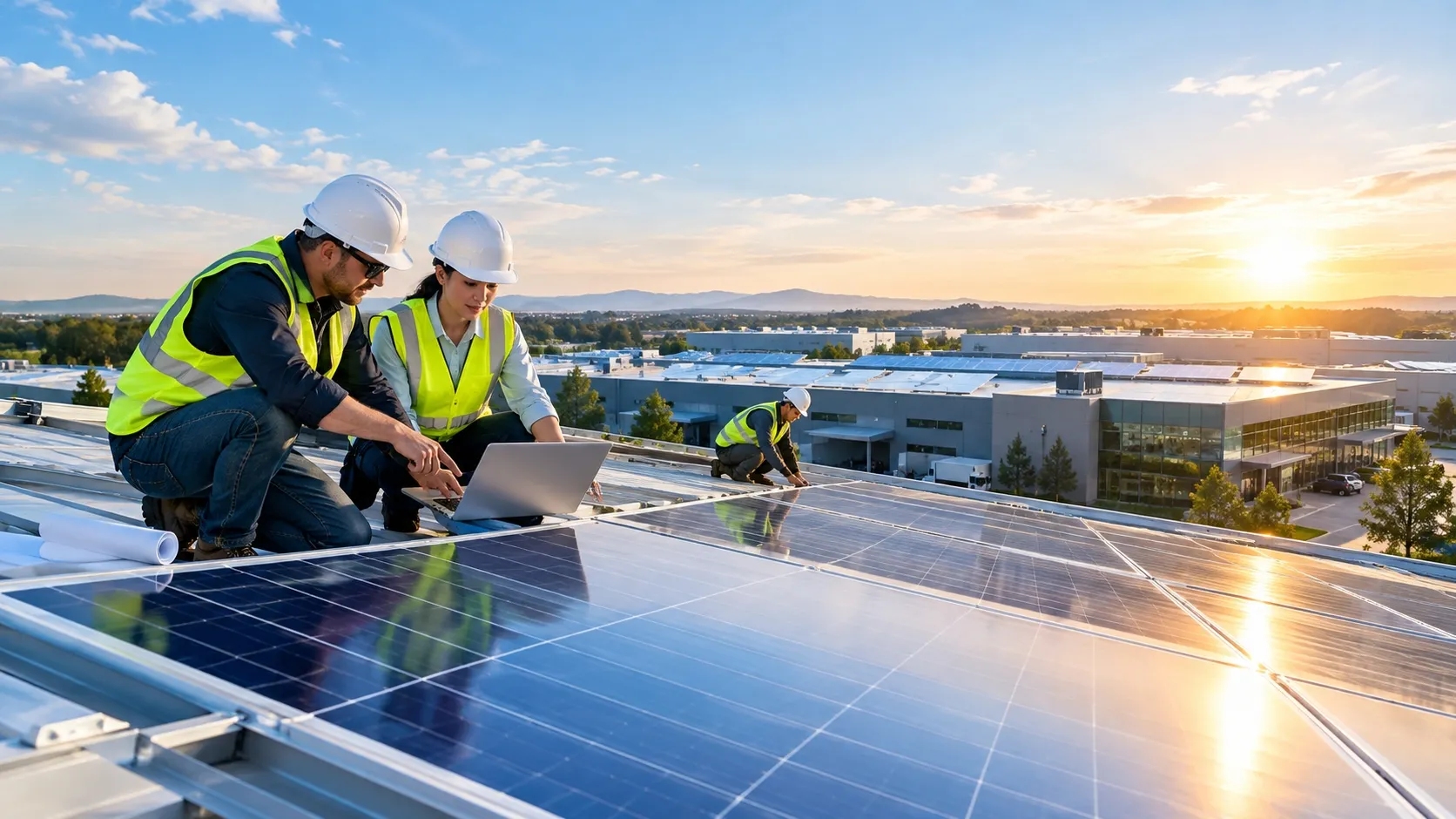
Structural analysis, electrical design, site assessment, system modelling and construction documentation are some components of engineering. Building Permits, Electrical Permits, inspections and utility approval may also be required for businesses.
The requirements for interconnection with utilities will depend on the project location and size and should be factored into the project budget at the outset.
Does Commercial Solar Reduce Electricity Costs?
A key factor for businesses in installing solar is to lower electric consumption from the utility.
The potential savings will vary based on a number of factors, such as:
- Local electricity prices
- Energy consumption
- Solar system size
- Annual solar production
- Utility rate structure
- Demand charges
- Export compensation rules
- System financing
- Available incentives
If your business uses a lot of electricity during the day, you might have enough solar electricity to utilize directly.
This is especially applicable for industrial sites, distribution centres, offices, shops and other buildings that have high electricity usage during the day.
Solar is not a ticket to no electricity bills though. Certain companies will still bill for electricity usage on the grid, demand charges, fixed charges, or costs.
Commercial Solar ROI and Payback Period
Return on investment is one of the most important considerations when evaluating commercial solar.
A basic solar ROI analysis compares the total project investment with the expected financial benefits over the system's operating life.
Key variables include:
Solar Investment = System Cost + Financing + Additional Project Costs
Solar Savings = Avoided Electricity Costs + Incentives + Other Financial Benefits
The payback period is influenced by electricity prices, solar production, project cost, financing structure, and incentives.
Commercial solar systems are generally designed for long-term operation, making it important to evaluate the entire project lifecycle rather than focusing only on the first-year savings.
A professional solar proposal should ideally show estimated annual production, utility savings, degradation assumptions, financing costs, and projected cash flow.
Financing Options for Commercial Solar
Businesses do not necessarily have to pay the entire solar project cost upfront.
Common commercial solar financing structures include:
Cash Purchase
The business pays for the system directly. This can provide maximum ownership of the asset and allows the company to retain applicable financial benefits.
Solar Loan
A solar loan allows the business to spread the project cost over time while maintaining ownership of the system.
Solar Lease
Under a lease arrangement, the business makes scheduled payments for the use of the solar system. Terms and ownership structures vary by provider.
Power Purchase Agreement
With a PPA, a third party may own the solar system and sell the electricity generated to the business under an agreed pricing structure.
Each financing option has different implications for cash flow, ownership, taxes, maintenance, and long-term savings. Businesses should compare the complete financial structure rather than simply choosing the lowest monthly payment.
How Businesses Can Reduce Commercial Solar Costs
There are several practical ways to improve the economics of a commercial solar project.
Improve Energy Efficiency First
Reducing unnecessary electricity consumption can decrease the required solar system size.
LED lighting, efficient HVAC equipment, improved controls, and energy management systems can reduce a facility's overall load.
Compare Multiple Proposals
Businesses should request detailed proposals from qualified commercial solar contractors.
Instead of comparing only the headline price, evaluate equipment, system capacity, estimated production, warranties, installation scope, monitoring, maintenance, and projected financial performance.
Use Available Incentives
Federal, state, local, and utility incentives may reduce the effective cost of a commercial solar installation. Programs change over time, so businesses should verify current eligibility and requirements before making financial assumptions.
Consider Roof Improvements
If a commercial roof is approaching the end of its useful life, repairing or replacing it before installing solar can prevent future complications and additional labor costs.
Evaluate Battery Storage Separately
Battery storage can increase project costs but may provide additional value for businesses with demand charges, time-of-use electricity rates, backup-power requirements, or limited ability to export excess solar electricity.
Is Commercial Solar Worth the Investment?
Commercial solar can offer a solution for businesses to save on electricity usage from the grid, enhance long-term energy planning, and power from an untapped resource like a large commercial roof.
The financial outcomes, however, are quite different with each project.
The first and foremost question is not just "How much do commercial solar panels cost?
What is a better question?
What will the cost of this solar system be, in terms of production, savings and return, over its expected lifetime?
This will depend on the specific project, and involve an assessment of energy use, building characteristics, solar resources, utility rates, equipment and incentives, financing and installation considerations.
Final Thoughts
The price of solar panels isn't just about the cost of the PV panels. The final investment can be impacted by system size, installation complexity, roof conditions, electrical upgrades, equipment selection, engineering, permitting, financing, and maintenance.
A detailed financial analysis of solar is more valuable than an average PV price-per-watt for businesses considering solar.
The most effective commercial solar sale should fully describe the solar system design, total installed cost, energy production, equipment warranties, estimated savings, financing options and long-term assumptions.
When properly planned and analyzed, commercial solar can be a long-term investment for businesses that helps them save on electricity costs and contribute to their sustainability goals.
Share on Social:


- NEXT: Commercial Solar Solutions in Dallas-Fort Worth
- NEXT: Null
In This Article
- 1 What Is a Commercial Solar Energy System?
- 2 How Much Do Commercial Solar Panels Cost?
- 3 What Determines Commercial Solar Installation Cost?
- 4 Does Commercial Solar Reduce Electricity Costs?
- 5 Commercial Solar ROI and Payback Period
- 6 Financing Options for Commercial Solar
- 7 How Businesses Can Reduce Commercial Solar Costs
- 8 Is Commercial Solar Worth the Investment?
- 9 Final Thoughts
