


Commercial Solar Solutions in Dallas-Fort Worth
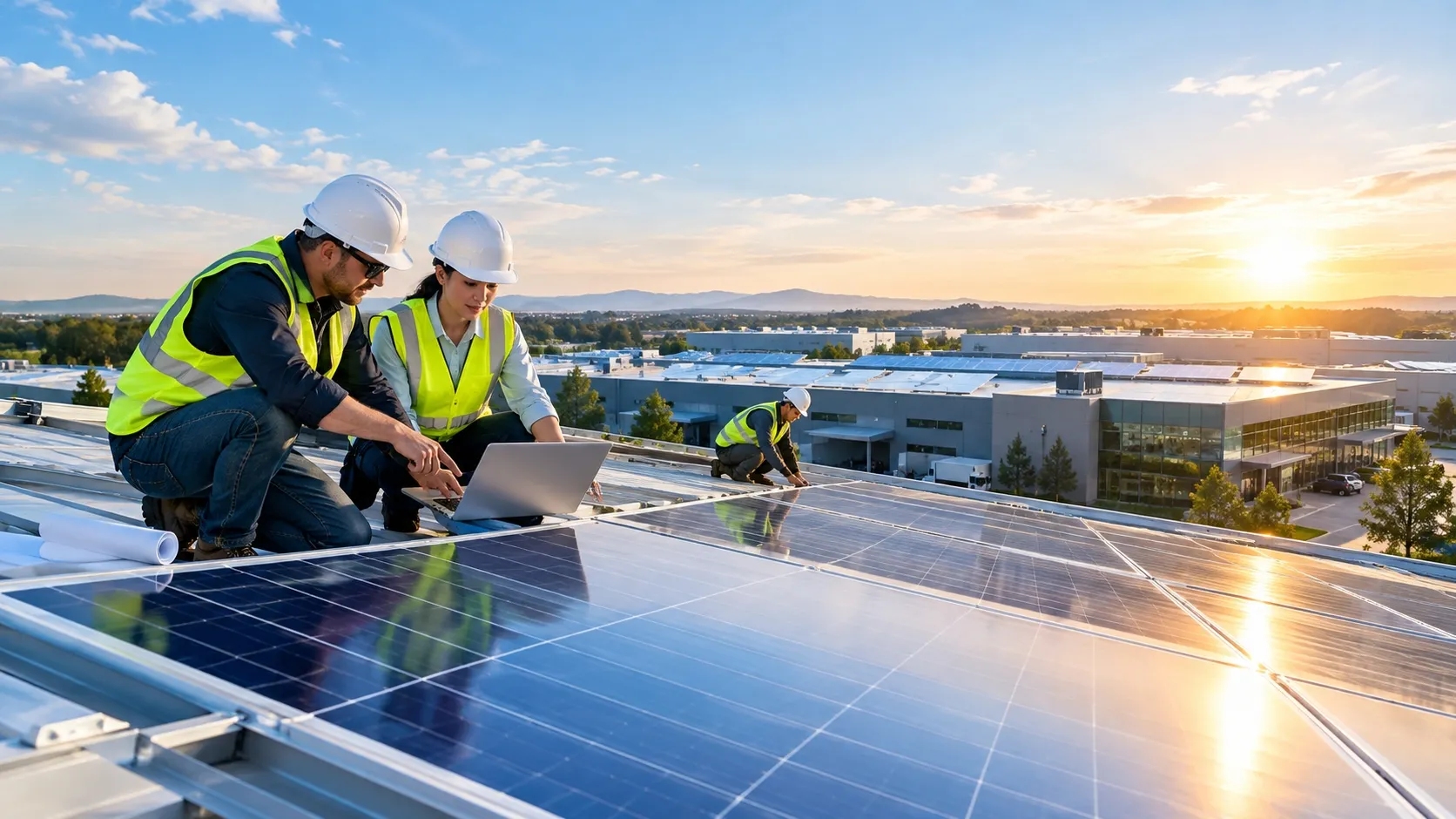
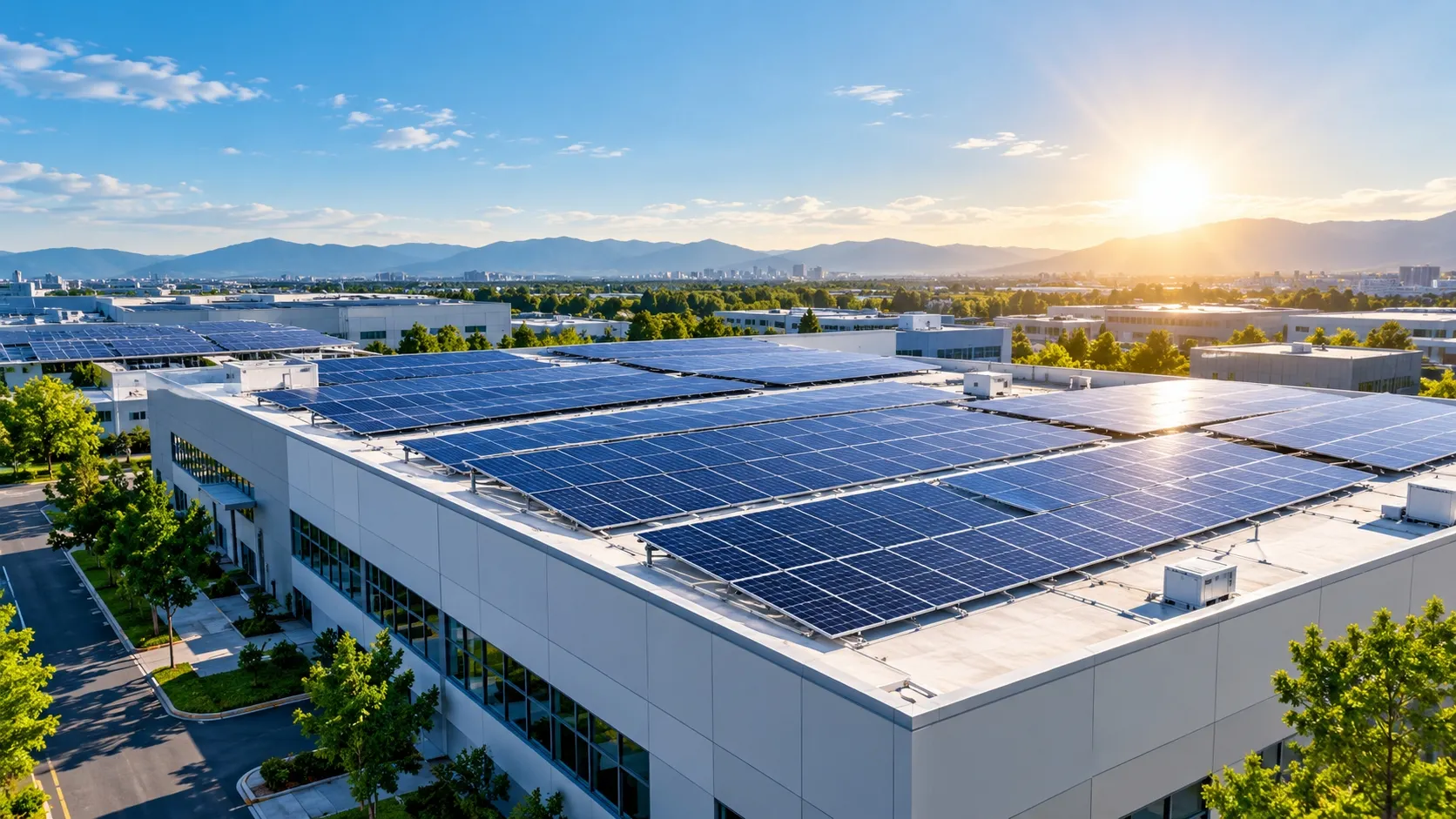
DFW-area businesses everywhere are seeking solutions that will help them manage short- and long-term energy demands while reducing their operational expenses and improving energy efficiency. Commercial solar power is gaining traction as a more significant consideration for commercial buildings, such as offices, warehouses, manufacturing facilities, retail, hotels, healthcare, and other commercial buildings.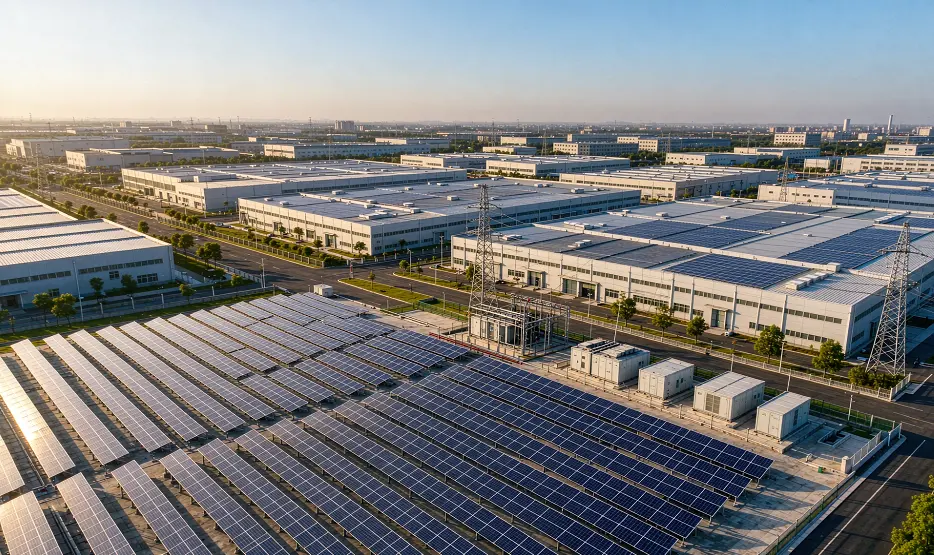
The Dallas-Fort Worth metroplex has plenty of sunshine, large roofs, parking lots, and large daytime electricity demand opportunities for businesses to produce electricity on-site using solar panels.
But commercial solar is more than simply installing photovoltaic panels. To make a project successful, a careful analysis of energy, designing the system, selecting the equipment, getting the permits, connecting the system to utilities, installing the system, monitoring the installation, and maintaining the system over the long term.
Why Consider Commercial Solar in Dallas-Fort Worth?
The DFW Metroplex is a commercial property market that is large and diverse. Whether it's Dallas/Fort Worth, Plano, Frisco, Irving, Arlington, Denton, Lewisville or other communities, businesses have varying energy needs in their facilities.
There are several common challenges that solar can be a solution to for businesses.
1. Reduce Electricity Costs
Some of the main reasons businesses choose solar is to decrease the power that is used by the grid.
When many businesses are in operation during daylight hours, a well-designed commercial solar system can generate electricity. This electricity can be used directly in offices, warehouses, retail outlets, manufacturing facilities and other commercial properties, cutting down on reliance on utility supplied electricity.
The savings realized is dependent upon the cost of electricity, building load, size of solar system, roof orientation, shading, utility billing structure, and hours of operation.
2. Improve Energy Cost Predictability
For businesses that are energy-intensive, the cost of electricity can be a major part of their operating costs.
Solar power enables a business to produce some of its own power rather than buying all its electricity from the utility. This can help to better manage a part of long-term energy costs.
Commercial solar can then be part of a larger energy-management plan for businesses creating facility plans that span five, ten or twenty years.
3. Make Better Use of Commercial Roof Space
Many DFW commercial properties have large, relatively unused rooftop areas.
Some shopping centres, large office buildings, manufacturing plants and warehouses may have large roof areas that could be suitable for PV installations.
A solar professional contractor should assess the structural integrity, available space, orientation, shading, existing electrical infrastructure, and life expectancy of the roof before installing a solar system.
Other arrangements are available - whether solar is mounted on the roof or solar parking canopies (when site conditions permit) - and businesses may want to explore these alternatives.
Commercial Solar Solutions for Different Businesses
Commercial solar systems should be designed around the property's electricity consumption rather than using a one-size-fits-all approach.
Warehouses and Distribution Centers
Warehouses often have large roofs and substantial daytime electricity consumption. Solar panels can convert otherwise unused rooftop space into an on-site energy-generating asset.
Manufacturing Facilities
Manufacturing operations can have high electricity demand from machinery, compressors, HVAC systems, lighting, and other equipment. Solar generation can help offset part of this consumption.
Retail Properties
Shopping centers and standalone retail facilities can use rooftop solar or solar carports to generate electricity while making productive use of available property.
Office Buildings
Office buildings typically consume significant electricity during daylight hours, which can align well with solar production.
Hotels and Hospitality
Hotels have electricity requirements throughout the day and evening. A solar system can offset daytime consumption, while battery storage may be considered for applications requiring additional energy management or backup capabilities.
Healthcare and Other Critical Facilities
Facilities that depend on reliable electricity may consider combining solar generation with battery energy storage and other backup power technologies. System design should be based on the facility's specific reliability requirements.
How a Commercial Solar Project Works
A professional commercial solar project generally begins with an energy and site assessment.
Step 1: Analyze Energy Consumption
The installer reviews historical electricity bills, interval usage data when available, peak demand, operating schedules, and other energy information.
This establishes a baseline for system sizing.
Step 2: Conduct a Site Evaluation
The property is evaluated for roof condition, available installation area, shading, structural considerations, electrical equipment, and potential solar array locations.
Step 3: Design the Solar System
Engineers develop a system based on the property's energy profile and physical characteristics. The design may include solar modules, inverters, racking, monitoring equipment, and potentially battery storage.
Step 4: Review Economics and Incentives
The project should be evaluated using realistic assumptions for system cost, electricity consumption, financing, incentives, maintenance, and expected solar production.
Businesses should confirm current federal, state, local, and utility incentives before making investment decisions because program requirements can change.
For example, Oncor operates a commercial solar incentive program for qualifying customers in its service territory, with eligibility requirements related to system size, interconnection, and annual peak demand.
Step 5: Permitting and Interconnection
Commercial solar projects generally require permitting and utility interconnection approval. These requirements depend on the property's location, system size, utility, and local regulations.
Step 6: Installation and Commissioning
Once approvals are completed, the installation team installs the solar array and associated electrical equipment, completes inspections, and commissions the system.
Step 7: Monitoring and Maintenance
After installation, monitoring software can help track system production and identify potential performance issues.
Routine inspections and maintenance can also help protect long-term system performance.
Solar Panels, Battery Storage, or Both?
Not every business needs battery storage.
For properties with strong daytime electricity consumption, solar panels alone may provide a straightforward solution. However, businesses with specific peak-demand, resilience, or backup-power requirements may consider adding battery energy storage.
A solar-plus-storage system can potentially provide additional flexibility by storing electricity and using it later. The appropriate configuration depends on electricity tariffs, load patterns, backup requirements, battery costs, and the facility's operational priorities.
What Should Businesses Look for in a Commercial Solar Company?
Choosing a commercial solar contractor involves more than comparing panel prices.
Businesses should consider:
- Commercial solar installation experience
- Engineering and system-design capabilities
- Electrical expertise
- Licensing and permitting experience
- Utility interconnection knowledge
- Equipment quality and warranties
- Monitoring capabilities
- Maintenance and service support
- Project management
- Transparent financial analysis
A qualified installer should be able to explain expected solar production, system capacity, project costs, estimated savings, equipment warranties, and important project assumptions.
DFW Solar Electric states that its installation teams serve the Dallas-Fort Worth Metroplex and follow applicable building codes and industry standards. Its current website lists its Flower Mound, Texas location and Texas electrical contractor license information.
Is Commercial Solar Worth Considering in DFW?
The answer depends on each property's energy profile and project economics.
A business with a large suitable roof, significant electricity consumption, strong daytime loads, and a long-term interest in controlling energy costs may have a different solar opportunity than a small facility with limited electricity use.
The best approach is to start with actual electricity bills and a professional site assessment rather than relying on generic savings estimates.
Frequently Asked Questions
How much does commercial solar cost in Dallas-Fort Worth?
Commercial solar costs vary considerably depending on system size, equipment, roof conditions, electrical upgrades, installation complexity, permitting, and whether battery storage is included. A customized proposal is necessary to determine the actual project cost.
How long do commercial solar panels last?
Modern solar panels are designed for long-term operation, but actual performance depends on the equipment, installation quality, environment, and maintenance. Businesses should review the manufacturer's product and performance warranties when comparing systems.
Can solar panels be installed on a commercial warehouse?
Yes. Warehouses can be strong candidates for commercial solar because many have large roof areas and significant daytime electricity consumption. Structural and electrical assessments should be completed before installation.
Can commercial solar include battery storage?
Yes. Solar and battery storage can be integrated into a commercial energy system. Battery storage may be considered for energy management, peak-demand strategies, or backup-power applications.
How do I get started with commercial solar in Dallas-Fort Worth?
Start by collecting recent electricity bills and identifying the property's energy consumption patterns. A commercial solar company can then evaluate the site, estimate system production, develop a design, and provide a project proposal.
Conclusion
Dallas-Fort Worth commercial solar solutions allows businesses to have a greater influence in their energy strategies. Solar can utilize existing roof or property areas to generate electricity on-site at any warehouse, manufacturing facility, office, retail property or other commercial building.
It's not about the size of the solar system that is selected. A project should be an appropriate match for the energy, physical, financial, utility and long-term operating goals of the property.
A Dallas Ft Worth commercial solar assessment and tailored financial analysis is the greatest place to begin for businesses considering commercial solar in Dallas-Ft Worth. An analysis of solar generation, equipment, installation, incentives available, and operating costs can help businesses determine if commercial solar is right for their property.
Share on Social:


- NEXT: Top Commercial Solar Contractors: How to Choose the Right Partner
- NEXT: Null
In This Article
- 1 Why Consider Commercial Solar in Dallas-Fort Worth?
- 2 Commercial Solar Solutions for Different Businesses
- 3 How a Commercial Solar Project Works
- 4 Solar Panels, Battery Storage, or Both?
- 5 What Should Businesses Look for in a Commercial Solar Company?
- 6 Is Commercial Solar Worth Considering in DFW?
- 7 Frequently Asked Questions
- 8 Conclusion
