


Top Commercial Solar Contractors: How to Choose the Right Partner
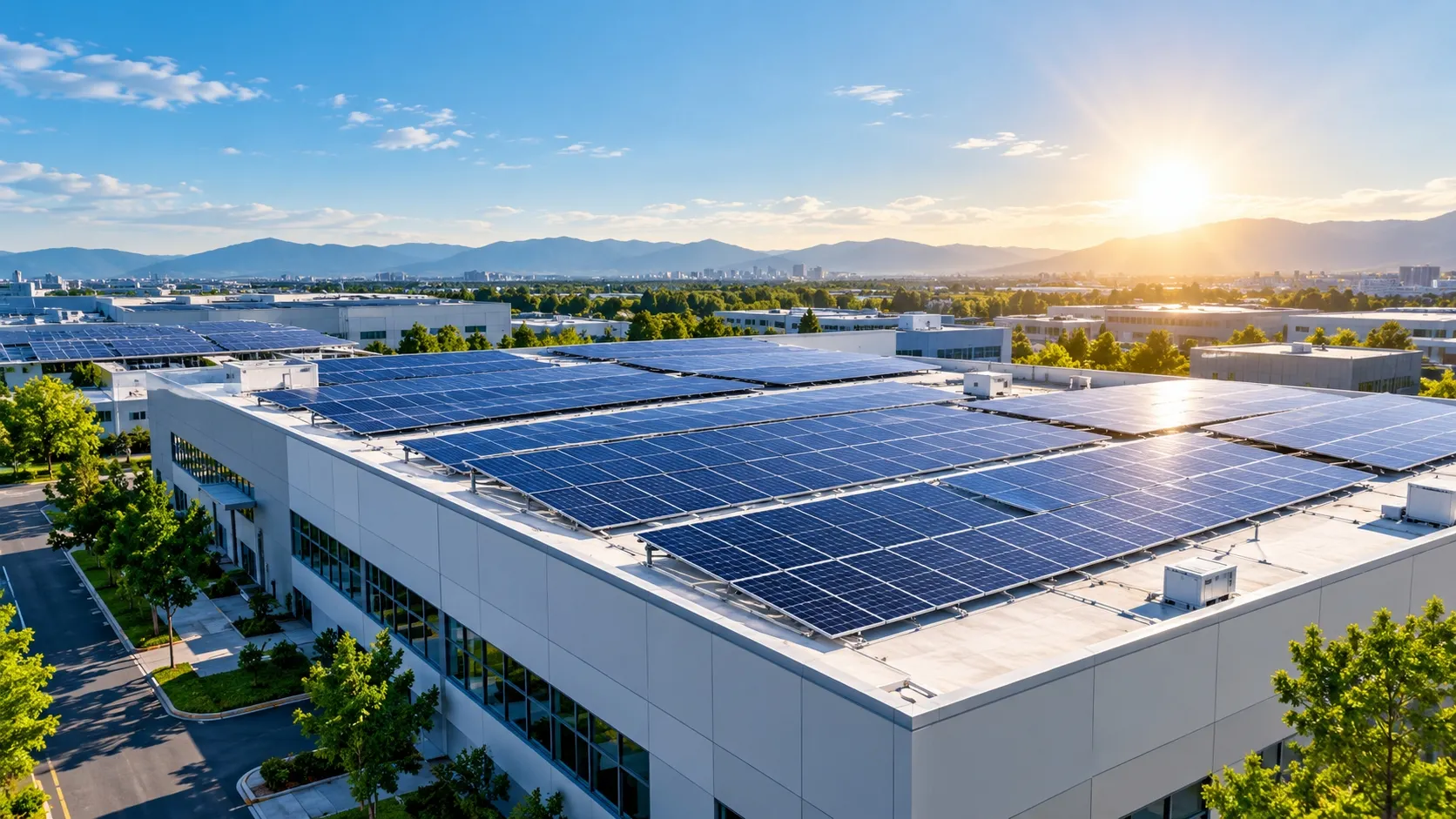
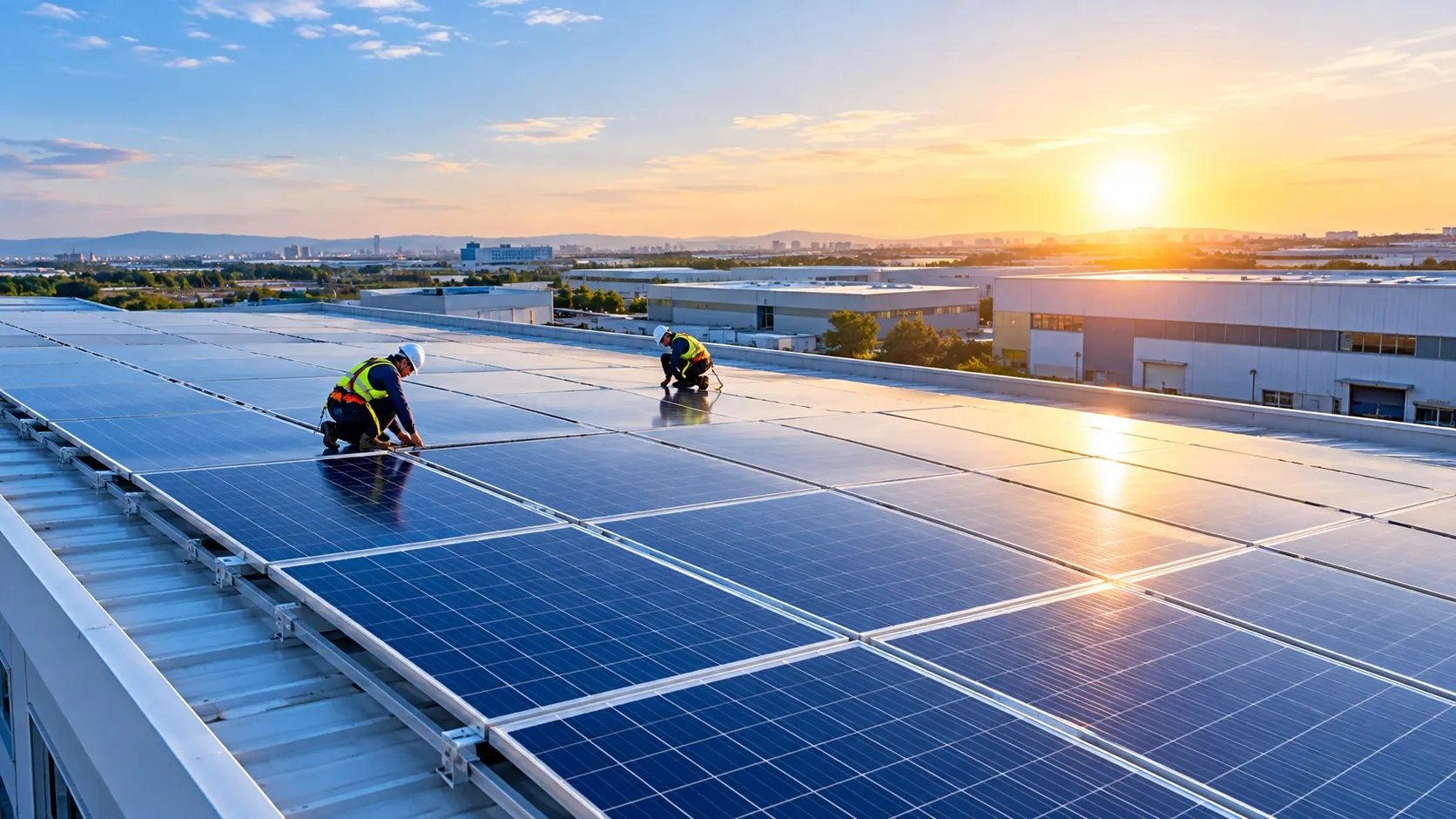
With the aim of lowering electricity bills, increasing energy resilience, and utilising large rooftops, parking lots and commercial spaces, commercial solar is quickly becoming a key energy strategy for businesses. Installing solar for a warehouse, factory, office building, school, retail center, or industrial facility is a much more complex process than installing a solar residential system.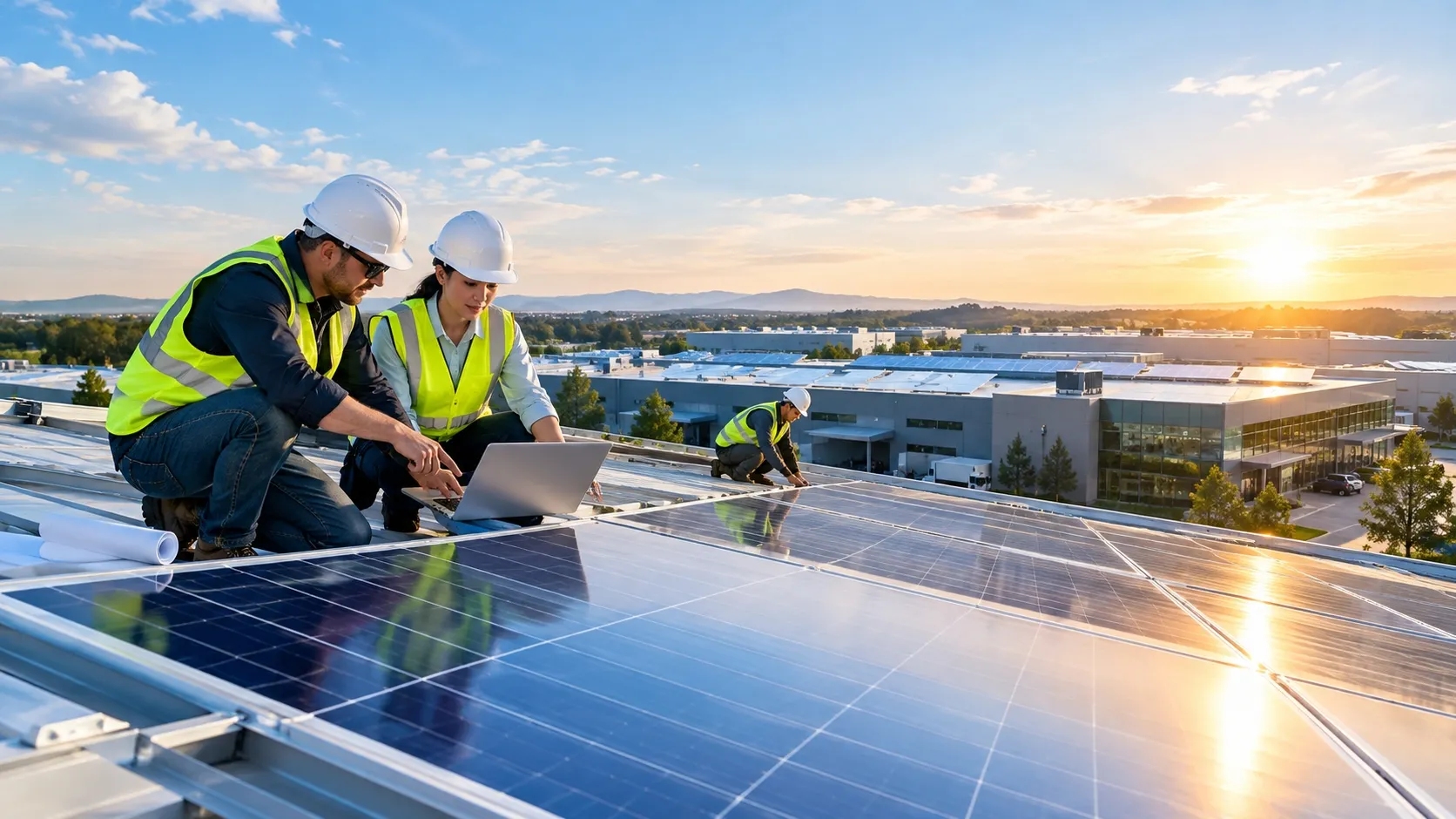
The commercial solar contractor you select has the potential to impact system design, the quality of the installation, the project timetable, grid interconnection, long-term maintenance, and project economics.
This guide will outline what commercial solar contractors do, how commercial solar companies are assessed and what businesses should take into consideration when choosing a solar EPC or installation company.
What Is a Commercial Solar Contractor?
A commercial solar company is a business that creates, designs, sells, installs, and potentially repairs commercial solar panels for businesses or other non-residential structures.
Commercial Solar Projects can feature:
- Office buildings
- Warehouses and distribution centers
- Manufacturing facilities
- Retail stores and shopping centers
- Schools and universities
- Hotels and hospitality properties
- Agricultural facilities
- Parking structures and solar carports
- Municipal and government buildings
There are contractors that specialize in installation services and those that offer full engineering, procurement and construction (EPC) services.
A typical commercial solar EPC contractor is responsible for project engineering, procurement of the equipment, construction, testing, commissioning and handover. This holistic method can streamline project management since various technical requirements are managed through a single contract.
Why Commercial Solar Contractor Selection Matters
Commercial systems are generally more sizeable and sophisticated as compared to the residential systems. Structural engineering, electrical studies, utility coordination, permitting, specialized equipment, construction management, and long-term monitoring may be required for the project.
A contractor must know more than just solar panels, as they need to know how to install them as well.
The quality of the system design may impact the selection of inverters, electrical protection, cable sizings, equipment placement, roof loadings, maintenance access and future expansion and energy production.
That is why it is a better idea for businesses to hire the contractor with the full scope of the project and not the cheapest initial quote. New York State standards for solar procurement also state to look at experience, system design, equipment, workmanship warranties and pricing when receiving multiple bids.
Commercial Solar Contractor vs. Solar EPC
Sometimes the terms "commercial solar installer" and "solar EPC contractor" are used interchangeably, although their roles may be distinct.
A solar installer is concerned with mainly construction and installation issues. An EPC contractor, in general, is responsible for the engineering, procurement and construction.
Typical commercial Solar EPC might control:
- Site assessment
- Solar system design
- Structural and electrical engineering
- Equipment selection
- Procurement
- Permitting
- Utility interconnection
- Construction
- System testing
- Commissioning
- Documentation
- Warranty coordination
There are several contract options that will be appropriate for the size and complexity of the project. In larger scale commercial and industrial projects, having responsibility and accountability for each phase of the project can help minimize confusion and project risk.
How Are Top Commercial Solar Contractors Identified?
There is no single universal definition of the "best" commercial solar contractor. The method used to determine a ranking varies from ranking to ranking.
For instance, Solar Power World publishes its Top Solar Contractors of the Year by market and service type. Commercial ranking is based on kilowatts installed in the commercial, industrial and municipal sectors, but does not include all solar installations in all sectors.
The 2026 Commercial List is based upon C&I Installation Activity for 2025. That data was analyzed by Siteline and resulted in the following 30 top commercial contractors, including those that function as EPCs, developers, installation subcontractors, and electrical subcontractors.
This is significant because it is not always the case that a company with lots of utility scale solar experience will specifically focus on commercial rooftop projects.
As a result, companies should not only consider the total number of installations a contractor does, but also the contractor's experience in projects comparable to their own.
What to Look for in a Commercial Solar Contractor
1. Experience With Similar Projects
Start by looking for experience with buildings and systems comparable to your project.
A contractor experienced with residential rooftops may not have the same capabilities required for a large manufacturing facility or multi-building commercial campus.
Ask potential contractors about:
- Previous project size
- Similar building types
- Rooftop or ground-mounted experience
- Solar carport experience
- Industrial electrical requirements
- Utility interconnection experience
- Local permitting experience
Relevant project references can provide more useful information than general company claims.
2. Engineering and System Design Capabilities
Good commercial solar design involves much more than determining how many panels fit on a roof.
Engineers may need to evaluate:
- Roof structure
- Roof condition
- Wind and snow loads
- Electrical service capacity
- Energy consumption
- Shading
- Inverter configuration
- DC and AC system sizing
- Cable routing
- Fire access
- Equipment locations
- Maintenance pathways
Commercial solar system design affects both technical performance and long-term operational reliability.
Before signing a contract, request a clear explanation of the proposed system architecture and major design assumptions.
3. Equipment Quality and Availability
Solar modules are only one part of a commercial PV system.
Other major components can include:
- Solar inverters
- Mounting systems
- Racking
- DC and AC cables
- Disconnects
- Transformers
- Monitoring equipment
- Energy storage systems
- Safety equipment
Ask contractors which manufacturers they use and whether the proposed equipment is readily available.
Equipment availability can also affect project schedules. A contractor with strong procurement relationships may be better positioned to manage supply-chain changes and equipment substitutions.
4. Permitting and Utility Interconnection Experience
Commercial solar projects often require coordination with local authorities and utilities.
Depending on the location and project type, the contractor may need to manage:
- Building permits
- Electrical permits
- Structural approvals
- Fire department requirements
- Utility interconnection applications
- Engineering documents
- Inspections
- Final commissioning
Interconnection can become one of the most important schedule considerations for commercial projects.
A contractor should clearly explain which approvals it handles and which responsibilities remain with the property owner.
5. Construction and Safety Management
Commercial solar construction often takes place while the building continues normal operations.
This creates additional requirements for:
- Worker safety
- Roof access
- Equipment staging
- Electrical shutdowns
- Material delivery
- Site security
- Tenant coordination
- Production continuity
Ask how the contractor will minimize disruption to your business.
For manufacturing facilities and warehouses, even a short operational interruption can have significant consequences. A detailed construction schedule is therefore an important part of contractor evaluation.
Commercial Solar Contractors and Long-Term Maintenance
Solar installation is only the beginning of the system's operating life.
A commercial solar contractor may also provide or coordinate:
- System monitoring
- Preventive maintenance
- Inverter service
- Electrical inspections
- Performance analysis
- Equipment replacement
- Warranty support
- Troubleshooting
Before selecting a contractor, determine exactly what is included after commissioning.
A lower installation price may not represent the same value if maintenance, monitoring, or service is excluded.
How to Compare Commercial Solar Contractors
The easiest way to compare contractors is to provide each company with the same project information and request comparable proposals.
Consider evaluating:
| Evaluation Area | Questions to Ask |
|---|---|
| Experience | Has the contractor completed similar projects? |
| Engineering | Who designs and stamps the system? |
| Equipment | Which modules, inverters, and mounting systems are proposed? |
| Permitting | Who manages permits and inspections? |
| Interconnection | Who communicates with the utility? |
| Construction | What is the expected construction schedule? |
| Warranty | What workmanship warranty is included? |
| Monitoring | How is system performance monitored? |
| Maintenance | What post-installation services are available? |
| Contract | What is included and excluded from the quoted price? |
Comparing the same scope across multiple bids makes it easier to identify differences in equipment, engineering, warranties, schedule, and responsibilities.
Why the Lowest Solar Quote May Not Be the Cheapest Project
Price is naturally important in commercial solar procurement, but the lowest upfront bid does not necessarily provide the lowest total project cost.
A cheaper proposal may exclude items such as:
- Structural upgrades
- Electrical upgrades
- Utility fees
- Monitoring
- Maintenance
- Certain permitting costs
- Roof repairs
- Additional construction work
Businesses should therefore compare the complete scope of work instead of comparing only the headline price.
A transparent contractor should clearly identify assumptions, exclusions, equipment specifications, warranties, and project responsibilities.
Commercial Solar Contractor Trends in 2026
The U.S. commercial solar marketplace is populated by a variety of EPC contractors, developers, electrical contractors, and other installation specialists.
The Solar Power World 2026 contractor data reveals that solar power is indeed a major part of the U.S. contractor picture. Sixty-four percent of the companies in its 2026 Top Solar Contractors list are commercial, but many companies are also engaged in residential, utility or community solar.
There are also businesses with vastly different business models that sell on the commercial market. Some work in EPC services and some create development, installation subcontracting and electrical construction.
This is a factor that's a necessity for customers these days, rather than judging companies by size alone.
Questions to Ask Before Hiring a Commercial Solar Company
Before signing a commercial solar contract, consider asking:
How many similar commercial projects have you completed?
Who will design and engineer my system?
Who will handle permits and utility interconnection?
Which solar panels and inverters will you use?
What happens if the specified equipment becomes unavailable?
What workmanship warranty is included?
Who provides maintenance after installation?
How will the system's performance be monitored?
What items are excluded from the proposal?
Can you provide references for similar projects?
These questions can help businesses compare contractors using consistent criteria rather than relying only on sales presentations.
Final Thoughts
The selection of a commercial solar contractor is one of the key steps to have a great success in a commercial solar project. The right partner will be able to show that they have completed projects in the past that are relevant to the client's needs, they have the engineering capacity to develop the project, they have reliable equipment procurement systems, they have the permitting knowledge, they have the construction experience and they will have a clear plan on how they will serve the client in the long run.
Additionally, businesses should differentiate solar developers, EPC contractors, or installers, and electrical subcontractors, and so on and so forth.
While industry rankings are useful as a starting point, they shouldn't be used as an indicator of whether or not a contractor is right for a specific project. For instance, Solar Power World's commercial rankings are based on the C&I installation capacity from last year and the contractors are grouped based on their market and service roles.
So the best comparison can be made on a project-by-project basis: relate the contractor's experience, engineering resources, equipment plan, construction method, warranties, and service to the needs of your commercial property.
When businesses are looking into commercial solar, it can be helpful to get several quotes from similar systems and take the time to review the entire system to create a better foundation of understanding to choose a solar partner.
Share on Social:


- NEXT: Commercial Solar Energy: Complete Guide for Businesses
- NEXT: Null
In This Article
- 1 What Is a Commercial Solar Contractor?
- 2 Why Commercial Solar Contractor Selection Matters
- 3 Commercial Solar Contractor vs. Solar EPC
- 4 How Are Top Commercial Solar Contractors Identified?
- 5 What to Look for in a Commercial Solar Contractor
- 6 Commercial Solar Contractors and Long-Term Maintenance
- 7 How to Compare Commercial Solar Contractors
- 8 Why the Lowest Solar Quote May Not Be the Cheapest Project
- 9 Commercial Solar Contractor Trends in 2026
- 10 Questions to Ask Before Hiring a Commercial Solar Company
- 11 Final Thoughts
