


Best Solar Generator for Home Backup
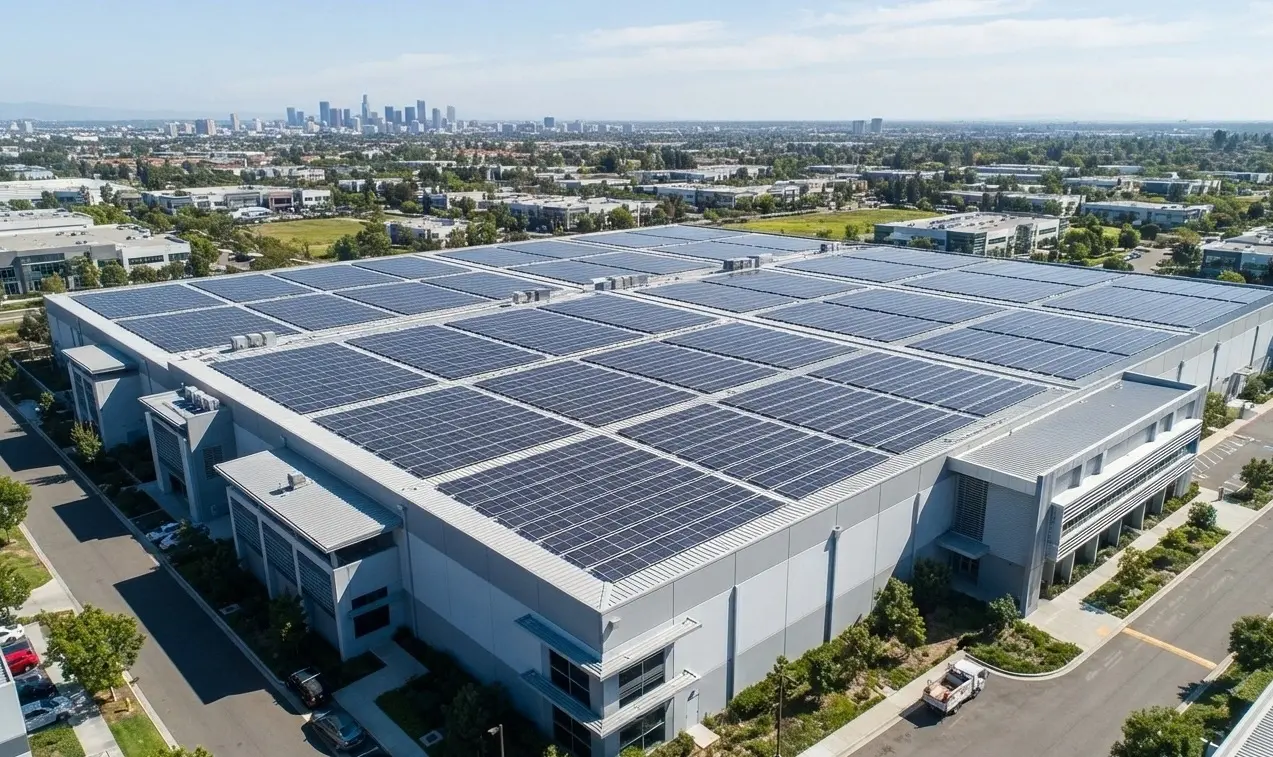
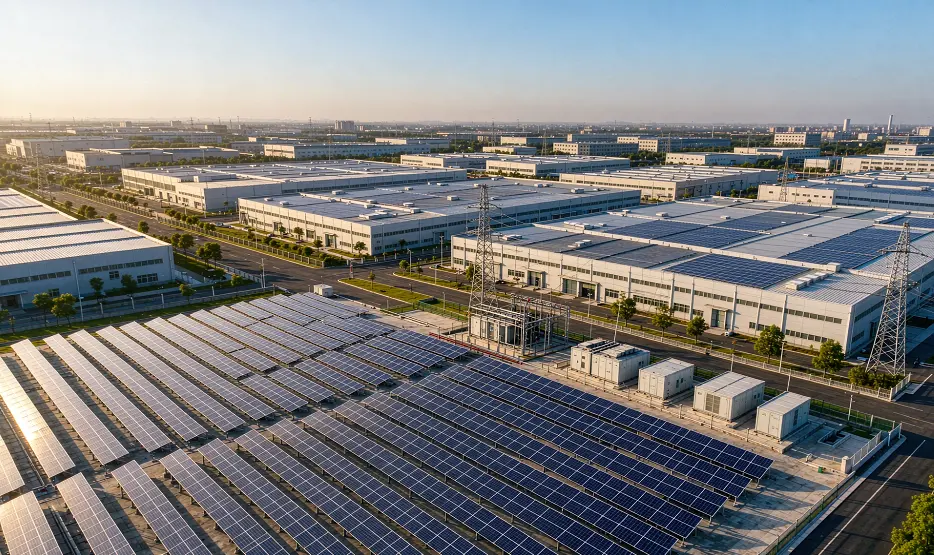
From extreme weather and grid failures, equipment issues or other emergencies, power outages can occur unexpectedly. For when the utility grid goes down, a reliable home back-up power system will keep essential appliances, communication devices and electronic equipment operating.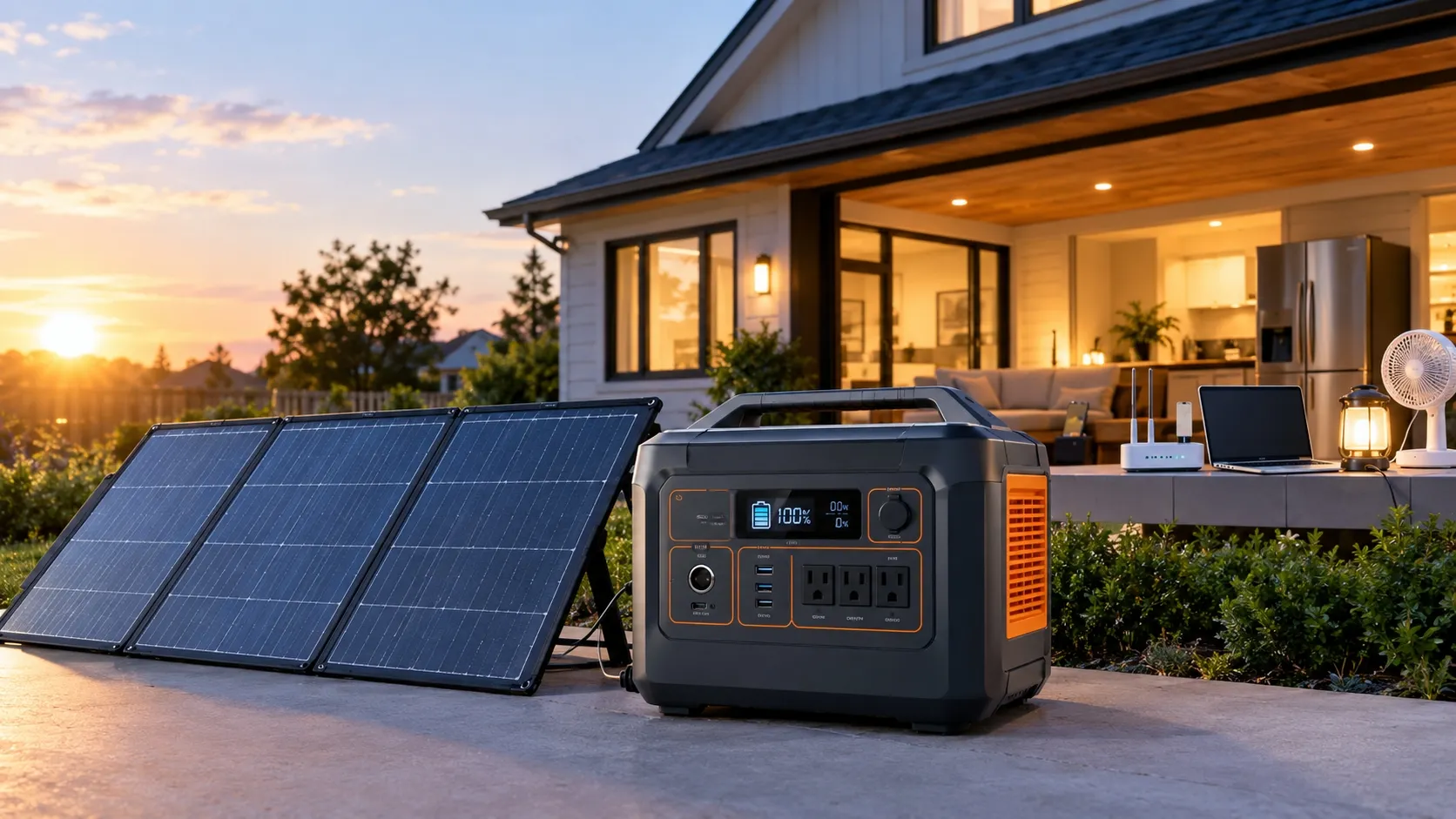
For homeowners seeking a cleaner and quieter solution to conventional fuel generators, a solar generator for your home back-up may be a great choice. However, when there are plenty of portable power stations and solar generator systems available, which one should you select?
This will largely depend on your power needs, battery storage, inverter output, solar charging efficiency, and mobility requirements, as well as the appliances you'd like to use.
What Is a Solar Generator for Home Backup?
A solar generator is basically a portable power storage unit, which consists of a rechargeable battery, an inverter, a battery management system, and a charging system. Combine with solar panels, it can store the electricity produced by solar panels.
Unlike traditional gas generators, solar generators will not need to use gasoline or diesel while they are operating. In addition, they generate no exhaust emissions when generating electricity, and they can be used in many indoor backup applications provided by the manufacturer's safety instructions allow for indoor use.
The more important of the two measurements are watt-hours (Wh) and watts (W).
- Watt-hours (Wh) indicate how much energy the battery can store.
- Watts (W) indicate how much power the inverter can deliver at one time.
- Surge power indicates how much additional power the system can temporarily provide when appliances such as refrigerators or pumps start.
In simple terms, battery capacity determines how long your equipment can run, while inverter output determines what equipment the generator can run.
Why Use a Solar Generator for Home Backup?
Solar generators offer several advantages for emergency power.
1. Quiet Operation
Traditional fuel generators can be noisy, particularly when operating for several hours. Battery-based solar generators operate much more quietly, which can be beneficial in residential areas, apartments, bedrooms, and home offices.
2. No Fuel Storage
A solar generator does not require gasoline to produce electricity. This eliminates the need to purchase, transport, and store fuel for routine backup use.
3. Solar Recharging
When connected to compatible solar panels, a solar generator can recharge using sunlight. This becomes especially useful during extended outages because solar panels can replenish the battery during daylight hours.
4. Portable Emergency Power
Many solar generators are designed as portable power stations. Depending on their size, they can be moved between rooms or transported for camping, RV use, outdoor work, and emergency situations.
5. Multiple Output Options
Modern portable power stations commonly provide AC outlets, USB ports, DC outputs, and other connections. This allows one system to charge phones, laptops, networking equipment, lights, and selected household appliances.
How Much Power Does Your Home Need?
The best solar generator for home backup is not necessarily the largest model. First determine which appliances and devices you actually need during an outage.
A typical emergency load might include:
- Refrigerator or freezer
- Wi-Fi router and modem
- LED lights
- Smartphones and tablets
- Laptop or desktop computer
- Television
- CPAP or other approved medical equipment
- Fans
- Small kitchen appliances
Create a list of the devices you want to operate and check their rated wattage.
For example, if your essential equipment averages 300 watts and you want approximately 10 hours of operation, a simple calculation is:
300W × 10 hours = 3,000Wh
Real-world runtime will be lower than the theoretical calculation because of inverter losses, battery reserve, appliance cycling, temperature, and other factors. Therefore, it is better to include a reasonable capacity margin instead of selecting a battery based on the exact calculated requirement.
What Size Solar Generator Is Best?
Different households require different levels of backup power.
Small Backup Systems
A compact system in the several-hundred-watt range can be suitable for phones, routers, LED lights, laptops, and other small electronics.
This type of solar generator is useful for apartments, home offices, short outages, and emergency communication.
Mid-Size Solar Generators
A system around 1,000–2,000Wh with a roughly 1,500–2,500W inverter can provide substantially more flexibility.
Depending on appliance requirements, it may support a refrigerator, television, networking equipment, lighting, computers, and other essential loads.
High-Capacity Home Backup Systems
For longer outages or higher-demand appliances, a system with several thousand watt-hours of storage and a high-output inverter may be more appropriate.
Larger systems can provide longer runtime and support more appliances simultaneously. Some models can also be expanded with additional battery modules.
For reference, current solar-generator guides emphasize that buyers should evaluate inverter output and usable watt-hours together rather than choosing a product based on battery capacity alone.
Battery Capacity vs. Inverter Power
One of the most common mistakes when choosing a solar generator is focusing only on battery capacity.
Imagine two systems:
- System A: 2,000Wh battery with a 1,000W inverter
- System B: 2,000Wh battery with a 2,000W inverter
Both store a similar amount of energy, but System B can potentially operate higher-power appliances that System A cannot handle.
This is particularly important for appliances with motors and compressors. Refrigerators, freezers, sump pumps, and some other equipment may require a temporary surge of power when starting.
Always check both the continuous output rating and surge rating before connecting an appliance.
Why LiFePO4 Batteries Are Popular
Battery chemistry is another important consideration.
Many newer solar generators use LiFePO4 (lithium iron phosphate) batteries. This chemistry is widely used in portable power stations because of its combination of cycle life, thermal stability, and durability.
If you plan to use your solar generator frequently rather than keeping it exclusively for emergencies, battery longevity becomes particularly important.
Also check the manufacturer's recommended storage temperature, charging temperature, maintenance requirements, and battery warranty before purchasing.
How Important Is Solar Charging?
Solar charging can make a major difference during a long-lasting power outage.
A battery provides a finite amount of stored energy. Solar panels can replenish that energy during daylight hours.
When comparing systems, look at:
- Maximum solar input
- Compatible solar panel voltage range
- Maximum charging current
- Solar charging time
- Number of solar input connections
- Whether panels are included in the package
More solar input does not automatically mean faster charging in every situation. Actual performance depends on sunlight intensity, panel orientation, temperature, shading, cable losses, and the generator's charging limits.
For extended emergency backup, matching the solar panel capacity with the battery size is essential.
Portable Power Station or Whole-Home Backup?
Not every solar generator is designed to power an entire house.
A portable power station is generally better suited to essential-load backup, such as refrigerators, lights, communication devices, computers, and selected appliances.
Whole-home backup is a different category. It may require significantly greater battery storage, higher inverter capacity, electrical integration, and professional installation.
If your goal is to run central air conditioning, electric water heaters, electric ranges, well pumps, or multiple high-power appliances simultaneously, a portable solar generator may not be sufficient.
For these applications, a professionally designed home battery or solar-plus-storage system may be more appropriate.
What Features Should You Look For?
When comparing solar generators for home backup, consider more than capacity and price.
Look for:
Adequate inverter output: Make sure the continuous and surge ratings match your appliances.
Sufficient battery capacity: Calculate how many watt-hours you need for your intended outage duration.
Solar charging capability: A higher solar input can be valuable during multi-day outages.
UPS functionality: Some power stations can automatically switch to battery power when grid electricity fails, which can help protect computers and other sensitive equipment.
Battery chemistry: LiFePO4 is increasingly common for long-life portable power systems.
Expandable storage: Some systems allow additional batteries to be connected as backup requirements grow.
Portability: Handles, wheels, and overall weight matter if you need to move the unit.
Monitoring: Wi-Fi, Bluetooth, displays, or mobile apps can make it easier to monitor battery levels and power consumption.
Frequently Asked Questions
What is the best solar generator for home backup?
The perfect solar generator will depend upon the load you're looking to power. If you are looking for emergency electronics, it may be sufficient to have a small version. Generally, a larger battery and higher output inverter is needed for refrigerators and other important appliances that require a lot of power.
Can a solar generator power a refrigerator?
Absolutely, there are a number of solar generators that will run a refrigerator. But remember, there are two aspects to the running power and there is also a start-up power surge. The length of time it can operate also depends on battery capacity.
How long can a solar generator power a house?
There is no one correct answer. This will vary based on battery size and household electric usage. A small system can offer a few hours of backup power, and larger systems can offer a significantly longer backup period, with more batteries and solar panels.
Can solar generators be recharged during a power outage?
Yes. If suitable solar panels are attached and enough sunlight is present, the generator can charge the battery without the use of a grid connection.
Is a solar generator better than a gas generator?
They are used for different things. During its operation, solar generators do not produce any noise or require fuel. Gas generators can offer high output over a long duration, if fuel is available. The best choice depends upon the desired power, runtime, portability, noise level and operating environment.
Final Thoughts
The first step in selecting the best solar generator for home backup is to determine your real electricity usage rather than it's advertised features.
Firstly, determine what you believe are the top 10 appliances that you will consider essential. After determining their running wattage, take into account any startup surges, estimate the time they will need to run and select the battery size to ensure they last as long as you expect to be out of power.
A portable power station could be the answer for small crises and simple electronics. A mid-size system offers more flexibility for refrigerators and for a number of other important appliances. A larger expandable system with significant solar input can be more suitable for longer outages or for greater power demands of the house.
The key thing to remember is that the load, runtime and recharge needs of the solar generator are more important than size of the battery.
Share on Social:


In This Article
- 1 What Is a Solar Generator for Home Backup?
- 2 Why Use a Solar Generator for Home Backup?
- 3 How Much Power Does Your Home Need?
- 4 What Size Solar Generator Is Best?
- 5 Battery Capacity vs. Inverter Power
- 6 Why LiFePO4 Batteries Are Popular
- 7 How Important Is Solar Charging?
- 8 Portable Power Station or Whole-Home Backup?
- 9 What Features Should You Look For?
- 10 Frequently Asked Questions
- 11 Final Thoughts
