


Wholesale Solar Power System Buying Guide for Bulk Solar Kit Orders
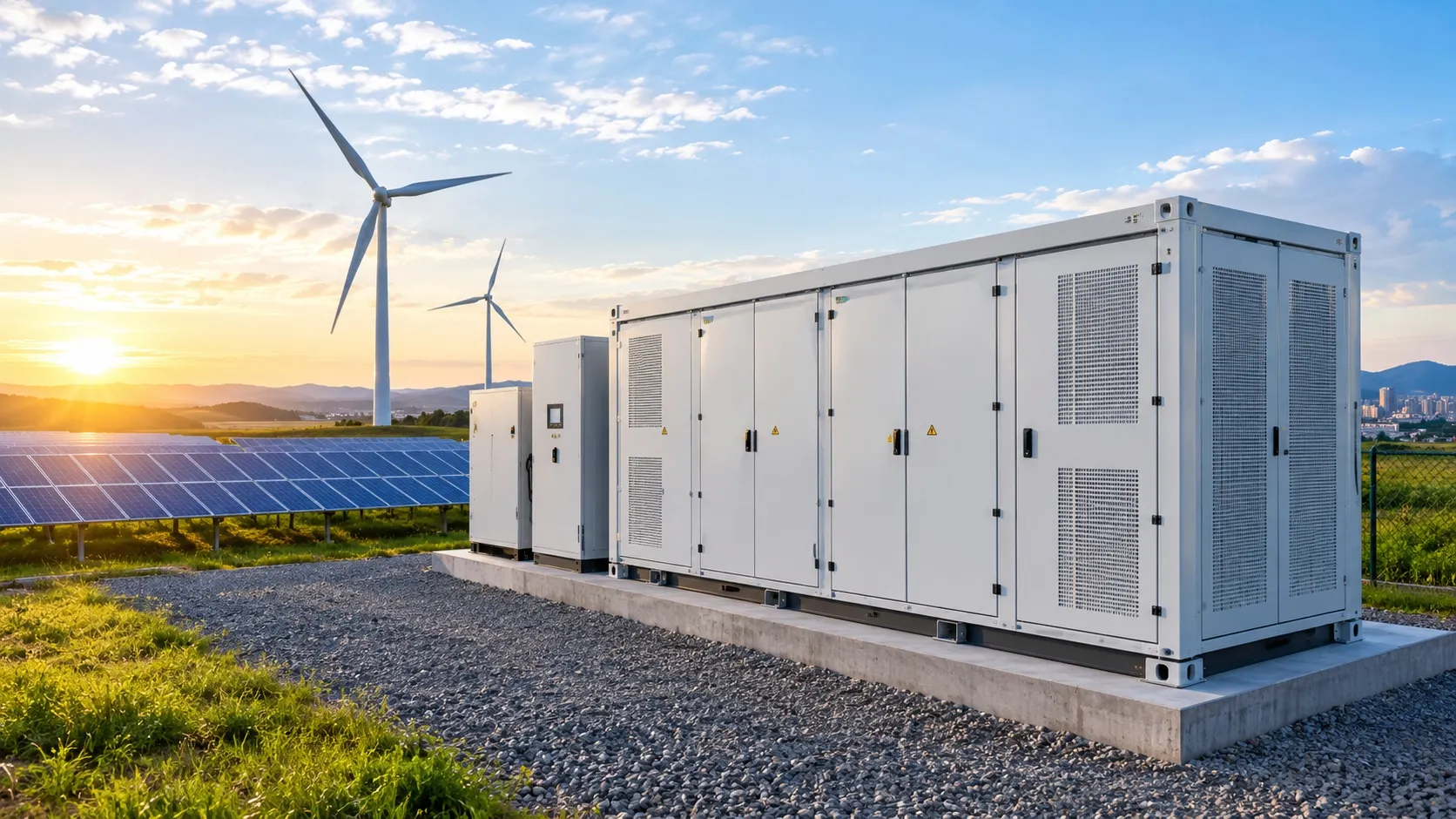
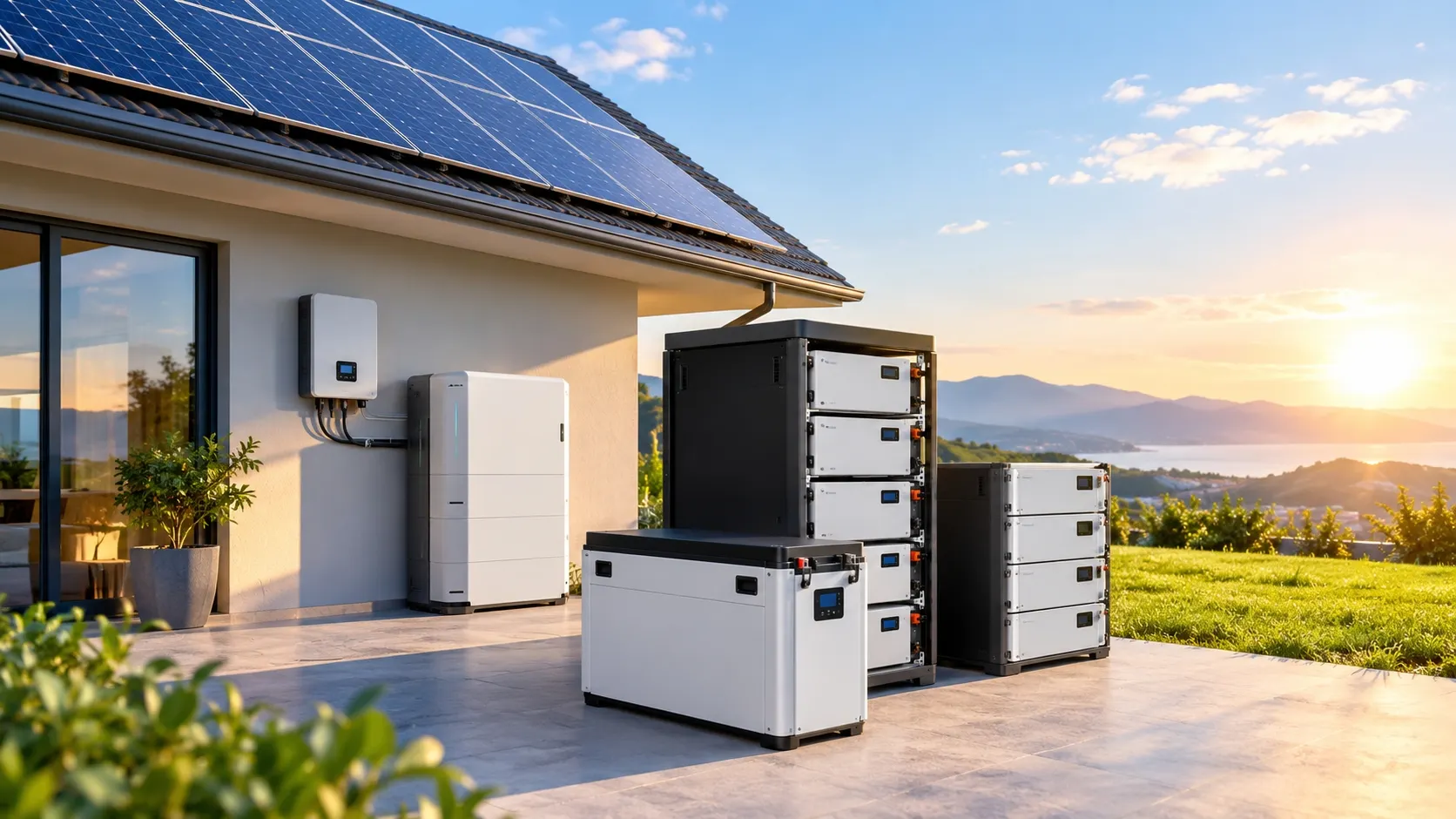

For distributors, EPC contractors and solar importers, buying a Wholesale Solar Power System should begin with system engineering—not the number printed on the product name.
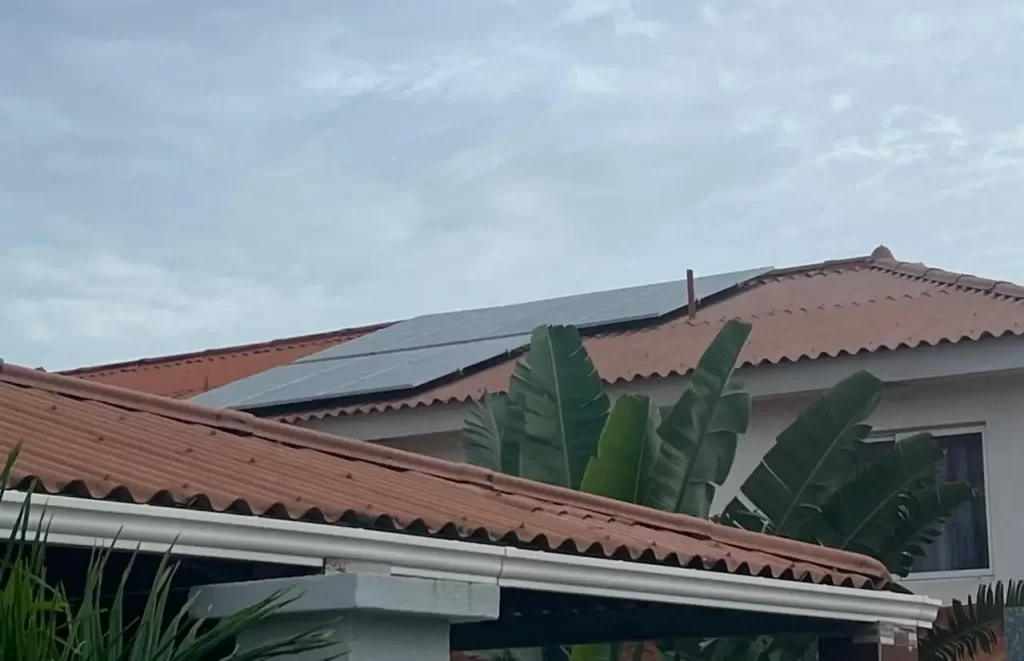
A "10kW solar system" may describe inverter output, while the PV array and battery capacity can be completely different. One current JSDSolar 10kW hybrid configuration, for example, uses a 10kW rated load, 12 × 580W modules (6.96kWp), a 48V 200Ah lithium battery and a 120/240V split-phase inverter.
For bulk purchasing, every RFQ should therefore separate three ratings:
PV Capacity (kWp) → Inverter Output (kW/kVA) → Battery Storage (kWh).
Size the Wholesale Solar Power System From the Load Profile
The first question should not be "Do I need a 6kW or 10kW kit?" It should be: What loads must the system operate, and for how long?
Three measurements drive the design:
• Daily consumption, kWh/day: Determines required energy generation.
• Peak simultaneous load, kW: Determines inverter continuous output.
• Starting surge: Determines whether compressors, pumps and motors can start reliably.
Battery storage then depends on backup duration.
Nominal Battery Energy = Voltage × Ah ÷ 1,000
A 51.2V 200Ah battery therefore stores about 10.24kWh nominally. Usable energy is lower once allowable depth of discharge and conversion losses are considered.
More importantly, battery energy and battery power are different specifications. JSDSolar's current 48V 314Ah battery configuration stores about 16.1kWh, but lists nominal discharge power at 5.12kW. This illustrates why a large kWh figure alone cannot prove that a battery can support a high instantaneous load.
Match PV Capacity to MPPT Limits, Not Just Inverter kW
A technically correct Wholesale Solar Power System requires electrical compatibility between the module strings and inverter.
Each prospective customer should review the following:
• Maximum cold-weather correction capped string voltage input.
• Strings within the MPPT range of operating voltages.
• MPPT restrained input currents: Imp and Isc.
• Total PV power input that is not greater than the imposed constraint.
• Number of MPPTs that can be used if the roof array orientations differ.
For example, JSDSolar's current 8kW hybrid inverter specifies 12kW maximum DC input, four MPPT trackers, a 120–500V MPPT range and 14A maximum input current per specified input. These figures matter more to string design than simply saying that the inverter is "8kW."
PV array size should also reflect:
Daily Load ÷ Peak Sun Hours ÷ Expected System Efficiency
A 30kWh/day application in a 5-peak-sun-hour location does not automatically require the same PV array as the same load in a 3.5-hour location.
Off-Grid or Hybrid: Choose the Architecture Before the Product
The best Wholesale Solar Power System depends on how the destination market uses the grid.
| Decision Point | Off-Grid | Hybrid |
| Reliable utility required | No | Usually available |
| Battery importance | High | Medium to high |
| Grid charging | Optional by design | Common |
| Grid export | Normally no | Possible where permitted |
| Typical use | Remote sites | Grid + backup/self-use |
| Compliance complexity | Lower | Higher |
Hybrid is not automatically "better." A remote farm with unstable or unavailable utility supply may benefit more from a robust off-grid architecture, while a residence with grid access may prioritize self-consumption, backup and tariff management.
Match Battery, BMS and Inverter as One Powertrain
Battery compatibility is one of the most underestimated risks in Wholesale Solar Power System procurement.
Check:
• Battery voltage range
• Maximum continuous charge/discharge current
• Inverter battery-current limit
• BMS protection thresholds
• CAN/RS485 communication
• Approved firmware/protocol combination
• Parallel battery limits
For reference, a JSDSolar 10kW hybrid inverter lists a 51.2V nominal battery input, 40–60V battery range and up to 190A/210A charge/discharge current, depending on operating direction.
Having CAN ports on both products does not guarantee BMS communication. The exact battery model and inverter firmware should be tested together before a large order.
Select Voltage and Phase for the Destination Market
A Wholesale Solar Power System intended for international distribution cannot use one AC architecture everywhere.
Examples of choices include:
• 120/240V split phase: North American Residential loads
• 220/230V single phase: International residential loads
• 208V/400V-class three phase: Design of local networks determine the loads.
• 50Hz or 60Hz: Must conform to the destination grid and the connected equipment.
JSDSolar's current 10kW platform lists split-phase, single-phase and three-phase output options, illustrating why voltage, frequency and phase should be fixed at RFQ stage rather than after production.
Audit the Complete Kit BOM Before Comparing Prices
"Complete solar kit" is a commercial description, not a universal BOM standard.
A professional quotation should identify whether the Wholesale Solar Power System includes:
• PV modules and mounting structure
• Hybrid/off-grid inverter
• Lithium battery modules
• DC and AC distribution boxes
• Breakers, fuses, SPD and isolators
• PV cables and connectors
• Battery power and communication cables
• Monitoring equipment
• Installation diagrams and manuals
JSDSolar's current 6kW package, for example, lists modules, LiFePO₄ storage, inverter equipment, distribution equipment and PV cables rather than only the three major components.
For bulk projects, an approved BOM also prevents component substitutions between production batches.
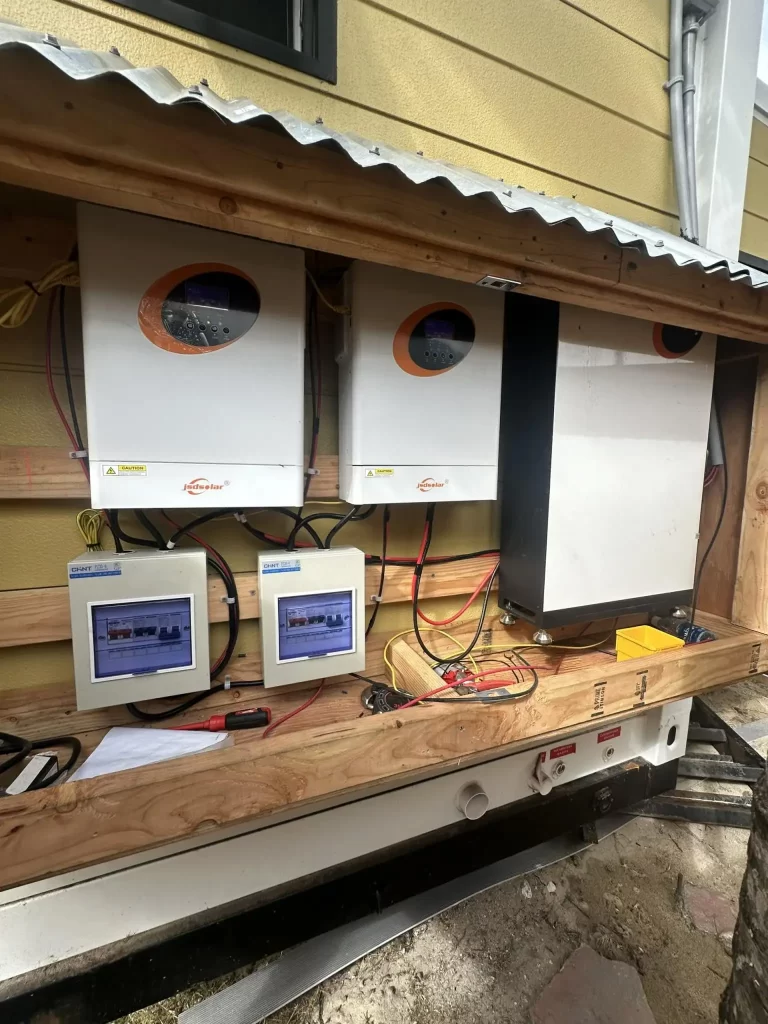
Design for Expansion, Installation and Service
A distributor should evaluate what happens after the first 50 or 500 systems are installed.
Confirm:
• Unused MPPT capacity;
• Battery expansion limits;
• Inverter parallel capability;
• Standard spare inverter and battery SKUs;
• Firmware version control;
• Remote monitoring;
• Wiring and commissioning documentation.
JSDSolar, for example, lists parallel expansion on selected inverter platforms and provides inverter, lithium battery and complete-system products under the same solar solution portfolio.
Climate must also be included. High ambient temperature, cold-weather Voc rise, humidity, salt exposure and enclosure IP rating can change the correct system configuration.
Verify Standards by Exact Model
For bulk procurement, certificate logos alone are insufficient.
PV Module safety documentation may refer to IEC 61730. The current version of Part 1:2023 describes construction requirements for safe electrical and mechanical operation.
For stationary lithium batteries, the safety requirements and tests for industrial lithium cells and batteries for stationary energy storage applications are described in IEC 62619:2022.
Lithium shipping documentation should also address applicable UN 38.3 requirements under the UN Manual of Tests and Criteria.
Always verify:
Certificate → Standard → Exact Model → Scope → Issuing Body → Destination-Market Requirement
Do not assume a supplier-level certificate covers every Wholesale Solar Power System configuration.
Compare Wholesale Solar Power System Quotations on Equal Scope
The lowest FOB quotation may not produce the lowest installed cost.
Before supplier selection, normalize quotations by:
| Compare | Required Basis |
| Solar | PV capacity in kWp |
| Battery | Usable kWh, not Ah alone |
| Inverter | Continuous + surge power |
| Electrical | Voltage, phase, frequency |
| Hardware | Same mounting/BOS scope |
| Logistics | Same Incoterm and battery freight |
| Compliance | Same certification scope |
| Service | Warranty, spares and technical support |
A technically useful RFQ should therefore follow:
Load → Daily kWh → Surge → Backup Hours → PV kWp → Inverter → Battery → Voltage/Phase → Environment → BOM → Certification → Quantity → Incoterm.
From JSDSolar's perspective, this system-level approach is important because the company develops solar inverters, lithium batteries and complete residential and commercial solar solutions rather than treating each component as an isolated product.
For distributors, installers and EPC companies planning repeat orders, the next step is to define the real project load, electrical standard, backup requirement and destination environment before requesting a Wholesale Solar Power System configuration. For system options and project support, visit JSDSolar.
FAQs
Q1. What Does a JSDSolar Wholesale Solar Power System Usually Include?
A JSDSolar Wholesale Solar Power System can be configured with solar panels, an inverter, lithium battery storage, distribution equipment, cables and other balance-of-system components. The exact BOM should be confirmed for each project before ordering.
Q2. Can JSDSolar Configure Solar Kits for Different Power Ratings?
Yes. JSDSolar provides residential and commercial solar solutions with different inverter power, PV array capacity and battery storage combinations. Buyers should select a configuration according to load demand rather than relying only on a nominal system size.
Q3. Can JSDSolar Supply Both Off-Grid and Hybrid Solar Systems?
JSDSolar offers inverter and system solutions for off-grid and hybrid applications. The appropriate architecture depends on grid availability, backup requirements, battery use and local interconnection conditions.
Q4. Can JSDSolar Configure a Wholesale Solar Power System for Different Countries?
System configurations can be selected according to destination-market requirements such as voltage, frequency, phase type and application. Buyers should provide local electrical specifications during the RFQ stage.
Q5. How Does JSDSolar Match Solar Panels With the Inverter?
Panel selection should consider more than total wattage. JSDSolar system configuration should account for string Voc, Vmp, operating current, MPPT voltage range, MPPT current limits and maximum permitted PV input.


In This Article
- 1 Size the Wholesale Solar Power System From the Load Profile
- 2 Match PV Capacity to MPPT Limits, Not Just Inverter kW
- 3 Off-Grid or Hybrid: Choose the Architecture Before the Product
- 4 Match Battery, BMS and Inverter as One Powertrain
- 5 Select Voltage and Phase for the Destination Market
- 6 Audit the Complete Kit BOM Before Comparing Prices
- 7 Design for Expansion, Installation and Service
- 8 Verify Standards by Exact Model
- 9 Compare Wholesale Solar Power System Quotations on Equal Scope
