


Residential Solar Equipment Supplier for Smart Energy Management and Dynamic Tariffs
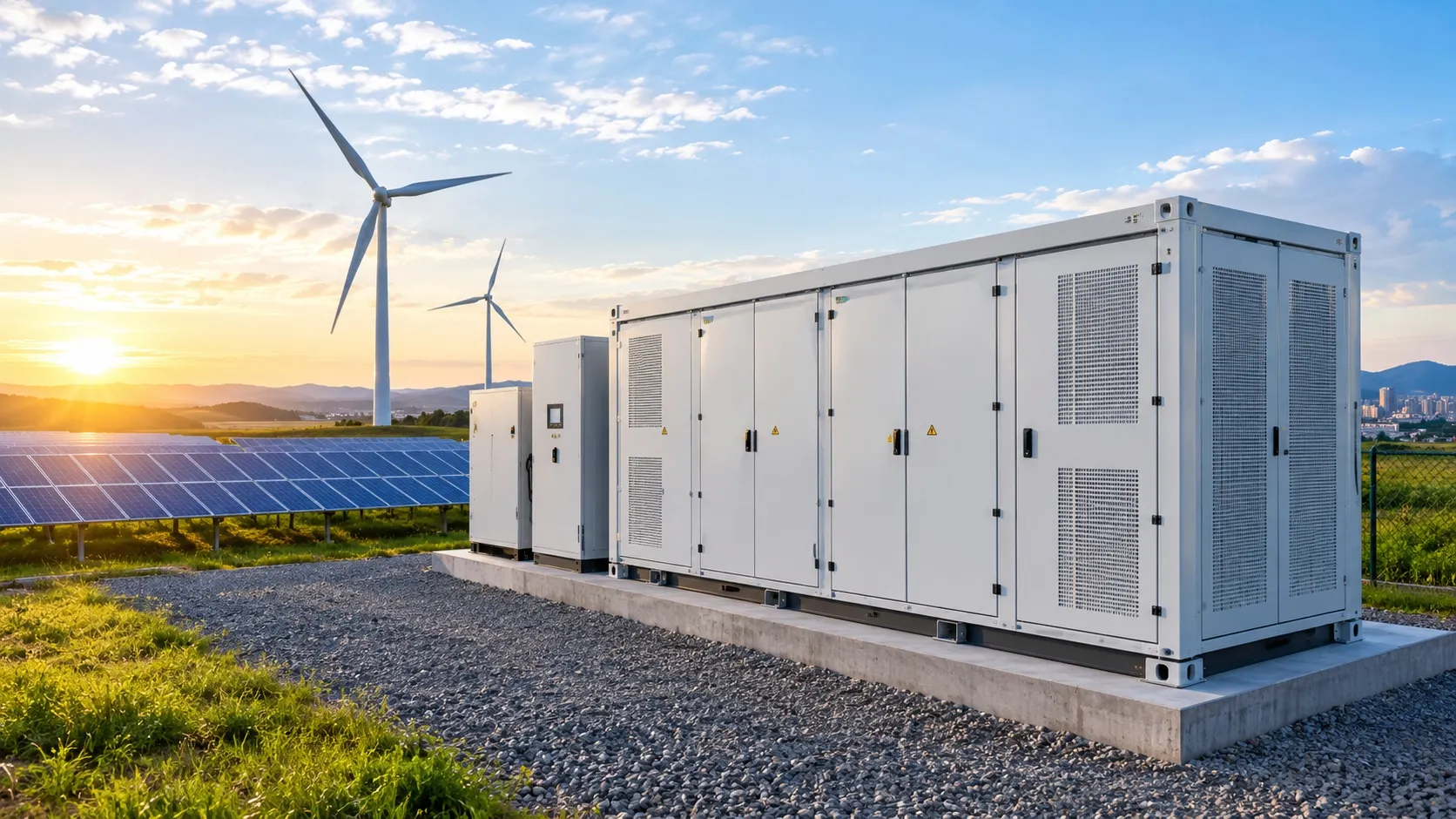
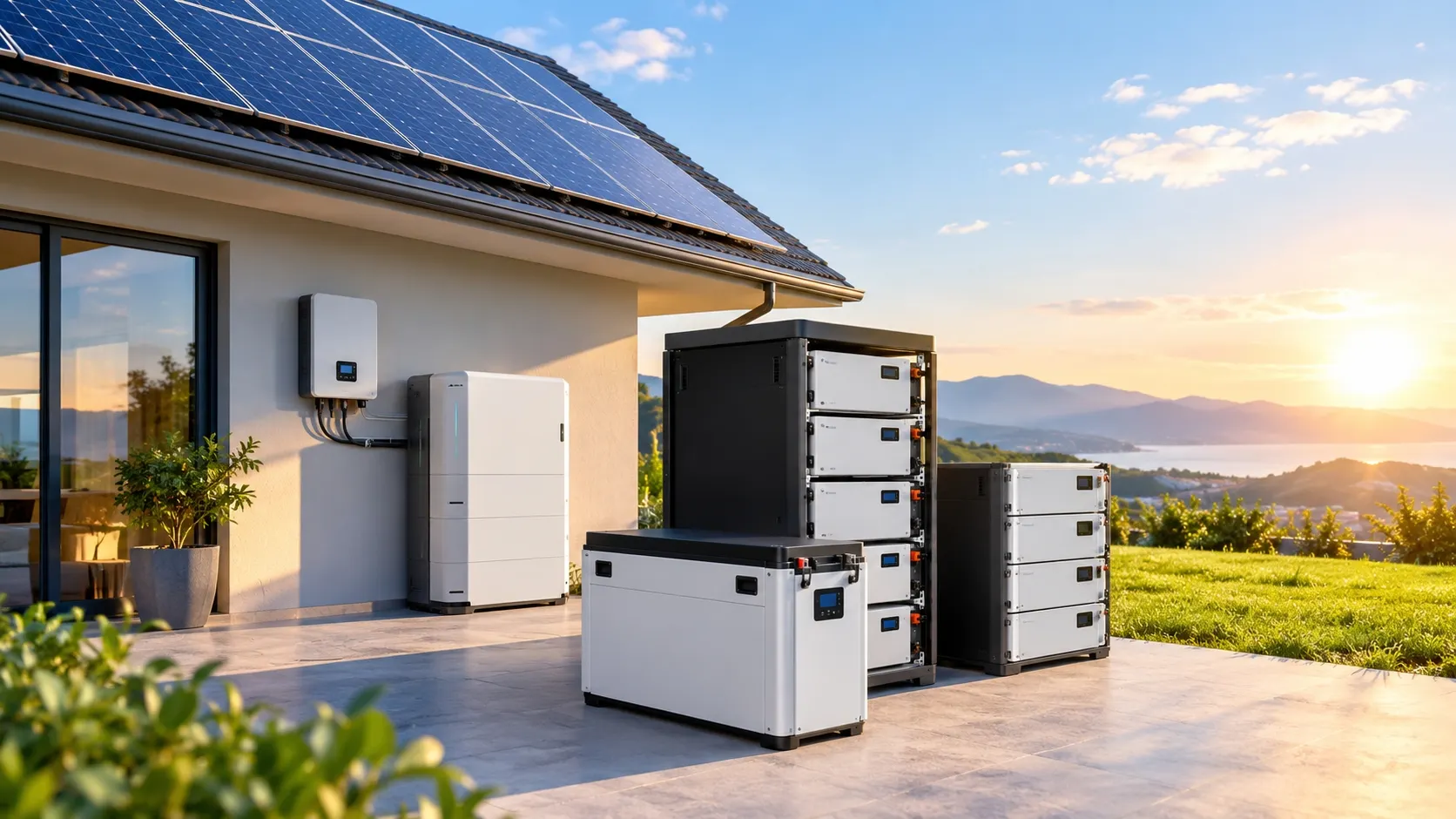

Residential solar is no longer only about generating electricity during daylight hours. In markets using time-of-use or dynamic electricity tariffs, system value increasingly depends on when electricity is generated, stored, consumed, imported, or exported.
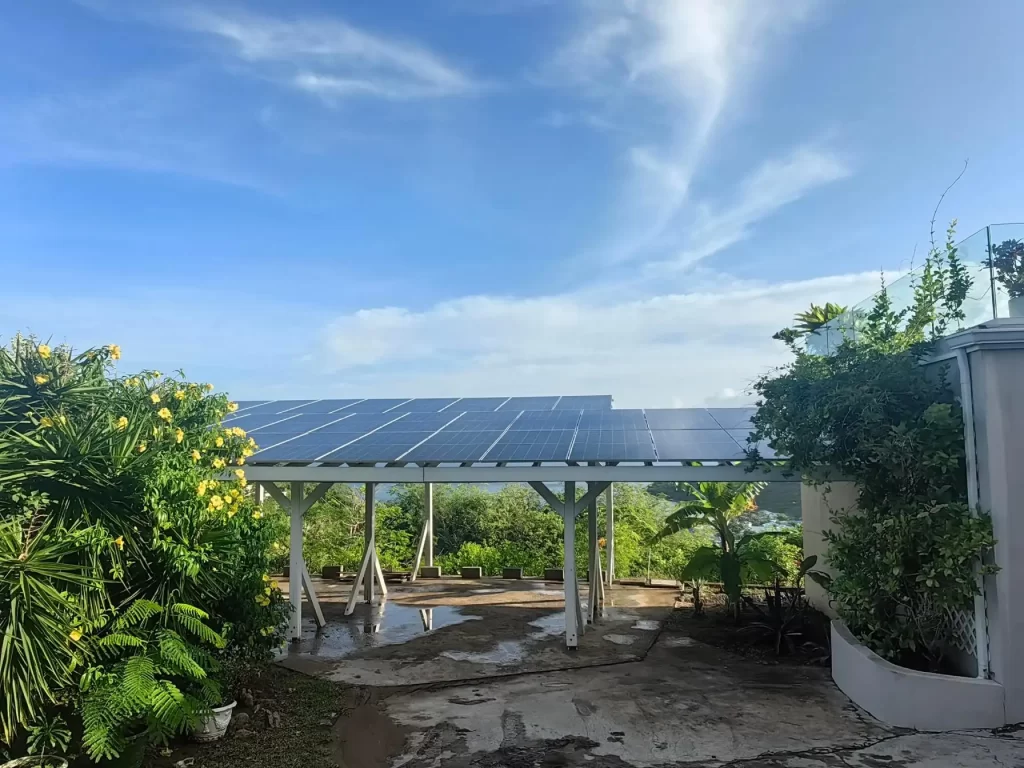
From a system-design perspective, a qualified Residential Solar Equipment Supplier must therefore coordinate PV modules, hybrid inverters, LiFePO₄ batteries, smart meters, communication interfaces, and energy management logic as one operating system.
For JSDsolar, this means residential solar equipment should be evaluated by power flow, data flow, compatibility, and future expandability, not only by panel wattage or battery capacity.
Why Solar Homes Still Buy Expensive Grid Electricity
A common residential load profile creates a timing mismatch:
• Midday: PV production is high, household consumption is relatively low.
• Evening: PV production drops while cooking, HVAC, EV charging, and other loads increase.
• Peak tariff periods: Electricity may be most expensive when solar output is already low.
Without storage and control, excess midday PV may be exported cheaply while electricity is bought back later at a higher price.
This is why a Residential Solar Equipment Supplier should evaluate hourly load behavior instead of relying only on annual kWh consumption.
How Smart Energy Management Changes Power Flow
A tariff-responsive residential system normally uses the following control chain:
Smart Meter → EMS → Hybrid Inverter → Battery → Household Loads
The EMS may use multiple inputs:
| Input | Typical Unit | Control Purpose |
| Electricity tariff | €/kWh | Decide when to import or discharge |
| PV generation | kW | Allocate solar energy |
| PV forecast | kWh | Reserve battery capacity |
| Household load | kW | Predict peak demand |
| Battery SOC | % | Determine available storage |
| Export limit | kW | Control grid feed-in |
| EV demand | kWh | Schedule charging |
A conventional self-consumption strategy follows:
PV → Load → Battery → Grid
A tariff-aware strategy can be different. If overnight electricity becomes inexpensive, the system may charge the battery from the grid, preserve that energy, and discharge it during an expensive evening period.
Self-Consumption, TOU, or Dynamic Tariff Control
These operating strategies should not be treated as interchangeable.
| Strategy | Control Logic | Best Application |
| Self-Consumption | Maximize direct PV use | Fixed tariffs |
| TOU Scheduling | Charge/discharge in preset windows | Predictable peak/off-peak pricing |
| Dynamic EMS | Respond to changing prices and forecasts | Battery + EV + flexible-load homes |
Dynamic control only adds value when the tariff spread is large enough.
For example, if off-peak electricity costs €0.15/kWh and battery round-trip efficiency is approximately 90%, the effective stored-energy cost before battery degradation is about:
€0.15 ÷ 0.90 = €0.167/kWh
If the peak tariff is only €0.18/kWh, aggressive grid-to-battery cycling may offer little financial benefit.
A technically experienced Residential Solar Equipment Supplier should therefore evaluate tariff spread together with battery efficiency, cycle cost, and expected operating hours.
Battery kWh and kW Must Be Sized Separately
Battery capacity is often misunderstood.
• kWh = how much energy the battery stores
• kW = how much power the battery can deliver at one time
Assume a home consumes an average of 3 kW during a four-hour expensive tariff period:
3 kW × 4 h = 12 kWh
A 5 kWh usable battery cannot cover the full period.
But capacity alone is not enough. A 15 kWh battery with only 3 kW discharge capability cannot fully support a 7 kW simultaneous household load.
A Residential Solar Equipment Supplier should therefore check:
• Nominal and usable battery capacity
• Depth of discharge
• Continuous charge/discharge power
• Battery voltage
• BMS current limits
• Round-trip efficiency
• Peak tariff duration
• Future battery expansion
DC-Coupled vs. AC-Coupled Storage
System architecture also affects efficiency and retrofit flexibility.
DC-Coupled Systems
PV and battery share a hybrid inverter architecture.
Typical advantages include:
• Fewer conversion stages when charging directly from PV
• Centralized PV and battery control
• Good suitability for new residential installations
AC-Coupled Systems
The battery operates through a separate AC-connected inverter.
This may be more suitable when:
• PV already exists
• Existing equipment should remain in service
• Battery storage is added later
The correct choice depends on project conditions rather than one architecture being universally superior.
Flexible Loads Can Reduce Battery Requirements
A smart residential system should not optimize only the battery.
Major flexible loads can include:
• EV chargers
• Heat pumps
• Electric water heaters
• HVAC systems
• Pool pumps
• Washing machines
If an EV requires 20 kWh overnight, direct charging during a low-price period can be more efficient than charging a stationary battery first and then using that battery to charge the vehicle.
This changes the role of the Residential Solar Equipment Supplier from individual hardware vendor to system integrator.
Communication Compatibility Is Critical
Smart operation depends on reliable data exchange.
Typical interfaces include:
• CAN — Commonly used for inverter-to-BMS communication
• RS485 — Meters, batteries, and control devices
• Modbus — System data and supervisory control
• Wi-Fi / LAN — Monitoring and remote management
However:
Same interface does not mean full compatibility.
Two products may both use RS485 but have different protocols, register maps, firmware requirements, or communication parameters.
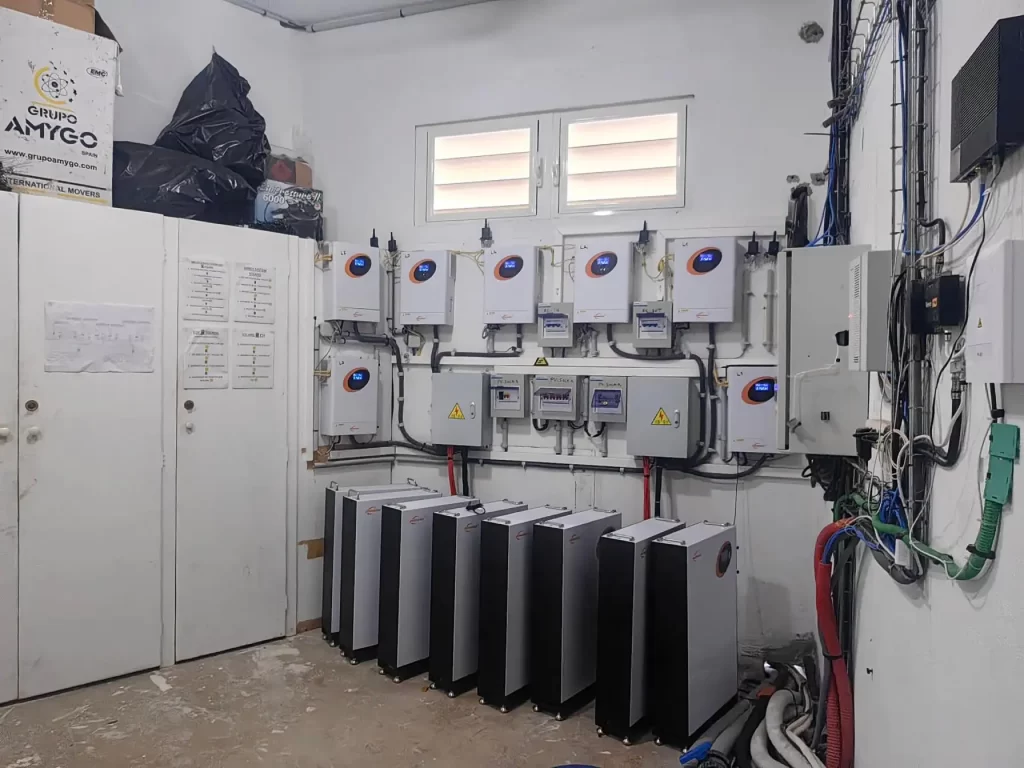
JSDsolar residential solutions combine hybrid inverter, battery storage, and complete solar-system options. Selected JSDsolar inverter configurations support interfaces such as CAN, RS485, Wi-Fi, and LAN, helping integrators design more connected residential energy systems.
Installation Details That Affect Smart Tariff Operation
Even correctly selected hardware can perform poorly if commissioning is inaccurate.
Installers should verify:
• CT direction and installation position
• Smart-meter import/export measurement
• Backup-load separation
• Battery communication wiring
• Firmware compatibility
• Internet connectivity
• System clock and timezone
• Grid export settings
Timezone errors are particularly important: a system operating one hour ahead or behind may charge the battery during the wrong tariff window.
Local fallback logic should also be confirmed so essential solar and battery functions continue when cloud or tariff data is unavailable.
Standards Must Be Checked by Market
Before ordering, buyers should verify requirements for the exact destination country.
Key areas include:
• Inverter safety: Applicable IEC 62109 requirements
• Grid connection: Local grid codes and utility rules
• Battery safety: Applicable IEC, UL, or national requirements
• Transportation: Lithium battery transport requirements
• Complete ESS approval: Where required
One certified component does not automatically certify the complete solar-storage system.
Final Words
As a Residential Solar Equipment Supplier, JSDsolar provides residential solar kits, hybrid inverter solutions, LiFePO₄ battery storage, and integrated system configurations for different household energy requirements.
For installers, distributors, and residential energy project developers evaluating future-ready solar and storage systems, explore JSDsolar's residential solar solutions and match equipment selection to local tariffs, load profiles, and expansion requirements
FAQs
Q1. What residential solar equipment does JSDsolar provide?
JSDsolar provides residential solar system solutions that can include solar panels, hybrid inverters, LiFePO₄ battery storage, solar kits, monitoring equipment, and related system components for home energy applications.
Q2. Can JSDsolar provide complete residential solar and battery systems?
Yes. JSDsolar can support integrated residential solar configurations combining PV generation, inverter conversion, battery storage, and system monitoring for different household energy requirements.
Q3. Does JSDsolar offer hybrid inverters for residential solar systems?
Yes. JSDsolar offers hybrid inverter solutions designed to coordinate PV generation, battery charging and discharging, household loads, and grid interaction.
Q4. Can JSDsolar residential systems work with LiFePO₄ batteries?
Yes. JSDsolar supplies LiFePO₄ battery storage solutions for residential applications. Buyers should confirm battery voltage, BMS communication, inverter compatibility, and required usable capacity for each project.
Q5. Does JSDsolar support smart energy management for residential solar systems?
Selected JSDsolar solutions support communication and monitoring functions that can help integrate solar generation, battery status, household consumption, and operating schedules into a smarter residential energy system.
Share on Social:


- NEXT: Wholesale Solar Power System Buying Guide for Bulk Solar Kit Orders
- NEXT: Null
In This Article
- 1 Why Solar Homes Still Buy Expensive Grid Electricity
- 2 How Smart Energy Management Changes Power Flow
- 3 Self-Consumption, TOU, or Dynamic Tariff Control
- 4 Battery kWh and kW Must Be Sized Separately
- 5 DC-Coupled vs. AC-Coupled Storage
- 6 Flexible Loads Can Reduce Battery Requirements
- 7 Communication Compatibility Is Critical
- 8 Installation Details That Affect Smart Tariff Operation
- 9 Standards Must Be Checked by Market
