


Top Commercial Solar Manufacturer
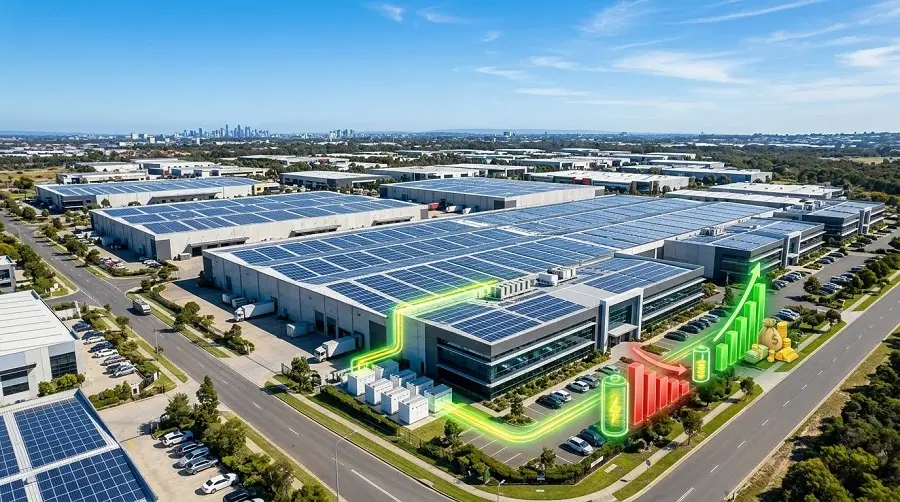
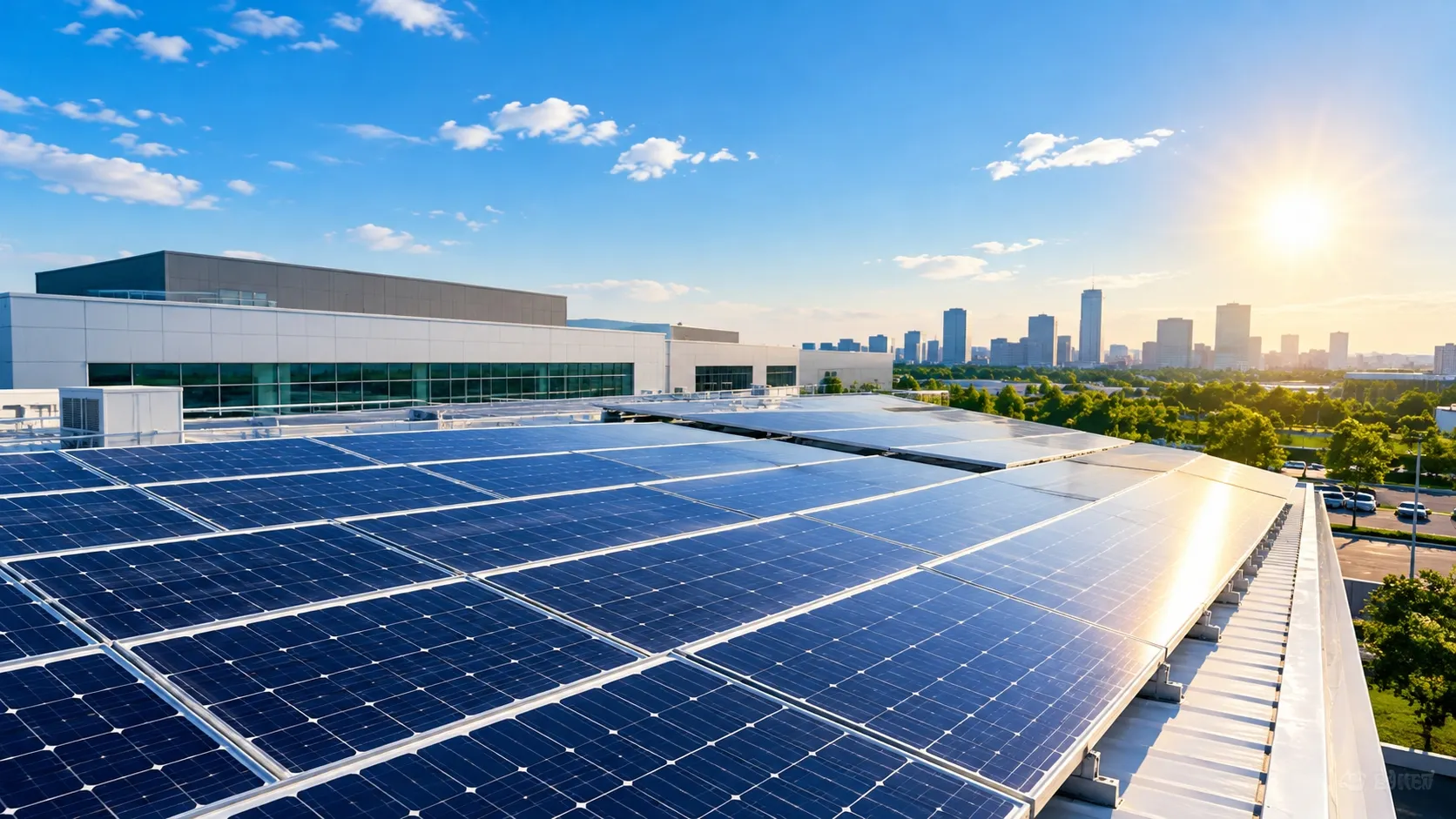
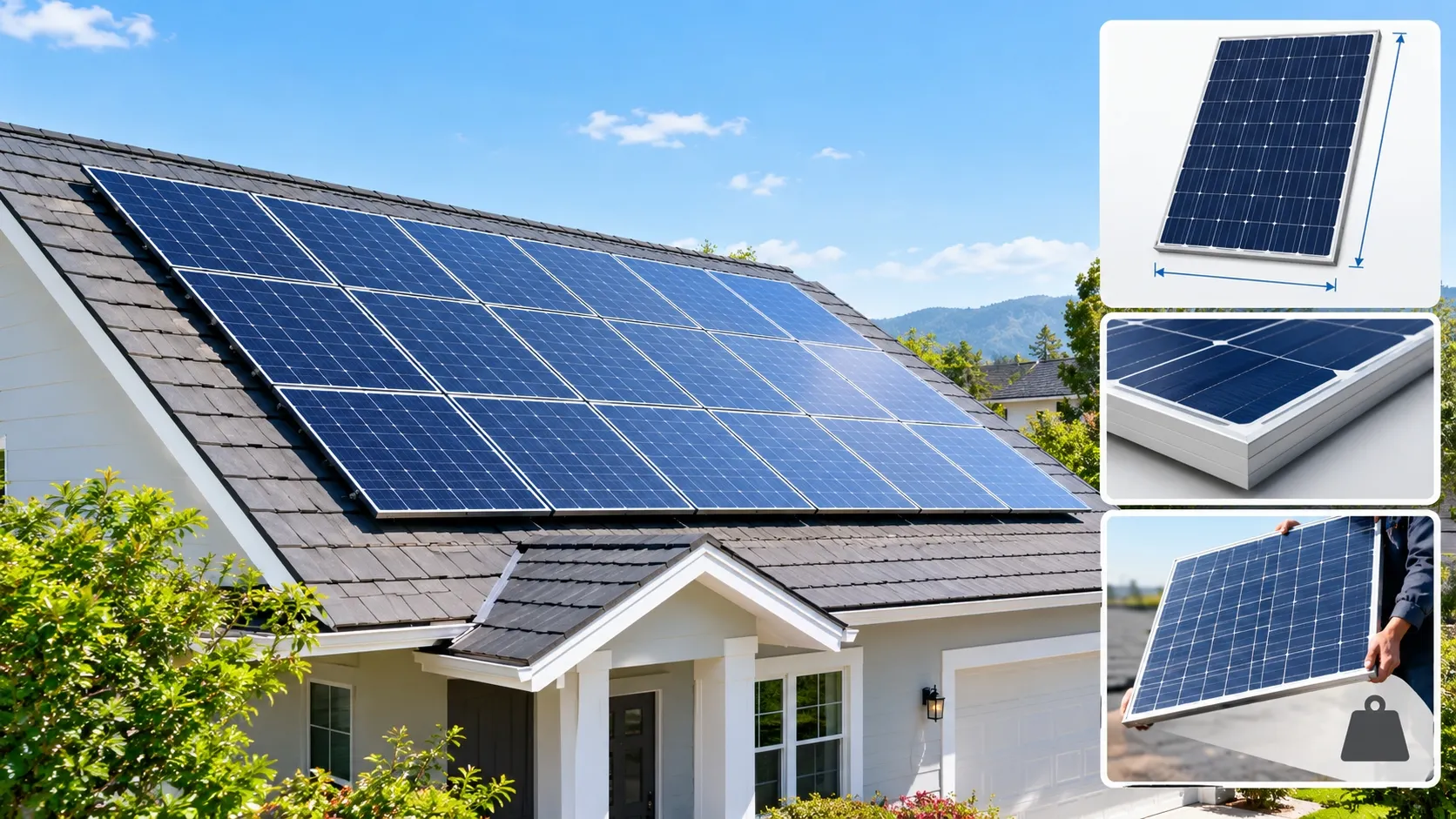
Commercial solar power has emerged as a growing investment opportunity, particularly as businesses seek ways to cut their energy expenses and enhance sustainability in an era marked by uncertainty.In an uncertain world, commercial solar power has become an increasingly attractive option as businesses search for reliable methods to lower their energy costs and boost sustainability. Solar energy can power buildings and facilities, across a wide range of scales, from warehouses and factories to office buildings, retail centers, schools, large industrial facilities, and more, and help organizations to produce clean electricity, while enhancing long-term energy management.
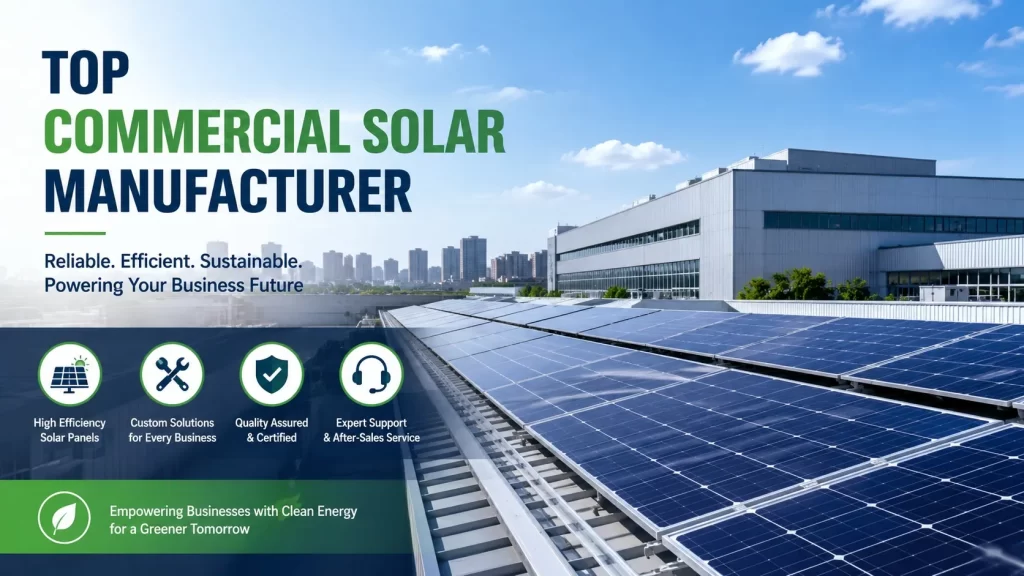
The selection of a top commercial solar manufacturer is one of the key decisions in a commercial solar project. A solar panel manufacturer can deliver quality solar panels, reliable system components, tailor them to various commercial applications, offer technical support and scalable solutions.
This guide tells you what sets commercial solar manufacturers apart and what companies should take into account when choosing a manufacturer.
What Is a Commercial Solar Manufacturer?
Businesses and industrial facilities use solar energy equipment to generate power; a commercial solar manufacturer designs, develops, and produces solar energy equipment for these uses. Manufacturers can provide solar panels, inverters, mounting systems, battery storage solutions, solar street lighting systems or complete solar power solutions, depending on their capabilities.
Commercial solar projects may need higher capacity, more sophisticated engineering and project coordination. Therefore, a qualified manufacturer must have an understanding of the commercial energy requirements and be able to assist projects from product selection to installation and after-sales service.
Why Choose a Top Commercial Solar Manufacturer?
Working with an experienced manufacturer offers several important advantages.
1. High-Quality Solar Products
Commercial Solar installations are engineered to last for many years. Quality of the product has a direct impact on energy production, reliability, maintenance requirements and return on investment.
A good manufacturer ought to be able to ensure that the solar modules and other elements are consistently manufactured using high-quality materials and manufacturing techniques. Good quality products may also offer enhanced protection from the weather, including from intense sunshine, temperature extremes, humidity and wind.
2. Commercial-Scale Solutions
Depending on the building size, electricity usage, installation location and available roof or ground space, commercial projects have different requirements.
The best commercial solar manufacturer should have versatile solutions for use in either small business facilities or large warehouse, factory, commercial complex, or industrial applications.
Scalability gives a business the ability to select a system that provides the amount of energy they are currently using, and can be expanded as their energy needs grow.
3. OEM and Customization Capabilities
Each commercial solar project is unique. Depending on the requirements of the business, panel sizes, system sizes, mounting, and branding, packaging, and electrical specifications may differ.
OEM / ODM manufacturers can offer project specific products and solutions. This is especially helpful for distributors, solar installers, engineering companies and companies building their own solar product brands.
Product customization can include product design, technical specifications, look and feel, labelling, packaging and system configuration.
Key Products Offered by Commercial Solar Manufacturers
A comprehensive commercial solar supplier may provide several types of equipment.
Solar Panels
The PV solar cells are the key element of a PV system. Commercial manufactures usually provide a variety of module types, power ratings, sizes and configurations that suite various projects.
The factors to consider when choosing solar modules for a business include efficiency, durability, temperature performance, warranty, and system compatibility.
Solar Inverters
Solar Inverters: They convert Direct Current (DC) electricity produced by Photovoltaic panels to Alternate Current (AC) electricity required by commercial facilities.
Manufacturers can offer string inverters, centralized inverter solutions, or other commercial inverter solutions, depending on the size of the project. Choosing the right type of inverter is crucial for the smooth and efficient functioning of the system.
Solar Mounting Systems
Secure mounting of solar panels on buildings, carports, or ground mounts. Structural loading, wind, installation angle and local environment are all factors that need to be taken into consideration when using a commercial mounting system.
The manufacturer should provide mounting options that can fit a variety of commercial building designs and construction.
Energy Storage Systems
Commercial solar projects are increasingly important as a use for battery storage. Energy storage helps businesses to store excess solar power when it is not being used and use it when it is not available.
Battery storage can help companies optimize their energy use and enhance the value of solar power, especially for those with large electricity usage charges or time-of-use rates.
How to Select the Best Commercial Solar Manufacturer
Businesses should evaluate manufacturers based on several factors rather than choosing solely according to price.
Manufacturing Experience
Industry experience can be an important indicator of manufacturing capability. An established manufacturer is more likely to understand quality control, production consistency, international standards, and commercial project requirements.
However, experience should be evaluated together with actual manufacturing capacity, product certifications, and customer support.
Product Certifications and Standards
Before purchasing solar equipment, businesses should confirm that products meet applicable safety, performance, and quality standards for the target market.
Certifications can help demonstrate that products have undergone appropriate testing. Buyers should verify certification documents and ensure that they apply to the specific product models being purchased.
Quality Control
Quality control should cover raw materials, production processes, electrical performance, product assembly, and final inspection.
A professional manufacturer should have clear quality management procedures and testing processes. Consistent quality is especially important for large commercial orders where hundreds or thousands of components may be installed in the same project.
Production Capacity
Commercial projects can involve significant order volumes and strict delivery schedules. Manufacturers should have sufficient production capacity to meet project requirements without compromising quality.
Businesses should ask about production lead times, minimum order quantities, inventory availability, and logistics support before placing large orders.
Technical Support
Solar projects require more than physical products. Technical guidance can help businesses select suitable components, configure systems, and resolve installation or operational issues.
A strong commercial solar manufacturer should have an experienced technical team capable of providing product documentation, system recommendations, installation guidance, and after-sales support.
Commercial Solar Applications
Commercial solar systems can be used across many industries.
Manufacturing facilities: Factories often have high daytime electricity consumption, making rooftop solar a practical option for reducing grid electricity use.
Warehouses and logistics centers: Large warehouse roofs provide substantial installation space for photovoltaic systems.
Office buildings: Solar power can offset electricity used for lighting, HVAC systems, computers, and other building equipment.
Retail facilities: Shopping centers, supermarkets, and commercial buildings can use solar energy to reduce operating expenses.
Agricultural businesses: Farms and agricultural facilities can use solar power for irrigation, refrigeration, processing, and other energy-intensive operations.
Industrial facilities: Large-scale solar systems can help industrial companies diversify their energy sources and improve long-term energy planning.
The Importance of Long-Term Reliability
Solar commercial is an investment in the long run. Companies need to consider more than just the upfront cost, however.
The lower cost of a product does not always mean that it has the best overall value, because if its energy output is reduced, or the maintenance needed is increased, or the service life is decreased, the overall value may be lower.
As you are comparing manufacturers, take into account total cost of ownership (TCO), as well as equipment cost, installation needs, maintenance, energy produced, warranty and operating life.
A good manufacturer should keep you informed about the specifications, warranties, performance and technical support.
Commercial Solar: A Strategic Energy Investment
Businesses that are exploring renewable energy can find more than just environmental benefits with solar for business. Can be an important element in a company's long term energy strategy.
Producing electricity at the point of use can enable companies to lessen their reliance on traditional grid electricity, handle energy costs and enhance their sustainability performance. When combined with energy storage and intelligent energy management technologies, commercial solar systems can provide even greater flexibility.
Choosing the right manufacturing partner is crucial to the success of any project. The best solar manufacturer for business should be able to provide product quality, manufacturing capacity, customization, technical skills, timely delivery, and customer support.
Conclusion
Selecting a leading commercial solar manufacturer is a crucial decision in creating a successful and cost-effective renewable energy solution. Prior to purchasing, businesses should consider product quality, certifications, capacity to manufacture, ability to customize, technical support, warranties, and reliability.
But, as with anything, the key lies in the right solar manufacturer offering the appropriate solution for the project — whether it's a factory, warehouse, office building, retail store or a large industrial facility.
With the ever increasing demand for clean and reliable energy within the commercial sector, having an experienced solar manufacturer on your side can help your business make the most of renewable energy and create a more sustainable and resilient energy future.
Share on Social:


In This Article
- 1 What Is a Commercial Solar Manufacturer?
- 2 Why Choose a Top Commercial Solar Manufacturer?
- 3 Key Products Offered by Commercial Solar Manufacturers
- 4 How to Select the Best Commercial Solar Manufacturer
- 5 Commercial Solar Applications
- 6 The Importance of Long-Term Reliability
- 7 Commercial Solar: A Strategic Energy Investment
- 8 Conclusion
