


Hybrid vs. Off-Grid Solar Power System: Which Is Better for Unstable Grids?
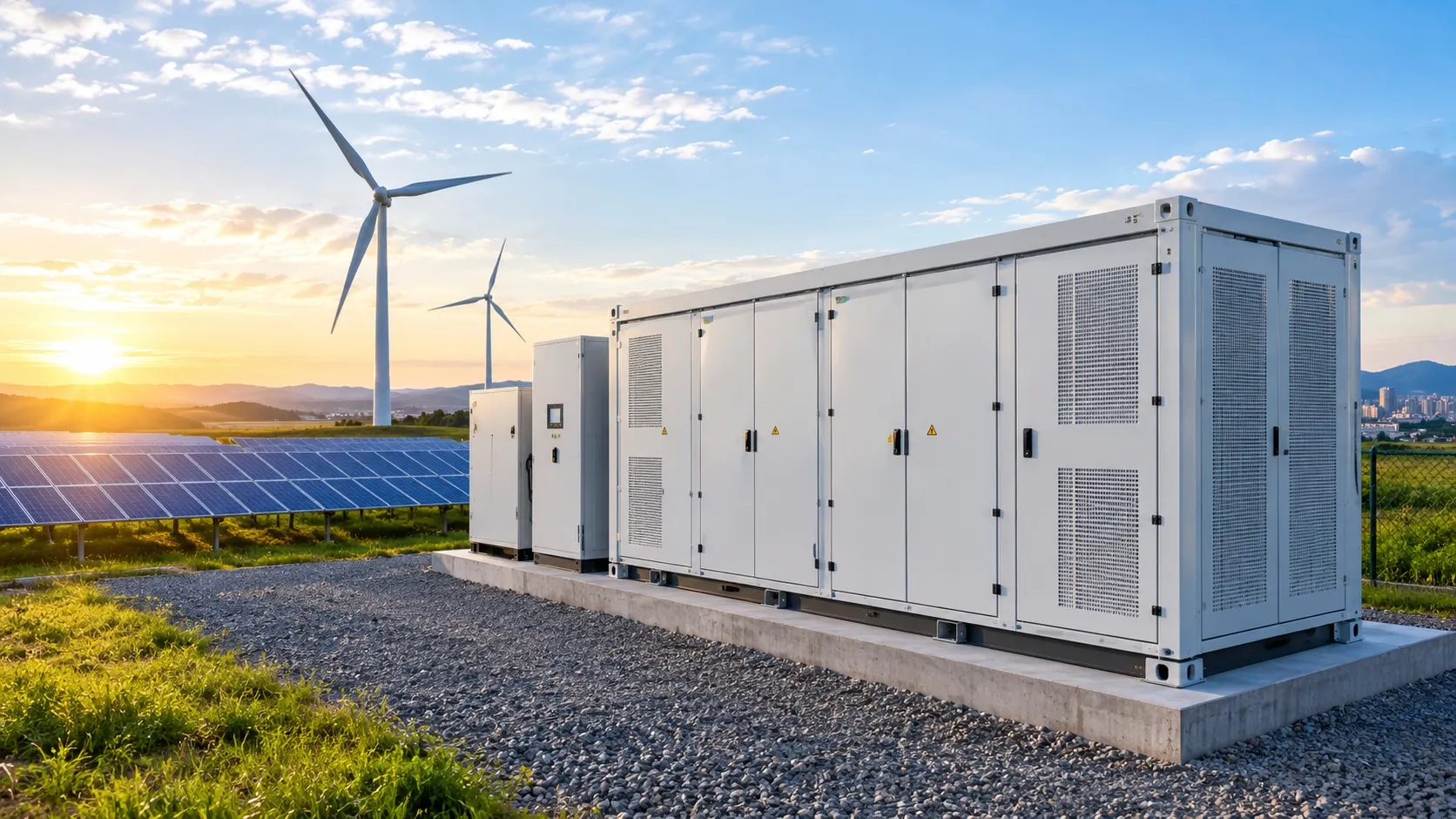
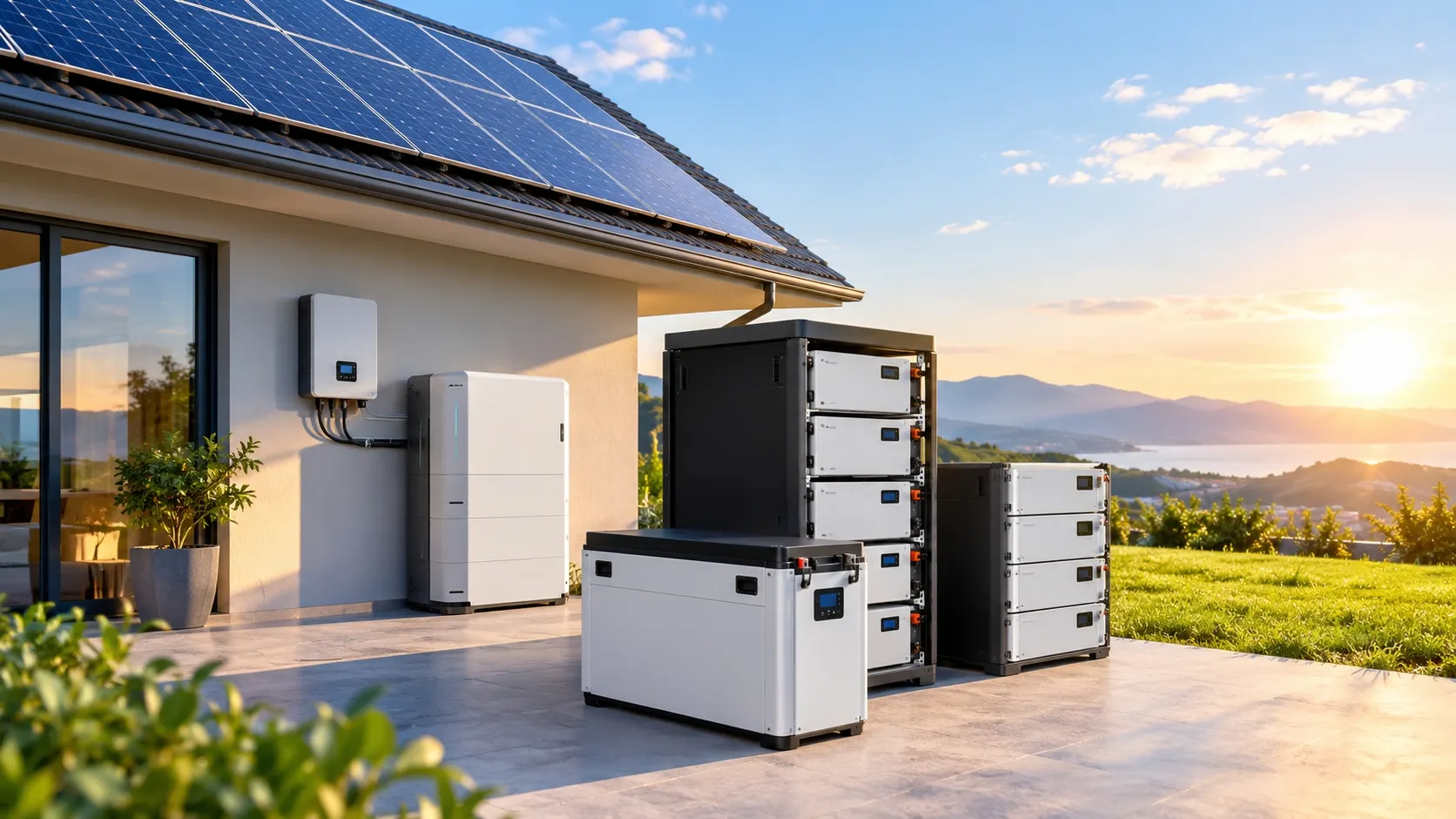
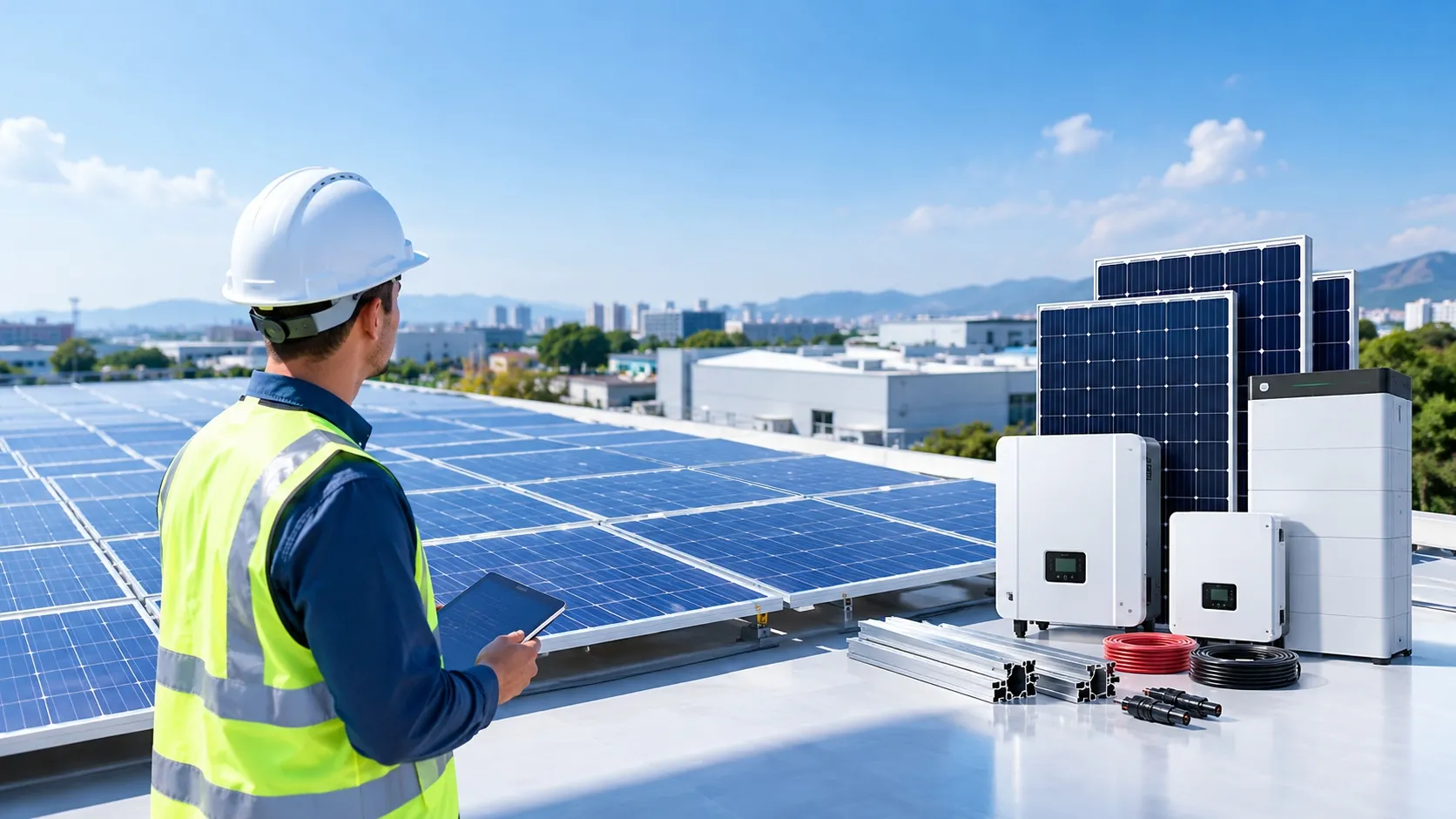
Frequent outages and voltage fluctuations can disrupt refrigeration, water pumps, lighting, communications and home-office equipment. In these markets, choosing a Solar Power System is not simply a matter of selecting a higher inverter rating or installing more panels.
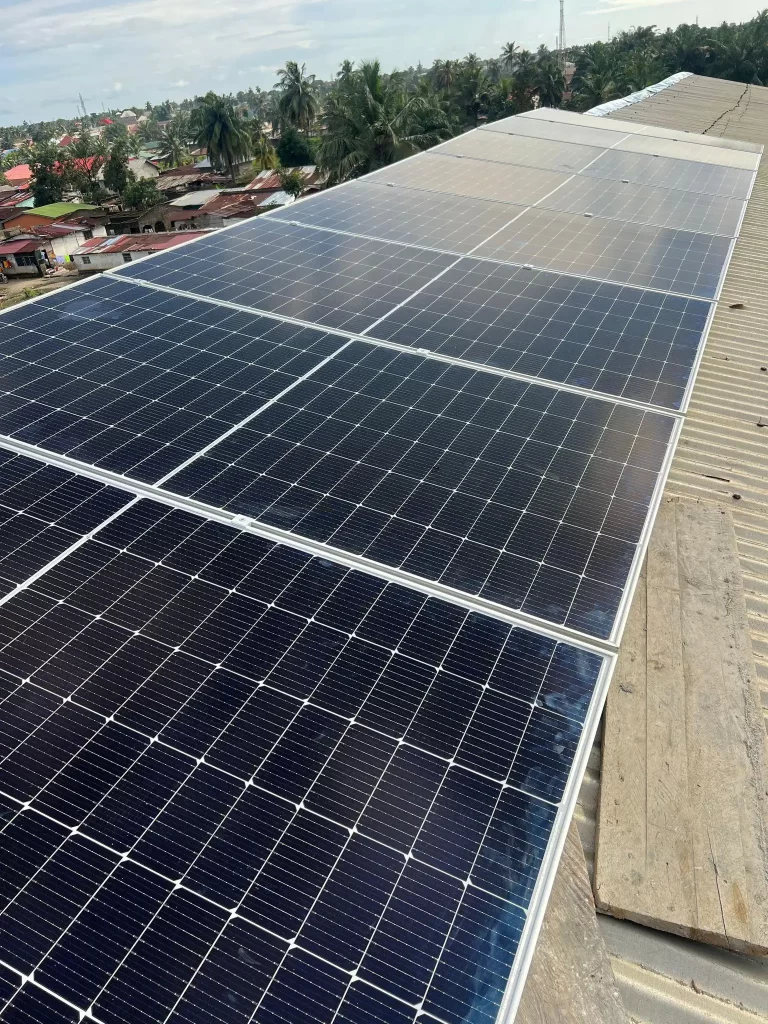
The right Solar Power System depends on three questions: Is usable grid power still available? How long do outages normally last? How much electricity must remain available when solar production is low?
A hybrid Solar Power System is generally more practical when the grid is unreliable but still available. An off-grid Solar Power System is better suited to remote properties or sites where grid connection is unavailable, expensive or operationally unsuitable.
What Is a Hybrid Solar Power System?
A hybrid Solar Power System integrates four core elements:
•Photovoltaic panels
•Hybrid inverter with MPPT control
•Battery energy storage
•Utility grid connection
During daylight hours, solar energy normally supplies active loads first. Additional generation charges the battery. Once the battery reaches its programmed limit, surplus electricity may be exported to the utility network where net metering and local interconnection rules allow.
When solar output falls, the inverter can draw energy from the battery. If battery state of charge reaches the configured minimum, grid electricity can support the loads.
A properly designed hybrid Solar Power System can therefore provide:
•Solar self-consumption
•Time-of-use energy management
•Battery backup during outages
•Grid support when stored energy is insufficient
•Export or zero-export operation
•Future battery or panel expansion
However, backup performance depends on inverter output, battery capacity and electrical distribution design. A system may support only critical circuits rather than an entire property.
Typical critical loads include:
•Refrigerators and freezers
•Lighting circuits
•Internet and communication equipment
•Security systems
•Water pumps
•Selected air-conditioning units
What Is an Off-Grid Solar Power System?
An off-grid Solar Power System operates without regular utility support. It typically includes:
•Solar panel array
•Off-grid inverter
•Battery bank
•MPPT charge controller
•AC and DC protection equipment
•Optional generator input
Solar generation powers loads and charges the batteries during the day. At night or during low-sunlight periods, the battery becomes the primary energy source.
Because no grid is available to cover an energy deficit, an off-grid Solar Power System must be sized for more demanding conditions—not only average daily sunlight.
The design must consider:
•Consecutive cloudy days
•Seasonal solar variation
•Battery reserve capacity
•Peak starting current
•Generator availability
•Load-shedding priorities
An undersized off-grid Solar Power System may repeatedly discharge the battery below the recommended level, reducing usable life and increasing the risk of system shutdown.
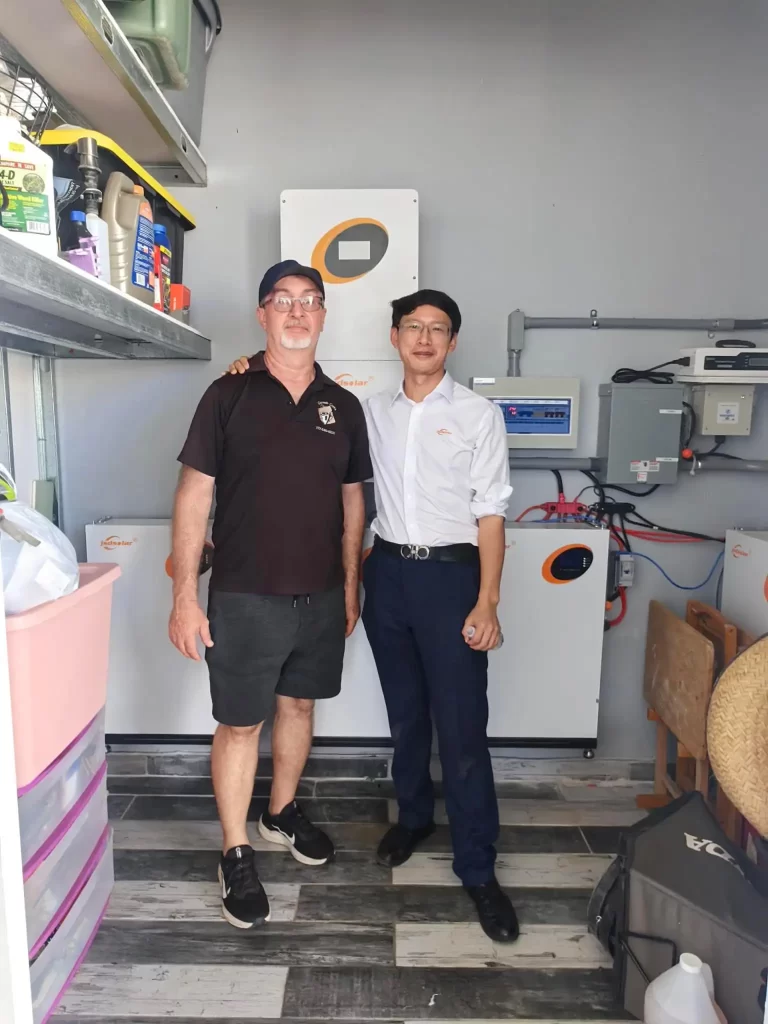
Hybrid vs. Off-Grid Solar Power System
| Comparison Factor | Hybrid Solar Power System | Off-Grid Solar Power System |
| Grid connection | Connected to the utility grid | Independent from the grid |
| Main objective | Reduce grid use and provide backup | Maintain independent power supply |
| Battery capacity | Based on desired backup duration | Sized for night use and low-sun periods |
| Energy shortage response | Grid can support the loads | Loads must be reduced or a generator started |
| Net metering | Possible where permitted | Not applicable |
| Outage operation | Depends on backup output design | Continues while solar and battery energy remain |
| System control | Coordinates solar, battery and grid | Manages solar, battery and optional generator |
| Best application | Unstable but available grids | Remote or fully independent sites |
| Typical investment | Often lower | Often higher due to larger storage requirements |
Which Solar Power System Is Better for an Unstable Grid?
Choose a Hybrid Solar Power System When
A hybrid Solar Power System is usually the better option when:
• Grid power is available but frequently interrupted
• Outages last several hours rather than several days
• The property needs solar battery backup
• Electricity cost reduction is an important objective
• Net metering or self-consumption is permitted
• The owner wants to retain the grid as a secondary source
• Future system expansion is expected
Choose an Off-Grid Solar Power System When
An off-grid Solar Power System is more suitable when:
• No utility connection is available
• Grid extension costs are uneconomical
• The grid operates for only a few hours each day
• The property can manage essential and non-essential loads
• Adequate battery storage can be installed
• Generator support is available for prolonged bad weather
Consider a Hybrid System With Off-Grid Capability
For extremely weak grids that remain occasionally available, a hybrid Solar Power System with strong battery backup may offer a balanced solution.
A typical energy priority is set to:
• Solar energy supplies active loads.
• Solar energy charges the battery if there is surplus generation.
• The battery provides energy to loads at night or during an outage.
• When the battery discharge limit is reached, the loads are supplied by the grid.
• An optional generator provides additional redundancy.
This arrangement improves energy flexibility without requiring the property to operate as a fully autonomous off-grid site.
Technical Factors to Calculate Before System Selection
1. Daily Energy Consumption
System sizing should begin with energy consumption in kilowatt-hours.
Daily energy use = Appliance power × Operating hours
The load assessment should separate:
• Daytime consumption
• Nighttime consumption
• Critical outage loads
• Seasonal demand
• Air-conditioning and pumping loads
A 10kW inverter rating does not mean the Solar Power System produces 10kWh every hour. Inverter power, panel capacity and daily energy generation are different design parameters.
2. Continuous Load and Starting Surge
Air conditioners, pumps, compressors and refrigerators can draw substantially more power during startup than during normal operation.
The inverter will need to account for:
• Continuous operational power
• Short-term surge power
• Simultaneous startup of multiple appliances
• The balancing of all phases in split-phase systems
Insurmountable peaks in surge demand can lead to an inverter being overloaded irrespective of reasonable levels of average power consumption.
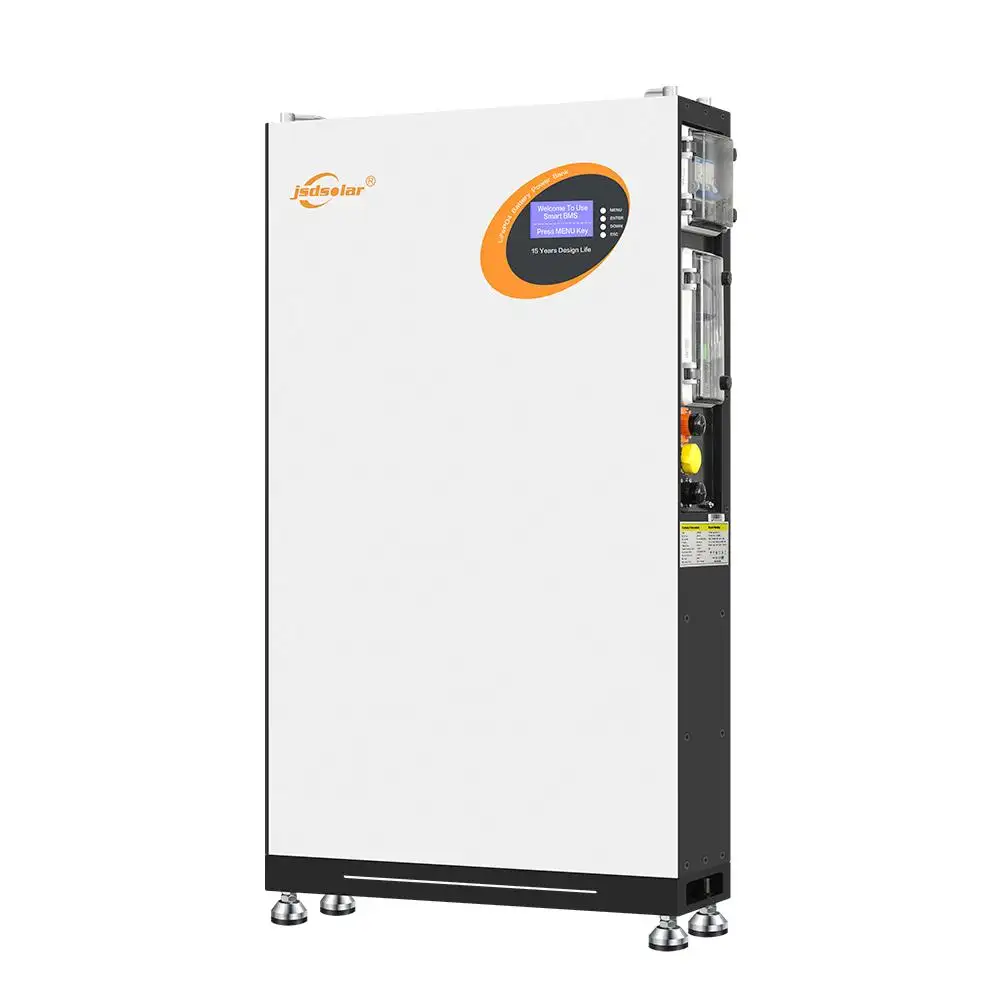
3. Battery Capacity and Backup Duration
A basic calculation is:
Required battery energy = Critical load × Backup hours
If critical loads total 2kW and must operate for five hours, the theoretical requirement is 10kWh. The final battery capacity should also account for:
• Usable depth of discharge
• Inverter conversion losses
• Battery ageing reserve
• High-temperature derating
• Future load growth
For example, a lithium battery operated at 80% usable depth of discharge cannot deliver its entire nominal capacity during every cycle.
4. Solar Array and MPPT Matching
A Solar Power System must keep the panel string voltage within the inverter's MPPT operating range.
Designers should verify:
• Maximum open-circuit voltage
• MPPT voltage window
• Maximum input current
• Number of panels per string
• Cold-weather voltage increase
• High-temperature power reduction
Panel capacity should also be matched to local peak-sun hours, shading and roof orientation.
5. Grid and Export Requirements
A grid-connected Solar Power System may require:
• Anti-islanding protection
• Export power limitation
• Zero-export control
• Dedicated bidirectional metering
• Utility approval
• Local electrical inspection
Net metering should never be assumed before confirming local regulations.
How JSDSolar Addresses Unstable-Grid Projects
JSDSolar configures each Solar Power System around the property's load profile, grid conditions and backup objective rather than applying one standard configuration to every project.
Energy-Flow Configuration
Programmable operating modes can define the priority between solar generation, battery storage and grid input. This allows the Solar Power System to support self-consumption, backup operation or time-based charging strategies.
Regional Electrical Compatibility
Configurations can be planned for:
• 120V/240V split-phase output
• 230V single-phase output
• 208V three-phase applications
• 50Hz or 60Hz networks
Voltage, phase structure and major appliance requirements are reviewed before component selection.
Battery Storage Planning
JSDSolar assesses essential load power, expected black-out duration, discharge restrictions, and battery communication requirements. A modular storage scheme can be applied to a 48 V lithium battery structure provided that there are no inverter limitations and the BMS is compatible with the design.
Tropical and Coastal Designs
The design of Solar Power Systems for the Caribbean and coastal regions may include:
• Monocrystalline solar modules
• Harvesting energy with a MPPT-based energy system
• Ventilated and thermally derated equipment
• Alloyed and galvanized mounting components
• Corrosion resistant fasteners
• Cables with insulation that is resistant to UV rays
• Sealed electrical boxes
For high- wind and coastal areas, as governed by site-specific structural analysis, the roofs' and local building codes' limitations will dictate the design of the mounting structures.
Monitoring and Expansion
The Wi-Fi monitoring system can provide users with information on solar generation, the battery state of charge, input to the grid and consumption of loads. Lower
Future expansion can also be planned by checking:
• Available MPPT capacity
• Inverter output limits
• Battery charging current
• BMS communication compatibility
• Distribution-board capacity
Final Decision
Choose a hybrid Solar Power System when the grid remains available but unreliable. Choose an off-grid Solar Power System when utility access is unavailable or economically impractical.
The final decision should be based on daily energy demand, peak load, backup duration, solar conditions, battery capacity, grid regulations, installation environment and future expansion—not the advertised kilowatt rating alone.
Choosing the right Solar Power System starts with accurate load and grid analysis. JSDSolar supports project-based solar capacity planning, inverter and battery matching, electrical configuration, mounting selection and scalable energy solutions for villas, farms, residences and small commercial properties.
FAQs
Q1. What Solar Power systems does JSDSolar offer?
JSDSolar offers hybrid and off-grid Solar Power systems for villas, farms, large houses, isolated properties, and even small commercial properties. Custom system designs can include panels, hybrid/off-grid inverters, lithium batteries, battery protection boxes, mounting and cabling.
Q2. How does JSDSolar decide between a hybrid and off-grid system?
JSDSolar considers availability and reliability of the grid, daily consumption, loads, and solar conditions, as well as the required duration of backup power. An off-grid Solar Power system is the better option for sites that are completely off the grid. A hybrid Solar Power System is generally the better option if grid power is available.
Q3. Does JSDSolar perform size-as-needed Solar Power System calculations?
Yes. JSDSolar performs a number of size-as-needed calculations prior to system sales for off-grid designs based on the appliances, operating hours, peak load, and system backup requirements. Each component of the Solar Power System has a unique role, and capacity is determined accordingly.
Q4. Will the JSDSolar system provide backup power during a utility outage?
Yes. A hybrid Solar Power System can provide backup power to circuits selected during a utility outage. The actual backup power provided is a function of the inverter backup output, battery state of charge, and the connected loads.
Q5. Does JSDSolar offer 120V/240V split-phase Solar Power Systems?
Yes. JSDSolar can provide 120V/240V split-phase systems for homes that have both 120V and 240V loads. Other services can also be provided for 230V single-phase, 208V three-phase, and 50/60 Hz electrical systems, if required.


In This Article
- 1 What Is a Hybrid Solar Power System?
- 2 What Is an Off-Grid Solar Power System?
- 3 Hybrid vs. Off-Grid Solar Power System
- 4 Which Solar Power System Is Better for an Unstable Grid?
- 5 Consider a Hybrid System With Off-Grid Capability
- 6 Technical Factors to Calculate Before System Selection
- 7 How JSDSolar Addresses Unstable-Grid Projects
