


Solar Home Solar Panels: Guide to Smarter Residential Solar Energy

Solar Home Solar Panels: A Smarter Way to Power Modern Homes
Energy costs are on the increase, and homeowners are seeking viable means of cutting down on the long-term electricity expenses. This is where solar home solar panels have emerged as one of the best investments in contemporary homes. The fact that clean energy offers more control over the use of electricity and helps to ensure a more sustainable future is making clean energy an option for more and more families.
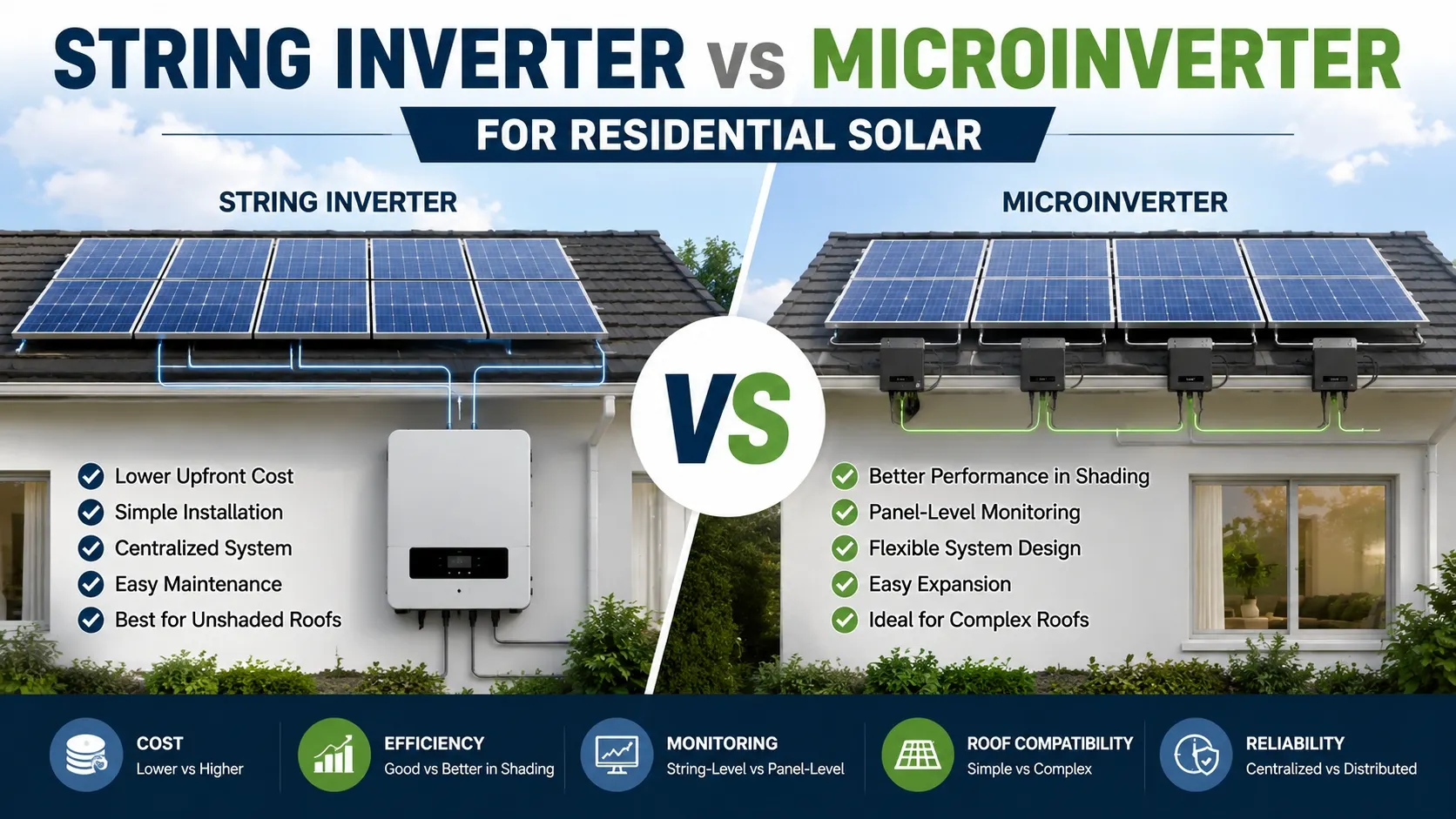
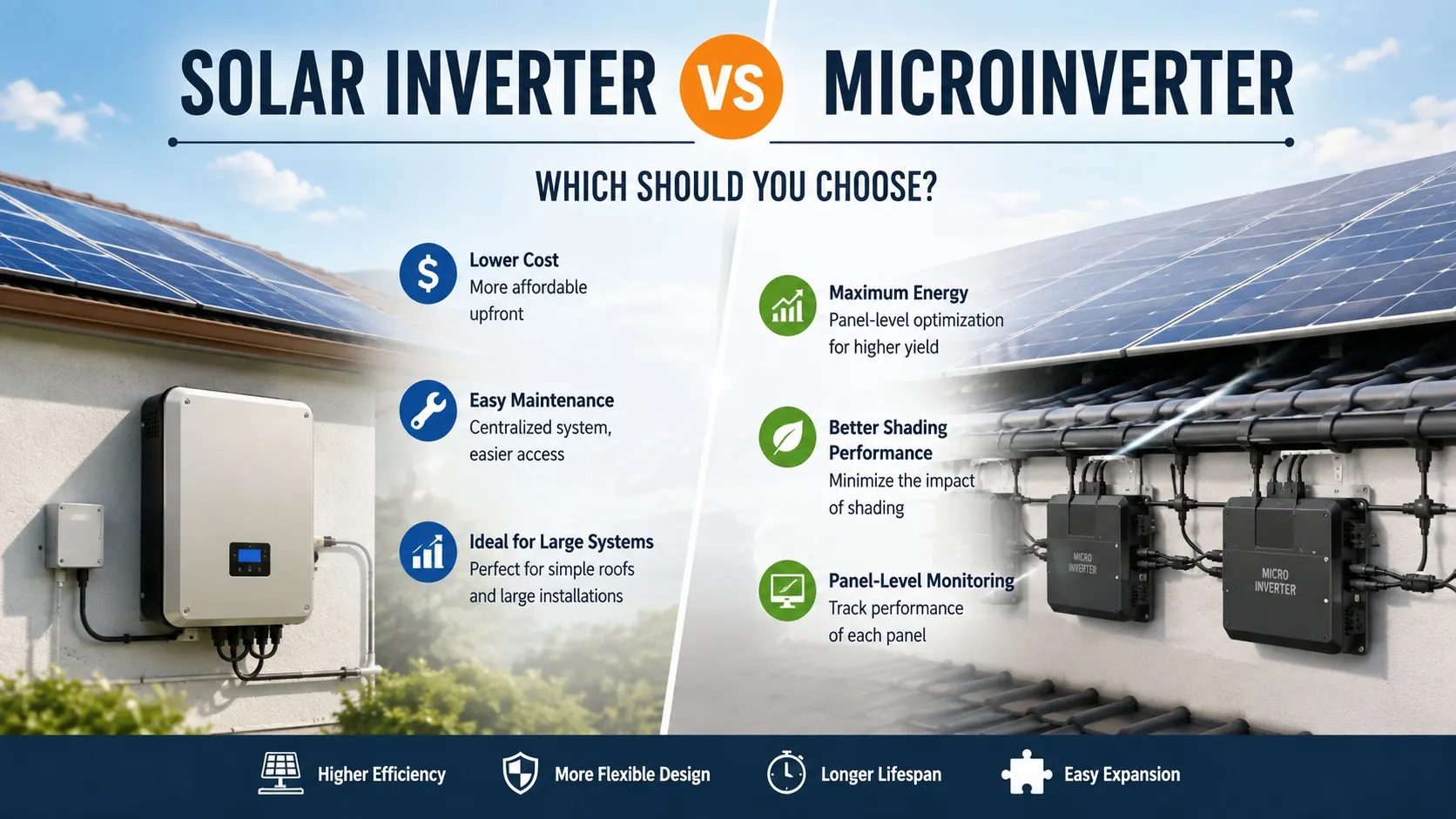
Modern home solar panels are more efficient, durable, and intelligent than ever. When used together with advanced batteries, hybrid inverters, and energy monitoring systems, homeowners will be able to create, store, and control electricity with amazing efficiency.
The Reason Why Residential Solar Energy is Increasing at a High Rate
Residential solar panels are in high demand all over the world because homeowners are in need of affordable and efficient sources of energy. Solar power does not produce any harmful emissions like traditional electricity since it utilizes sunlight to produce energy. The advantages of solar energy in homes are:
• Reduced electricity bills each month.
• Increased property value
• Less reliance on utility companies.
• Greater energy security
• Lower environmental impact
The current home solar energy systems are also built in a way that they can work effectively over decades, thus making it a viable solution to both large and small households.
What are Solar Panels and How Do They Work at Home?
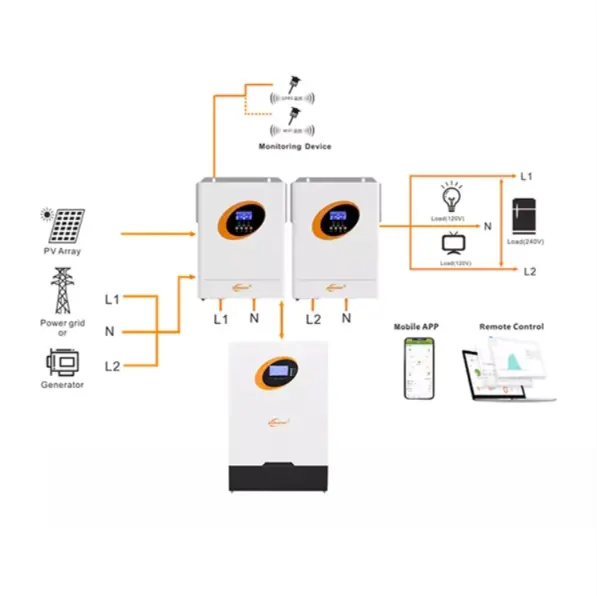
Among the most frequently asked questions by homeowners is, how do solar panels work in homes? Photovoltaic solar panels are used to extract sunlight and transform it into direct current (DC) electricity. This energy is then transferred to solar inverter systems that convert DC electricity to alternating current (AC) electricity that drives household appliances. The surplus energy may be stored in batteries or be sent to the utility grid by net metering solar systems. A typical system will consist of:
• Solar panels
• Grid-tied or hybrid inverter
• Mounting structure
• Battery storage system
• Monitoring software
This hybrid forms an effective and dependable source of solar power for households.
Learning About the Various Home Solar Panel Systems
The energy needs of not all households are the same. Luckily, there are several home solar panel systems.
Grid-Tied Solar Panel Systems
Solar panel systems that are grid-tied are still connected to the local utility network. In case the production of solar surpasses the household demand, then the surplus electricity can be sold to the grid. Electricity can be imported on demand during times of low solar generation. These systems are favored due to the fact that they do not need high initial investment but offer high savings.
Home Solar Panels (Off-Grid)
Home solar panels are off-grid panels that do not require utility infrastructure. These systems are very dependent on battery storage to supply electricity at night and during cloudy weather. They are commonly applied in remote areas where there is no access to utilities.
Hybrid Solar Systems
Hybrid systems are a combination of the two systems. The home is powered by solar energy during the day, and the excess power is stored in batteries to be used later. In case the battery reserves are exhausted, the system will be able to tap electricity from the grid when it is needed.
Significance of Solar Battery Storage
The use of solar home solar panels and battery storage is one of the largest innovations in home solar energy solutions. Homeowners can store excess energy generated during the daytime with battery systems. The stored energy can then be utilized in the evenings, during power outages, or when electricity is priced high.
Recent LiFePO4 batteries have excellent performance, such as over 6,000 charging cycles and sophisticated battery management systems that enhance safety and longevity. Solar battery backup has the following advantages:
• Greater energy independence
• Emergency backup power
• Improved self-consumption
• Reduced grid reliance
• Better energy management
Closer View of the JSD Solar 6kW Whole Home Solar System
To provide a homeowner with a balanced solution, the 6kW Solar Package Residence by JSD Solar can provide an entire ecosystem of energy. This system is a combination of photovoltaic generation, battery storage, and intelligent power conversion. Key features include:
• Maximum load power of 6kW.
• Eight 580W solar panels
• 48V/51.2V 200Ah LiFePO4 battery
• Hybrid inverter technology
• 110V/220V output
• Expandable system configuration
The system is capable of producing about 10 to 16 kWh in four sunny hours and about 23 kWh per day at optimal sunshine.
The Number of Solar Panels Needed to Power a House
- The quantity of panels that are needed is dependent on the panel wattage and household consumption.
- As an illustration, a 6kW residential system with 580W modules will normally need approximately 8 to 11 panels. JSD Solar's 6kW package uses eight 580W monocrystalline panels to achieve its target generation capacity.
- That is why professional system sizing is still an important factor to maximize solar energy efficiency.
Do Solar Panels Pay Off?
The response is normally yes. The recovery of installation costs by many homeowners takes between two and eight years, depending on the energy consumption, local incentives, electricity rates, and net metering policies. Quality systems have a lifespan of 25 to 30 years of power production with little maintenance.
The main financial benefits are:
• Reduced utility bills
• Long equipment lifespan
• Potential tax incentives
• Increased property value
• Hedge against future energy price rises
These advantages render residential renewable energy one of the most appealing home upgrades at the moment.
Solar Panel Installation Cost Factors
The cost of installing solar panels depends on several factors:
• System size
• Panel technology
• Battery capacity
• Roof complexity
• Local labor rates
• Electrical upgrades
Homeowners who are searching for cheap solar panels for a home should consider the value of the entire system and not just the price. Better-quality components can provide more lifetime savings and reliability.
Conclusion
A solar home solar panels is not just an energy upgrade. It is a long-term investment in stability, savings, and sustainability. Homeowners can now manage the increasing energy bills and build a cleaner future with modern domestic solar panels, smart battery storage, and advanced inverter technology. You may have plans to purchase home solar panels, investigate custom home solar systems, or compare residential solar panel installation services, but now is the best time to make the switch. Today, you can visit JSD Solar and find a smarter way to reliable and renewable energy that is intended to be used in modern living.


In This Article
- 1 Solar Home Solar Panels: A Smarter Way to Power Modern Homes
- 2 Conclusion
