


Solar Panels for Home: Complete Residential Solar Guide
Electricity costs remain high and there is growing interest among homeowners in clean energy, making solar panels a popular home energy solution around the world. An efficient residential solar panel system can effectively cut down electricity bills, make homeowners more energy independent, and minimize the environmental footprint.
There's more to picking the best home solar system than mounting panels on a sun-drenched roof, however. There are a number of factors to consider, including equipment needed, the size of a solar panel system, and how long it takes for the system to pay for itself, before a homeowner can understand how solar panels work.
This guide covers everything one should know about solar panels for home use as well as how to pick out the perfect residential solar energy system.
How Do Solar Panels for Home Work?
Solar panels produce a current of electricity when sunlight is converted to electrical energy using photovoltaics.
The vast majority of the solar panels used today have photovoltaic cells composed of semiconductor solids, usually silicon. The cells generate direct current (DC) electricity when they are hit by sunlight.
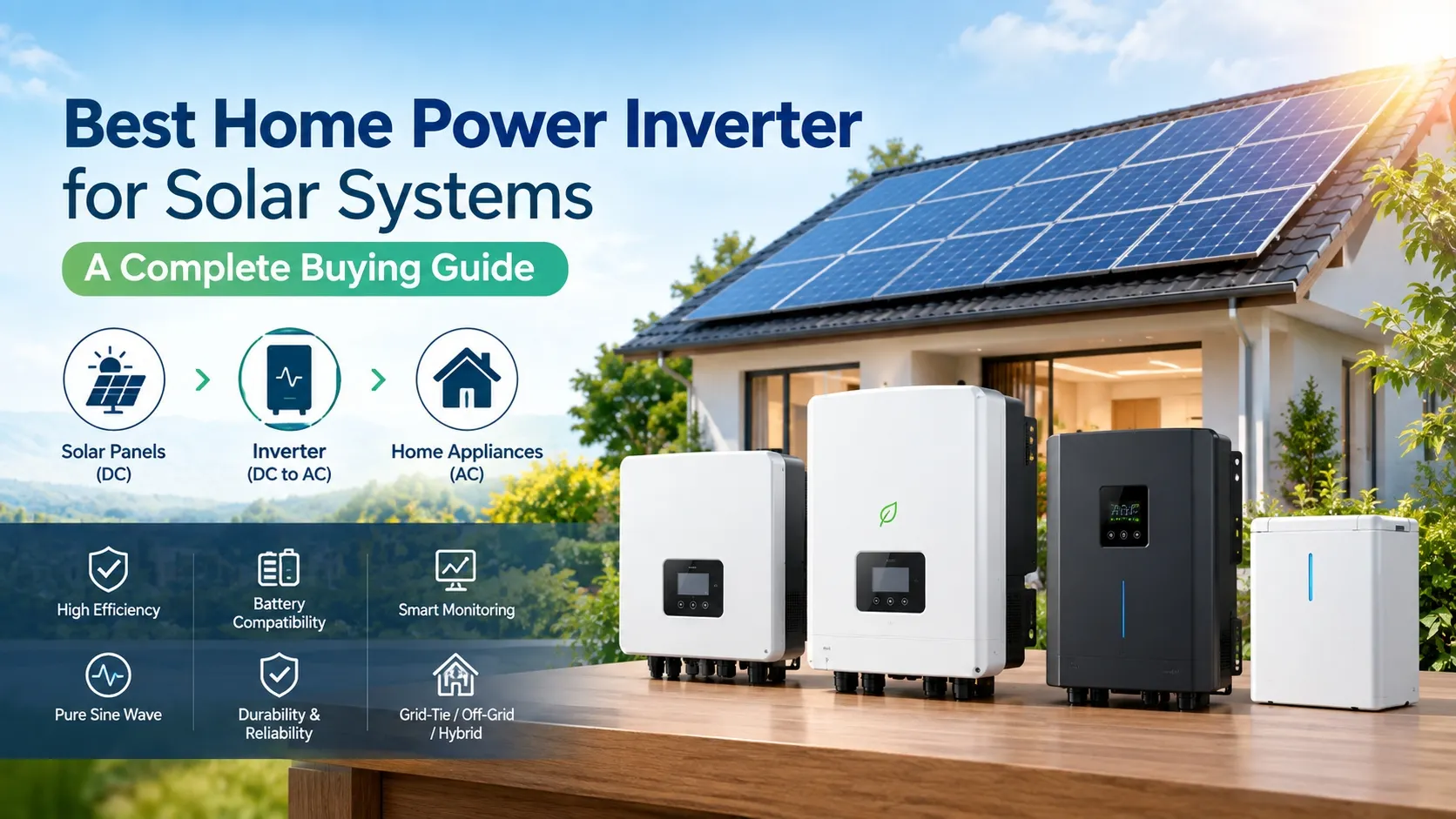
Most household appliances are powered by alternating current (AC) electricity, however. This is why it is critical to have a solar inverter in a domestic solar power system. Inverter converts the direct current electricity produced by solar panels to alternating current electricity that can be used for lights, appliances, electronics and other household equipment.
In a typical residential PV power installation, solar cells convert sunlight into an electrical current.In a typical residential PV power installation, the PV cells generate an electrical current from the sun.
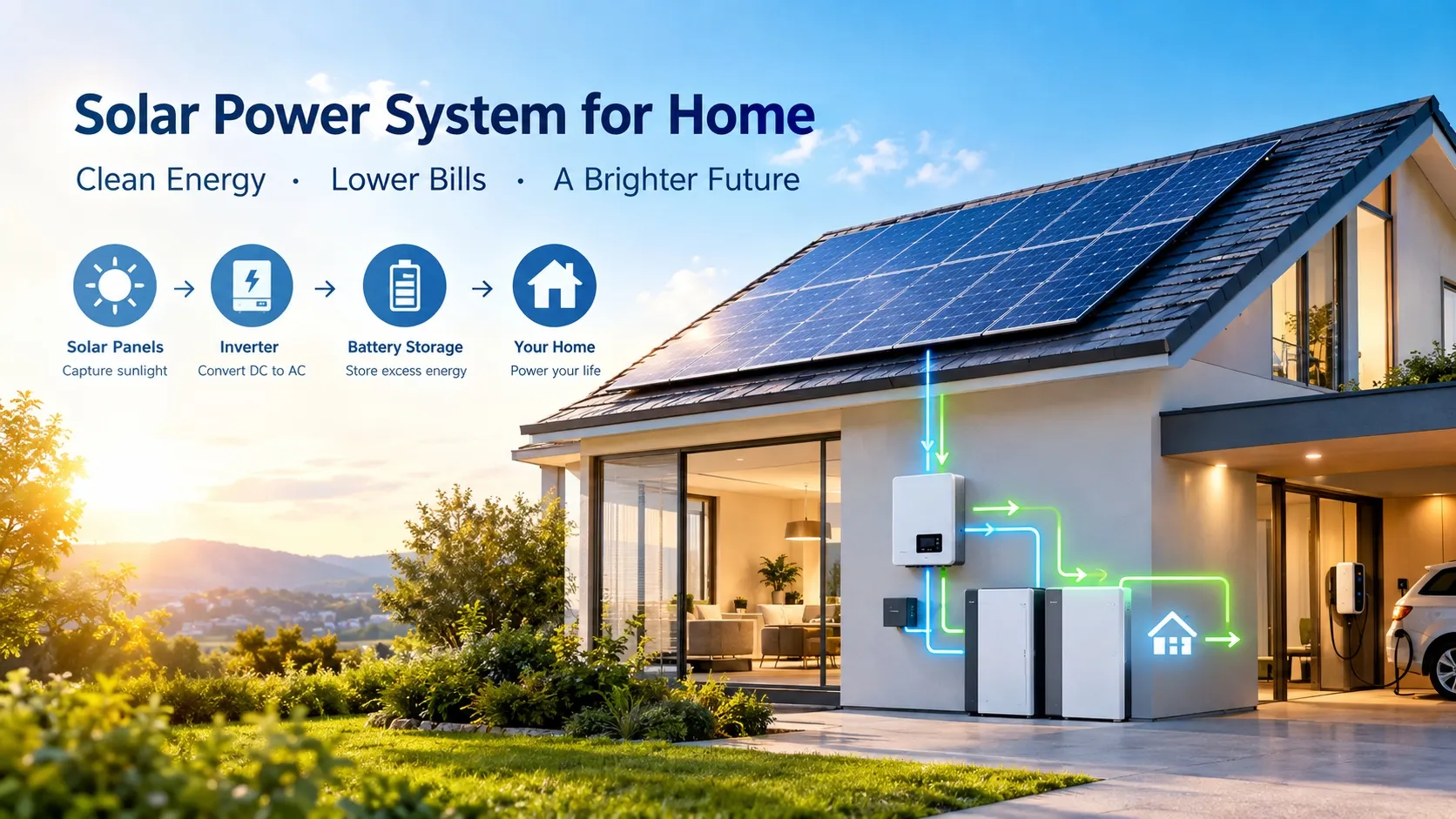
- Solar panels capture sunlight.
- Photovoltaic cells generate DC electricity.
- The solar inverter converts DC power into AC power.
- Your home uses the electricity produced.
- Excess electricity can be stored in batteries or sent to the electrical grid.
This simple process allows homeowners to produce renewable electricity directly from their rooftops.
What Equipment Is Included in a Residential Solar System?
A complete residential solar system includes several important components. Solar panels are the most visible part, but they are only one part of the overall energy system.
Solar Panels
Solar panels capture sunlight and convert solar energy into electricity. Panel efficiency, wattage, durability, and warranty are important factors when selecting residential solar panels.
Solar Inverter
The solar inverter converts DC electricity into AC electricity that can power household appliances.
Different inverter solutions are available, including string inverters, microinverters, and hybrid inverters.
Mounting and Racking System
A solar mounting system securely attaches solar panels to the roof or another installation surface.
The racking system must be designed to withstand wind, weather conditions, and long-term outdoor exposure.
Monitoring System
Many modern home solar systems include monitoring technology that allows homeowners to track electricity production and system performance.
Solar Battery Storage
A solar battery stores excess electricity produced during sunny periods.
Battery storage can help homeowners use solar energy at night, reduce dependence on the grid, and provide backup power during certain outages when properly configured.
How Many Solar Panels Does Your Home Need?
The number of solar panels required depends on several factors.
There is no single solar system size that works for every home. A small household with low electricity consumption may require a relatively small system, while a large home with electric heating, air conditioning, electric vehicles, or other high-energy equipment may require significantly more solar capacity.
Important factors include:
- Monthly electricity consumption
- Local sunlight conditions
- Solar panel wattage
- Roof size
- Roof orientation
- Shading from trees or nearby buildings
- Local climate
- Future electricity needs
A common starting point is to review your household's electricity bills and determine your average monthly energy consumption in kilowatt-hours (kWh).
Your solar installer can then estimate how much electricity your solar panels are expected to generate based on local solar resources.
For example, homeowners planning to purchase an electric vehicle or install a heat pump may want to consider future energy demand when sizing their residential solar system.
Is Your Home Suitable for Solar Panels?
Not every roof is identical, but many different types of homes can successfully use solar energy.
Before installing solar panels, homeowners should evaluate several important factors.
Roof Condition
Solar panels can remain in operation for decades, so it is important that the roof is in good condition before installation.
If a roof is likely to require replacement soon, completing the roofing work before installing solar panels may help avoid additional costs later.
Available Roof Space
A larger available roof area provides more flexibility for installing solar panels.
However, highly efficient solar panels can help maximize energy production when roof space is limited.
Sunlight Exposure
Solar panels need adequate sunlight to generate electricity efficiently.
Heavy shading from trees, buildings, chimneys, or other structures can reduce solar production.
Roof Orientation and Angle
Roof orientation and tilt can affect annual solar energy production.
The best configuration depends on geographic location, local weather conditions, electricity pricing, and household energy usage patterns.
Professional solar system design software can help installers optimize panel placement for maximum performance.
Benefits of Installing Solar Panels for Home Use
Residential solar energy offers several important benefits.
Lower Electricity Bills
One of the main reasons homeowners install solar panels is to reduce their electricity costs.
By generating electricity at home, homeowners can purchase less electricity from their utility company.
Actual savings depend on local electricity prices, solar production, utility policies, and household energy consumption.
Renewable and Clean Energy
Solar energy is a renewable energy source that produces electricity without burning fossil fuels during operation.
Installing solar panels can help homeowners reduce the environmental impact associated with traditional electricity generation.
Greater Energy Independence
A residential solar system can reduce dependence on utility companies.
When combined with solar battery storage, homeowners can use more of the electricity generated by their own solar panels.
Low Maintenance Requirements
Modern solar panels generally require limited maintenance.
Regular inspections and occasional cleaning may help maintain performance, particularly in locations with significant dust, dirt, pollen, or debris.
Potential Property Value Benefits
In some markets, solar energy systems can make homes more attractive to buyers.
However, the potential impact on property value depends on factors such as system ownership, location, electricity costs, and local real estate demand.
How Much Do Home Solar Panels Cost?
The cost of solar panels for home installation varies significantly.
A residential solar project includes more than the cost of the panels themselves. Total installation costs may include:
- Solar panels
- Inverters
- Mounting equipment
- Electrical components
- Labor
- Engineering
- Permits
- Inspections
- Monitoring equipment
- Battery storage, if included
Because every home is different, homeowners should compare multiple solar quotes before making a decision.
The lowest price is not always the best option. Equipment quality, warranty coverage, installation experience, and expected energy production should also be considered.
Solar Panels and Battery Storage
Solar batteries are becoming increasingly popular in residential solar systems.
Without battery storage, excess solar electricity may be exported to the utility grid depending on local regulations and utility programs.
A battery allows homeowners to store some excess electricity for later use.
Solar batteries can be particularly useful for:
- Nighttime electricity consumption
- Backup power planning
- Areas with high electricity prices
- Homes with time-of-use electricity rates
- Increasing solar self-consumption
However, battery storage increases the total cost of a solar installation.
Homeowners should carefully evaluate their electricity usage and local utility policies before deciding whether a battery is necessary.
How to Choose the Right Solar System for Your Home
Choosing the right residential solar system involves more than selecting the highest-wattage solar panel.
Consider the following factors:
1. Analyze Your Energy Consumption
Review your electricity bills and identify your average monthly and annual electricity usage.
2. Evaluate Your Roof
Check roof condition, available space, orientation, and shading.
3. Compare Solar Equipment
Evaluate solar panel efficiency, inverter technology, warranties, and expected performance.
4. Request Multiple Quotes
Comparing several professional solar installation quotes can help homeowners understand differences in pricing and system design.
5. Review Financing Options
Depending on your market, homeowners may choose to purchase a system directly, use solar financing, or explore other available ownership arrangements.
6. Understand Local Incentives
Government incentives, tax programs, rebates, and utility policies can significantly affect the overall economics of residential solar.
Because solar policies vary by country, state, city, and utility provider, homeowners should always verify current local programs before making a purchasing decision.
How to Find a Reliable Residential Solar Installer
The installation company plays an important role in the long-term performance of your solar system.
When comparing solar installers, consider:
- Years of installation experience
- Customer reviews
- Industry certifications
- Equipment brands offered
- Installation warranty
- Product warranty
- System design capabilities
- Local permitting experience
- After-sales service
A professional installer should clearly explain system capacity, estimated energy production, equipment specifications, and the expected installation process.
Avoid making a decision based only on price.
Are Solar Panels for Home Worth It?
For many homeowners, solar panels can be a valuable long-term investment.
However, whether solar is financially worthwhile depends on individual circumstances.
Solar may be particularly attractive when:
- Electricity prices are high
- Your home receives strong sunlight
- Your roof has suitable space
- Local incentives are available
- You plan to stay in your home for several years
- Your utility offers favorable solar policies
The best way to determine whether solar panels are right for your home is to analyze your electricity consumption, roof characteristics, local solar resources, and available incentives.
Final Thoughts
The use of solar panels in homes is changing the dynamics of power generation and consumption. Residential solar systems designed to reduce electricity bills, promote cleaner energy usage and increase home energy control.
Choosing the right project size, quality equipment and a quality installation partner is key to a successful solar project.
Before purchasing residential solar panels, make sure to learn how much energy you consume, find system options, assess your roof, and look for local incentives. Home solar energy can be a viable long-term alternative for homeowners seeking more sustainable, efficient and intelligent electricity if planned accordingly.
Share on Social:


In This Article
- 1 How Do Solar Panels for Home Work?
- 2 What Equipment Is Included in a Residential Solar System?
- 3 How Many Solar Panels Does Your Home Need?
- 4 Is Your Home Suitable for Solar Panels?
- 5 Benefits of Installing Solar Panels for Home Use
- 6 How Much Do Home Solar Panels Cost?
- 7 Solar Panels and Battery Storage
- 8 How to Choose the Right Solar System for Your Home
- 9 How to Find a Reliable Residential Solar Installer
- 10 Are Solar Panels for Home Worth It?
- 11 Final Thoughts
