


Are solar panels worth it
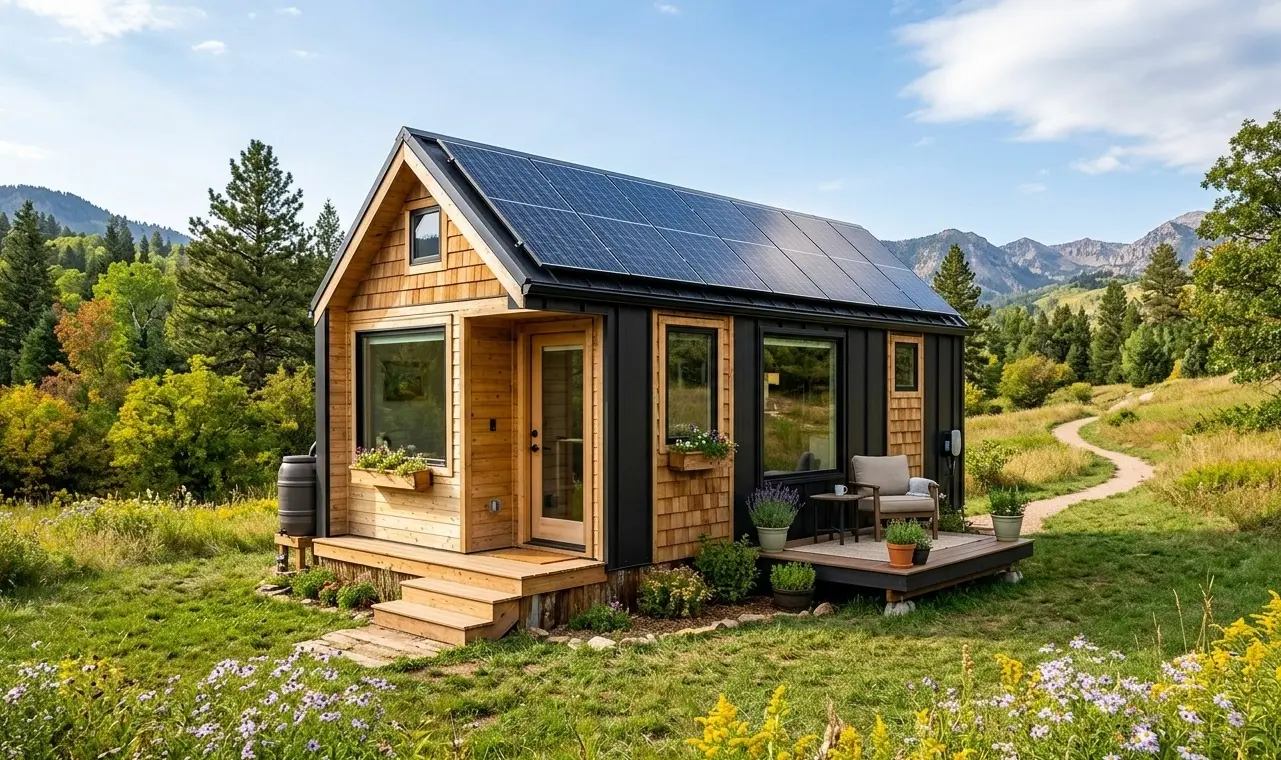
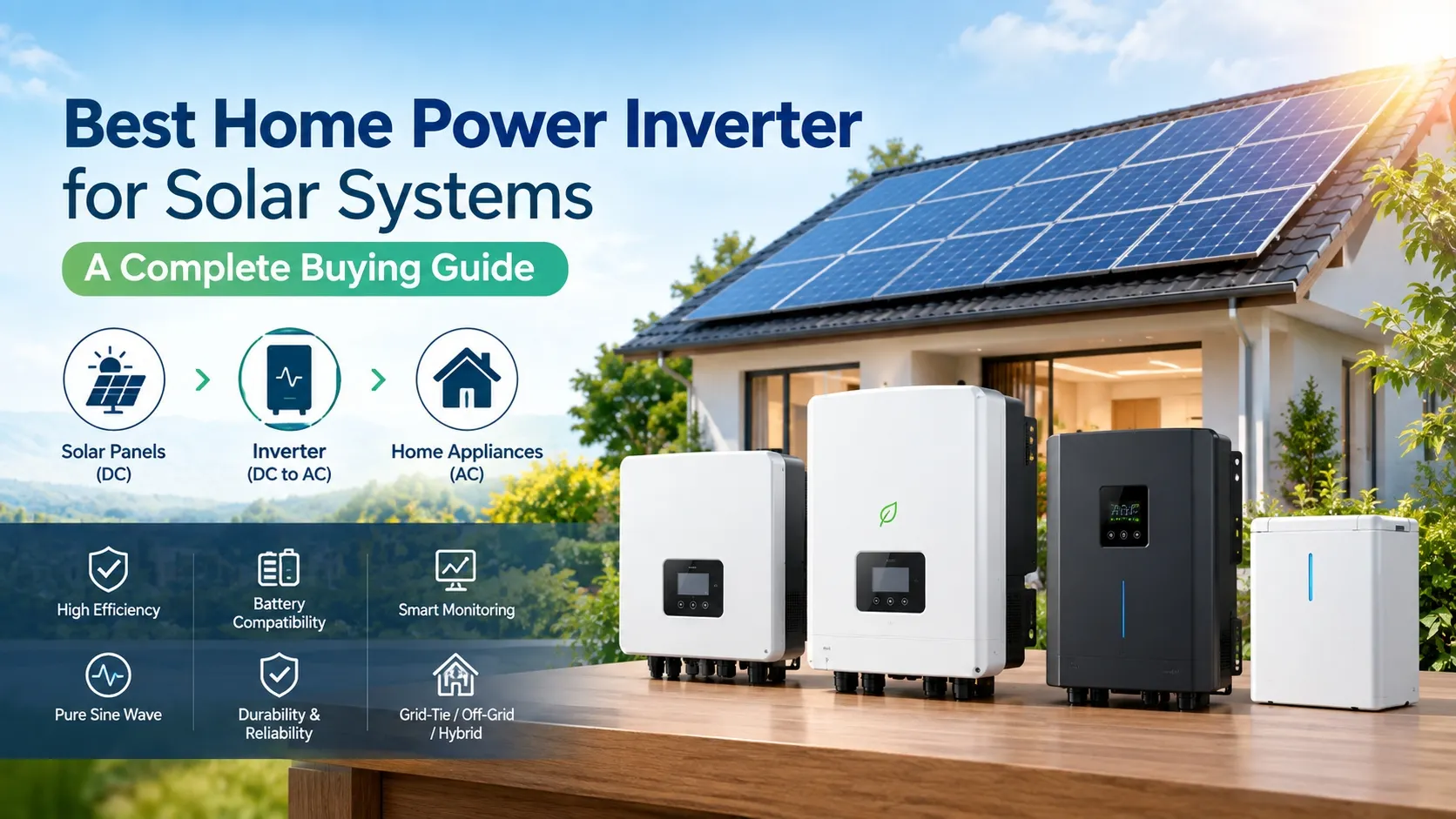
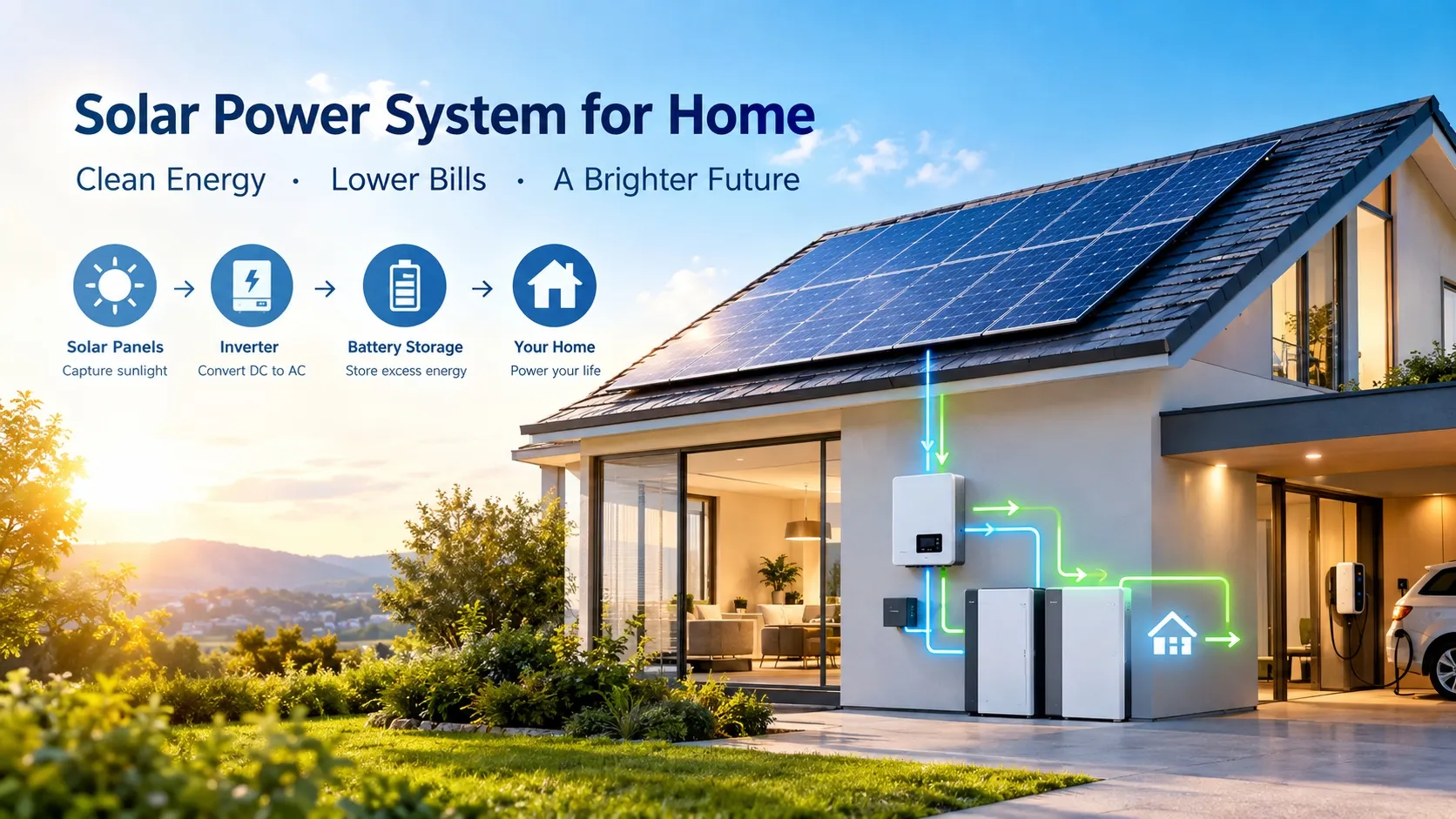
When thinking of installing solar panels one question often arises: is solar a good investment?
That's the answer for many who are homeowners. The right solar for home installation can save on power costs, energy independence, and long-term savings. But not all properties are equal when it comes to solar. The return on investment is affected by your electricity rate, solar system installation cost, roof condition, available sunlight, financing options and local incentives.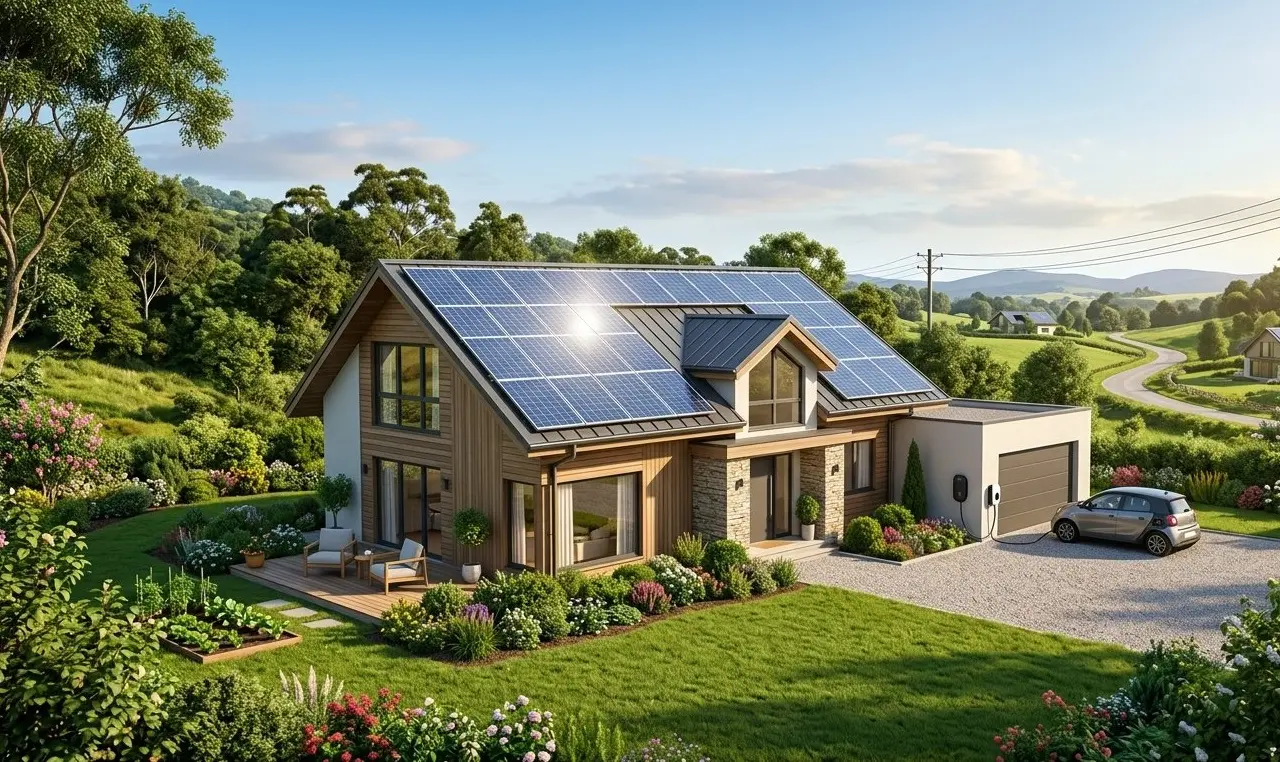
Solar energy is a long time investment, with a typical residential solar system lasting 25 years or more. The critical question is whether the potential energy savings are worth the up front expenses.
How Do Solar Panels Save You Money?
Solar panels convert the sun's energy into electricity that can be utilized for home power. Each kilowatt-hour (kWh) you use and produce on your premises is electricity you do not have to buy from your utility.
These savings can add up over time.
For instance, if a homeowner has a high electric bill, they can cover much of their annual electric use by using rooftop solar. The value of the electricity produced by the solar system can rise as electricity rates rise.
Though costs and savings will vary, the EnergySage data indicates that the typical solar homeowner can save a substantial amount on their electric bills over the lifespan of their solar system, 25 years or more.
This is why it is important to consider the solar panel lifetime savings as opposed to just comparing the electricity bill and the installation cost for today.
When Are Solar Panels Worth It?
Solar panels are generally a strong investment when several favorable conditions come together.
1. You Own Your Home
Homeowners typically have the best upside to solar, as they can own the system for years and reap the benefits of a cost savings.
An installed solar system can continue to generate power for 25-30 years and beyond. When you plan to live in your home for quite some time, you have more time to fully recoup your investment and enjoy the reduction in your electricity bills.
While renters may be able to use other solutions like community solar, the installation of a conventional rooftop solar system typically requires approval from the property owner.
2. You Pay High Electricity Rates
The higher your electric bill, the more you can benefit from producing your own electricity.
However, if the utility charges a high cost per kWh, every unit of solar power can replace a higher cost unit of grid power. This means there's a range of competitive solar economics available in relatively expensive states.
Having very low electric costs, on the other hand, might have a longer solar payback period.
3. Your Roof Gets Enough Sunlight
Solar panels do not need constant direct sunlight, but need to be installed where they get a significant amount of sunlight all year round.
Local climate, roof size, shading, roof orientation and tilt are all important.
In the Northern Hemisphere, it is widely accepted that a south-facing roof is a good option for solar; however east- and west-facing roofs can also yield good results. Systems may be limited in production by heavy shade from other structures or buildings, or trees.
A ground-based solar system might be an option if the roof is not suitable, but sufficient land is available.
4. You Get a Competitive Installation Price
While solar panels can be a worthwhile investment, it is important not to over-pay for installation or you will not make as much money as you could.
Installation costs vary based on system size, equipment, labor, roof surface complexity, electrical upgrades, permitting, location and the experience of the installer.
Current EnergySage marketplace data shows that the price of residential solar is highly varied, so it's essential to get several quotes for this purchase.
Avoid the price tag that is low. The value of your system can be impacted by equipment quality, workmanship, warranties, monitoring and the reputation of your installer.
How Long Does It Take for Solar Panels to Pay for Themselves?
The solar payback period is the amount of time required for your energy savings and other financial benefits to recover your initial solar investment.
A simple calculation is:
Solar Payback Period = Net Solar System Cost ÷ Annual Solar Savings
For example, suppose your net solar investment is $25,000 and your system saves you approximately $2,500 per year in electricity costs.
Your estimated payback period would be:
$25,000 ÷ $2,500 = 10 years
After reaching the break-even point, the system can continue generating electricity and reducing your utility expenses for many additional years.
EnergySage's latest data places the average shopper's solar break-even period at roughly 10–11 years, although individual projects can be considerably faster or slower depending on local conditions.
What Factors Affect Solar ROI?
Solar return on investment is different for every homeowner. Several factors deserve careful consideration.
Electricity Usage
A household with high electricity consumption may need a larger solar system but can also have greater potential savings.
Review at least 12 months of electricity bills before determining the appropriate system size.
Electricity Rates
Higher utility rates generally improve the financial value of solar energy.
If electricity prices increase over time, the savings generated by your solar system may become more valuable.
System Cost
The total installed cost is one of the most important variables in solar ROI. Get several detailed quotes and compare the cost per watt, equipment specifications, warranties, and installation services.
Solar Incentives
Local incentives, rebates, tax benefits, utility programs, and renewable-energy programs can reduce the effective cost of going solar.
Because incentive rules can change, homeowners should verify current federal, state, local, and utility programs before making a purchase.
Net Metering and Utility Rules
If your utility allows you to receive credits for excess electricity sent to the grid, the value of your solar production may increase.
However, compensation rules differ significantly between utilities. Some locations use traditional net metering, while others use different export-credit or time-of-use structures.
Understanding your utility's current rules is essential when calculating solar savings.
Is a Solar Battery Worth It?
Solar panels generate electricity primarily during daylight hours, while many households consume significant electricity in the evening.
A solar battery can store excess solar energy and make it available later.
Battery storage can be especially useful for homeowners who:
- Experience frequent power outages
- Have time-of-use electricity rates
- Receive limited compensation for excess solar electricity
- Want greater energy independence
- Want backup power for essential appliances
However, batteries increase the overall cost of a solar installation. Therefore, a battery should be evaluated based on both financial savings and the value of backup power.
For some homeowners, the primary reason to install a battery is not faster ROI but improved energy resilience.
When Are Solar Panels Not Worth It?
Solar energy is not automatically the right choice for every property.
Solar may be less attractive when:
You plan to move soon.
If you sell your home before reaching the solar payback point, you may not capture the full financial benefit.
Your electricity rates are very low.
Low utility prices can result in a longer payback period.
Your roof is heavily shaded.
Significant shading can reduce annual solar production.
Your roof needs replacement.
If the roof is near the end of its useful life, replacing it before installing solar may be more practical.
The solar quote is too expensive.
An overpriced system can eliminate much of the potential ROI.
The financing terms are unfavorable.
Interest rates, dealer fees, payment escalators, and contract terms can substantially change the economics of a solar project.
Should You Buy Solar Panels With Cash or Financing?
Homeowners generally have three major payment options: cash purchase, solar loan, or lease/PPA.
Cash Purchase
Buying solar panels outright typically provides the highest long-term savings because there are no loan interest charges.
The disadvantage is the large upfront investment.
Solar Loan
A solar loan allows homeowners to own the system while spreading payments over several years.
This can preserve cash flow, but interest and financing fees should be included when calculating total project costs.
Solar Lease or PPA
With a lease or power purchase agreement, a third party typically owns the solar system. The homeowner pays a monthly fee or pays for the electricity generated.
These options can reduce upfront costs and maintenance responsibilities, but lifetime savings are generally different from system ownership.
The best financing option depends on your financial goals, available capital, credit terms, and how long you expect to own the property.
How to Determine If Solar Is Worth It for Your Home
Before signing a solar contract, evaluate these six numbers:
- Current annual electricity cost
- Annual electricity consumption
- Total installed solar cost
- Expected annual solar production
- Available incentives and rebates
- Estimated solar payback period
Make a few comparisons of different installer proposals.
Don't just look at the monthly payment. Sometimes, a lower monthly payment may also be a loaner with a longer term, higher interest or extra fees.
Rather, determine TCO and projected lifetime savings.
Final Verdict: Are Solar Panels Worth It?
When a home is well exposed to solar energy, electric costs are comparatively expensive, and solar panels are competitively priced, they become a good investment for many homeowners.
Best solar investments are those that offer a favorable long-term ownership time, electricity savings, and reasonable installation cost.
Solar can offer more than just economic savings, as well: a reduced reliance on the electrical grid, a higher level of energy independence, and access to renewable electricity.
There is an answer however, that is universal. The solar system you find to be worthwhile in one state could take a very long time to pay off in another state.
The best way is to compare the electricity bills, roof space, electricity rates, solar cost estimates, financing options and incentives in your area.
Share on Social:


In This Article
- 1 How Do Solar Panels Save You Money?
- 2 When Are Solar Panels Worth It?
- 3 How Long Does It Take for Solar Panels to Pay for Themselves?
- 4 What Factors Affect Solar ROI?
- 5 Is a Solar Battery Worth It?
- 6 When Are Solar Panels Not Worth It?
- 7 Should You Buy Solar Panels With Cash or Financing?
- 8 How to Determine If Solar Is Worth It for Your Home
- 9 Final Verdict: Are Solar Panels Worth It?
