


Benefits of Solar Power for Homes and Businesses

The use of solar energy is one of the most viable renewable energy options for any individual or business in this world. With rising electricity prices and a search for alternative energy sources, solar energy can help lower energy costs, enhance energy independence, and foster sustainability.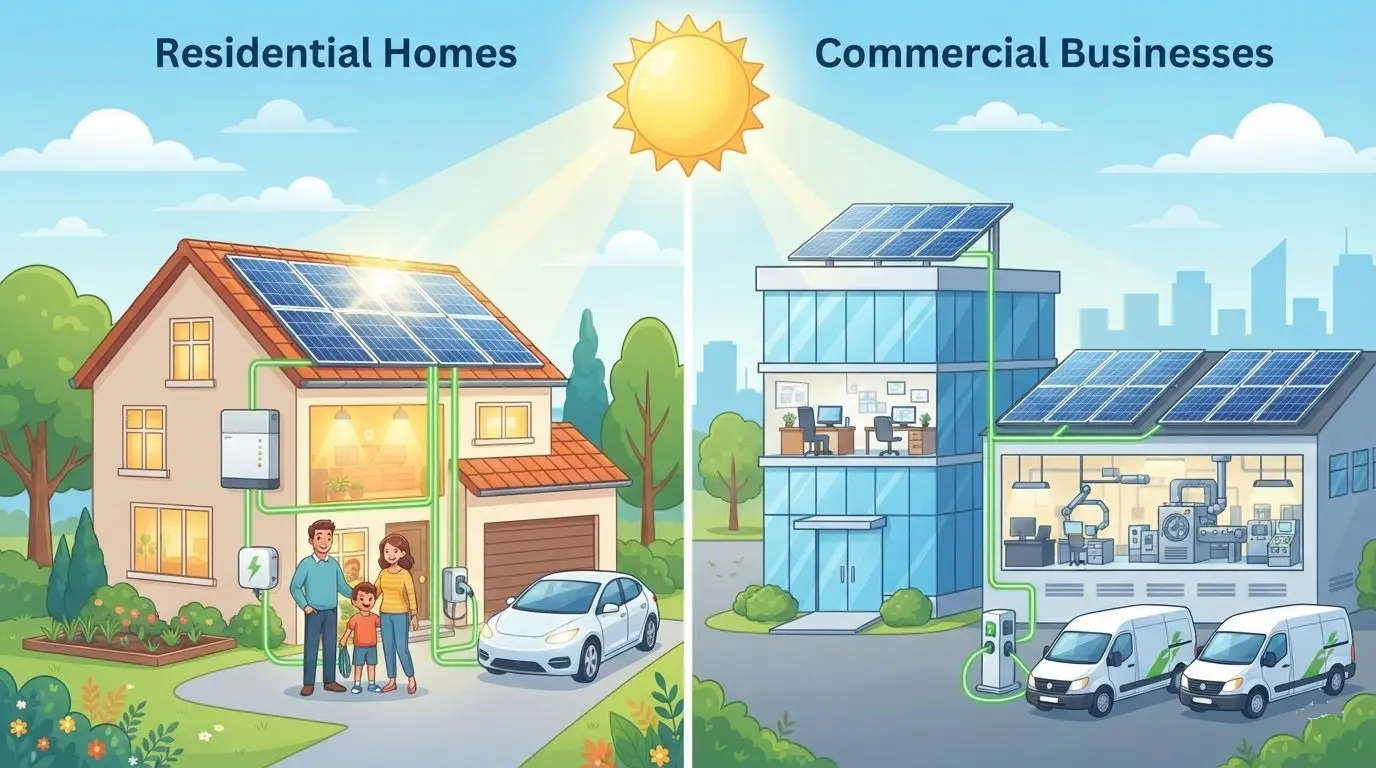
So, what are the real-world savings of solar energy for homes and businesses? From lower electricity bills to increased energy resilience, solar panels can provide both financial and environmental advantages.
What Is Solar Power?
Solar energy is generated by harnessing the energy of the sun through the use of PV solar panels. The components of a typical solar energy system consist of solar panels, an inverter, mounting hardware, and electrical components. Solar battery storage can also be installed to store any surplus electricity generated to use during the night or when the power supply is lost.
Residential roof tops, commercial buildings, warehouses, factories, parking structures and other appropriate locations are where solar systems can be installed.
1. Lower Electricity Bills
The advantage of solar energy is that it could enable the reduction of electricity costs.
The typical way to get electricity is for homes and businesses to buy it from the utility grid. A solar PV system produces electricity locally, so that property owners can use solar power in preference to buying as much electricity from the grid.
Several factors are considered, such as:
- Solar system size
- Local electricity rates
- Daily electricity consumption
- Available sunlight
- System orientation and shading
- Utility policies
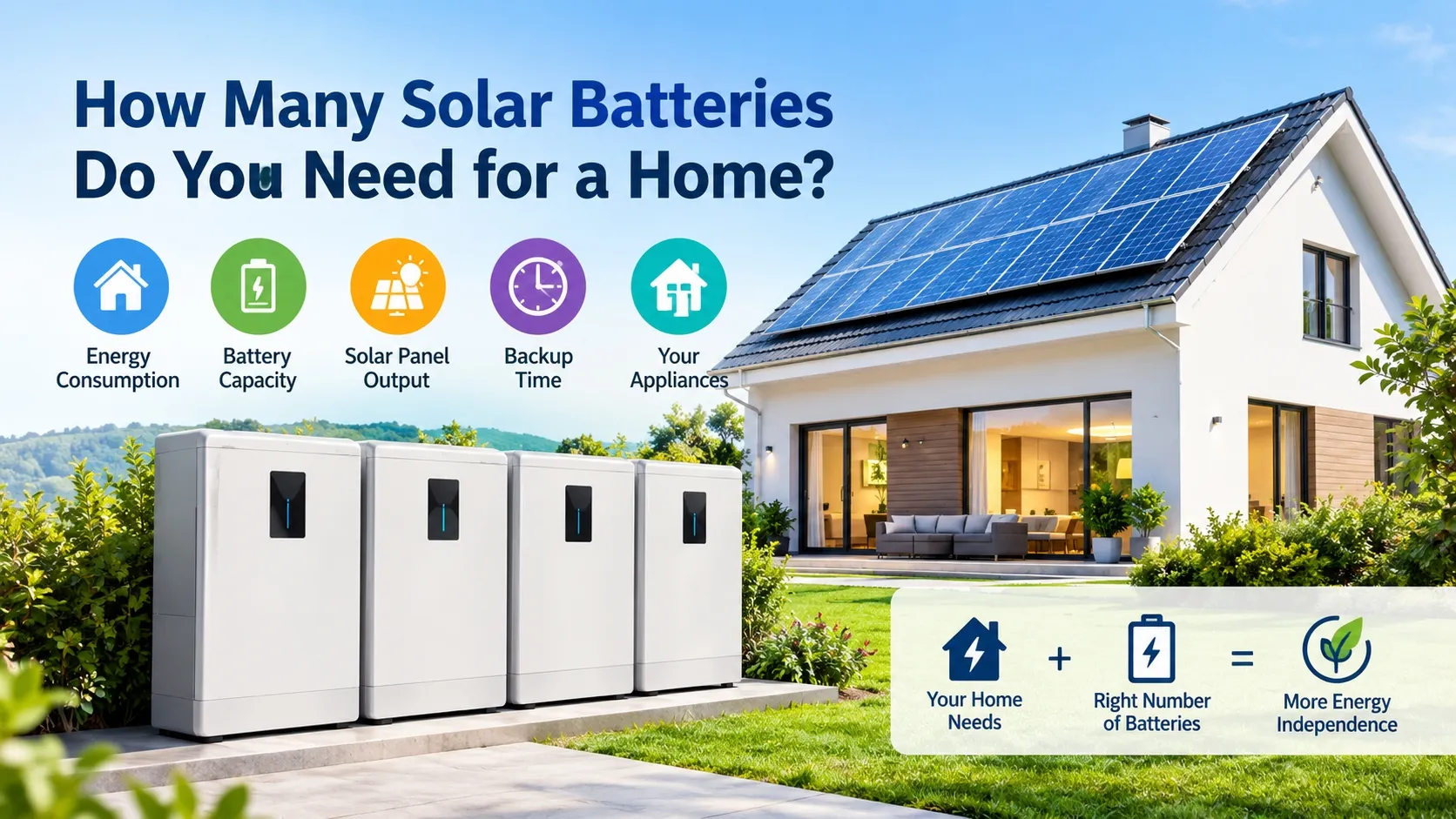
- Battery storage capacity
For businesses with high daytime electricity demand, solar can be especially valuable because commercial operations can consume solar electricity while the system is producing power.
2. Greater Energy Independence
Solar energy can help lessen reliance on conventional power companies.
A solar panel installation at a home or business produces some of the electricity the site consumes on-site. A solar battery can also provide additional benefits to energy independence, offering stored electricity during the night or when solar isn't being generated.
Businesses can also gain greater energy independence, allowing them a more predictable energy cost and protection from electricity price fluctuations.
3. Protection Against Rising Energy Costs
The cost of electricity may fluctuate from one period to another and energy budgeting can be challenging.
Turning to solar power can help alleviate this uncertainty by ensuring property owners can generate their own power. If you install the solar system, you have to pay the initial price but it can generate electricity for a long period of time.
This can be especially relevant for businesses, where energy costs can be a major operational cost. Electricity cost reductions and predictability can help with long-term financial planning.
4. Reduced Carbon Emissions
During the operation of solar energy, no direct burning of fossil fuels is involved in the generation of electricity. Thus it would be possible to reduce electricity-related greenhouse gas emissions by replacing part of the electricity generation with solar electricity.
The decision to install solar panels could be a component of a larger homeowner's initiative to lower household carbon emissions.
Solar power can help companies achieve their sustainability goals and reduce their environmental impact. Renewable energy can also help companies to show they are taking steps toward clean operations.
5. Increased Property Value
For energy conscious buyers, a solar energy system designed to enhance the architecture of a home can make it more appealing.
Future home buyers could pay an extra premium for solar installations as they would save money on electricity usage from the electrical grid.
Energy efficient infrastructure can also be used for commercial properties. Buildings with renewable energy systems may appeal to tenants, investors, and buyers that prioritize sustainability and operating efficiency.
The effects on property values depend on area, ownership structure of the energy system, energy costs, and real estate market conditions.
6. Solar Power Can Improve Business Competitiveness
On the business side, solar energy can not only serve as a source of energy, but also as a cost management tool.
There are many large electrical loads, such as manufacturing facilities, warehouses, retail stores, offices, farms and other commercial buildings. If solar panels are installed, they will help to lower electricity consumption from the electric grid.
Those savings can be allocated to other aspects of the business that might be in need such as equipment upgrades, employee improvement, marketing or expansion.
Additionally, solar energy can boost the company's sustainability image, which can be beneficial for engaging with customers, investors, suppliers, and other business partners who value environmental responsibility.
7. Energy Resilience With Battery Storage
Solar panels may not automatically generate electricity during a power outage because many solar systems require electricity to be connected to the grid.
Research into solar power, however, has shown that combining solar panels with battery storage can allow for backup power to selected loads, or, in some cases, larger parts of a property.
This can be particularly beneficial for:
- Homes in areas affected by power outages
- Businesses that rely on continuous operations
- Offices with critical equipment
- Farms and agricultural facilities
- Warehouses and manufacturing facilities
Battery storage also allows excess solar electricity generated during the day to be used when solar production decreases.
8. Low Operating and Maintenance Requirements
The maintenance needs of Solar PV systems, once installed, tend to be quite low.
No moving parts, thus reduced mechanical wear. Maintenance can involve routine check-ups on the performance of the system, maintaining a relatively clean panel when needed, and periodic checks of electrical components as recommended by the manufacturer.
Solar energy is a fairly low maintenance form of electricity generation, as modern solar panels are built to last for many years.
9. Scalability for Homes and Businesses
Another benefit of solar energy is that it can easily be scaled up.
Small rooftop systems, based on the homeowner's building needs, can be installed. A commercial property can mount a much bigger system in a rooftop, parking area or other appropriate space.
Future expansion may also be considered for solar systems, but this would require a specific inverter, electrical infrastructure, space, and regulations.
This versatility makes solar a good choice for a wide range of property types and energy needs.
10. Potential Incentives and Financial Benefits
There are financial incentives available for solar energy for homeowners and businesses, and depending on location, state, electric company and installation, the incentive amounts can vary.
These can range from tax or rebate incentives, renewable programs, utility incentives, or financing options.
Incentive programs are constantly evolving, so before making an investment decision, property owners should review the current local and federal incentives.
Solar Power for Homes vs. Businesses
Although residential and commercial solar systems share the same basic technology, their goals can differ.
For homes, the main benefits often include reducing electricity bills, increasing energy independence, improving energy resilience, and potentially increasing property appeal.
For businesses, solar can provide larger-scale electricity savings, improved cost predictability, sustainability benefits, and greater control over operating expenses.
Commercial solar systems may also take advantage of large rooftops, warehouses, factories, parking structures, or unused land.
Is Solar Power Worth It?
Solar energy offers potential energy benefits to the home and business that has the right sun exposure, enough roof space, an advantageous electricity pricing environment and an appropriate financing or ownership structure.
Property owners should consider the following before installing solar panels: electricity use, roof conditions, shading, solar resources, utility policies, incentives, and payback period.
A professional solar assessment will be able to help decide the size of the system required and if battery storage is needed.
Conclusion
Renewable energy benefits extend beyond just electricity generation to solar power, as it can be used in a variety of ways to benefit homes and businesses alike. Solar energy can lead to lower electricity costs, greater energy independence, less electricity bill increase, lower carbon footprints, and long term sustainability.
For people who live in houses, solar panels could be used to generate clean energy powering an unused roof. In the business world, commercial solar can be a valuable asset for controlling their operating expenses and meeting sustainable development objectives.
With the improvements in solar technology and energy storage, solar energy is becoming an increasingly viable energy source for the property owner who wants to use cleaner and more reliable energy that may even be cheaper.
Share on Social:


In This Article
- 1 What Is Solar Power?
- 2 1. Lower Electricity Bills
- 3 2. Greater Energy Independence
- 4 3. Protection Against Rising Energy Costs
- 5 4. Reduced Carbon Emissions
- 6 5. Increased Property Value
- 7 6. Solar Power Can Improve Business Competitiveness
- 8 7. Energy Resilience With Battery Storage
- 9 8. Low Operating and Maintenance Requirements
- 10 9. Scalability for Homes and Businesses
- 11 10. Potential Incentives and Financial Benefits
- 12 Solar Power for Homes vs. Businesses
- 13 Is Solar Power Worth It?
- 14 Conclusion
