


How a Solar Energy System Manufacturer Supports Residential Energy Independence
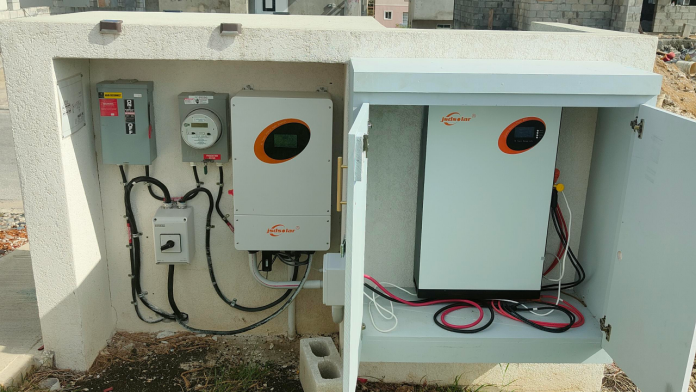
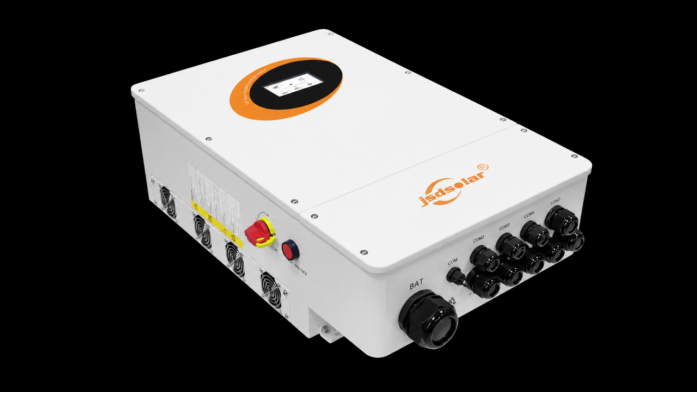
Even with sufficient solar energy generation, homes may be grid dependent at night or lose power during outages. Insufficient solar capacity is not the only reason for these issues. Often it is poor integration of solar energy systems that causes these problems.
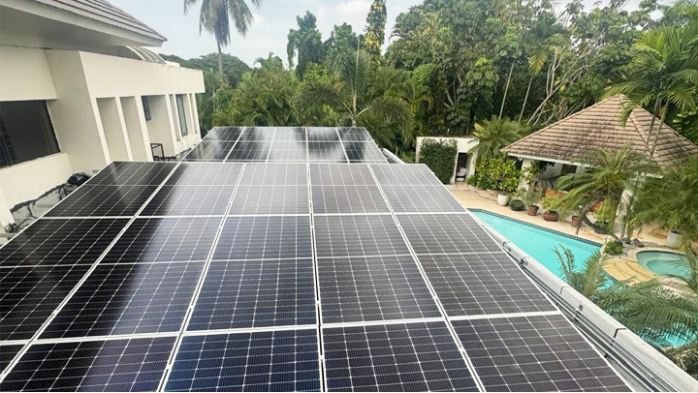
JSDSolar, as a Solar Energy System Manufacturer, offers a solution to this problem by configuring our solar energy systems to work together in a harmonious way. By doing this, we increase energy independence by adding back up capacity for select household loads.
Solar Panels Alone Can't Achieve Energy Independence
Because the demand for electricity does not often correspond with the generation of solar energy, surplus solar energy during the day may not be used and consumed at night when household demand is greater.
There are three main operating conditions that need to be taken into consideration:
•Daytime self-consumption: Solar energy is used to fulfill household energy demand.
•Night time power supply: Stored power is used to fulfill demand.
•Grid outage protection: Backup power is used to fulfill household demand.
A standard grid-tied inverter is designed to stop functioning during a utility outage, so backup power would require grid-forming capabilities, switching equipment and battery support.
Energy independence therefore depends on both energy capacity (kWh) and instantaneous power availability (kW).
How Hybrid Inverters and Battery Storage Systems Manage Household Power
A Solar Energy System Manufacturer needs to coordinate PV generation, battery charging, AC output, and interaction with the utility.
Solar Conversion and Battery Management
A hybrid system usually consists of:
•A MPPT Controller: Which adjusts the voltage of the PV modules to its optimum level due to variation of temperature and irradiance.
•A hybrid inverter: Manages the conversion of DC to AC and control the modes of operation and the distribution of power.
•LiFePO4 Storage: Used for storing extra solar energy to be used during off peak hours.
•BMS: Protects and manages the battery by controlling the voltage, current and temperature.
•Back up Isolation: Breaks the connection of protected circuits from the utility during a power failure.
The inverter and the BMS should have compatible charging parameters and communicate with each other. Two inverters with the same nominal battery voltage do not necessarily work together.
Hybrid vs. Off-Grid Solar Configurations
| System | Operating Characteristics | Main Limitation |
| Grid-tied | Direct PV consumption and grid export | Normally no outage backup |
| Hybrid | PV, battery, and grid coordination | Backup capability depends on configuration |
| Off-grid | Independent supply using PV and storage | Requires adequate seasonal reserves |
| AC-coupled storage | Suitable for some existing PV retrofits | Additional conversion and control requirements |
| DC-coupled storage | Integrates PV and storage on the DC side | Requires compatible DC-side equipment |
Hybrid systems are generally practical where utility access exists but backup power is required. Fully off-grid installations demand more conservative storage sizing and contingency planning.
Sizing Solar Panels, Inverters, and Batteries for Home Loads
An experienced Solar Energy System Manufacturer should begin with measured load data, not the advertised system rating.
Estimate PV Generation and Usable Battery Capacity
Estimated Daily PV Energy Generation = PV Capacity (kWp) × Peak Sun Hours × Performance Ratio (kWh)
For a 6.96 kWp array, Peak sun hours = 4, Performance ratio = 0.75
6.96 × 4 × 0.75 = 20.88 kWh
Note that this is an estimate only, and shouldn't be taken as expected daily generation. Many factors contribute to variations including season, temperature, shading, orientation, and irradiance.
In this case, to determine battery runtime, the equation is:
Usable AC Energy = Nominal Battery Energy × DoD × Discharge-to-AC Efficiency
JSDSolar's LFP48200 LiFePO4 Powerwall Battery can be configured at 51.2V, 200 Ah, giving it a capacity of 10.24 kWh.
At an 80% depth of discharge and a discharge to AC efficiency of 92%
10.24 × 0.80 × 0.92 = 7.54 kWh
This would support a continuous 1 kW AC load for a period of 7.5 hours, accounting for no standby losses. The battery would still have some restrictions for reserve requirements.
Parameters That Must Be Verified Together
| Parameter | Technical Decision |
| PV capacity (kWp) | Expected generation under local irradiance |
| Inverter power (kW) | Continuous load and motor-starting surge |
| Battery capacity (kWh) | Required overnight and outage duration |
| Battery discharge current (A) | Maximum power available from storage |
| MPPT voltage range (V) | Compatible PV string configuration |
| Battery DoD and SoC reserve | Usable energy and emergency backup margin |
| AC voltage/frequency | Compatibility with local electrical systems |
Battery expansion increases potential runtime but does not automatically increase inverter output. Whole-home backup also requires different load calculations from critical-circuit backup.
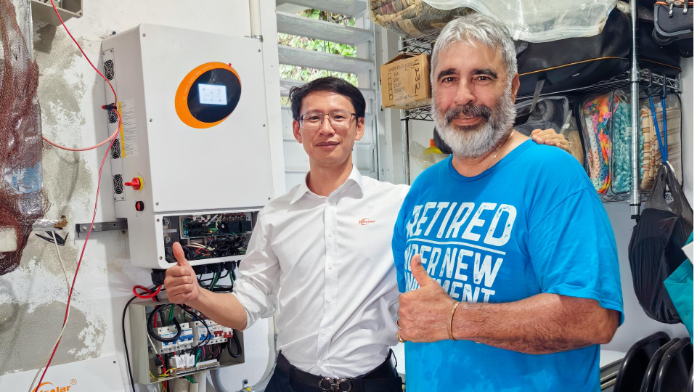
JSDSolar Residential Solar System Configurations
JSDSolar supplies residential PV packages combining panels, inverters, batteries, and electrical accessories.
6kW Solar Package for Residential Loads
Our 6kW Solar Package for Residence lists:
•Eight 580W panels, totaling 4.64kWp.
•Split-phase inverter equipment.
•48V-class, 200Ah LiFePO4 battery storage.
•Distribution equipment and PV cabling.
This configuration provides a starting point for residential load matching. Final inverter output, backup circuits, and expansion requirements must be confirmed against the selected equipment.
Hybrid Solar System 10kW for Larger Homes
Our Complete Hybrid Solar System 10kW consists of:
•A 120/240V Hybrid Inverter
• A 6.96kWp Monocrystalline Solar Array
•A 48V-class 200Ah Lithium Battery
We distinguish the 10kW system designation from the 6.96kWp PV array capacity. True system generation and backup time are dependent on various site conditions and usable energy in the battery, among other factors.
Installation, Monitoring, Backup Reliability
We expect Solar Energy System Manufacturers to provide us installers configuration drawings and protection requirements.
Prior to commissioning we confirm
•Roof mount loads, environmental exposure, equipment ratings (IP), shading, and operational temperatures.
•Voltage of PV strings, inverter MPPT, and DC Protection.
•Grounding and cable size, battery installation clearance, and overload response.
•Communication between the BMS and the Inverter, Backup transfer and reconnection, alarm reviews, and state of charge monitoring.
Long-term maintenance should include periodic testing of backup, connection inspection and review of alarms.
Safety Standards and Manufacturer Verification
Certification requirements are market-specific.
Existing standards include IEC 61215, IEC 61730, IEC 62109, and IEC 62619 for lithium batteries.
UL 1741 and IEEE 1547 provide requirements for US projects, and are in addition to UL 1973, UL 9540, and local electrical codes. Component certification does not ensure system certification.
Verify the availability of model-specific documentation (certification, compatibility, wiring, warranties, manuals, etc.) before ordering.
Working With JSDSolar on Residential Energy Independence
When comparing manufacturers of solar energy systems, look beyond the prices quoted by distributors and assess component compatibility with customer load, seasonal storage, generation, and integrity of component documentation against local utility rates.
At JSDSolar, we support system-level configurations for hybrid and battery storage systems and inverters for residential applications. Provide us your load profile, destination voltage, and system backup requirements to help review a system configuration most suitable for you before purchase.
FAQs
Q1: What residential solar systems does JSDSolar manufacture?
JSDSolar supplies hybrid and off-grid solar systems integrating PV panels, solar inverters, LiFePO4 batteries, and electrical accessories. Available configurations include 6kW and 10kW residential packages.
Q2: How does JSDSolar support residential energy independence?
JSDSolar helps buyers select compatible solar panels, hybrid inverters, and battery storage based on household consumption, peak loads, backup duration, and local electrical requirements.
Q3: What is the difference between JSDSolar's 6kW and 10kW residential systems?
The listed 6kW package includes 4.64kWp of solar panels, while the 10kW hybrid configuration includes 6.96kWp. Inverter ratings, battery capacity, and load compatibility must be evaluated separately.
Q4: What battery storage options does JSDSolar offer for residential solar systems?
JSDSolar offers LiFePO4 storage batteries, including the LFP48200 model rated at 51.2V, 200Ah, and 10.24kWh nominal capacity. Actual usable energy depends on discharge limits and system losses.
Q5: Can JSDSolar solar systems provide electricity during grid outages?
Yes, when configured with a suitable backup-capable inverter, compatible batteries, and safe grid isolation. Backup duration depends on usable battery capacity and connected household loads.
Share on Social:


In This Article
- 1 Solar Panels Alone Can't Achieve Energy Independence
- 2 How Hybrid Inverters and Battery Storage Systems Manage Household Power
- 3 Sizing Solar Panels, Inverters, and Batteries for Home Loads
- 4 JSDSolar Residential Solar System Configurations
- 5 Installation, Monitoring, Backup Reliability
- 6 Safety Standards and Manufacturer Verification
