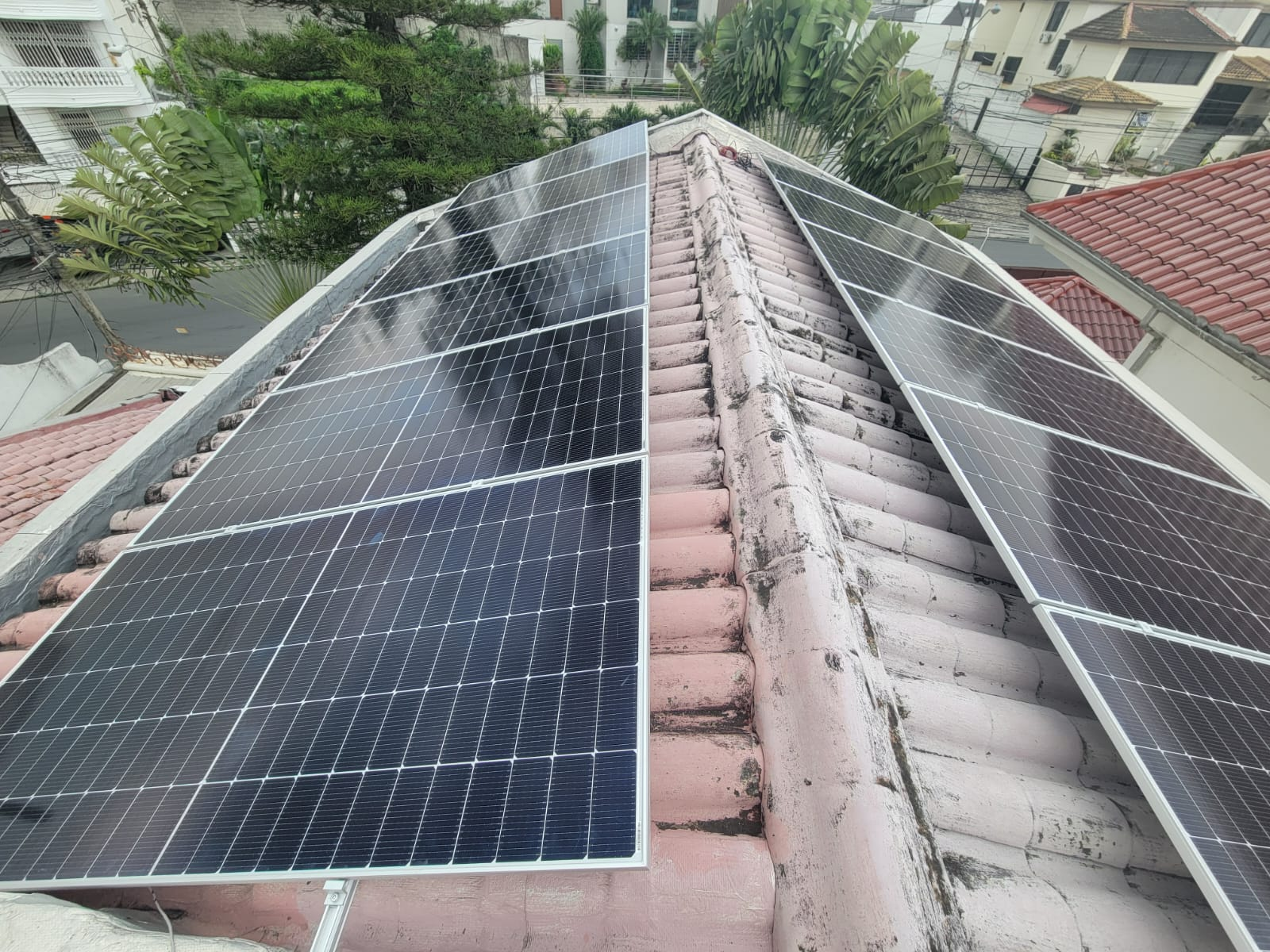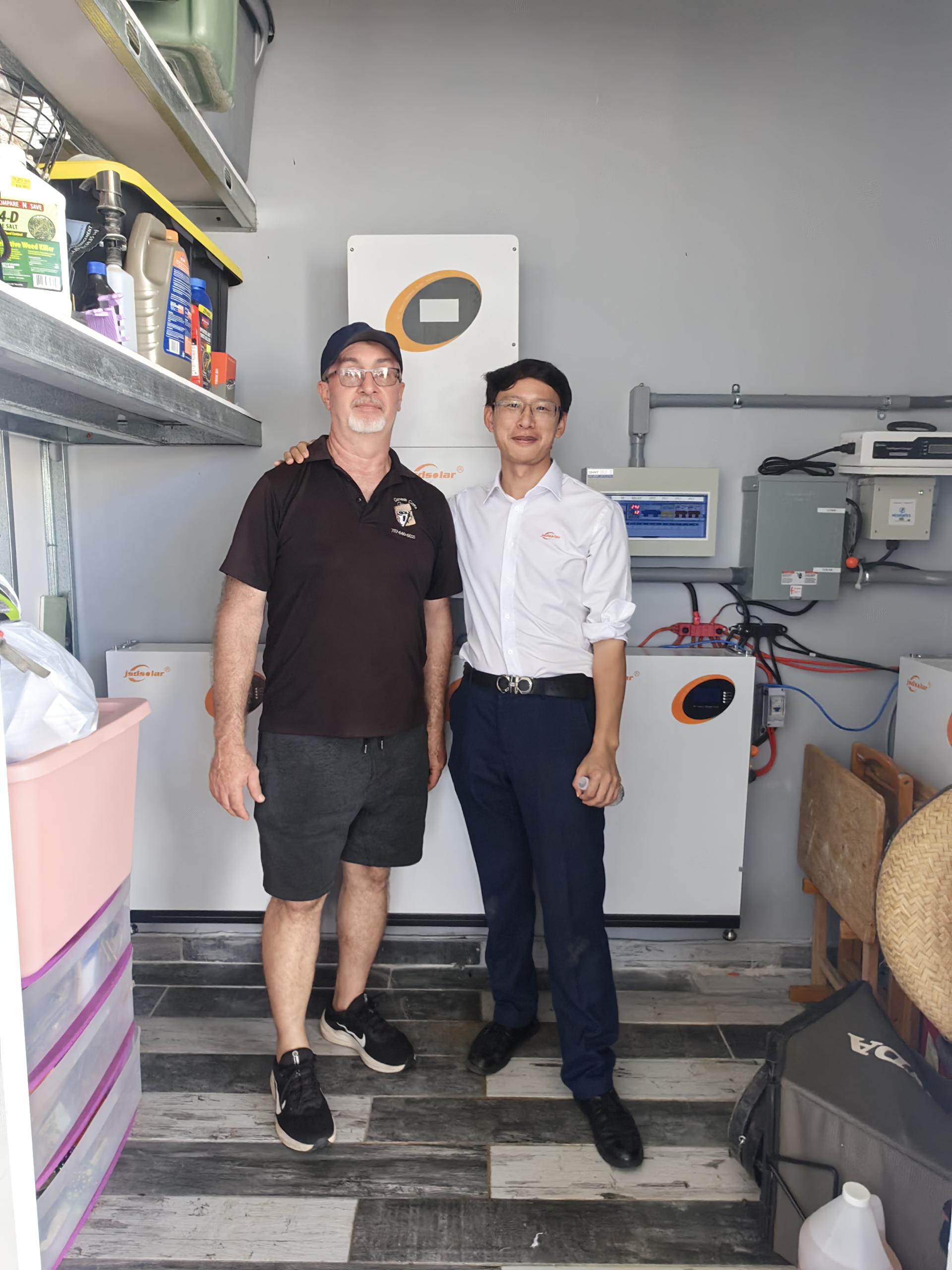


2*10kWh Lithium Battery for Farm in US

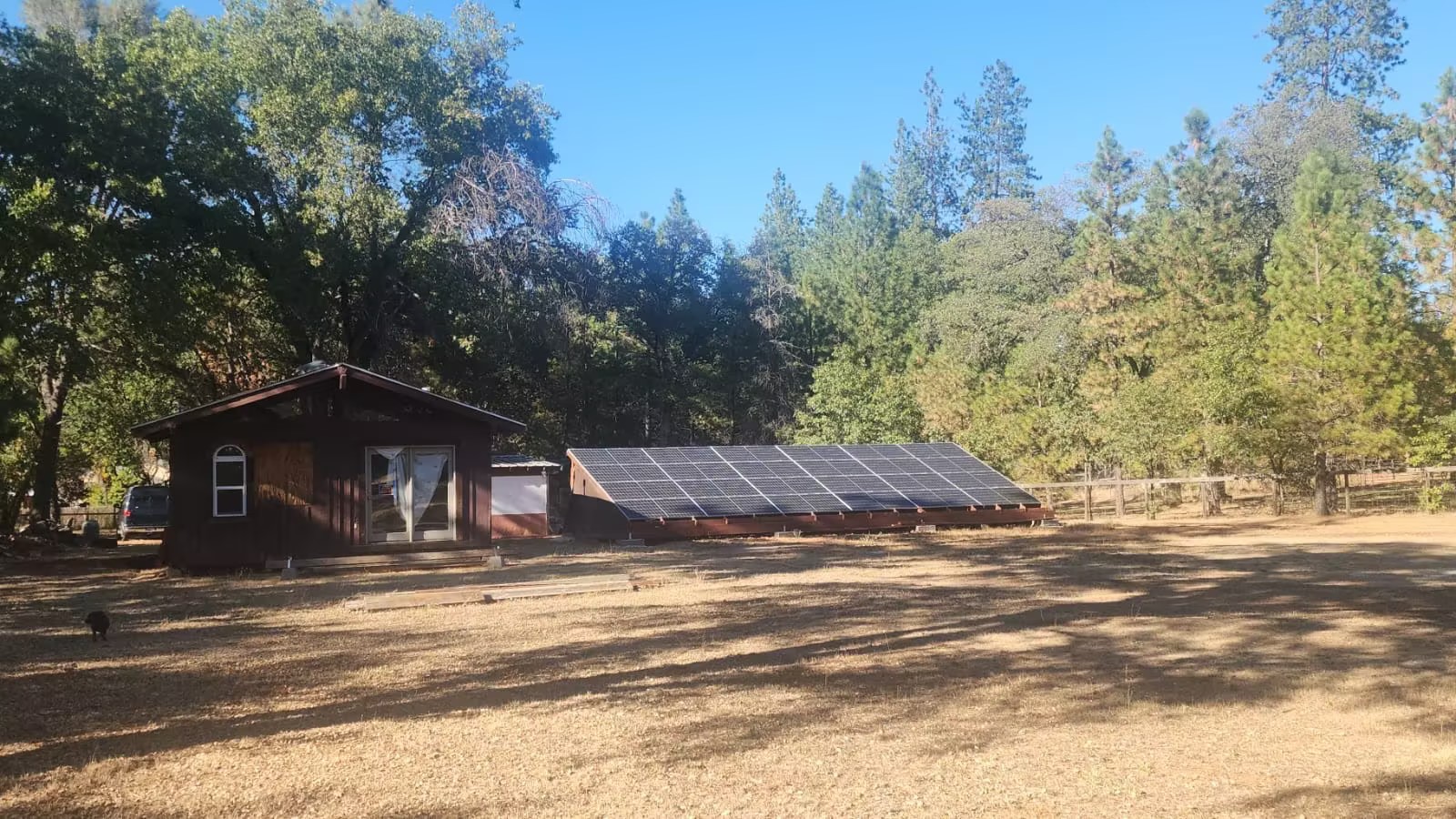
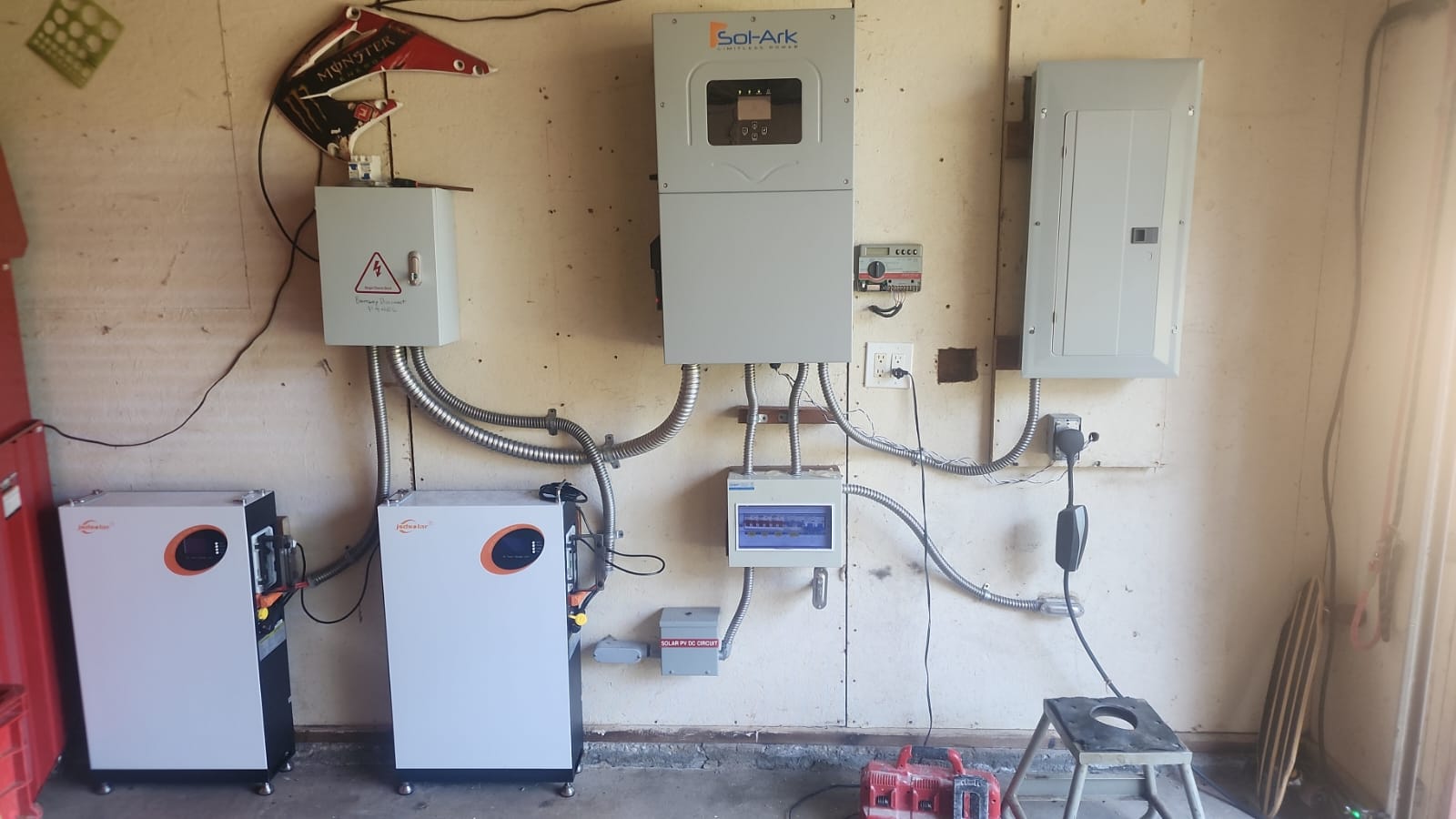
20kWh Battery Storage for Agricultural Temperature Management
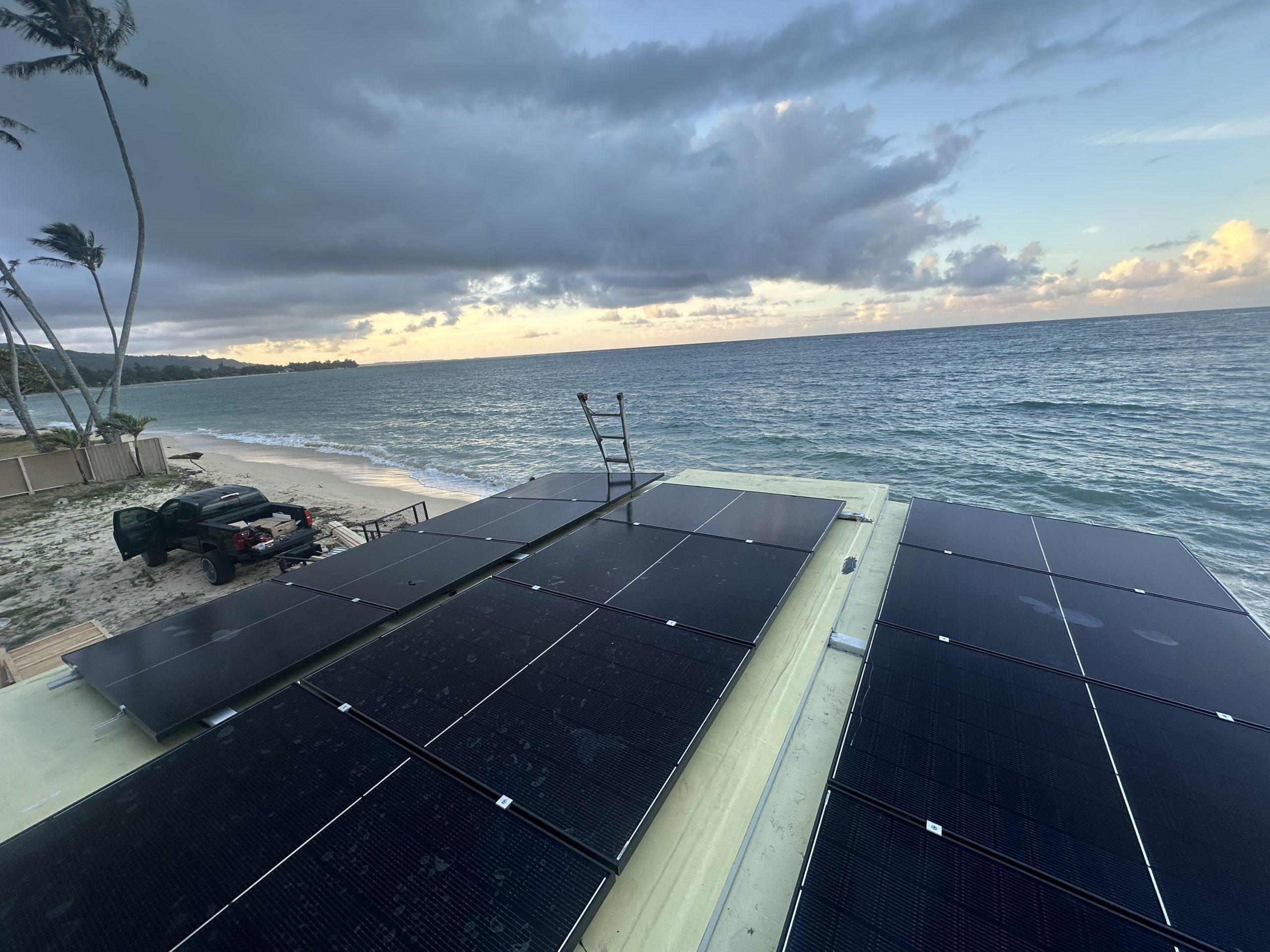
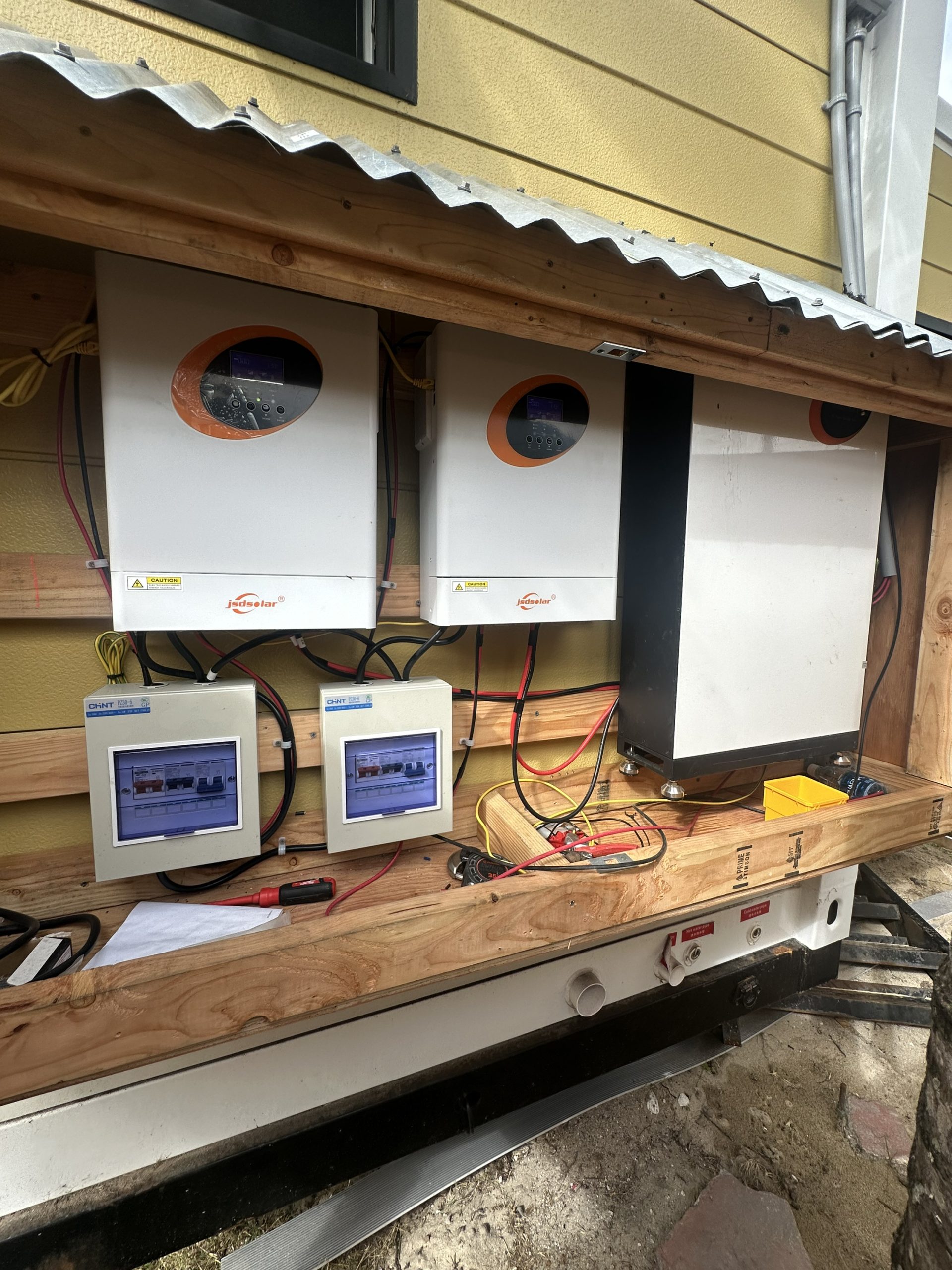
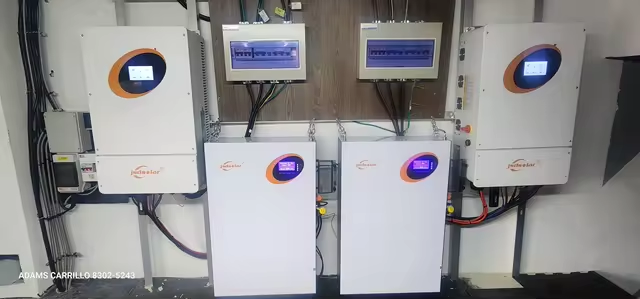
This 20kWh farm battery storage system uses two JSDSolar 10kWh lithium batteries, creating 20kWh of total storage capacity. The batteries operate with a Sol-Ark inverter platform, allowing solar generation, farm loads, battery charging, and grid interaction to be managed within one system.
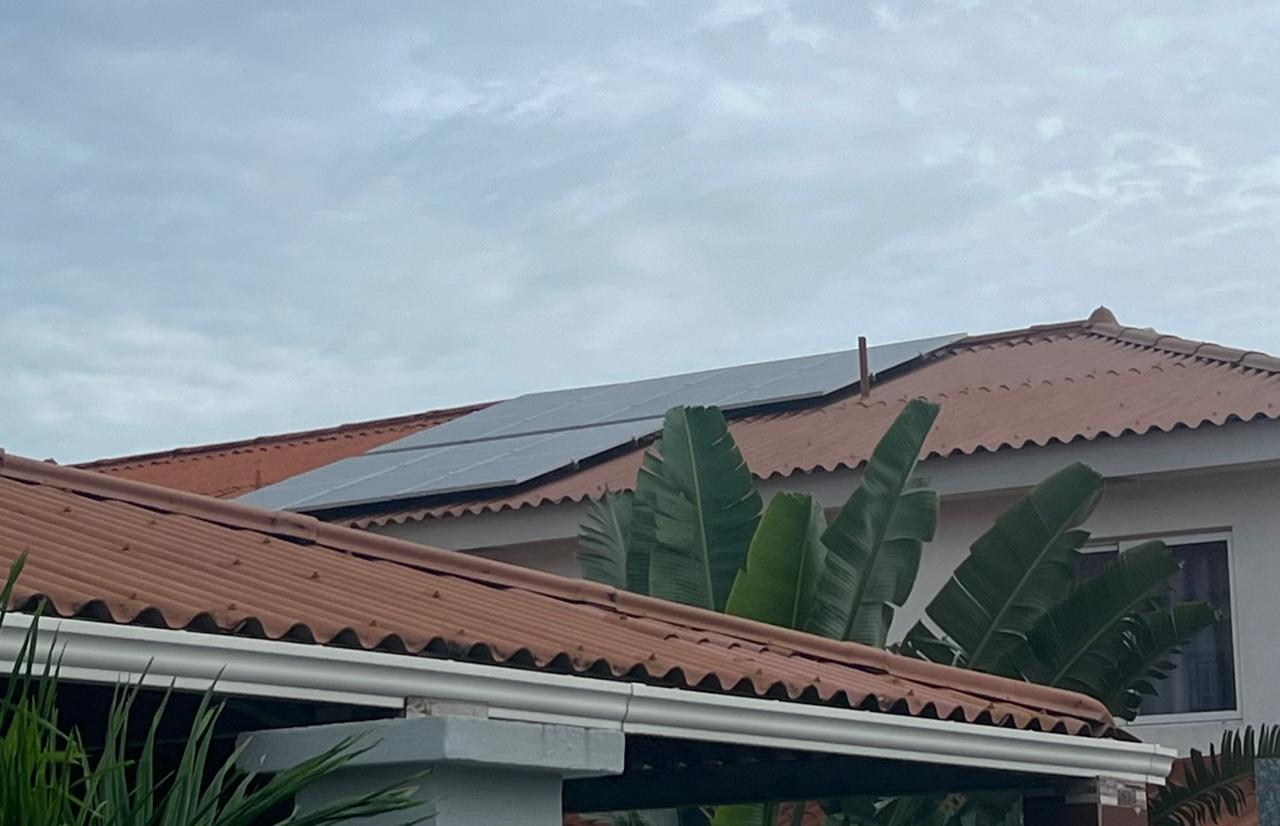
The project was designed around a clear daily operating pattern. During daylight hours, solar power supports irrigation equipment and other active farm loads. Excess generation charges the battery bank instead of being left unused. After sunset, stored energy supplies air-conditioning equipment that maintains suitable temperatures for stored seeds and fertilizers.
Moving Solar Energy From Irrigation Hours to Overnight Cooling
Irrigation often takes place during periods of strong sunlight, making it well suited to direct photovoltaic power. Climate control presents a different challenge because cooling may need to continue throughout the night.
The 20kWh battery bank bridges this timing gap. It captures available daytime production and reserves it for later use, reducing dependence on grid electricity during overnight operation. Battery discharge settings can be adjusted according to required backup duration, allowable depth of discharge, and the priority of temperature-control equipment.
The inverter coordinates the available sources and loads. When solar generation exceeds daytime demand, the surplus charges the batteries. When solar output decreases, the system can draw from stored energy according to its operating configuration.
Compatibility With U.S.-Market Solar Equipment
Battery and inverter communication was an important part of this project. Voltage parameters, charge limits, discharge limits, cable sizing, and communication settings had to match the selected inverter platform.
JSDSolar lithium batteries are designed to work with a broad range of commonly used inverter systems when electrical and communication requirements are confirmed. Compatibility should always be checked against the exact inverter model, firmware, protocol, and system design before installation.
For the farm operator, the project provides more than general backup power. It supports a specific business requirement: maintaining overnight environmental conditions that protect agricultural materials and help prevent avoidable losses.
A similar 20kWh farm battery storage system can also support refrigeration, ventilation, water pumps, monitoring equipment, security systems, and selected livestock or greenhouse loads. The correct battery capacity depends on equipment wattage, runtime, startup current, solar production, and the amount of reserve energy required.
JSDSolar can review farm load schedules, inverter specifications, critical equipment, solar capacity, and expansion plans before recommending a battery configuration. This project shows how agricultural storage can be designed around operating continuity rather than simply adding batteries to an existing solar array.

Recommended Case Studies
Learn More